

Is It Ok to Wear Rash Guard in Swimming Pool: Expert Insights
Are you wondering if it’s okay to wear a rash guard in a swimming pool? You’re not alone.
Whether you want extra sun protection, feel more comfortable, or simply like the style, rash guards have become popular swimwear choices. But is it safe and allowed? Can wearing one affect your swim or the pool’s cleanliness? Keep reading to find out everything you need to know before you dive in with a rash guard.
Your next swim might just get a whole lot better.
Benefits Of Wearing Rash Guards
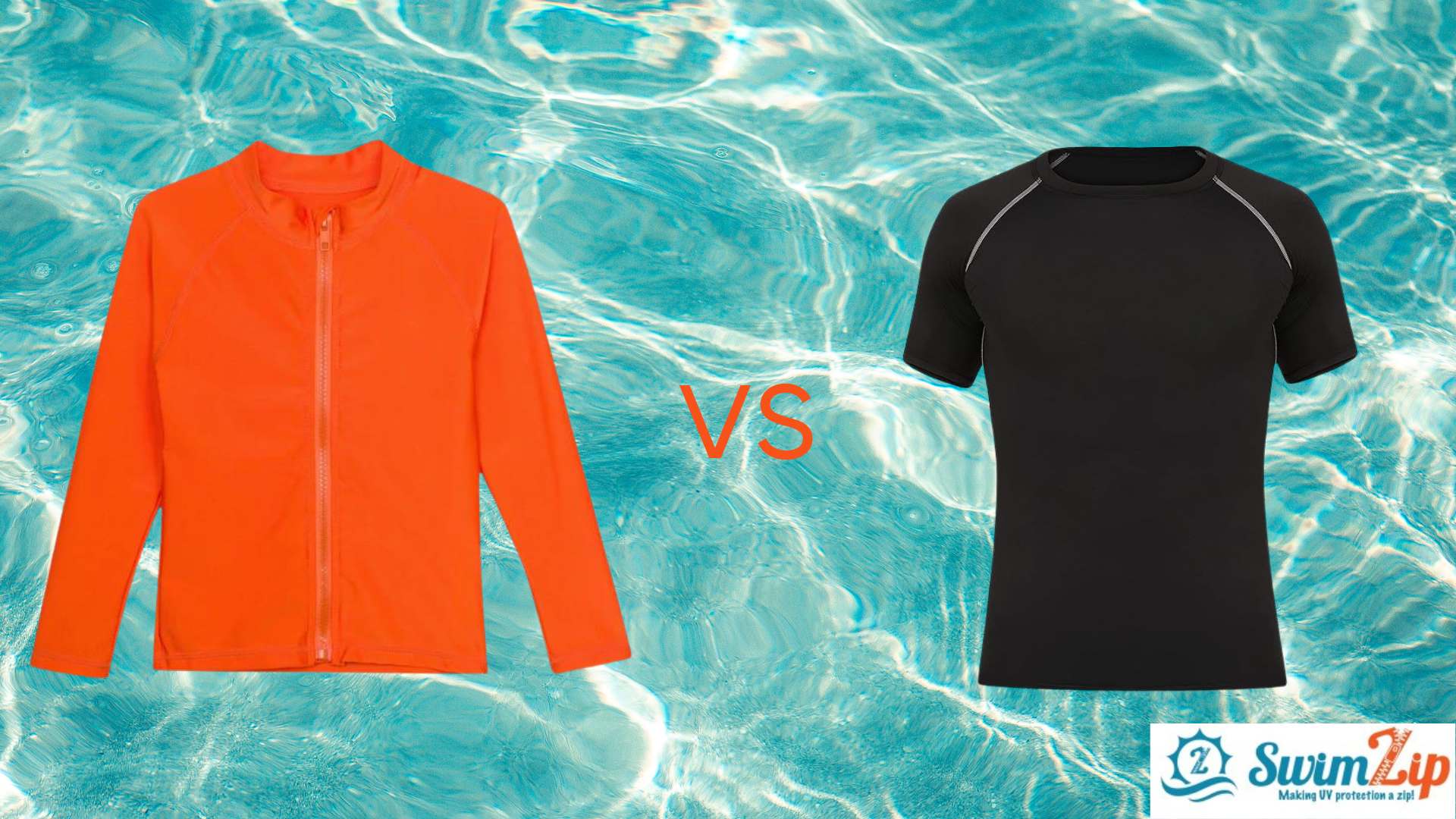
Wearing a rash guard in the swimming pool offers many advantages. It protects your skin and keeps you comfortable during water activities. Rash guards are designed for swimmers and water lovers. They provide practical benefits beyond style. Here are some key reasons to wear a rash guard in the pool.
Sun Protection
Rash guards block harmful UV rays from the sun. They cover your skin fully or partially. This reduces the risk of sunburn. Sunscreen can wash off in the water. A rash guard stays on and protects longer. It helps keep your skin safe during long swims.
Chlorine Resistance
Chlorine in pools can damage your skin and swimwear. Rash guards resist chlorine better than regular clothes. This means less irritation and longer-lasting fabric. They protect your skin from harsh chemicals. Wearing a rash guard helps your body stay healthy in chlorinated water.
Skin Irritation Prevention
Pool water and constant movement can cause skin irritation. Rash guards reduce friction between your skin and pool surfaces. They protect against rashes and scratches. Wearing one creates a smooth barrier. This makes swimming more comfortable and enjoyable.
Credit: swimzip.com
Materials Used In Rash Guards
Rash guards are popular swimwear designed to protect your skin. The materials used in rash guards matter a lot. They affect comfort, fit, and how long the guard lasts. Choosing the right fabric can make your swimming experience better and safer.
Common Fabrics
Most rash guards use synthetic fabrics. Nylon and polyester are the top choices. They dry quickly and feel light on your skin. Spandex or elastane is added for stretch. This mix helps the rash guard fit snugly and move with your body.
Some rash guards also use a blend of these fabrics. This blend balances comfort and durability. Cotton is rarely used because it absorbs water and dries slowly. Avoid cotton for swimming pools.
Durability In Chlorinated Water
Swimming pools have chlorine, which can harm fabrics. Rash guards made with polyester resist chlorine well. Nylon wears out faster in chlorinated water. Spandex can also weaken with chlorine exposure.
Look for rash guards labeled as "chlorine-resistant." These last longer in pools. Rinse your rash guard with fresh water after swimming. This practice helps maintain its strength and color.
Pool Rules And Rash Guards
Rash guards are popular for swimming. They protect skin from the sun and irritation. Before wearing one in a pool, check the rules. Pools have different policies about swimwear. Understanding these rules helps avoid problems. It also keeps everyone safe and comfortable.
Facility Policies
Each pool has its own swimwear guidelines. Some allow rash guards, others do not. Public pools may require specific swimwear types. These rules keep the water clean and safe. Ask staff or check signs before swimming. Following these rules shows respect for the facility.
Safety Considerations
Rash guards fit tightly and dry quickly. They reduce skin damage from chlorine and sun. Some pools worry about loose clothing in water. Rash guards can help prevent rashes and cuts. Wearing one can also improve swimming comfort. Choose a well-fitted rash guard for safety.

Credit: swimzip.com
Comparing Rash Guards And Swimwear
Comparing rash guards and swimwear helps decide what suits swimming pool use best. Both serve to protect and cover the body but differ in style and function. Choosing between them depends on comfort, fit, and how they perform in water. Understanding these differences guides better swimwear choices for pools.
Comfort And Fit
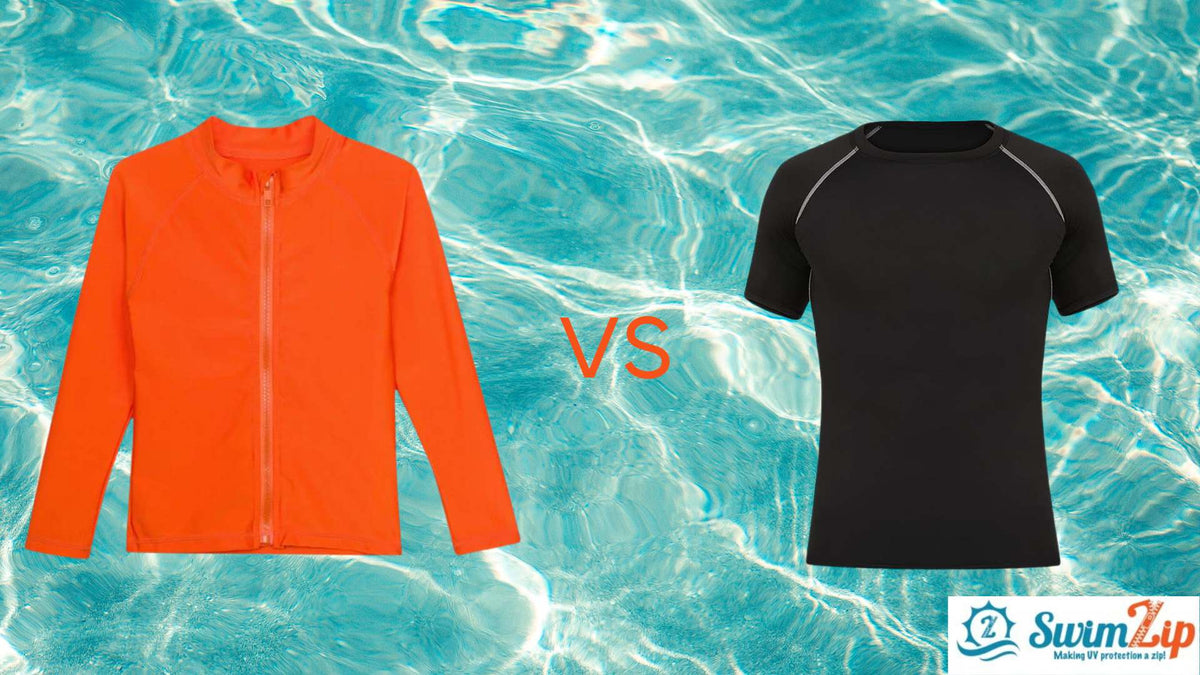
Rash guards fit snugly like a second skin. They stretch to cover the torso and arms fully. This tight fit stops fabric from shifting during swimming. Swimwear usually fits looser and may expose more skin. Some find rash guards less itchy and more soothing on the skin. Rash guards offer extra warmth in cooler water. Swimwear dries faster but may not protect from sun or scrapes as well.
Performance In Water
Rash guards reduce friction with water due to smooth fabric. This can help swimmers move faster and easier. They also protect against jellyfish stings and pool chemicals. Swimwear is designed for speed but offers less coverage. Rash guards keep muscles warm, aiding longer swims. Some swimmers prefer rash guards for training and open water. Swimwear is lighter and often chosen for racing and casual swims.
Expert Recommendations
Experts share clear advice about wearing rash guards in swimming pools. Their guidance helps swimmers stay safe and comfortable. Wearing a rash guard can protect your skin and improve your swimming experience.
When To Wear Rash Guards
Rash guards are best for people with sensitive skin. They help protect against pool chemicals like chlorine. Swim instructors and lifeguards often recommend them. Rash guards also reduce sunburn risk during outdoor pool use. Wear one if you have skin allergies or irritation. It prevents rashes caused by friction or pool surfaces. They suit kids and adults who swim regularly.
Best Practices For Use
Choose a rash guard made from lightweight, quick-dry fabric. Make sure it fits snugly but allows easy movement. Rinse the rash guard after swimming to remove chlorine. Wash it with mild soap before the next use. Avoid wearing a rash guard for too long in the pool. Replace it if the fabric gets worn out or stretched. Follow pool rules about swimwear to avoid issues.
Potential Drawbacks
Wearing a rash guard in a swimming pool has some drawbacks. It is important to know these before deciding to wear one. Rash guards can cause issues with hygiene and may not last long with pool use. Understanding these points helps you make a better choice.
Hygiene Concerns
Rash guards can trap sweat and bacteria close to your skin. This can cause skin irritation or infections over time. Pools have chlorine, but it may not remove all germs from the fabric. Wearing the same rash guard multiple times without washing increases these risks. It is important to clean rash guards thoroughly after every use. Otherwise, you might face hygiene problems.
Material Wear Over Time
Chlorine and pool chemicals can damage rash guard fabric. The material may fade or lose elasticity after many swims. This reduces the rash guard's protection and comfort. Thin or worn-out fabric may also tear more easily. Frequent exposure to pool water shortens the rash guard's life. Consider this before using one regularly in a swimming pool.
Credit: swimzip.com
Frequently Asked Questions
Is It Safe To Wear A Rash Guard In A Swimming Pool?
Yes, wearing a rash guard in a pool is safe. It protects your skin from chlorine and UV rays. It also prevents irritation and rashes caused by pool chemicals or rough surfaces.
Can Rash Guards Improve Swimming Performance?
Rash guards can reduce drag and provide muscle support. This may improve your swimming speed and endurance. However, their impact is subtle compared to professional swimwear.
Do Rash Guards Protect Against Pool Chemicals?
Rash guards create a barrier that minimizes direct skin contact with pool chemicals. This helps reduce irritation and dryness caused by chlorine and other substances.
Are Rash Guards Allowed In Public Swimming Pools?
Most public pools allow rash guards as swimwear. However, it’s best to check pool rules beforehand. Some pools may have specific dress codes or fabric requirements.
Conclusion
Wearing a rash guard in a swimming pool is safe and practical. It protects your skin from chlorine and sun damage. Rash guards also help prevent irritation and rashes. They fit comfortably and dry quickly. Many pools allow them, but check the rules first.
Choose one made from pool-safe materials. Enjoy swimming with extra comfort and protection. Simple, smart swimwear choice.
