

Dress in Business Casual Attire Men: Essential Style Guide
Dress In Business Casual Attire Men
Business casual is a phrase that sounds simple, but many men find it confusing. What does it really mean? How do you dress in a way that looks professional but not too formal? If you get it right, you look sharp, confident, and ready for anything—from meetings to after-work events.
If you get it wrong, you risk looking sloppy or out of place. This guide will help you understand what business casual is, how to choose the right pieces, and how to avoid common mistakes. Whether you are new to office work or just want to update your style, you’ll find clear, practical advice below.
What Is Business Casual For Men?
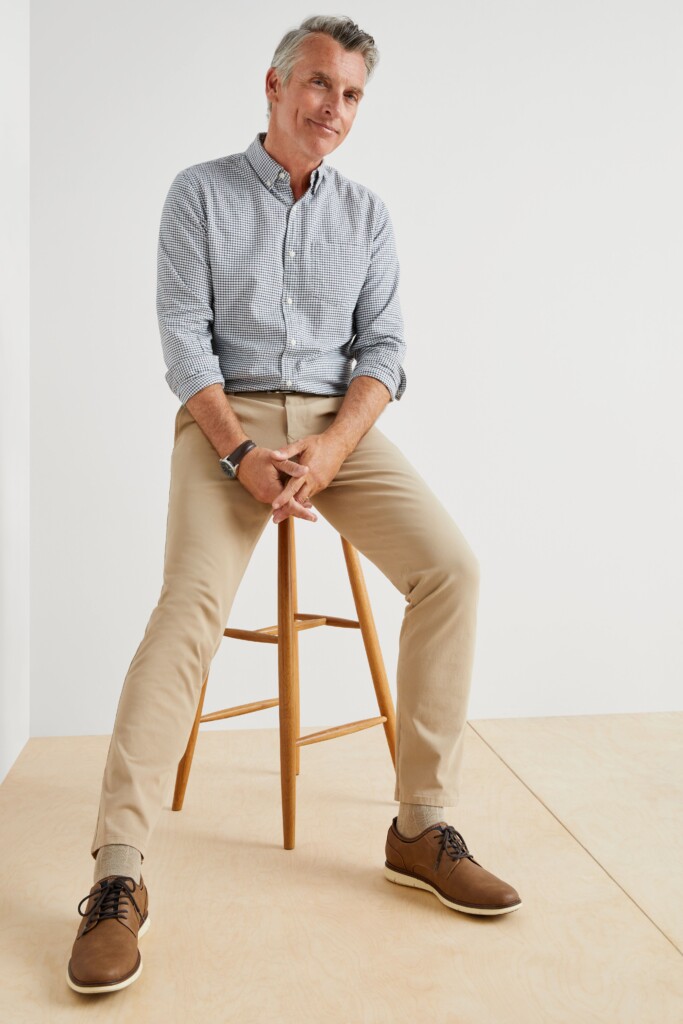
Business casual is a style that blends professional and relaxed clothing. It’s not as formal as a suit and tie, but it’s not as relaxed as jeans and a t-shirt. The goal is to look neat and polished without being stiff. Business casual is popular in many offices, especially in creative, tech, or modern companies.
There is no single definition because each company has its own rules. However, most agree on a basic mix:
- Collared shirts (like button-downs or polos)
- Dress pants or chinos
- Closed-toe shoes (like loafers or oxfords)
- Optional: Blazers or sweaters
Jeans, shorts, and t-shirts are usually not business casual. The focus is on clean lines, subtle colors, and comfort.
Why Do Companies Choose Business Casual?
Business casual has become popular because it helps employees feel comfortable and productive. Research shows that over 60% of US companies now allow business casual dress at least once a week. This approach is linked to higher job satisfaction and fewer dress code conflicts.
Key Elements Of Business Casual Attire
Let’s break down each part of a typical business casual outfit. Understanding these basics will help you build a wardrobe that works for any office.
Shirts
The shirt is the centerpiece of business casual. Most men choose long-sleeve button-down shirts. Polo shirts are also acceptable in many offices.
- Button-down shirts: Choose solid colors like white, light blue, or pale pink. Subtle patterns like small checks or stripes are fine.
- Polo shirts: Look for high-quality cotton. Avoid logos and bright colors.
- Sweaters: In cooler months, a fine knit sweater over a collared shirt looks professional.
Avoid shirts with loud prints, large logos, or short sleeves unless your company allows it.
Pants
Business casual pants should be neat and comfortable.
- Chinos: These are a favorite because they are soft and look polished. Colors like navy, khaki, and gray work best.
- Dress slacks: Wool or cotton dress pants are always safe.
- Dark jeans: Some offices allow dark, non-distressed jeans. Check your company policy first.
Avoid baggy pants, ripped jeans, and shorts.
Shoes
Shoes can make or break your outfit. Choose closed-toe dress shoes.
- Loafers: Easy to wear and stylish.
- Oxfords: Classic and formal but still business casual.
- Derby shoes: Slightly less formal than oxfords.
- Brogues: Decorative but still professional.
Sneakers and sandals are usually not allowed.
Jackets And Blazers
A blazer can upgrade your business casual look. You don’t need a matching suit jacket, but a tailored blazer in navy or gray adds polish.
- Blazers: Choose unstructured styles for comfort.
- Cardigans: A button-up cardigan is less formal but still neat.
Accessories
Simple accessories can finish your look.
- Belts: Match your belt to your shoes.
- Watches: A classic watch is a smart touch.
- Ties: Optional; in most business casual settings, ties are not required.
Avoid flashy jewelry and bulky bags.

Credit: www.youtube.com
How To Build A Business Casual Wardrobe
Building a business casual wardrobe is not about buying dozens of new items. It’s about making smart choices and mixing pieces well. Here’s how to start:
- Assess Your Needs: Think about your work environment. Is it more formal or relaxed?
- Choose Neutral Colors: Stick to navy, gray, black, beige, and white. These colors mix well.
- Buy Quality Basics: Invest in shirts, pants, and shoes that fit well.
- Mix and Match: Make sure your pieces work together.
- Add Layers: Sweaters and blazers allow you to adjust for weather or meetings.
Here’s a simple wardrobe starter list:
- 3–5 button-down shirts
- 2–3 pairs of chinos or dress pants
- 1–2 blazers or sweaters
- 2 pairs of dress shoes
- 1 belt and 1 watch
This collection covers most business casual needs. You can add more as you learn what works best for you.
Common Business Casual Mistakes
Many men make mistakes with business casual. These can be easy to fix once you know what to look for.
1. Wearing Clothes That Don’t Fit
Fit is the most important part of looking good. Baggy or tight clothes look unprofessional. Get your shirts and pants tailored if needed. The shoulder seams should sit on your shoulders, and pants should not drag on the floor.
2. Choosing Loud Colors
Business casual is not the time for neon or bright prints. Stick to muted tones and simple patterns. If you want to add color, do it with a tie or pocket square.
3. Ignoring Shoes
Dirty or worn-out shoes ruin your outfit. Clean your shoes often and choose classic styles.
4. Mixing Formal And Casual Pieces Wrong
A suit jacket with jeans can look odd. Try to keep your outfit balanced. If you wear jeans, pair them with a smart shirt and shoes.
5. Forgetting Accessories
Too many accessories look messy. One or two simple pieces, like a watch or belt, are enough.
Credit: www.stitchfix.com
Business Casual Vs. Other Dress Codes
It’s easy to confuse business casual with other styles. Here’s how business casual compares to formal and smart casual dress codes.
| Dress Code | Shirt | Pants | Shoes | Jacket | Accessories |
|---|---|---|---|---|---|
| Business Casual | Button-down, Polo | Chinos, Slacks | Loafers, Oxfords | Blazer (optional) | Belt, Watch |
| Formal | Dress Shirt | Suit Pants | Oxfords | Suit Jacket | Tie, Cufflinks |
| Smart Casual | Polo, Turtleneck | Dark Jeans, Chinos | Loafers, Clean Sneakers | Sport Coat | Minimal |
As you can see, business casual sits in the middle. It’s less formal than a suit but more polished than jeans and sneakers.
Seasonal Business Casual Dressing
Business casual changes slightly with the seasons. You need to adjust fabrics and colors for comfort and style.
Spring And Summer
- Fabrics: Lightweight cotton and linen keep you cool.
- Colors: Light shades like white, pale blue, and beige look fresh.
- Pieces: Short-sleeve polos, chinos, and loafers are popular.
Fall And Winter
- Fabrics: Wool, flannel, and thicker cotton add warmth.
- Colors: Darker shades like navy, charcoal, and olive are best.
- Pieces: Sweaters, blazers, and boots can be added.
Don’t forget to layer. A sweater over a shirt or a blazer over a polo adds flexibility.
How To Choose The Right Fit
Fit is often the difference between looking sharp and looking sloppy. Here are some tips:
- Shirts: Should sit neatly at the shoulders. Sleeves should end at your wrist.
- Pants: Waist should fit without a belt. The hem should touch your shoes but not bunch up.
- Blazers: Should button comfortably without pulling. Length should cover your backside.
If you are unsure, visit a tailor. Most men wear clothes that are too loose. A small adjustment can make a big difference.
Color And Pattern Choices
Choosing the right colors and patterns is important in business casual. Too much can distract; too little can be boring.
- Neutral colors: Navy, gray, black, and beige are safe.
- Accent colors: Light pink, pale green, or lavender can add interest.
- Patterns: Small checks, thin stripes, or simple textures work well.
Avoid large prints and bold patterns. If you want to try something new, start with a patterned shirt or socks.
Business Casual Outfit Examples
Here are some real-world examples of business casual outfits. These combinations show how you can mix pieces for different settings.
Classic Office Look
- Light blue button-down shirt
- Navy chinos
- Brown leather loafers
- Gray blazer (optional)
- Brown belt
- Simple watch
Creative Workplace
- White polo shirt
- Khaki chinos
- Black derby shoes
- Navy cardigan
- Minimal accessories
Casual Friday
- Pale pink button-down
- Dark gray dress slacks
- Black brogues
- No jacket
- Black belt
Meeting Ready
- White dress shirt
- Charcoal dress pants
- Navy unstructured blazer
- Oxford shoes
After-work Event
- Patterned button-down shirt
- Olive chinos
- Tan loafers
- Light gray sweater
Each outfit is balanced, comfortable, and suitable for most business casual offices.
Business Casual For Different Body Types
Not every piece works for every body shape. Knowing what flatters your body helps you look your best.
| Body Type | Best Shirt | Best Pants | Tips |
|---|---|---|---|
| Lean/Athletic | Slim fit button-down | Slim chinos | Choose fitted clothes, avoid baggy styles |
| Broad/Stocky | Regular fit shirt | Straight leg pants | Avoid skinny fits, use vertical stripes to lengthen |
| Tall | Long sleeve shirts | Full length pants | Break up height with layers and color blocks |
| Short | Fitted shirt | Cropped pants | Use monochrome colors to lengthen silhouette |
If you have trouble finding the right fit, try brands that offer custom sizes or visit a tailor for adjustments.
Business Casual For Different Professions
Business casual varies by industry. Here are some examples:
- Tech companies: More relaxed; jeans and polos are often allowed.
- Finance: Lean towards dress pants and button-downs, sometimes blazers.
- Creative agencies: Experiment with colors and patterns.
- Education: Chinos, sweaters, and comfortable shoes are common.
- Healthcare administration: Clean, simple business casual is preferred.
Always check your company’s dress code. If you are unsure, dress slightly more formal until you know what is expected.
How To Transition Between Business Casual And Formal
Sometimes, you need to move from business casual to formal, such as for a big meeting or event. Here’s how to do it quickly:
- Add a blazer: Instantly makes your outfit more formal.
- Switch to dress shoes: Replace loafers with oxfords.
- Add a tie: Optional, but elevates your look.
- Choose a crisp shirt: White or light blue works best.
- Tuck in your shirt: Looks more polished.
Being able to transition easily helps you handle any workday surprise.
Caring For Business Casual Clothes
Taking care of your clothes keeps them looking sharp and saves money.
- Wash shirts and pants carefully: Follow care labels. Use gentle cycles and avoid high heat.
- Iron or steam: Wrinkles make clothes look sloppy. Iron shirts and pants or use a steamer.
- Polish shoes: Leather shoes need regular cleaning.
- Store properly: Hang shirts and blazers. Fold pants neatly.
Investing a few minutes in care each week makes your wardrobe last longer.
Cost Of Business Casual Dressing
You don’t have to spend a lot to dress well in business casual. Here’s a comparison of typical costs:
| Item | Budget Range | Mid-Range | High-End |
|---|---|---|---|
| Button-down Shirt | $25–$50 | $60–$120 | $150+ |
| Chinos | $30–$60 | $70–$150 | $200+ |
| Dress Shoes | $40–$80 | $90–$200 | $300+ |
| Blazer | $60–$120 | $130–$250 | $350+ |
Start with budget-friendly basics and upgrade over time. Quality pieces last longer and look better.
Non-obvious Insights For Business Casual Success
Most guides stop at basics, but there are a few things beginners often miss:
- Check Company Dress Codes: Some offices have hidden rules—like no jeans or no sneakers—even for business casual. Always ask HR if you’re unsure.
- Pay Attention to Outerwear: Coats and jackets matter. A casual rain jacket over a business casual outfit can look odd. Choose a simple wool coat or a smart trench for winter.
- Keep Extra Shirts at Work: Accidents happen—a spill or sweat marks can ruin your look. Having a spare shirt in your desk saves the day.
- Understand Office Culture: If your boss dresses up, follow his lead. If people dress down, you can relax a bit. Adapt, but never look sloppy.
Business Casual And Remote Work
Remote work has changed how men dress. Many still wear business casual for video calls because it helps them focus and look professional. Wearing a collared shirt—even with sweatpants—can boost confidence. Over 70% of remote workers say they feel more productive when dressed for work.
Business Casual And Networking
The way you dress affects how people see you. Business casual helps you look friendly but professional. It’s perfect for networking events where you want to look approachable. A neat outfit shows respect for others and helps you make a good impression.
Sustainability And Business Casual
Many men now choose sustainable clothing for business casual. Look for brands that use organic cotton, recycled materials, or eco-friendly production. Not only is this good for the planet, but it also shows you care about values. According to a recent survey, 55% of men would pay more for sustainable workwear.

Credit: www.youtube.com
Business Casual In Different Countries
Business casual is not the same everywhere. In the US, it’s fairly relaxed. In Europe, it may mean wearing a blazer and dress shoes every day. In Asia, some offices are more formal. Always check local customs if you work with international teams.
Frequently Asked Questions
What Is The Difference Between Business Casual And Smart Casual?
Business casual is more focused on office-ready clothing, like button-down shirts, chinos, and dress shoes. Smart casual allows more flexibility, such as clean sneakers, dark jeans, and sport coats. Smart casual is often used for social events, while business casual is for work.
Can I Wear Jeans In A Business Casual Office?
It depends on your company. Some allow dark, non-distressed jeans; others do not. Always check the dress code. If jeans are allowed, pair them with a smart shirt and dress shoes.
Are Ties Required In Business Casual?
No, ties are usually optional. In most business casual offices, you do not need a tie. If you want to add one, choose a simple design and subtle color.
What Shoes Are Best For Business Casual?
Loafers, oxfords, and derby shoes are safe choices. Avoid sneakers and sandals unless your office allows them. Choose leather or suede for a polished look.
How Can I Make My Business Casual Outfit More Stylish?
Try adding a blazer or a patterned shirt. Use a classic watch or a colored belt for interest. Make sure your clothes fit well and are clean. Small touches make a big difference.
Dressing in business casual attire can feel confusing at first, but with the right approach, it becomes easy and rewarding. Focus on fit, choose quality basics, and adapt to your company’s culture. Over time, you’ll find your own style that looks sharp and feels comfortable. For more details on dress codes, you can visit Wikipedia. A smart business casual wardrobe helps you feel confident and ready for any workday challenge.
