

Best Business Casual Outfits for Men: Elevate Your Style Now
Best Business Casual Outfits For Men
Business casual can feel confusing for many men. Is it just a shirt and trousers, or does it mean a blazer and tie? The truth is, business casual is not one fixed look. It is a style that mixes professionalism with comfort.
The challenge is to dress sharp, but not too formal. If you are not sure what to wear, you are not alone. Many men struggle to understand business casual, especially when rules can change from one company to another.
This guide will help you choose business casual outfits that look great, feel comfortable, and fit many workplaces. You will learn what business casual really means, see outfit examples, discover key items every man should own, and get tips for different seasons. Real comparisons, practical advice, and answers to common questions will help you become confident about your business casual style.
What Does Business Casual Mean?
Business casual is a blend of formal and relaxed clothing. It is not as strict as a suit and tie, but it is more polished than jeans and a T-shirt. In most offices, business casual means:
- No full suits
- No flashy sneakers or sandals
- No graphic T-shirts or sweatshirts
Typical business casual outfits include dress shirts, chinos, blazers, and sometimes dress shoes. The goal is to look professional without feeling stiff or overdressed.
Many companies have their own rules about business casual. Some allow dark jeans, others do not. Some expect a blazer, some are fine with just a shirt. If you are not sure, look at what your coworkers wear or ask your manager.
When in doubt, dress a bit more formal. It is easier to remove a tie or blazer than to add one if needed.
Essential Business Casual Pieces
Building a business casual wardrobe starts with a few key items. These pieces can be mixed and matched, making it easy to create many outfits.
Dress Shirts
A dress shirt is a must-have for business casual. Choose shirts in solid colors like white, light blue, or gray. Subtle patterns (such as stripes or checks) are also good. Avoid loud prints or very bright colors.
- Cotton or cotton-blend fabrics are best.
- Long sleeves look more professional than short sleeves.
- Collared shirts are always safer.
Tip: Iron your shirts for a crisp look. Wrinkled shirts appear sloppy, even if the rest of your outfit is perfect.
Chinos And Dress Pants
Chinos are a business casual favorite. They are comfortable, stylish, and less formal than dress pants. Choose neutral colors like khaki, navy, or gray. Avoid baggy fits—slim or straight cuts are best.
Dress pants (sometimes called slacks) are also suitable. Darker colors are more formal, lighter shades are more relaxed.
- Never wear shorts.
- Avoid pants with loud patterns.
Blazers And Sport Coats
A blazer instantly adds polish to a business casual outfit. It is less formal than a suit jacket and can be worn with chinos, dress pants, or even dark jeans.
- Navy, charcoal, and gray are classic choices.
- Avoid shiny fabrics or flashy buttons.
A sport coat is similar but often has a more relaxed fit or subtle patterns. Both can be removed during the day if needed.
Shoes
Your shoes matter. The best choices are leather loafers, derby shoes, or oxfords. Dark brown, black, or tan are safe colors.
- Clean, polished shoes are essential.
- Sneakers should be simple and clean if allowed.
- Sandals or flip-flops are never acceptable.
Accessories
Accessories can add personality without being distracting.
- Leather belts match your shoes.
- Simple watches look professional.
- Avoid flashy jewelry.
A well-chosen tie or pocket square can add color, but is not required.
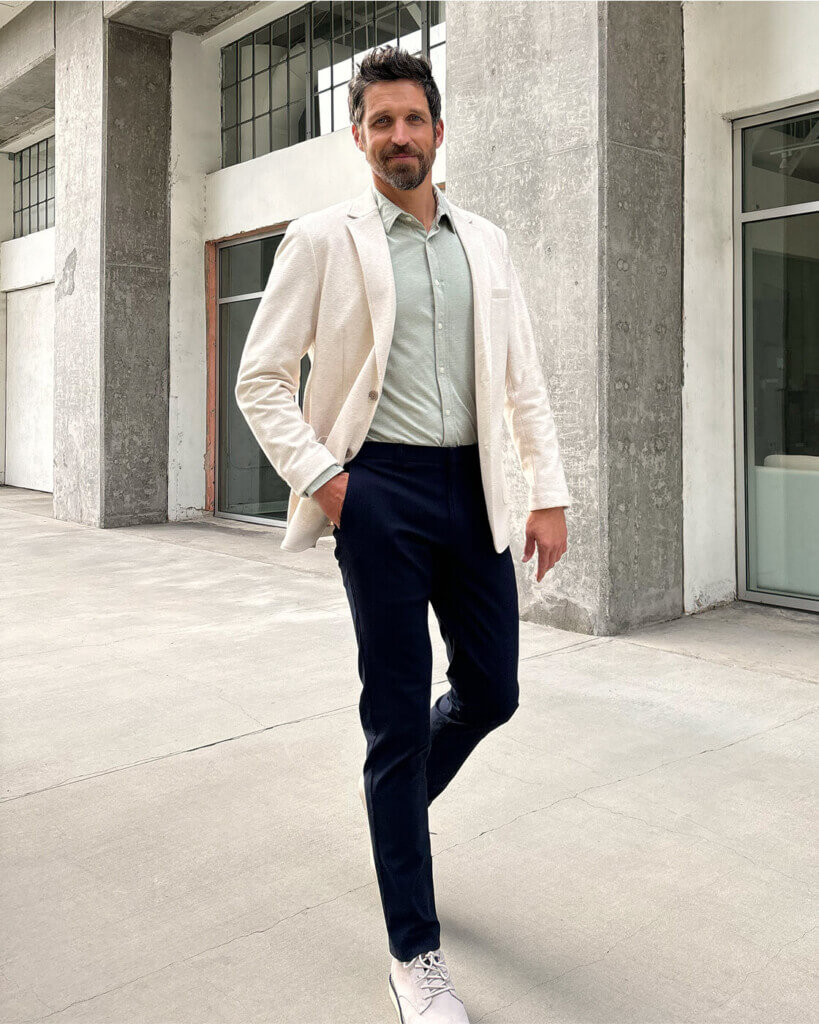
Credit: stefan-naas.de
Top Business Casual Outfit Ideas
Now that you know the key pieces, let’s look at some outfit combinations. These outfits work in most offices and can be adapted for different seasons.
Outfit 1: Classic Shirt And Chinos
- Light blue dress shirt
- Khaki chinos
- Brown leather belt
- Brown loafers
This outfit is timeless and works almost anywhere. Swap the shirt for white or gray for variety.
Outfit 2: Blazer And Dress Pants
- Navy blazer
- White dress shirt
- Gray dress pants
- Black oxford shoes
Adding a blazer creates a sharp look. You can remove the blazer during the day if it feels too formal.
Outfit 3: Sweater Layer
- White collared shirt
- Navy crew-neck sweater
- Tan chinos
- Dark brown shoes
Layering a sweater over a shirt adds warmth and style. V-neck sweaters also work well.
Outfit 4: Casual Friday
- Pale blue button-down shirt
- Dark, clean jeans (if allowed)
- Brown loafers
- Simple watch
Many offices allow jeans on Fridays. Make sure your jeans are slim, dark, and free of rips.
Outfit 5: Summer Business Casual
- Light gray short-sleeve shirt
- Navy chinos
- Tan loafers
Short sleeves can be business casual in warm weather. Avoid T-shirts; always choose collared shirts.
Outfit 6: Winter Business Casual
- Light blue dress shirt
- Charcoal wool trousers
- Gray cardigan
- Black derby shoes
Cardigans and wool pants keep you warm while looking professional.
Outfit 7: Modern Touch
- Patterned dress shirt (subtle checks)
- Olive chinos
- White leather sneakers (only if allowed)
- Minimalist belt
A patterned shirt and clean sneakers add a modern twist. Keep patterns subtle and shoes spotless.
Comparing Business Casual Vs. Formal And Casual
Understanding the differences between business casual, formal, and casual helps you avoid mistakes. Here is a comparison:
| Style | Key Features | Typical Items | Acceptable Shoes |
|---|---|---|---|
| Business Casual | Mix of professional and relaxed | Dress shirts, chinos, blazers | Loafers, oxfords, simple sneakers |
| Formal | Very polished, strict rules | Suit, tie, dress shirt | Black or brown dress shoes |
| Casual | Comfort first, no dress code | T-shirts, jeans, hoodies | Sneakers, sandals |
Business casual sits between formal and casual. It is less strict than formal, but much more polished than casual wear.

Credit: www.nilds.gov.ng
Building A Capsule Business Casual Wardrobe
A capsule wardrobe means having a few key pieces that mix and match easily. This saves money and space, and makes getting dressed simple.
Here is a sample capsule wardrobe for business casual:
| Item | Quantity | Color Choices | Notes |
|---|---|---|---|
| Dress Shirts | 3-5 | White, blue, gray | Choose long sleeves |
| Chinos | 2-3 | Khaki, navy, gray | Slim fit works best |
| Blazer | 1-2 | Navy, charcoal | Classic fit |
| Sweaters | 1-2 | Navy, black | Crew or V-neck |
| Dress Shoes | 1-2 | Brown, black | Loafers or oxfords |
| Accessories | 2-3 | Belts, watches | Keep it simple |
With these items, you can create dozens of outfits. Adding a patterned shirt or colored chinos gives you more options without breaking the business casual rules.
Common Mistakes In Business Casual
Even experienced professionals make mistakes with business casual. Avoid these errors for a polished look:
- Wearing wrinkled or dirty clothes. Always keep your clothing clean and pressed.
- Choosing very bold colors or loud patterns. Stick to classic shades and subtle prints.
- Wearing sneakers that look old or dirty. If your office allows sneakers, they must be spotless and stylish.
- Forgetting about fit. Baggy or very tight clothes look unprofessional. Tailor your items if needed.
- Ignoring accessories. A mismatched belt and shoes stand out. Match colors for a sharp style.
- Overdoing cologne or jewelry. Keep scents light and jewelry simple.
- Wearing athletic socks with dress shoes. Choose thin, neutral socks.
Tip: Take a photo of your outfit before leaving home. This helps you spot mistakes you might miss in the mirror.
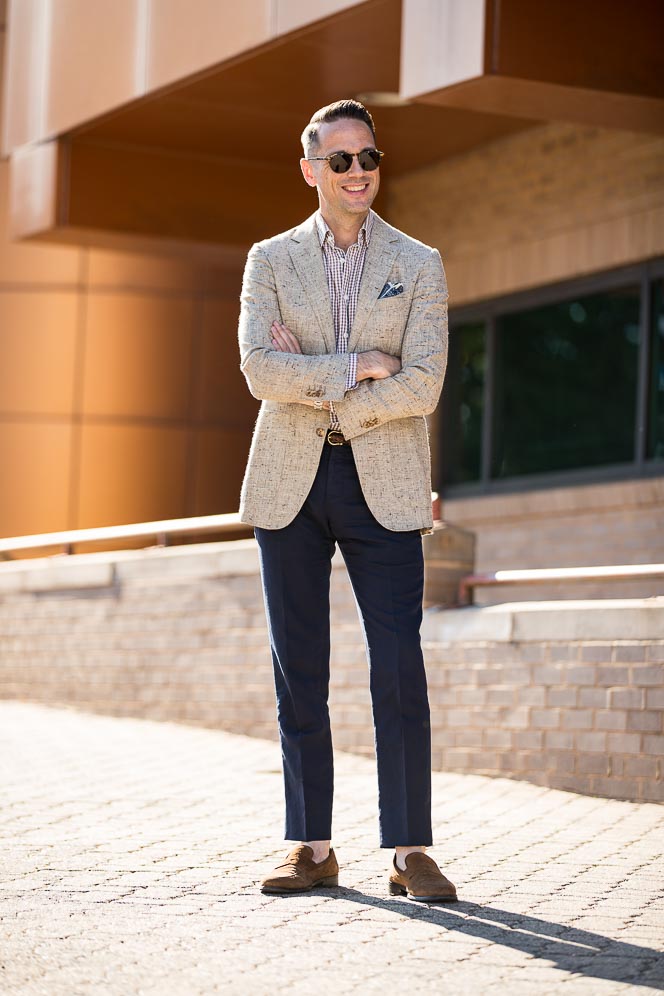
Credit: www.poseidonion.com
Business Casual For Different Body Types
Finding the right fit matters for every body type. Here are tips for three common builds:
| Body Type | Fit Advice | Best Items | What to Avoid |
|---|---|---|---|
| Lean | Slim or tailored fits | Chinos, fitted shirts | Very loose clothing |
| Athletic | Classic fits with room at shoulders | Blazers, stretch fabrics | Skinny pants |
| Fuller build | Straight cut pants, relaxed shirts | Dark colors, structured jackets | Very tight or shiny fabrics |
A good fit always looks more professional than expensive clothes that do not suit your body.
Business Casual For Different Seasons
Your business casual outfits should change with the weather. Here are tips for each season:
Spring
Light colors and breathable fabrics are best. Try pale shirts, khaki chinos, and lightweight blazers. Cotton is comfortable as temperatures rise.
Summer
Choose short-sleeve collared shirts, linen pants, and loafers. Avoid heavy fabrics. Keep colors light to stay cool.
Fall
Layer with sweaters, cardigans, and darker pants. Wool trousers and thicker shirts add warmth. Browns, grays, and deep blues fit this season.
Winter
Focus on warmth without losing style. Wool blazers, heavy trousers, and knit sweaters are perfect. Scarves and gloves can be added, but keep them simple.
Business Casual For Special Situations
Some situations call for a business casual twist. Here are tips for different events:
Job Interviews
Always lean more formal. Wear a blazer, dress shirt, and dress pants. Avoid jeans, even if the company allows them.
Presentations
Choose an outfit that stands out but stays professional. A navy blazer, white shirt, and gray pants work well.
Client Meetings
Dress to impress. Add a tie if you are not sure about the client’s dress code. Neutral colors are safe.
Office Parties
You can add a bit more personality. Try a patterned shirt or colorful socks, but keep the look clean.
Business Casual And Cultural Differences
Business casual rules change around the world. In some countries, jeans are never allowed. In others, a shirt without a collar is fine.
Tip: If you travel for work, research the local business dress code. Websites like Source Name offer guidance for many regions.
How To Upgrade Your Business Casual Style
If you want to stand out, small upgrades make a big difference. Here are two non-obvious ideas:
- Try layering with a vest. A simple vest over a shirt adds texture and style, especially in cooler months.
- Experiment with socks. Subtle patterns or colors can show personality without breaking dress rules, as long as they match your outfit.
Another smart upgrade is using tailored clothing. Even a simple shirt looks better when it fits perfectly. Many stores offer tailoring for a small fee.
Business Casual For Remote Work
Remote work changed business casual. Many men now dress business casual from the waist up for video calls.
Tips for remote business casual:
- Wear a collared shirt or sweater on camera.
- Avoid T-shirts, even if only your upper body is visible.
- Keep your background tidy to match your outfit.
Some companies relax rules for remote work, but looking professional builds trust and confidence.
Caring For Business Casual Clothes
Your business casual clothes will last longer if you care for them properly. Here’s how:
- Wash shirts and pants in cold water to avoid shrinking.
- Iron shirts or use a steamer for a crisp finish.
- Store blazers on wide hangers to keep their shape.
- Polish shoes regularly.
Tip: Rotate your outfits. Wearing the same shirt every day makes it wear out faster.
Shopping Tips For Business Casual
When shopping for business casual, keep these points in mind:
- Quality over quantity. Buy fewer, better-made pieces.
- Check the fit. Try before buying, or get items tailored.
- Look for wrinkle-free fabrics. Easy care saves time.
- Choose classic colors. Navy, gray, khaki never go out of style.
- Watch for sales. Good business casual items can be expensive, but sales offer deals.
Avoid buying trendy items that may not fit your workplace or may go out of style quickly.
Business Casual On A Budget
You do not need to spend a lot to look sharp. Here’s how to build your wardrobe affordably:
- Shop at outlet stores or online sales.
- Buy basic items in bulk (such as shirts or pants).
- Invest in one good blazer; you can wear it with many outfits.
- Use accessories (belts, watches) to upgrade cheaper clothes.
Tip: Thrift stores can have quality items at low prices. Look for name-brand shirts and jackets.
Frequently Asked Questions
What Colors Are Best For Business Casual?
Neutral colors like navy, gray, khaki, and white work best. They mix easily and look professional. You can add subtle patterns or small pops of color with accessories.
Can I Wear Jeans For Business Casual?
In some offices, dark, clean jeans are allowed. Avoid ripped, faded, or baggy jeans. Always check your company’s dress code before wearing jeans.
Are Sneakers Acceptable For Business Casual?
Simple, clean sneakers may be acceptable in some modern workplaces. Choose leather or minimalist styles and avoid athletic or flashy sneakers. Make sure they are spotless.
Do I Need To Wear A Blazer Every Day?
No, but a blazer is useful for meetings or special occasions. Most business casual looks work without a blazer, especially if you wear a crisp shirt and chinos.
How Can I Make My Business Casual Outfits Stand Out?
Add personality with accessories like watches, belts, or socks. Try layering with sweaters or vests. Tailored clothing always looks more polished and helps you stand out.
Business casual is about balance. Dress sharp, feel comfortable, and adjust your style as needed. With the right pieces and a bit of confidence, you will always look professional in any business casual setting.
