

Does Business Casual Include Shorts? Dress Code Explained
Does Business Casual Include Shorts?
Business casual dress codes are everywhere. You see them in offices, at conferences, and even in some trendy startups. But what does “business casual” really mean? And most importantly, does business casual include shorts? This question sounds simple, but the answer is more complex than you might think. Many people—especially those new to the workplace or moving between cultures—struggle with this dress code. If you’re unsure about what counts as business casual, you’re not alone.
Let’s break down the real meaning of business casual, explore the role of shorts in this dress code, and help you make smart decisions for your workplace. This guide gives you practical advice, real examples, and clear comparisons. By the end, you’ll know exactly when—and if—shorts fit into business casual.
What Is Business Casual?
Business casual is a dress code that mixes professional clothing with relaxed, comfortable pieces. It’s less formal than traditional business attire, but it’s not as casual as jeans and T-shirts. Business casual aims to create a look that is neat, tidy, and appropriate for a professional setting, without being overly strict.
This style was designed to help people feel comfortable at work, especially as offices became less formal. With business casual, you no longer need to wear a suit and tie every day, but you still need to look polished.
Key Elements Of Business Casual
- Collared shirts (like polo shirts or button-downs). Collared shirts are a staple because they look neat and presentable. Patterns are usually simple—solid colors or subtle stripes.
- Dress pants or khakis. These are often made from cotton or a blend, offering comfort and a professional look. Pleated or flat-front styles are both common.
- Skirts (usually knee-length or longer). Pencil skirts or A-line skirts are safe choices. Avoid anything too short or too tight.
- Closed-toe shoes. Loafers, oxfords, or ballet flats are typical. Open-toe shoes are less common unless the company specifically allows them.
- Blazers (optional). A blazer instantly adds formality. Even if your office doesn’t require one, a blazer can help you look polished for important meetings.
- Sweaters. Cardigans or pullover sweaters in solid colors or simple patterns fit well with business casual.
What you won’t find in business casual: ripped jeans, graphic tees, flip-flops, or athletic wear. These are almost always too casual.
Some offices also discourage loud prints, oversized jewelry, or flashy accessories. Business casual is about looking professional without being boring or uncomfortable.
Why Is Business Casual Popular?
Many companies want employees to feel comfortable, but they also want to project a professional image. Business casual is a balance between looking sharp and feeling relaxed. It’s a way to encourage productivity and creativity without enforcing strict rules.
A survey by Gallup found that companies with relaxed dress codes reported higher job satisfaction and more positive workplace cultures. However, some managers worry that too much freedom can lead to confusion and mistakes.
Business casual is also popular because it helps companies attract younger talent. Many younger workers want flexibility in their dress and work styles. Companies that offer business casual often appear modern and progressive.
Another benefit is cost. Employees spend less money on expensive suits and dry cleaning, making business casual easier to maintain.
Shorts In Business Casual: The Core Debate
Shorts are comfortable, practical, and great for warm weather. But are they business casual? The answer depends on several factors: company culture, industry standards, local climate, and the style of the shorts themselves. Let’s explore each of these factors.
Shorts are a unique item because they cross the line between casual and professional. In some offices, tailored shorts are seen as creative and modern. In others, shorts are considered sloppy or too relaxed.
Company Culture
Some workplaces are more relaxed than others. Creative industries (like advertising, tech, or design) often allow more freedom in dress. In these places, you might see people wearing shorts, especially during summer. However, in more traditional fields—such as finance, law, or government—shorts are rarely considered business casual.
Company culture is shaped by leadership, employee preferences, and even the company’s location. For example, a startup in San Francisco may allow shorts, while a bank in New York would not. If your company hosts client meetings or formal events often, shorts may be discouraged.
Another factor is how often dress code violations are enforced. In some relaxed offices, people wear shorts with little pushback. In others, HR or managers may remind employees to follow stricter guidelines.
Industry Standards
Business casual means different things in different industries. Here’s a quick comparison:
| Industry | Typical Business Casual | Shorts Allowed? |
|---|---|---|
| Finance | Button-downs, slacks, skirts | No |
| Tech | Polo shirts, jeans, khakis | Sometimes |
| Creative | T-shirts, trendy pants, skirts | Often |
| Healthcare | Scrubs, professional attire | No |
| Education | Polo shirts, slacks | Rarely |
Industry standards are often based on tradition. Finance and law firms have strict dress codes because they want to show reliability and trust. Tech and creative fields focus more on comfort and innovation, so they allow more relaxed clothing.
Even within an industry, there can be differences. For example, a marketing department in a large company may dress more casually than the accounting department.
Local Climate
Weather matters. In hot regions, some companies relax their dress codes to allow shorts. However, even in these places, shorts usually need to be tailored and professional-looking.
For example, offices in Miami or Sydney may allow shorts when temperatures rise above 90°F (32°C). Companies sometimes make exceptions during heatwaves, but they still want employees to look neat.
In colder climates, shorts are rarely seen except on special occasions. The climate can also influence color and material choices—for example, lighter fabrics in tropical regions.
Some companies also allow shorts for outdoor events, such as company picnics or team-building days, but not inside the office.
Style Of Shorts
Not all shorts are equal. The style, length, and material make a big difference. Here’s what to look for if you want to wear shorts in a business casual setting:
- Length: Should be knee-length or just above the knee. Avoid very short shorts.
- Fit: Should be tailored, not baggy or tight.
- Material: Choose structured materials like cotton, linen, or blends. Avoid athletic, denim, or cargo shorts.
- Color: Neutral colors (navy, black, beige, gray) are safest.
The style of shorts can affect how you are perceived. Tailored shorts look much more professional than cargo or athletic shorts. If you’re unsure, look at what your managers and colleagues wear.
Some companies allow Bermuda shorts, which are longer and more structured. Avoid shorts with loud patterns or large pockets, as they can make your outfit look less professional.
Comparing Shorts To Other Business Casual Options
Shorts can be tricky, but how do they compare to other business casual choices? Let’s look at the main alternatives and see where shorts stand.
| Item | Acceptability | Formality Level | Comfort |
|---|---|---|---|
| Dress pants | High | High | Moderate |
| Khakis | High | Moderate | High |
| Skirts | High | High | Varies |
| Shorts | Low to Moderate | Low | High |
| Jeans | Moderate | Low | High |
Shorts offer high comfort but score lower in formality. They are not always acceptable, especially in places where tradition matters.
Dress pants and khakis are safe choices because they fit both formal and casual settings. Skirts can be comfortable but depend on length and fit. Jeans are sometimes allowed, but they must be clean and free of rips.
Another important factor is the ability to mix and match. Dress pants and skirts pair well with most tops and shoes. Shorts require careful styling to avoid looking too casual.
Examples Of Shorts In Business Casual
Many companies have tried to include shorts in their business casual dress codes, especially during summer or in tropical climates. Here are a few examples:
- Tech Startups: Some startups in Silicon Valley allow shorts, especially tailored ones. Employees pair them with polo shirts or button-downs and loafers. The office culture is relaxed, but employees still aim to look neat and tidy.
- Creative Agencies: In advertising and design firms, shorts are sometimes seen as trendy. They are often paired with stylish shirts and smart sneakers. Shorts may even be part of the creative “brand” of the company.
- Retail and Hospitality: Some hotels and resorts allow staff to wear shorts as part of their uniform, especially in outdoor roles. The shorts are usually matched with company shirts and name tags to ensure a professional look.
- Educational Institutions: On college campuses, shorts are sometimes allowed for staff during summer months, but usually with strict guidelines. For example, staff may only wear shorts on specific “casual days.”
- Corporate Casual Fridays: Some companies relax their dress codes on Fridays. In rare cases, tailored shorts are permitted. Employees must still follow guidelines about length and fit.
Real Mistakes Companies Make
One non-obvious insight: When companies try to include shorts in business casual, they often fail to set clear rules. This leads to confusion and even embarrassment. For example, a company might say “shorts are allowed,” but not specify the length or style. As a result, employees wear athletic shorts or denim cut-offs, which are too casual.
Another common mistake: Employers forget to check how clients or visitors see their staff. If a client expects formality, seeing employees in shorts can hurt the company’s image.
Some companies overlook the impact on team morale. If some employees wear shorts and others don’t, it can create tension or confusion. Having clear, written guidelines helps everyone understand what is expected.
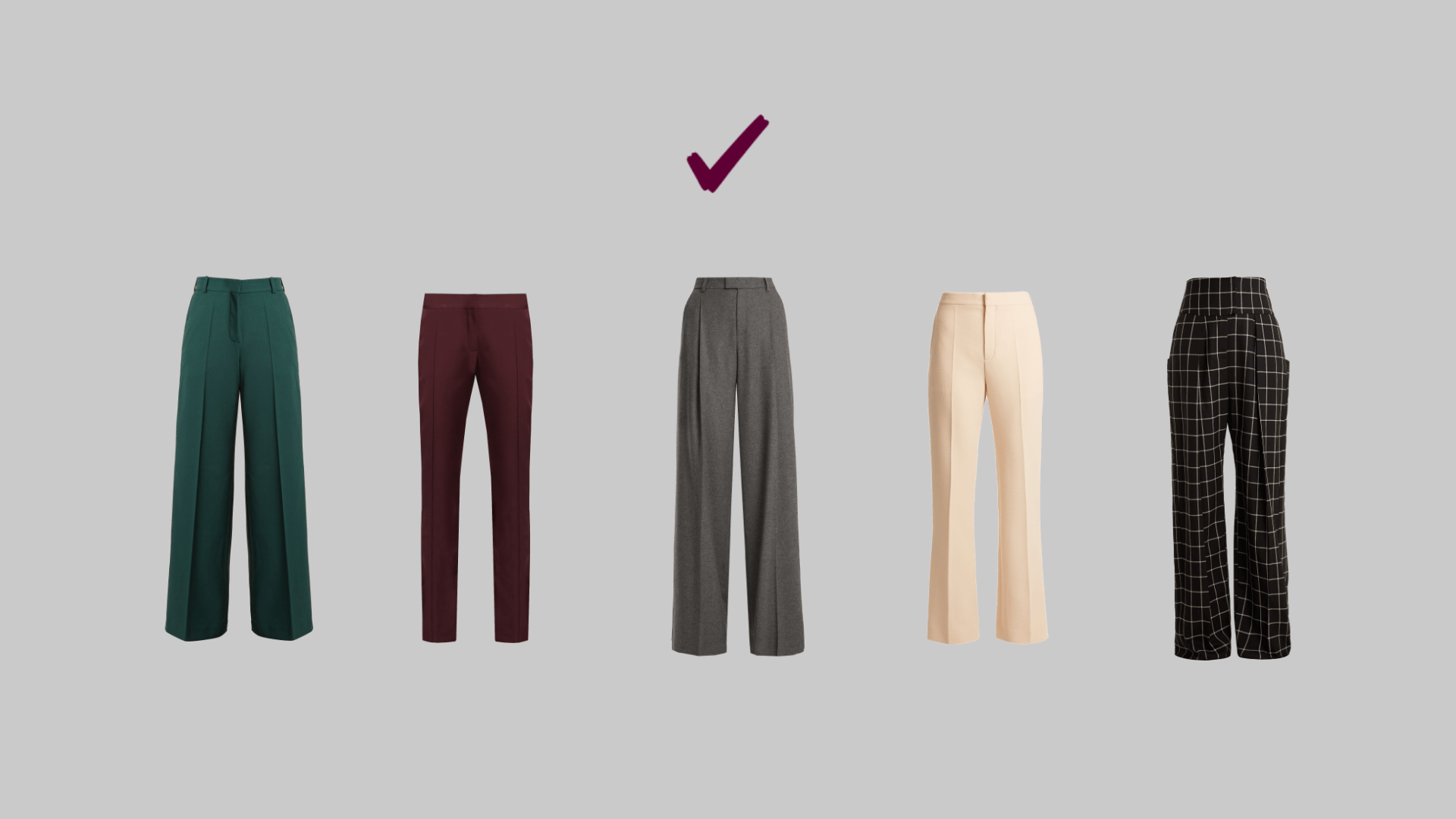
Credit: wonder-wardrobe.com
Practical Guidelines: When Are Shorts Business Casual?
If you’re thinking about wearing shorts to work, ask yourself these questions:
- Does your company allow shorts? Check the dress code policy. If the policy is unclear, ask HR or your manager for guidance.
- Is your role client-facing? If you meet clients, stick to traditional business casual. Shorts may be too informal for meetings or presentations.
- Is the weather extremely hot? Some companies relax rules in summer. Look for any temporary dress code updates during heatwaves.
- Are your shorts tailored and professional? Avoid baggy, tight, or athletic styles. Well-fitted shorts look much more professional.
- What do your colleagues wear? Follow the office culture. If you see managers wearing shorts, it’s probably acceptable.
Another smart tip: Bring backup clothing. If you wear shorts and feel uncomfortable or notice you stand out, have pants or a skirt ready.
How To Choose The Right Shorts
If your company allows shorts, here’s how to pick a pair that fits business casual:
- Length: Aim for shorts that end just above the knee.
- Fit: Choose a slim, tailored cut.
- Material: Cotton, linen, or lightweight blends work well.
- Color: Stick to neutrals—avoid bright colors or loud patterns.
- Details: Avoid large pockets, visible logos, or distressed fabrics.
You can also improve your business casual look by pairing shorts with a dressy top and smart shoes. For example, a button-down shirt and loafers help balance the casual nature of shorts.
Dress Code Policies: What Do Real Companies Say?
Many companies publish their dress codes online. Let’s compare some real policies.
| Company | Dress Code Policy | Shorts Included? |
|---|---|---|
| Casual and comfortable, but neat | Yes, with guidelines | |
| JP Morgan | Professional attire, business casual allowed | No |
| Airbnb | Business casual, flexible | Sometimes |
| Hilton Hotels | Uniforms or business casual | Outdoor roles only |
| Harvard University | Business casual for staff | Rarely |
As shown, tech and creative companies are more open to shorts. Finance and law firms rarely allow them.
Some companies update their dress codes seasonally. For example, Google may allow shorts during summer but set limits on style and length. Hilton Hotels only allows shorts for staff working outside, like pool attendants.
The Impact Of Shorts On Professional Image
Wearing shorts can change how people see you at work. In some environments, shorts suggest relaxation and creativity. In others, they may signal a lack of seriousness.
Employees who wear shorts may be seen as more approachable, but they risk being seen as less professional. If your office values tradition, shorts can be a risky choice.
Data: Perception Of Shorts
A poll by SHRM found that 68% of HR managers felt shorts were too casual for most workplaces. Only 12% said shorts could fit business casual if styled properly.
But in startups and creative agencies, 34% of managers said shorts were acceptable during summer, as long as they looked professional.
Some managers also worry about fairness. If one employee wears shorts and another cannot due to their role or gender, it can cause issues. Clear policies help avoid misunderstandings.
Non-obvious Insight: Shorts And Career Growth
If you’re aiming for a promotion or want to make a good impression, it’s safer to avoid shorts unless your company clearly allows them. Leaders and managers often judge employees by appearance, especially in traditional fields.
Another detail: Some employees wear shorts to signal they are “part of the team” in creative offices. In these environments, shorts can show you understand the culture. In other offices, shorts may make you seem less ready for leadership roles.
Shorts In Different Countries
Dress codes aren’t the same worldwide. In Europe, business casual is more formal than in the US. Shorts are rarely seen in offices. In Australia and tropical Asia, shorts are more common, especially during hot months.
Shorts are also seen differently in Latin America and Africa, where climate and culture play a role. For example, in tropical African cities, tailored shorts are sometimes allowed in creative companies.
Example: Australia Vs. Us
Australian companies often allow shorts for men and women during summer, especially in creative roles. In the US, shorts are mainly seen in tech or startup environments.
European companies rarely allow shorts, except for special events or outdoor roles. In some Asian countries, shorts are allowed for junior staff but not managers.
:max_bytes(150000):strip_icc()/062525-shorts-to-work-lead-b00f2aba13e448ba9914a48eb2400fde.jpg)
Credit: www.instyle.com
The Role Of Gender In Business Casual Shorts
Men and women face different expectations when it comes to shorts. Women can sometimes wear tailored shorts or skorts, especially in creative fields. Men are usually expected to wear pants or khakis.
Gender expectations are changing, but traditional views still shape dress codes. Women’s shorts are often seen as more acceptable if paired with dressy tops and shoes.
Women’s Shorts In Business Casual
- Tailored shorts: Sometimes allowed, usually with a blazer or dressy top
- Skorts: More accepted, especially in summer
- Length and fit: Must be conservative
Women can also wear shorts with tights or leggings in some offices, making the outfit look more formal.
Men’s Shorts In Business Casual
- Tailored shorts: Rarely allowed, mostly in creative or tech roles
- Athletic shorts: Never business casual
- Cargo shorts: Not acceptable
Men should pair shorts with collared shirts and formal shoes to look more professional. Avoid pairing shorts with T-shirts or sneakers unless the company allows it.
How To Ask About Shorts At Work
If you’re unsure, the best approach is to ask your manager or HR team. Here’s how:
- Be direct: “Are tailored shorts allowed in our business casual dress code?”
- Show awareness: “I’ve seen some colleagues wearing shorts. Is there a guideline for length and style?”
- Be respectful: “I want to follow the dress code and maintain a professional appearance.”
Asking early helps avoid mistakes. If your company doesn’t have written guidelines, suggest creating them. This helps everyone feel comfortable and avoids misunderstandings.
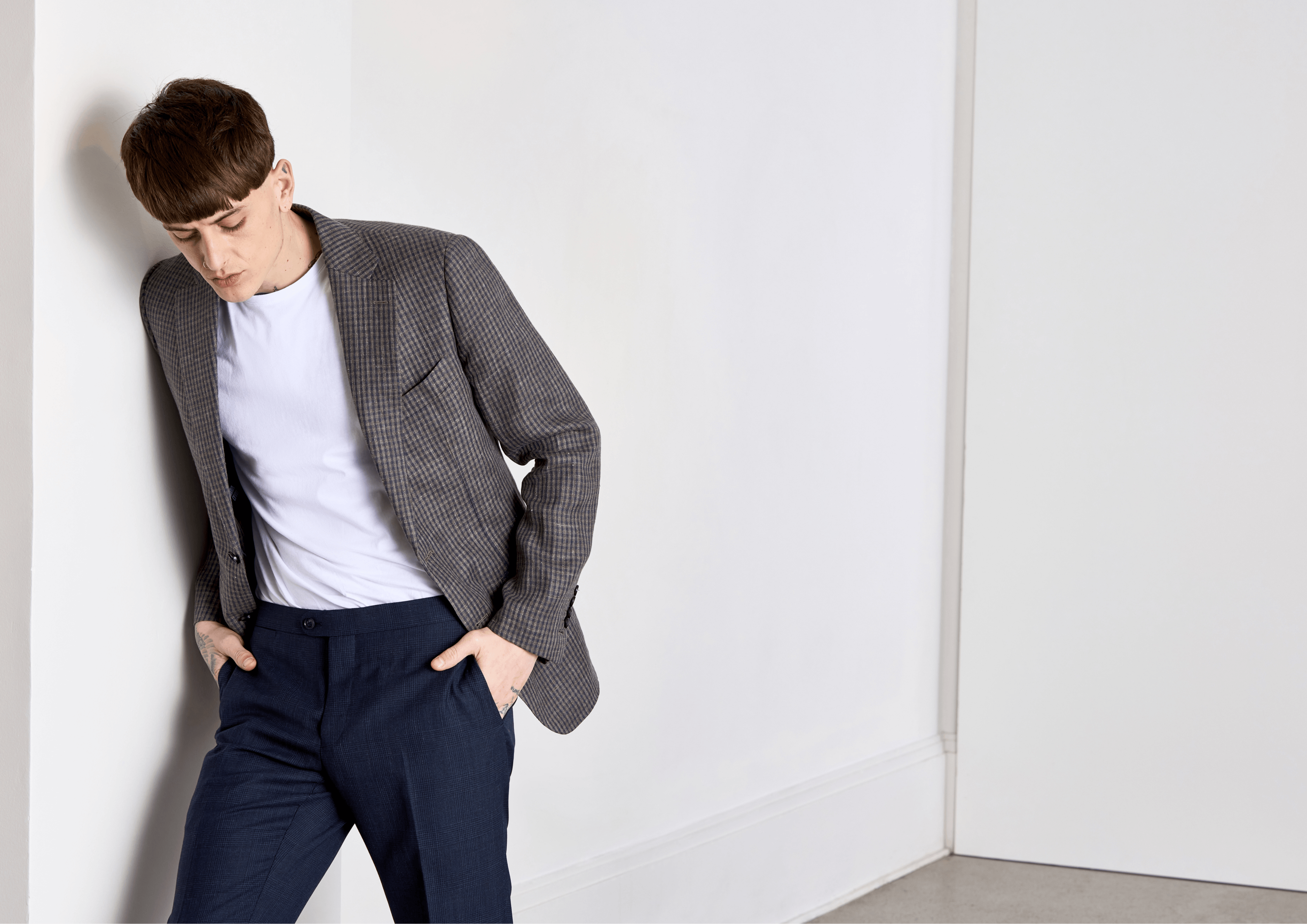
Credit: godwincharli.com
Alternatives To Shorts For Hot Weather
If shorts aren’t allowed, you still have options for staying cool:
- Lightweight trousers: Linen, cotton, or blends. These materials are breathable and comfortable for hot days.
- Capri pants: For women, sometimes allowed. Capri pants are shorter than trousers but more formal than shorts.
- Skirts: Knee-length or longer. Choose skirts with light materials.
- Loose-fitting tops: Breathable fabrics. Avoid thick or heavy shirts.
- Dress shoes: Choose comfortable, light footwear. Look for shoes made from canvas or light leather.
Another idea: Wear layers. You can add a blazer or sweater when needed, then remove it for comfort.
Shorts In Remote And Hybrid Work
With remote work, dress codes have become more relaxed. Many people wear shorts at home, even during video calls. For hybrid roles, check if the office expects traditional business casual.
Some companies don’t mind what you wear on video calls, as long as you look professional from the waist up. However, if you need to attend meetings in person, follow the office dress code.
Common Mistake: Over-relaxing Dress Code
Some employees forget that video calls can show their shorts. If you need to stand up during a call, make sure your attire matches business casual standards.
A non-obvious tip: If you’re unsure, wear pants for important video meetings. This helps avoid embarrassment if you need to move or adjust your camera.
Summary: Should You Wear Shorts As Business Casual?
Shorts can be part of business casual in some modern workplaces, but not in all. It depends on company culture, industry, climate, and the style of shorts. Always check your company’s policy, look at what colleagues wear, and choose professional-looking shorts if allowed.
Remember: Comfort is important, but so is professionalism. When in doubt, stick to traditional business casual options.
If you want more guidance on dress codes, visit SHRM’s Dress Code Resources.
Frequently Asked Questions
What Makes Shorts Business Casual?
Shorts are business casual only if they are tailored, knee-length, and made from structured materials. Avoid athletic, cargo, or denim shorts. Pair them with a collared shirt and closed-toe shoes.
Adding a blazer or sweater can help make shorts look more professional. Avoid pairing shorts with informal tops or sandals.
Can Women Wear Shorts In Business Casual Workplaces?
Women can sometimes wear tailored shorts or skorts in creative or relaxed workplaces. The shorts should be conservative in length and fit. Always check company guidelines.
Women may also wear shorts with tights or formal shoes to improve their look. Avoid shorts with flashy prints or decorations.
Are Shorts Ever Allowed In Finance Or Law Firms?
Almost never. These industries have strict dress codes. Shorts are considered too informal, even on casual Fridays.
Even in finance companies with casual Fridays, employees are expected to maintain a neat and professional appearance.
How Can I Ask My Manager If Shorts Are Allowed?
Be direct and polite. Say, “Are tailored shorts allowed in our business casual dress code? ” If unsure, ask for details about acceptable length and style.
If you see colleagues wearing shorts, ask if there are written rules or guidelines.
What Are Alternatives To Shorts For Hot Weather?
Try lightweight pants, skirts, capris (for women), or breathable tops. Linen and cotton fabrics help you stay cool while keeping a professional look.
Choose light shoes and avoid thick socks for extra comfort.
Business casual is always changing. With this guide, you can make smart choices and feel confident—no matter what your company’s policy says about shorts.
