

Can You Wear Business Casual to an Interview? Expert Tips
Can You Wear Business Casual To An Interview
First impressions matter more than many people realize, especially when walking into a job interview. Your clothes send a message before you say a single word. Many candidates wonder if business casual is acceptable for an interview or if they should aim for something more formal. The answer isn’t always simple. The right choice depends on the company, the role, and even where you are in the world. This article will help you understand when business casual is appropriate, how to decide, and how to make sure your outfit supports your confidence and chances.
What Is Business Casual?
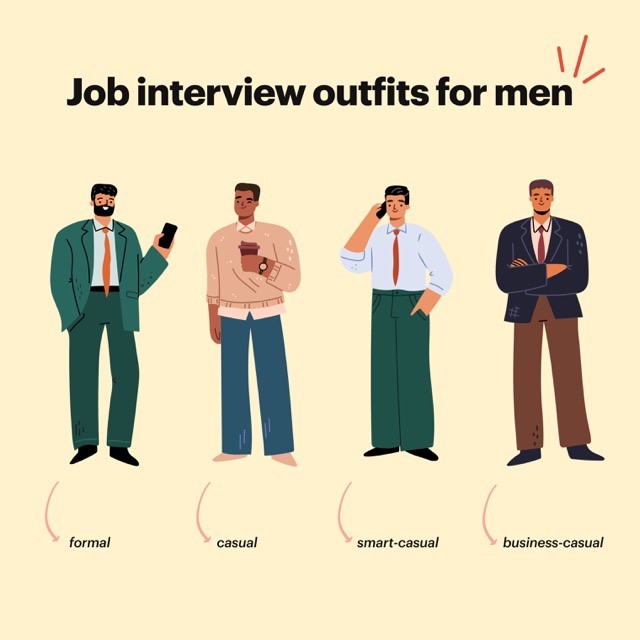
Business casual is a style that blends professionalism with comfort. It stands between formal business wear and casual clothes. But there’s confusion about what counts as business casual, so let’s break it down.
Typical Business Casual Items
For men:
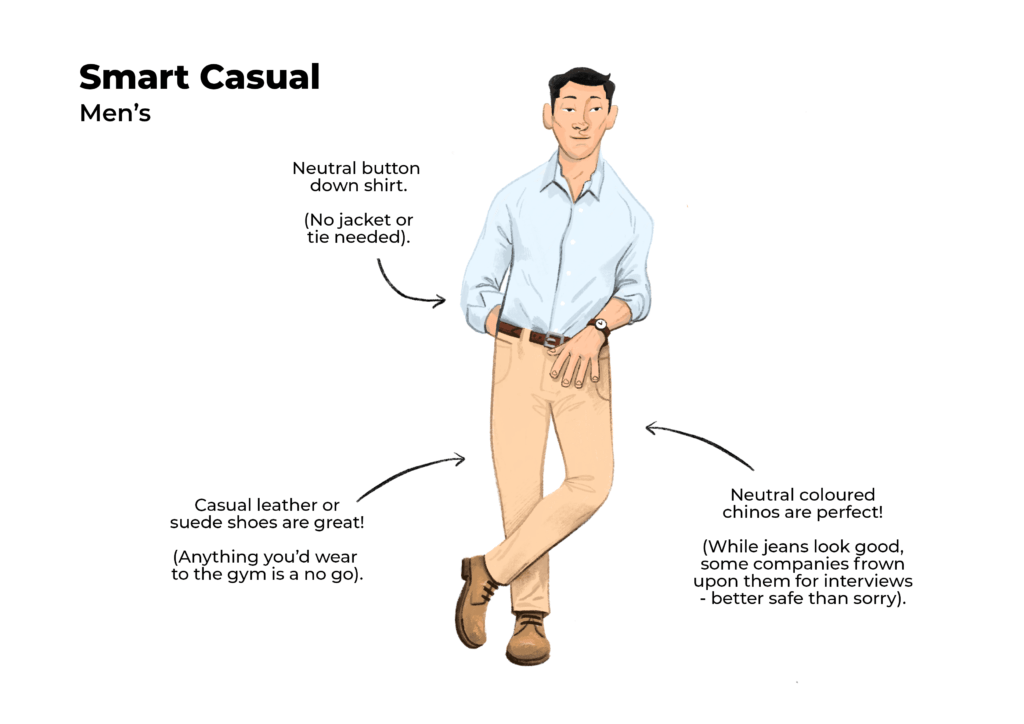
- Dress slacks or khakis
- Button-down shirts (with or without a tie)
- Blazers or sweaters
- Leather shoes (not sneakers)
For women:
- Dress slacks, skirts, or tailored dresses
- Blouses or sweaters
- Closed-toe shoes (flats or low heels)
- Simple jewelry
Jeans, T-shirts, shorts, and athletic shoes usually do not fit business casual.
Common Mistakes
Many people think business casual means “anything but a suit.” This is not true. Wearing clothes that are too relaxed—like polo shirts, bright sneakers, or distressed jeans—can send the wrong signal. Business casual always looks neat, tidy, and thoughtful.
Why Interview Attire Matters
Choosing what to wear for an interview is not just about looking good. It’s about showing respect and fitting into the company culture. Studies show that appearance affects how interviewers judge candidates. According to a survey from CareerBuilder, 49% of employers said that dressing improperly was a reason for not hiring someone.
Your clothes can:
- Show you understand professional standards
- Help build confidence
- Support your ability to fit into the team
Dressing too casually can make you seem less serious. Dressing too formally can make you look out of touch. The key is to match your outfit to the expectations of the company and the role.
Understanding Company Culture
Company culture is the set of values, norms, and practices inside a workplace. Some companies, like banks and law firms, expect formal business wear. Others, like tech startups, may encourage more relaxed clothing.
How To Research Company Dress Codes
Before your interview, check the company’s website and social media. Look at photos of employees. If you know someone who works there, ask them. Job postings sometimes include hints about dress code.
If you’re not sure, it’s safer to dress slightly more formal than you think is needed.
Examples Of Different Cultures
- Corporate offices: Suits and ties, formal dresses
- Tech startups: Business casual, sometimes even jeans and T-shirts
- Creative agencies: Trendy business casual, unique accessories
- Retail stores: Polished but relaxed
You can often find company dress code policies on their official sites. For example, Forbes Business Council explains how dress codes are changing in many industries.
Comparing Interview Attire: Business Casual Vs. Formal
Let’s look at the differences between business casual and formal business attire.
| Aspect | Business Casual | Formal Business |
|---|---|---|
| Men's Clothing | Dress slacks, button-down shirt, optional blazer | Suit and tie |
| Women's Clothing | Dress pants/skirt, blouse, cardigan/blazer | Pant suit or skirt suit |
| Shoes | Leather dress shoes, loafers | Formal dress shoes |
| Accessories | Minimal jewelry | Professional, understated jewelry |
| Overall Look | Polished but relaxed | Very polished, traditional |
Business casual is easier to wear and often feels more comfortable. Formal attire is stricter and sends a message of authority.
When Is Business Casual Appropriate For Interviews?
There is no single answer for every job. Here are situations when business casual is usually safe:
- Interviews at startups: Most startups value comfort and practicality.
- Creative roles: Jobs in design, marketing, or media may expect more relaxed dress.
- Retail or hospitality: Some companies want employees to be approachable.
- Second or follow-up interviews: If the first interview was casual, you can match their style.
However, for roles in banking, law, government, or top management, business formal is often expected.
Non-obvious Insight: Company Events
If you are invited for a group interview or a company tour, the dress code may be more relaxed. But you should still look polished.
Non-obvious Insight: Virtual Interviews
For video interviews, business casual is often acceptable. But avoid overly casual clothes—even if you are at home.
Risks Of Wearing Business Casual
Wearing business casual to an interview can be risky if you guess wrong. Here are the main risks:
- Looking underdressed: If you show up in business casual and others are in suits, you may seem less prepared.
- Sending the wrong message: Your outfit may signal you don’t understand the company culture.
- Missing details: If your clothes are clean but not ironed, or your shoes are scuffed, it hurts your impression.
If you are unsure, it’s better to be a little more formal.
How To Decide What To Wear
Here are steps to help you choose:
- Research the company: Look at photos and videos online.
- Ask HR or your contact: If you have a recruiter, ask about the dress code.
- Think about the role: Senior positions or client-facing jobs need more formal attire.
- Consider the location: Big cities often expect more formal wear than small towns.
- Remember the industry: Finance and law are more formal than tech or creative industries.
Example Decision Process
Suppose you have an interview at a tech company. You search their website and see photos of employees wearing jeans and T-shirts. You email HR, and they say “smart casual is fine. ” In this case, business casual (like slacks and a button-down shirt) is appropriate.
For a bank, even if the office looks relaxed, it’s safer to wear a suit.
Dressing For Different Types Of Interviews
Different interviews call for different styles.
In-person Interviews
Dress slightly more formally than everyday employees. If employees wear business casual, you can too, but make sure your clothes are neat and pressed.
Video Interviews
Choose colors that look good on camera. Avoid bright patterns. Make sure your background is tidy.
Group Interviews
Business casual is usually safe, but pay attention to how others dress.
Second Interviews
If the first interview was casual, you can match the style. If it was formal, stick with formal wear.
Business Casual Dos And Don’ts
Here are practical tips for getting business casual right.
Dos
- Choose neutral colors (black, navy, gray, beige)
- Wear clean, pressed clothes
- Use simple accessories
- Wear closed-toe shoes
- Keep hair neat
Don’ts
- Avoid jeans, shorts, or sandals
- Don’t wear flashy jewelry
- Skip loud patterns or bright colors
- Don’t show too much skin
- Avoid wrinkled or stained clothes
Common Mistakes In Business Casual Interview Attire
Some mistakes are easy to make, especially if you’re new to business casual.
- Wearing sneakers: Even stylish sneakers are too casual.
- Choosing busy patterns: Stick to solid colors or simple prints.
- Ignoring grooming: Hair, nails, and shoes matter.
- Over-accessorizing: Too many accessories can distract.
- Misjudging fit: Clothes that are too tight or too loose look sloppy.
- Assuming all companies are casual: Always check first.
Credit: www.cvmaker.com
Data: What Employers Say About Interview Attire
Surveys show that most employers notice what candidates wear.
- 49% of hiring managers say clothes impact their decision.
- 65% of candidates wear business formal, even in casual companies.
- 75% of recruiters recommend dressing more formally than current employees.
The message is clear: it’s better to be slightly overdressed than underdressed.
Business Casual For Men: Examples And Tips
Men often have more choices in business casual. Here are examples and tips.
Classic Business Casual Outfit
- Dress slacks (navy or gray)
- Light-colored button-down shirt
- Leather belt
- Loafers or dress shoes
- Optional blazer
Tips For Men
- Make sure your shirt is ironed.
- Avoid loud ties or pocket squares.
- Wear socks that match your pants.
- Keep facial hair trimmed.
What To Avoid
- Polo shirts
- Athletic shoes
- Jeans (unless the company allows them)

Credit: www.youtube.com
Business Casual For Women: Examples And Tips
Women’s business casual gives more flexibility, but also more chances for mistakes.
Classic Business Casual Outfit
- Knee-length skirt or tailored pants
- Simple blouse or sweater
- Closed-toe flats or low heels
- Minimal jewelry
Tips For Women
- Choose a bag that looks professional.
- Avoid sleeveless tops unless paired with a cardigan or blazer.
- Stick to soft colors and simple patterns.
What To Avoid
- Tight or short skirts
- Open-toe shoes
- Bold accessories
Regional Differences In Business Casual
In big cities, business casual often means more formal. In smaller towns or creative industries, it can be more relaxed.
Example: New York Vs. Silicon Valley
| Location | Common Business Casual | Level of Formality |
|---|---|---|
| New York City | Slacks, blazer, button-down | High |
| Silicon Valley | Khakis, polo, sweater | Medium |
If you’re interviewing in a city known for fashion or finance, err on the side of formal.
How To Prepare Your Business Casual Outfit
Planning your outfit ahead of time helps avoid mistakes. Here’s how to prepare:
- Try everything on: Make sure it fits well.
- Check for stains or wrinkles: Clean and iron clothes.
- Choose accessories: Pick simple, professional items.
- Lay out clothes the night before: Save time and stress.
Packing Tips For Traveling
If your interview is in another city, pack an extra shirt or blouse. Bring a lint roller and travel-size iron.
Business Casual For Different Seasons
The weather affects your choices. Here’s how to adjust:
Spring/summer
- Light fabrics (cotton, linen)
- Avoid short sleeves unless paired with a jacket
- Choose lighter colors
Fall/winter
- Layer with sweaters or blazers
- Wear darker colors
- Choose thicker fabrics
Rainy Days
- Bring a neat umbrella
- Avoid wet shoes
What To Do If You’re Not Sure
If you’re unsure about the dress code, here are steps:
- Ask: Contact HR or your interviewer.
- Dress slightly more formal: It’s safer.
- Prepare a backup: Bring a blazer or jacket.
- Watch for cues: Notice what employees wear as you arrive.
Non-obvious Insight: Accessories Matter More Than You Think
Accessories such as belts, bags, and watches can make your outfit look more professional. Even simple things like a neat notebook or portfolio can help.
Credit: cultivatedculture.com
Interview Attire For Special Cases
Some industries have unique expectations.
Tech Startups
Business casual is usually fine, but avoid jeans unless you’re sure.
Creative Agencies
You can add a bit of personality, like a colorful scarf or statement necklace, but keep it subtle.
Customer-facing Roles
Dress more formally than you would for a back-office job.
How Business Casual Impacts Confidence
Wearing clothes that fit well and look professional can boost your confidence. Studies show that people feel more competent in professional clothes. This can help you speak clearly and answer questions better.
Business Casual For Entry-level Vs. Senior Roles
Entry-level jobs often allow more relaxed clothes. Senior roles require more authority.
Entry-level
- Simple, neat business casual
- Avoid bold statements
Senior Roles
- Add a blazer or suit jacket
- Use classic colors
Business Casual: What Interviewers Look For
Interviewers want to see that you:
- Take the interview seriously
- Understand the company culture
- Can represent the company well
If your clothes fit these points, you’re on the right track.
Quick Checklist Before Your Interview
- Are your clothes clean and pressed?
- Do your shoes look polished?
- Is your hair tidy?
- Are your accessories simple?
- Does your outfit match the company culture?
Business Casual Vs. Smart Casual
Some companies use the term smart casual. Here’s how it compares.
| Aspect | Business Casual | Smart Casual |
|---|---|---|
| Formality | Professional, but relaxed | More relaxed, can include jeans |
| Men's Example | Slacks, button-down | Dark jeans, polo shirt |
| Women's Example | Skirt, blouse | Casual dress, sandals |
| Occasion | Most interviews | Creative, informal workplaces |
For interviews, stick with business casual unless you know smart casual is acceptable.
How To Stand Out In Business Casual
You can stand out by:
- Wearing clothes that fit perfectly
- Choosing classic colors
- Using a neat bag or portfolio
- Keeping shoes clean
- Smiling and showing confidence
Common Questions And Myths
Many people believe myths about interview attire.
- Myth: “Everyone wears jeans now.” Reality: Most companies expect more.
- Myth: “It’s rude to ask about dress code.” Reality: It’s smart to ask.
- Myth: “Business casual is boring.” Reality: You can show personality with accessories.
Frequently Asked Questions
Is Business Casual Always Safe For Interviews?
Business casual is safe for many interviews, but not all. In formal industries like banking or law, a suit is better. Always check the company culture before choosing your outfit.
What If I Arrive And Others Are Dressed More Formally?
If you find yourself underdressed, stay confident. Focus on your answers and body language. Next time, aim for more formal wear.
Can I Wear Jeans In A Business Casual Interview?
Usually, jeans are not recommended unless you’re sure the company allows them. Even then, choose dark, clean jeans with a smart shirt.
Should I Wear A Tie With Business Casual?
A tie is optional in business casual. If you’re unsure, bring a tie and put it on if others are wearing one.
Does Business Casual Include Accessories?
Yes, but keep them simple. Choose a classic watch, minimal jewelry, and a neat bag. Avoid bright or flashy items.
Walking into an interview with the right clothes is about more than fashion. It shows you respect the process and understand the company. Business casual can be the perfect choice in many situations, but always check and prepare. Make your outfit neat, simple, and professional, and let your confidence shine.
