

Does a Rash Guard Help Keep You Warm: Ultimate Comfort Guide
Have you ever wondered if a rash guard can do more than just protect your skin? If you spend time in the water or outside in cooler weather, you might ask yourself: does a rash guard actually help keep you warm?
The answer might surprise you. Understanding how this simple piece of gear works could change the way you dress for your next adventure. Keep reading, and you’ll discover why your rash guard might be your secret weapon against the cold.

Credit: swimzip.com
Rash Guards Basics
Rash guards are popular clothing for water sports and outdoor activities. They protect your skin and may help with temperature control. Understanding their basics helps you see how they work.
Rash guards are made with special materials and designs. They serve specific purposes beyond just looking good.
Material And Design
Most rash guards use polyester, nylon, or spandex blends. These fabrics dry quickly and stretch easily. The tight fit keeps the fabric close to your skin. This fit reduces water flow between your skin and the guard. Some rash guards have extra thermal lining for warmth. Flatlock stitching prevents chafing and adds comfort. The design covers your torso and sometimes your arms. This coverage protects from sun, scrapes, and jellyfish stings.
Primary Uses
Rash guards are common in surfing, swimming, and diving. They protect against rashes caused by board wax or wetsuits. Swimmers use them to reduce drag in the water. They also provide sun protection with built-in UV blocking. Some people wear rash guards under wetsuits for extra warmth. Others use them as stand-alone tops in warm water. The lightweight material helps keep you cool in hot weather.
Thermal Properties
Rash guards are popular for water sports and outdoor activities. They protect skin from sun and abrasions. But do they help keep you warm? The answer lies in their thermal properties. These properties control heat retention and moisture, impacting comfort in cool conditions.
Insulation Capabilities
Rash guards provide a thin layer of insulation. They trap a small amount of body heat close to the skin. This helps reduce heat loss in cool water or air. The fabric's tight weave blocks wind, adding some warmth. While not as thick as wetsuits, rash guards still offer basic thermal protection.
Moisture Management
Keeping dry is key to staying warm. Rash guards are made from materials that wick sweat away from the skin. This moisture moves to the fabric's surface and evaporates quickly. Dry skin feels warmer and more comfortable. Rash guards prevent chill caused by wet, clammy clothes.
Rash Guards Vs. Wetsuits
Rash guards and wetsuits are both popular choices for water sports. They protect the skin and offer some warmth. Each has unique features that affect heat retention. Understanding these differences helps pick the right gear for your activity.
Rash guards are lightweight and fit like a shirt. Wetsuits are thicker and cover more of the body. Both have pros and cons depending on water temperature and activity level.
Heat Retention Differences
Wetsuits trap a thin layer of water between the skin and suit. Body heat warms this water, keeping the wearer warm. Rash guards do not trap water. They mainly block wind and sun but offer little heat retention.
Rash guards are best for warm water or hot weather. Wetsuits work better in cold water by keeping heat close to the body. Wearing just a rash guard in cold water may lead to quick heat loss.
Suit Thickness And Warmth
Wetsuits come in different thicknesses, measured in millimeters. Thicker suits provide more insulation. Common wetsuit thickness ranges from 2mm to 7mm. Thicker suits feel warmer but can reduce movement.
Rash guards are thin, usually made from nylon or polyester. They do not add warmth like wetsuits do. Rash guards focus on skin protection against rashes and sunburn rather than heat.

Credit: swimzip.com
Layering With Rash Guards
Layering with rash guards helps you stay warm during water activities. Rash guards fit close to the skin. This makes them a great base layer. They trap a thin layer of water that warms up quickly from your body heat. This layer protects your skin from cold water and wind. Using rash guards as part of your layers improves comfort and warmth.
Combining With Other Gear
Wear a rash guard under wetsuits for extra warmth. It adds insulation without bulk. Pair it with neoprene gloves and booties to keep hands and feet warm. Add a waterproof jacket on top to block wind and rain. Layering helps keep body heat inside and cold air out. Choose gear that fits well together for best results.
Best Practices For Warmth
Start with a snug rash guard as your first layer. Avoid loose fits; they let cold water in. Use multiple thin layers instead of one thick layer. This traps warm air between layers. Dry off quickly after getting out of water. Change into dry clothes to stop heat loss. Keep moving to stay warm and boost circulation.
Activities That Benefit From Rash Guards
Rash guards serve many purposes beyond just protecting your skin. They help keep your body warm during various activities. Their tight fit and special fabric trap a thin layer of water close to your skin. This layer warms up with your body heat. The rash guard then helps keep cold water away. Many outdoor and water activities benefit from wearing rash guards. They improve comfort and add a layer of warmth without bulk.
Water Sports
Rash guards are popular in water sports like surfing, snorkeling, and paddleboarding. They protect against sunburn and jellyfish stings. The fabric also keeps the body warm in cold water. A rash guard stops the chill from cold waves and wind. Swimmers feel warmer and stay comfortable longer. Rash guards also prevent skin irritation from surfboards and gear.
Outdoor Workouts
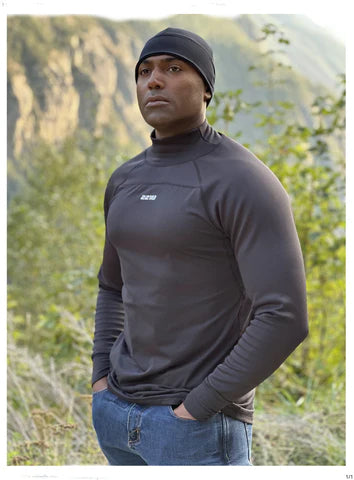
People wear rash guards for outdoor exercises like running, cycling, and hiking. The fabric blocks wind and retains body heat during cool weather. Rash guards wick sweat away, keeping skin dry and warm. They fit snugly, so they don’t slow you down. These shirts provide light insulation without heavy layers. They help maintain a steady body temperature in changing conditions.
Credit: www.221btactical.com
Choosing The Right Rash Guard
Choosing the right rash guard is important for comfort and warmth. A good rash guard fits well and uses proper materials. These factors affect how well it keeps you warm.
Fit And Comfort
The rash guard should fit snugly but not be too tight. Tight rash guards can restrict movement and cause discomfort. Loose rash guards may let cold water in. A proper fit helps trap a thin layer of water. This layer warms up from your body heat. Comfort is key for long wear during activities.
Material Considerations
Materials impact warmth and durability of the rash guard. Look for fabrics like neoprene or polyester blends. These materials provide insulation and dry quickly. Neoprene is thicker and keeps more heat. Polyester blends offer flexibility and breathability. Some rash guards have special coatings to reduce water absorption. Choose materials based on your activity and water temperature.
Frequently Asked Questions
Does A Rash Guard Provide Thermal Insulation?
Yes, rash guards offer mild thermal insulation by trapping a thin layer of water. This layer warms up from your body heat, helping keep you warm during water activities.
Can Rash Guards Replace Wetsuits In Cold Water?
No, rash guards cannot replace wetsuits in cold water. Wetsuits provide thicker insulation and better protection against cold temperatures.
Are Rash Guards Effective In Windy Conditions?
Rash guards offer limited wind protection. They are mainly designed to prevent rashes and sunburn, not block strong winds.
How Does A Rash Guard Help Retain Body Heat?
A rash guard fits snugly, reducing heat loss. It traps warmth close to your skin, helping maintain body temperature.
Conclusion
Rash guards can help keep you warm in cool water or windy weather. They trap a thin layer of water close to your skin, which warms up quickly. This layer acts like a shield against cold. Rash guards also block wind, which reduces heat loss.
They are lightweight and dry fast, making them practical for many activities. Wearing one adds comfort without bulk. Not a full substitute for wetsuits but good for mild conditions. A simple way to stay cozy and protected outdoors. Worth trying if you want extra warmth and skin protection.
