

Can Rash Guard Protect You from Jellyfish: Essential Safety Tips
Have you ever worried about jellyfish stings while swimming or surfing? Those tiny creatures can cause big problems, turning a fun day in the water into a painful experience.
You might be wondering if a rash guard can actually protect you from their stings. Understanding how rash guards work against jellyfish could save you from discomfort and keep your time in the ocean safe and enjoyable. Keep reading to discover the truth about rash guards and how they can help you stay sting-free.

Credit: www.mantaraj.com
How Jellyfish Stings Happen
Jellyfish stings happen very fast and often without warning. Their stings can cause pain and skin irritation. Understanding how stings occur helps in staying safe near jellyfish.
Jellyfish use special cells to catch food and defend themselves. These cells can inject venom into the skin. Knowing where and how stings happen improves protection.
Jellyfish Anatomy And Stinging Cells
Jellyfish have tentacles that hang from their bell-shaped body. These tentacles contain thousands of tiny stinging cells called nematocysts. Each cell acts like a small harpoon. When touched, it releases venom into the skin quickly. This venom causes pain, redness, and swelling. The sting is a defense and hunting tool for jellyfish.
Common Sting Areas On The Body
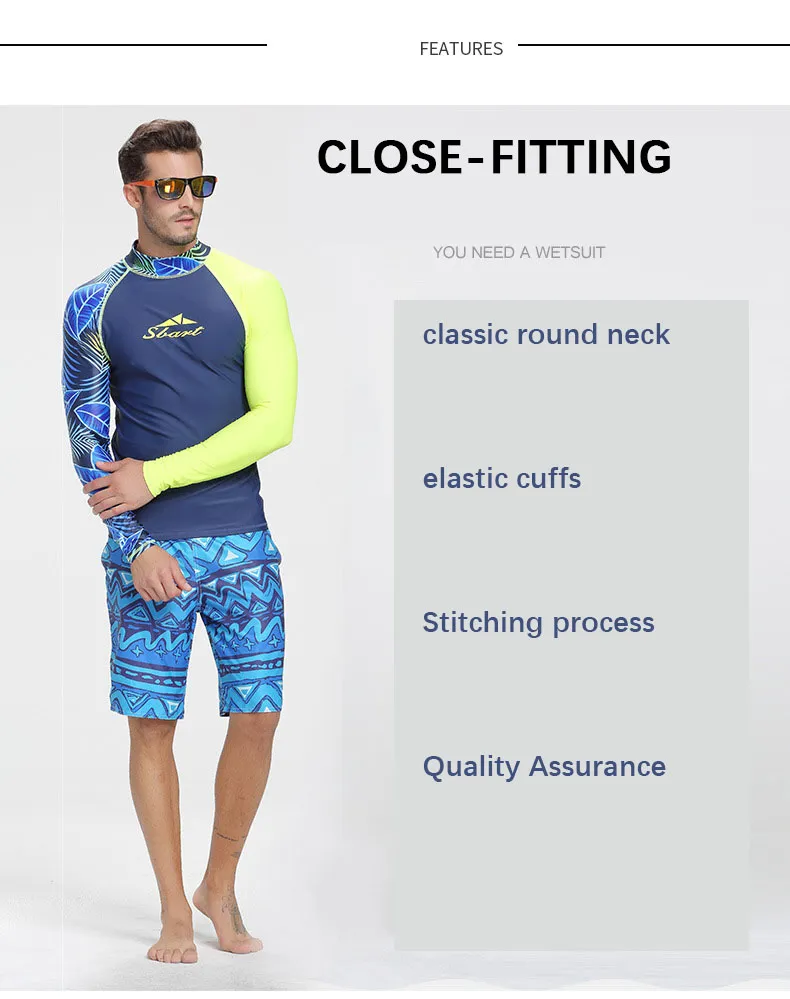
Jellyfish usually sting areas that touch their tentacles. Arms, legs, and feet are the most common sting spots. Swimmers often get stung on legs and feet. Surfers or divers may get stings on arms and shoulders. Even small tentacle touches can cause a sting. Wearing a rash guard can help cover these vulnerable areas.
Credit: www.farrocicchetti.it
Rash Guards And Their Material
Rash guards are popular for water activities. They protect skin from sunburn and minor scrapes. But can they protect against jellyfish stings? The answer depends on the material used to make them. The fabric must be strong enough to block jellyfish tentacles. It should also be comfortable and quick-drying.
Choosing the right material improves protection and comfort. Let’s explore the types of fabric used in rash guards. Then, we will see how durable they are against marine hazards like jellyfish.
Fabric Types Used In Rash Guards
Most rash guards use synthetic fabrics. Common ones include polyester, nylon, and spandex. Polyester is strong and resists stretching. Nylon feels soft and dries fast. Spandex adds stretch for a tight fit. A mix of these fabrics offers flexibility and durability.
The fabric should be thick enough to create a barrier. Thin materials might not stop jellyfish stings. Some rash guards have a tight weave. This helps block small jellyfish tentacles. Look for rash guards labeled as “sting-resistant” or “UV protection.”
Durability Against Marine Hazards
Rash guards face many marine hazards. Saltwater, sand, and jellyfish tentacles can wear them down. High-quality materials resist tears and abrasions. They keep their shape after many uses. This durability helps maintain protection over time.
Jellyfish stings happen when tentacles touch skin. A strong rash guard fabric lowers sting risk. It acts as a shield, stopping tentacles from reaching skin. Some rash guards have extra layers for better defense. Regular washing and care keep the fabric strong.
Effectiveness Of Rash Guards Against Jellyfish
Rash guards are popular for water sports and beach activities. They offer some defense against jellyfish stings. Understanding their effectiveness helps you stay safe in the water.
Protection Level Offered By Rash Guards
Rash guards cover the skin tightly. This stops jellyfish tentacles from touching your skin directly. The fabric acts as a barrier against stinging cells. It reduces the chance of painful stings on covered areas. Thicker and tightly woven rash guards provide better protection. They block many jellyfish tentacles from reaching your skin. This is helpful in areas where jellyfish are common.
Limitations And Vulnerabilities
Rash guards do not cover all body parts. Exposed skin like hands, feet, and neck can still get stung. Thin or loose rash guards let some stinging cells through. They cannot stop all jellyfish species, especially very small ones. Some jellyfish tentacles can sting through thin fabric. Wet rash guards may stick to skin, allowing stings to happen. Rash guards are not a full shield but lower sting risks.
Alternative Protective Gear
Rash guards offer some protection against jellyfish stings. Yet, stronger options exist for serious protection. Alternative protective gear covers more skin and blocks more stings. These options suit swimmers, divers, and beach lovers who want extra safety.
Full-body Wetsuits
Full-body wetsuits cover the entire body except for the head, hands, and feet. They create a thick barrier that jellyfish tentacles cannot easily penetrate. These wetsuits are made from neoprene, which is durable and water-resistant. Wearing one lowers the chance of painful stings during water activities. They also keep the body warm in cold water. Many swimmers prefer full-body wetsuits for both protection and comfort.
Specialized Jellyfish Suits
Specialized jellyfish suits are designed specifically to stop jellyfish stings. They are made from very tight, stretchy fabric that prevents tentacles from touching the skin. These suits cover almost the entire body, including the neck, hands, and feet. Some even include a hood for full head coverage. Lightweight and flexible, these suits allow easy movement in the water. They are popular in areas with frequent jellyfish presence and provide excellent sting protection.
Preventive Measures In Jellyfish Areas
Staying safe in jellyfish areas means taking smart steps. Wearing a rash guard helps but is not enough alone. Understanding how to avoid jellyfish and knowing the right time to swim can prevent painful stings. These measures reduce risk and make your water activities safer.
Avoiding High-risk Zones
Some beaches have more jellyfish than others. Avoid swimming near fishing nets or seaweed. Jellyfish often gather in these places. Watch for warning signs at the beach entrance. Stay away from areas where jellyfish are spotted or reported.
Timing And Seasonal Awareness
Jellyfish appear more during certain months. Learn the local jellyfish season before swimming. Early morning or late afternoon swims can reduce encounters. Jellyfish are less active during these times. Plan your activities outside peak jellyfish seasons when possible.
First Aid For Jellyfish Stings
Jellyfish stings can be painful and scary. Knowing first aid helps reduce pain and stop the sting from getting worse. Quick and correct actions improve recovery and prevent infection.
Learn what to do right after a jellyfish sting. Also, know when medical help is necessary for safety.
Immediate Actions After A Sting
Get out of the water carefully to avoid more stings. Do not rub the sting area. Rubbing spreads venom and causes more pain.
Rinse the sting with vinegar for at least 30 seconds. Vinegar stops jellyfish stingers from releasing more venom. If vinegar is not available, use salt water. Avoid fresh water; it can make stingers active again.
Remove any tentacles with tweezers or the edge of a credit card. Wear gloves or use a cloth to avoid stings on your hands.
Apply heat to the sting area. Use hot water (not scalding) for 20 to 45 minutes. Heat helps reduce pain and neutralize toxins.
When To Seek Medical Help
Seek medical help if you feel difficulty breathing or swallowing. These signs may show a severe allergic reaction.
Go to a hospital if the sting covers a large area or is on the face or genitals. Watch for intense pain that does not improve after first aid.
Seek help if you see swelling, blistering, or spreading redness. These may signal an infection.
Children, elderly, and people with heart problems should get medical care quickly after a sting.
Tips For Safe Swimming With Jellyfish Present
Swimming near jellyfish can be risky. Knowing how to stay safe helps you enjoy the water. Use these tips to protect yourself from jellyfish stings. Stay alert and swim smart.
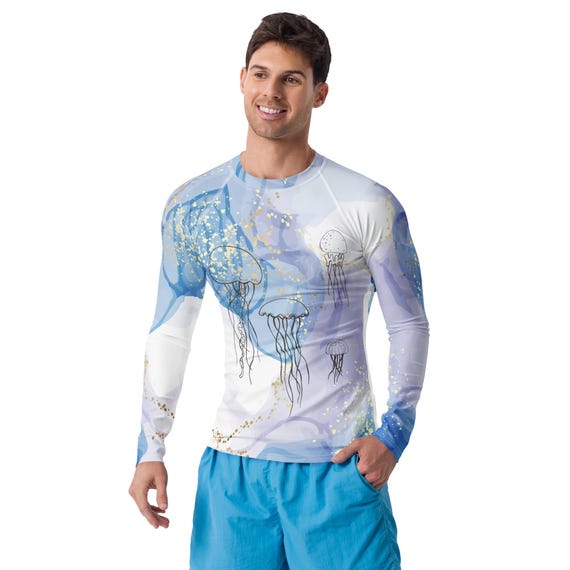
Wearing a rash guard offers some protection. Combine it with good habits for the best safety.
Monitoring Local Warnings
Check local beach reports before swimming. They often share jellyfish sightings and warnings. Follow advice from lifeguards and officials. Avoid swimming in areas with many jellyfish. Stay updated during your visit for new alerts.
Swimming Techniques To Minimize Contact
Swim calmly and avoid quick, splashing movements. Jellyfish may be nearby but stay steady. Keep your body horizontal to reduce touching jellyfish. Use gentle kicks and slow arm strokes. Avoid touching jellyfish, even if they look dead. Swim in clear water to see jellyfish better.
Credit: www.etsy.com
Frequently Asked Questions
Can Rash Guards Prevent Jellyfish Stings Effectively?
Yes, rash guards provide a physical barrier that reduces jellyfish stings. They cover the skin, minimizing direct contact with jellyfish tentacles. However, protection depends on the material thickness and coverage. Rash guards are not 100% foolproof but significantly lower sting risks.
What Materials In Rash Guards Block Jellyfish Venom?
Rash guards made from tightly woven polyester or nylon fabrics block jellyfish tentacles. These materials prevent tentacles from penetrating the skin. Additionally, some rash guards have special coatings for extra protection. Always check product details for jellyfish sting resistance.
How Long Can A Rash Guard Protect Against Jellyfish?
Protection lasts as long as the rash guard covers your skin and remains intact. Tears or holes reduce effectiveness. It is best to replace damaged rash guards promptly. Continuous exposure to sun and saltwater might degrade fabric protection over time.
Are Rash Guards Better Than Wetsuits Against Jellyfish?
Rash guards offer lightweight, flexible protection, ideal for warm water. Wetsuits provide thicker coverage and warmth, often giving more sting protection. The choice depends on water temperature and jellyfish density. Both can reduce stings, but wetsuits offer greater defense.
Conclusion
Wearing a rash guard helps reduce jellyfish stings. It acts as a barrier between your skin and jellyfish tentacles. It does not fully stop stings but lowers their chance. Choose a tight, high-quality rash guard for better protection. Remember to stay alert and avoid jellyfish areas.
Combining rash guards with careful swimming keeps you safer. Stay safe and enjoy the water without worry.
