

Can You Wear Business Casual With Shorts? Style Tips Revealed
Can You Wear Business Casual With Shorts
When people hear “business casual,” most imagine dress shirts, slacks, and tidy shoes. But what happens when you add shorts into the mix? With warmer weather and changing office cultures, the question is becoming popular: Can you wear business casual with shorts? Many professionals want comfort without losing style or respect. Yet, the answer isn’t simple. It depends on your industry, company rules, and how you style shorts. This article explores if shorts can fit into business casual, when it works, and how to do it right—without risking your professional image.
Understanding Business Casual
The term business casual means a mix of formal and informal clothing for work. It’s less strict than full business attire, but still looks professional. Typical business casual includes:
- Dress shirts or blouses
- Polo shirts
- Slacks or khakis
- Skirts or dresses
- Closed-toe shoes
People often get confused about what’s allowed. The biggest mistake is thinking business casual means “anything goes. ” You must always look neat, put together, and ready for a meeting.
Why Business Casual Exists
Business casual started to help workers feel comfortable while staying professional. Companies wanted employees to focus on their work, not just strict dress codes. This style also helps offices feel more relaxed and modern. But, business casual is different everywhere.
Tech companies may allow jeans, while banks expect collared shirts and dress pants.
Common Misunderstandings
Some believe business casual lets you wear T-shirts or flip-flops. This isn’t true. Even casual offices expect clean, tidy, and smart clothing. Shorts are often left out because they seem too informal. But, in some cases, the right shorts can fit the style.
The Shorts Debate: Why It’s Tricky
Shorts have always been tricky in professional settings. Most offices worry that shorts look too casual or even sloppy. However, as fashion changes and workplaces become more flexible, some companies are now considering shorts—if worn correctly.
Cultural And Climate Factors
In hot climates, wearing long pants every day is uncomfortable. Some offices in warm places allow shorts, especially during summer. Yet, in cooler cities or traditional industries, shorts are still rare. Culture matters: in creative fields, shorts are more accepted than in law or banking.
Company Policies
The main rule: follow your company’s dress code. Many businesses have clear guidelines about shorts. Some allow them only on “casual Fridays,” others ban them completely. If you’re unsure, ask your HR department or manager.
Perception And Professionalism
People judge professionalism by appearance. Shorts can make you look relaxed but not always professional. If your job needs trust, authority, or face-to-face meetings, shorts may hurt your image. But, if your role is creative or tech-focused, shorts may be fine.
Types Of Shorts Suitable For Business Casual
Not all shorts are equal. If you want to try shorts for business casual, choose wisely. The wrong pair will break the dress code. The right pair can look sharp and professional.
Smart Shorts
Smart shorts are tailored, usually made from cotton or linen. They have a clean cut, often ending above the knee but not too short. They look like dress pants, just shorter.
Chino Shorts
Chino shorts use the same material as chino pants. They’re sturdy, smooth, and come in neutral colors like navy, beige, or gray. Chino shorts are popular for business casual because they look tidy.
Bermuda Shorts
Bermuda shorts are longer, often reaching just above the knee. Their length makes them more formal than regular shorts. Many offices that allow shorts prefer this style.
Fabric Choices
The right fabric is important. Avoid denim, cargo, or athletic materials. Choose:
- Cotton
- Linen
- Wool blends
These fabrics look professional and breathe well.
Colors And Patterns
Stick to solid colors or subtle patterns. Avoid loud prints, bright colors, or distressed finishes. Neutral colors—navy, khaki, gray, black—work best.
How To Style Shorts For Business Casual
Even the best shorts need smart styling. Here’s how to dress up shorts for a business casual look:
Pairing With The Right Top
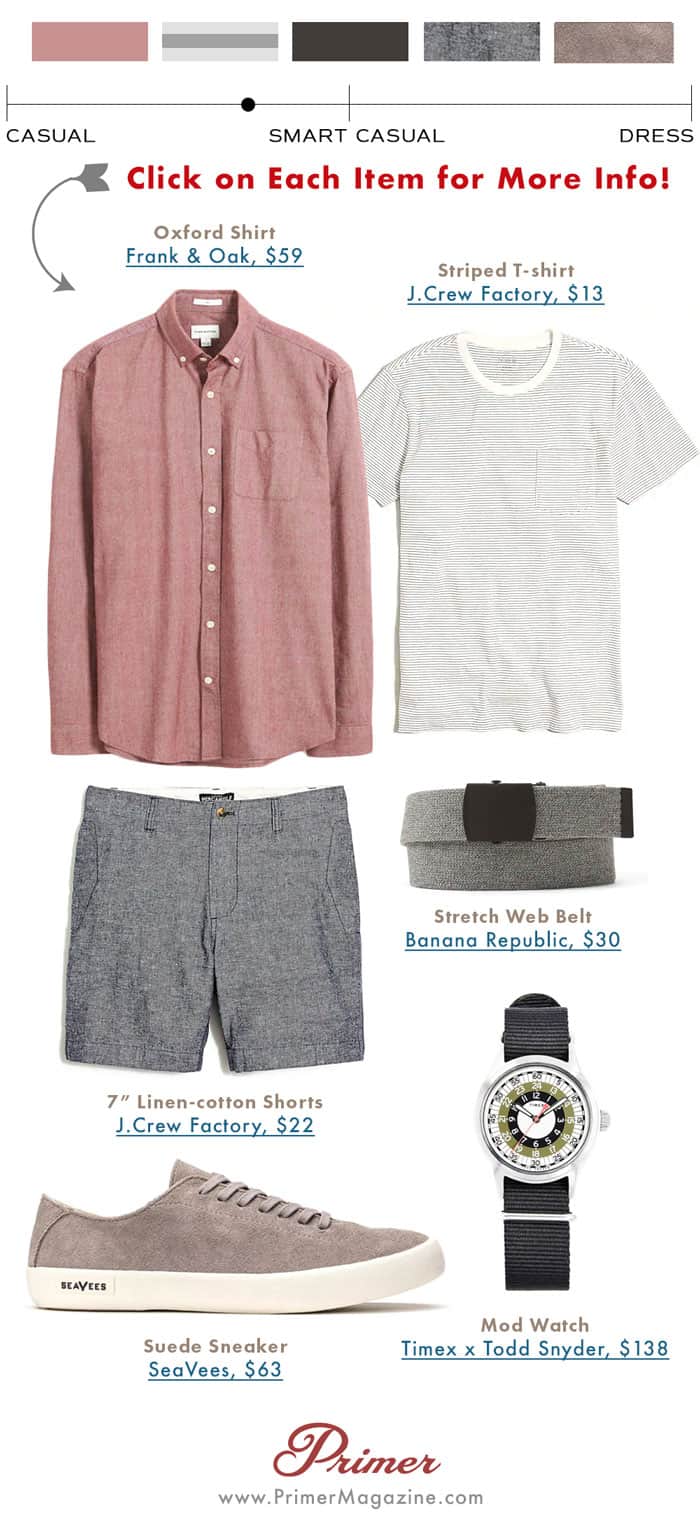
- Button-down shirts: A crisp shirt tucked into shorts looks clean.
- Polo shirts: Smart polos add comfort but still look neat.
- Blouses: For women, a tailored blouse works well.
Avoid T-shirts, tank tops, or anything too casual.
Adding Layers
- Blazers: Wearing a blazer over shorts adds instant polish.
- Cardigans: Light cardigans or sweaters also boost formality.
Shoes Matter
- Loafers
- Derby shoes
- Dress sandals (for women)
- Closed-toe flats
Avoid sneakers, flip-flops, or athletic shoes.
Accessories
- Belts: A smart belt keeps shorts looking tidy.
- Watches: Simple, classic watches add professionalism.
- Minimal jewelry: Keeps the look understated.
Personal Grooming
Make sure your overall appearance is clean. Iron your shorts, keep shoes polished, and avoid messy hair.

Credit: www.reddit.com
When Shorts Work—and When They Don’t
Shorts aren’t always right for business casual. Here’s when they work and when to avoid them:
When Shorts Are Acceptable
- Creative industries: Marketing, design, tech startups often allow shorts.
- Casual Fridays: Some offices relax dress codes once a week.
- Hot climates: Businesses in warm areas sometimes allow shorts.
- Outdoor events: Company picnics or retreats may permit shorts.
- Remote work: If you attend video calls with only your top half visible.
When Shorts Should Be Avoided
- Formal meetings: Client presentations or interviews need full business attire.
- Traditional industries: Finance, law, and government jobs rarely allow shorts.
- Cold weather: Shorts look odd in winter.
- Company policy: If your workplace bans shorts, don’t risk it.
Real Examples
A marketing agency in California lets staff wear shorts, as long as they’re tailored and paired with dress shirts. But a bank in New York doesn’t allow shorts, even on hot days. In Australia, some offices permit shorts during summer—especially for men—if they’re Bermuda style.
Data: Shorts In Professional Settings
Shorts in offices are rare but growing. Surveys show changing attitudes:
- In a study by LinkedIn, 36% of professionals said they’d wear shorts if allowed.
- 15% of US offices in warm climates permit shorts during summer.
- Creative firms are twice as likely to allow shorts compared to law firms.
Here’s a comparison table showing shorts policies across industries:
| Industry | Shorts Allowed? | Common Styles |
|---|---|---|
| Tech | Often | Chino, Bermuda |
| Finance | Rarely | None |
| Marketing | Sometimes | Smart, Chino |
| Education | Sometimes | Bermuda |
| Government | No | None |
This shows that shorts are most common in tech and creative fields. Traditional industries keep stricter codes.
Pros And Cons Of Business Casual Shorts
Wearing shorts for business casual has both benefits and risks. Consider these before making your choice.
Pros
- Comfort: Shorts help you stay cool in warm weather.
- Modern look: Shows you’re open to new trends.
- Flexibility: Fits creative work settings.
- Easy movement: Good for jobs needing mobility.
Cons
- Risk of looking unprofessional: Shorts can seem too relaxed.
- Company policy issues: You may break rules.
- Negative impressions: Clients may see shorts as disrespectful.
- Limited use: Not suitable for all occasions.
Practical Examples
A designer working in a casual startup enjoys shorts for comfort. But a manager meeting clients avoids them to keep authority. Some workers mix shorts with blazers for a balanced look.
Mistakes To Avoid When Wearing Shorts For Business Casual
You can make shorts work, but common mistakes ruin the effect. Watch for these pitfalls:
Choosing The Wrong Shorts
- Too short: Shorts ending above mid-thigh look unprofessional.
- Baggy or tight: Fit matters. Baggy shorts seem messy; tight shorts look inappropriate.
- Casual fabrics: Denim, cargo, or athletic shorts break the dress code.
Ignoring Grooming
- Wrinkled shorts: Iron them for a sharp look.
- Dirty shoes: Always wear clean, polished footwear.
Poor Pairing
- T-shirts: Too casual for business settings.
- Flip-flops: Not suitable for work.
Disregarding Company Rules
- Ignoring policy: Always check your company’s dress code.
Over-accessorizing
- Loud jewelry or hats: Keep accessories minimal.
Gender Differences: Shorts For Men And Women
Shorts for business casual work differently for men and women. Style, fit, and pairing all matter.
Men’s Business Casual Shorts
Men should choose:
- Tailored Bermuda shorts
- Chino shorts
- Neutral colors
Pair with:
- Button-down shirts
- Polo shirts
- Blazers
Avoid athletic shorts or loud patterns.
Women’s Business Casual Shorts
Women have more options:
- Tailored shorts
- Bermuda shorts
- Culottes (wide-legged shorts)
Pair with:
- Blouses
- Light sweaters
- Dress sandals or flats
Avoid short shorts or distressed fabrics.
Comparison Table: Men Vs. Women Shorts Styles
| Aspect | Men | Women |
|---|---|---|
| Length | Just above knee | Mid-thigh to knee |
| Fit | Tailored, slim | Tailored, wide-leg, culotte |
| Pairing | Shirts, blazers | Blouses, sweaters |
| Footwear | Loafers, dress shoes | Flats, sandals |
This shows women can mix more styles, but both should focus on neat, tailored looks.
How To Ask Your Company About Shorts
If you want to wear shorts, you need to approach your company carefully. Here’s how:
Steps To Get Approval
- Check the dress code: Read your company guidelines.
- Ask HR: If unclear, contact HR for advice.
- Suggest trial days: Propose shorts for hot days or casual Fridays.
- Show examples: Bring photos of smart shorts outfits.
- Get feedback: Ask coworkers and managers for their opinions.
Non-obvious Insight
Many employees forget to ask about shorts during onboarding. Instead, wait until you’ve built trust and know your company culture. Also, if you’re remote, check if video meetings require full business casual—even if you’re not seen from the waist down.
Business Casual Shorts Outfit Ideas
If your office allows shorts, here are some outfit ideas for men and women.
Men’s Outfit Examples
- Navy chino shorts + white button-down + brown loafers
- Gray Bermuda shorts + blue polo + light blazer
- Beige tailored shorts + striped shirt + watch
Women’s Outfit Examples
- Black culotte shorts + cream blouse + dress sandals
- Navy Bermuda shorts + white sweater + flats
- Khaki tailored shorts + patterned blouse + simple jewelry
These looks keep shorts tidy and professional.
Shorts And Remote Work
Remote work has changed dress codes. Many people only dress up their top half for video calls. Shorts are common at home, but remember:
- If you stand up during a call, make sure shorts look professional.
- Some companies require business casual even for remote meetings.
- Choose smart shorts, not athletic or lounge wear.
Tips To Make Shorts Look More Professional
Shorts can look sharp if styled carefully. Here are tips:
- Choose the right length: Just above the knee is safest.
- Pick tailored fits: Avoid baggy or tight shorts.
- Pair with smart tops: Button-downs, polos, or blouses.
- Add layers: Blazers or cardigans help.
- Wear proper shoes: Loafers, flats, or dress sandals.
- Keep colors neutral: Navy, gray, beige, black.
- Iron your shorts: Wrinkles ruin the look.
- Use minimal accessories: Simple belts, watches.
- Keep grooming tidy: Clean hair, polished shoes.
Data Table: Top Mistakes And Fixes
| Mistake | Fix |
|---|---|
| Wearing athletic shorts | Choose tailored or chino shorts |
| Pairing with T-shirt | Wear button-down or polo |
| Ignoring company policy | Read dress code or ask HR |
| Messy appearance | Iron shorts, polish shoes |
| Over-accessorizing | Stick to minimal jewelry |
Shorts And Business Casual: Expert Opinions
Fashion experts say shorts can work in business casual—if done right. According to the Business of Fashion, shorts are becoming more common in creative industries. But they warn that “context is everything.” Always check your company culture and dress codes.
Non-obvious Insight
Some style experts recommend “dress shorts,” which are made with the same materials as dress pants. These can be paired with formal shirts and blazers. Many beginners miss the difference between casual shorts and dress shorts, leading to mistakes.

Credit: www.vogue.com
Alternatives To Shorts For Warm Weather
If shorts aren’t allowed, there are other cool options:
- Lightweight slacks: Cotton or linen pants stay cool.
- Cropped pants: Shorter than regular slacks, but still professional.
- Skirts or dresses: For women, midi skirts are both cool and formal.
- Roll-up sleeves: Make shirts lighter without breaking code.
These alternatives let you stay comfortable without risking your image.
Frequently Asked Questions
Can I Wear Shorts For Business Casual In Any Office?
No, you must follow your company’s dress code. Some creative or tech offices allow shorts, but traditional industries rarely do.
What Length Should Business Casual Shorts Be?
The safest length is just above the knee. Avoid shorts that are too short or too long, as both can look unprofessional.
Are Athletic Shorts Ever Acceptable In Business Casual?
Never. Athletic shorts are too casual and break business casual standards. Choose tailored, chino, or Bermuda shorts instead.
How Can I Make Shorts Look More Professional?
Pair shorts with button-down shirts, add a blazer, wear proper shoes, and choose neutral colors. Keep grooming tidy and accessories minimal.
What Should I Do If My Company Doesn’t Allow Shorts?
Respect company rules. Try alternatives like lightweight slacks, cropped pants, or skirts. If unsure, ask HR for guidance or suggest trial days.
Credit: www.primermagazine.com
Final Thoughts
Wearing business casual with shorts is possible—but only in the right setting and with careful styling. Shorts can offer comfort and modern style, but you must follow company policies and keep your look professional. Choose tailored shorts, pair them with smart tops and shoes, and always check your workplace culture. If shorts aren’t allowed, use lightweight alternatives. With these tips, you can enjoy comfort without losing respect or professionalism. For more guidance on dress codes and workplace style, visit Business of Fashion.
If you’re considering shorts for business casual, start slowly, check the rules, and always aim for a polished look. Remember: your clothing speaks before you do. Make sure it says the right thing.
