

Can a Shirt Be Business Casual? Essential Style Tips
Can A Shirt Be Business Casual
The world of work clothing can feel confusing. You might hear the term “business casual” and wonder: what does it really mean? Is it just “less formal than a suit,” or is there a clear standard? One of the biggest questions people have is about shirts. Can a shirt be business casual? The answer is not as simple as “yes” or “no.” It depends on many factors—like style, fabric, fit, and even where you work.
Let’s explore what makes a shirt business casual, which types are safe bets, and what to avoid. Whether you are starting a new job, changing careers, or just want to dress smarter, this guide will help you feel confident in your choices.
Understanding Business Casual
Before we talk about shirts, it helps to know what “business casual” means. The phrase is popular, but it’s not always clear.
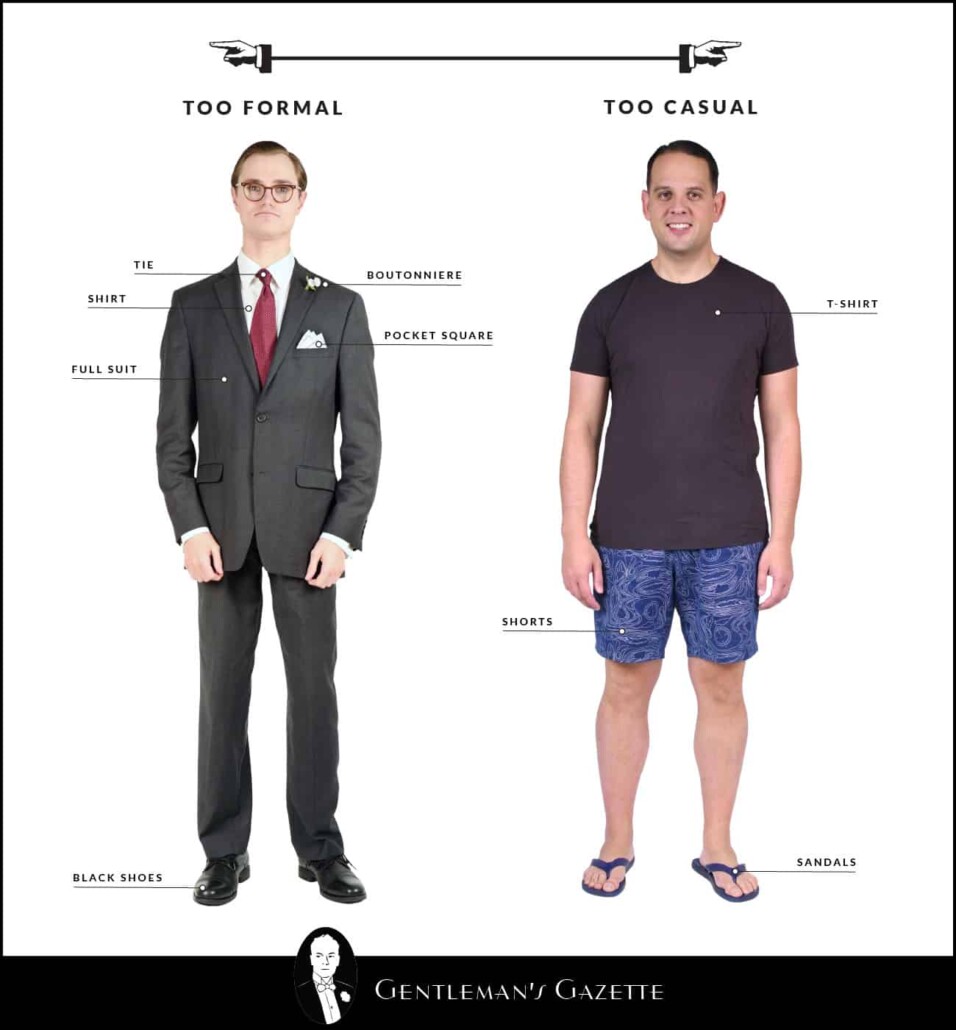
Business casual is a dress code that is less formal than traditional business wear but still looks professional. You can think of it as the middle ground between a full suit and casual weekend clothes. But it’s important to remember that different companies and countries might have slightly different rules.
The Core Of Business Casual
Most business casual outfits include:
- A collared shirt (like a button-down or polo)
- Dress pants or chinos
- Optional blazer or cardigan
- Closed-toe shoes (such as loafers or flats)
Jeans, shorts, and sneakers are usually not considered business casual, unless your workplace says otherwise.
Why The Shirt Matters
The shirt is often the main focus of a business casual outfit. It sits close to your face, draws attention, and sets the overall tone. A good shirt can make you look sharp, trustworthy, and ready for business—even without a tie or suit jacket.
Types Of Shirts: Which Are Business Casual?
Not all shirts are created equal. Some are perfect for business casual, while others are too formal or too relaxed. Here’s a breakdown of the most common shirt types and where they fit.
1. Button-down Shirts
Button-down shirts are a classic choice. They have a collar, long sleeves, and buttons running down the front. Most are made of cotton or a cotton blend.
- Solid colors (like white, light blue, or gray) are the safest.
- Subtle patterns (such as stripes or checks) can also work.
- Make sure the fit is right—not too tight, not too loose.
Button-down shirts work well with or without a tie. They look great tucked into dress pants or chinos.
2. Polo Shirts
Polo shirts have a collar and a few buttons at the top, but no full button placket.
- High-quality cotton polos in neutral or muted colors are best.
- Avoid large logos, bright colors, and athletic styles.
Polos are more relaxed than button-downs but can still look professional if styled correctly.
3. Dress Shirts
A dress shirt is similar to a button-down but usually made with finer materials and a more structured collar. These are often worn with suits but can be dressed down for business casual.
- Choose lighter colors or subtle patterns.
- Avoid shirts with shiny fabrics or French cuffs (they’re too formal).
4. Blouses (for Women)
Women’s business casual shirts often include blouses.
- Look for clean lines, soft fabrics, and simple patterns.
- Avoid tops that are too sheer, have plunging necklines, or excessive decorations.
Blouses can be paired with skirts, slacks, or layered under a blazer.
5. Knit Tops And Sweaters
Fine-gauge sweaters and knit tops can be business casual, especially in cooler weather.
- Stick to plain colors or simple designs.
- Pair with a collared shirt underneath for a layered look.
6. Short-sleeve Shirts
Short-sleeve button-up shirts are sometimes allowed in business casual settings, especially in warmer climates. However, they can look too casual if not chosen carefully.
- Make sure the material is crisp and the cut is neat.
- Avoid loud prints and overly relaxed styles.
7. T-shirts
Most T-shirts are not business casual. The exception is a high-quality, plain T-shirt under a blazer, but this is only accepted in creative or very modern workplaces.
Which Shirts Are Not Business Casual?
- Athletic shirts or jerseys
- Shirts with large graphics or slogans
- Oversized flannel shirts
- Tank tops, crop tops, or anything sleeveless (unless clearly professional and allowed by your office)
- Anything with visible stains, holes, or heavy wrinkles
Credit: www.gentlemansgazette.com
How Shirt Style, Fabric, And Color Affect Business Casual
It’s not only the type of shirt that matters, but also how it looks and feels. Let’s break down the main factors.
Fabric
Some fabrics look more polished than others. For business casual, choose:
- Cotton or cotton blends
- Linen (especially in hot climates, but be careful with wrinkles)
- Poplin or oxford cloth
Avoid:
- Heavy denim
- Shiny polyester
- Athletic materials
Color And Pattern
- Stick to neutral colors: White, blue, gray, beige, navy
- Subtle patterns (like thin stripes, small checks, or minimal dots) are good
- Avoid neon or very bright colors, bold patterns, or cartoon prints
Fit
- The shirt should fit your shoulders and chest comfortably
- Sleeves should end at your wrist (for long-sleeve shirts)
- The shirt should be long enough to tuck in, but not so long that it bunches up
A tailored fit looks sharper than something too baggy or too tight.
Details
- Collars should keep their shape, not flop down
- Buttons should be intact and not pulling
- Avoid shirts with too many pockets or flashy details
Real-world Business Casual Shirt Examples
What does business casual look like in real life? Here are some examples:
- Men’s outfit: Light blue cotton button-down shirt, navy chinos, brown leather belt, and loafers.
- Women’s outfit: Soft cream blouse, gray tailored pants, black flats, and a simple pendant necklace.
- Warm weather: Pale gray polo shirt, beige chinos, brown loafers.
- Cool weather: White oxford shirt, navy V-neck sweater, charcoal dress pants.
These outfits look professional but relaxed. They use classic colors and simple designs.
Comparing Shirt Styles For Business Casual
Choosing the right shirt can be easier if you see the differences side by side. Here’s a helpful comparison:
| Shirt Type | Business Casual? | Best For | What to Avoid |
|---|---|---|---|
| Button-Down | Yes | Most offices | Bold prints, oversized fit |
| Polo | Sometimes | Relaxed offices, summer | Logos, athletic styles |
| Dress Shirt | Yes | Client meetings, formal settings | Shiny fabrics, French cuffs |
| Blouse | Yes | Women’s business casual | Sheer fabric, busy prints |
| T-shirt | Rarely | Creative industries only | Graphics, poor fit |
Business Casual Shirts Around The World
Culture and local climate can affect what is considered business casual. Here are a few examples:
- In some Asian offices, short-sleeve button-ups are fine, but polos are less common.
- In Mediterranean countries, linen shirts are popular due to the heat.
- In some US tech companies, a plain T-shirt under a blazer is now accepted.
Always look at what your colleagues wear and check your company’s dress policy before trying something new.
Shirt Dos And Don’ts For Business Casual
Dos
- Do iron or steam your shirt before wearing
- Do choose classic colors and simple patterns
- Do check that your shirt is clean and free of stains
- Do tuck in your shirt (unless the shirt is designed to be untucked and it looks neat)
- Do try layering with a blazer or cardigan for extra polish
Don’ts
- Don’t wear wrinkled or dirty shirts
- Don’t choose shirts with flashy logos or graphics
- Don’t wear shirts that are too tight or too loose
- Don’t ignore your company’s dress code
How To Choose The Right Business Casual Shirt
Choosing the right shirt doesn’t have to be stressful. Follow these steps:
- Know your office culture: Observe what others wear or ask HR for a dress code guide.
- Pick the right type: Stick with button-downs or blouses for safety. Polos are fine in relaxed settings.
- Check fit and comfort: Try on shirts before buying. Move your arms to check mobility.
- Choose the right color: Start with neutral colors. Add subtle patterns as you get more confident.
- Inspect details: Look for quality buttons, strong seams, and fabric that holds its shape.
- Think about care: If you hate ironing, choose wrinkle-resistant fabrics.
- Plan for the weather: In hot weather, lighter fabrics like cotton or linen work best. In winter, layer with sweaters.
The Role Of Accessories
Accessories can take a business casual shirt to the next level—or make it look too casual. Here’s how to style them:
- Belts: Match your belt to your shoes for a coordinated look.
- Watches: A simple leather or metal watch adds professionalism.
- Jewelry: For women, small stud earrings or a delicate necklace work well. Avoid anything too large or flashy.
- Ties: Usually optional in business casual. If you wear one, choose a subtle pattern.
- Scarves: A light scarf can add style to a blouse, but avoid bold prints.
Business Casual Shirts For Different Body Types
Shirts look best when they fit your body type. Here are some tips:
- Tall and slim: Look for slim-fit shirts, but avoid anything too tight.
- Shorter builds: Choose shirts with shorter tails, so they don’t bunch up.
- Broader shoulders: Try shirts with a bit more room in the chest and shoulders.
- Curvy figures (for women): Darts or tailored seams can help the shirt follow your shape without pulling.
A good tailor can help adjust shirts for a perfect fit.

Credit: www.hockerty.com
Caring For Your Business Casual Shirts
Proper care will make your shirts last longer and look better. Here’s what to do:
- Wash shirts in cold water to prevent shrinking
- Hang shirts to dry or use a low-heat dryer setting
- Iron or steam before wearing
- Store on hangers to avoid wrinkles
- Spot-clean stains as soon as possible
Investing in a few quality shirts and caring for them well is better than buying lots of cheap ones.
Business Casual Shirt Mistakes Beginners Make
When you’re new to business casual, it’s easy to make mistakes. Here are some common ones:
- Wearing shirts with visible wrinkles: Even the nicest shirt looks sloppy if it’s not ironed.
- Choosing very bold patterns or colors: Stick to classic styles until you know what’s acceptable.
- Wearing shirts that don’t fit: Oversized or too-tight shirts look unprofessional.
- Ignoring the company culture: Always check what’s normal in your office.
- Not tucking in shirts when required: Some shirts need to be tucked for a neat look.
- Wearing the wrong undershirt: If you wear an undershirt, choose a color close to your skin tone and avoid visible logos or necklines.
Some of these mistakes are easy to fix with a little planning and attention to detail.
Business Casual Shirts: Women Vs. Men
There are some differences in business casual shirts for men and women. Here’s a comparison to make it clearer:
| Aspect | Men | Women |
|---|---|---|
| Common Shirt Types | Button-down, polo, dress shirt | Blouse, button-down, knit top |
| Colors | Mostly neutral, subtle patterns | Neutral, pastels, some patterns |
| Fit | Straighter cut, sometimes slim fit | Shaped to body, sometimes with darts |
| Accessories | Belt, watch, tie (optional) | Jewelry, scarves, belts |
| Layering | Sweater, blazer, vest | Cardigan, blazer, sweater |
Adapting Business Casual To Remote Work
With more people working from home, business casual has also changed. Many workers now dress in comfortable shirts that still look polished on video calls. Here are some tips for remote work:
- Choose solid colors: They look better on camera than busy patterns.
- Focus on the upper half: Your shirt is the main thing people see.
- Keep it wrinkle-free: Even from home, looking neat shows professionalism.
- Add a simple accessory: A necklace or watch can help you feel “dressed” for work.
One non-obvious insight: Many remote workers find that wearing a collared shirt—even at home—improves their confidence and focus.
Business Casual Shirt Trends
Business casual shirts also follow trends, though changes are usually slow. Here are some current trends:
- Stretch fabrics: Shirts now come with a bit of stretch for comfort.
- Wrinkle-free options: Many brands offer shirts that resist wrinkles all day.
- Sustainable materials: Eco-friendly fabrics are becoming more popular.
- Soft colors: Light blue, sage green, and soft gray are favored over loud colors.
Remember, trends are optional. Classic styles never go out of date.
When To Break The Business Casual Shirt Rules
Once you understand the basics, you can sometimes break the rules—if you do it with confidence and intention. Here are some safe ways:
- Adding a patterned shirt under a solid blazer
- Wearing a colored blouse with classic pants
- Choosing a slightly bolder accessory
But always read the room and stay within your company’s comfort zone.
Real-world Data: What Do Most Offices Accept?
A recent survey by the Society for Human Resource Management found:
- 62% of offices allow button-down shirts as business casual
- 49% accept polo shirts (mostly in tech and creative fields)
- Only 14% allow T-shirts as business casual
This shows that button-down shirts are the safest choice, with polos close behind in more relaxed settings.
The Cost Of Business Casual Shirts
You don’t have to spend a lot to look sharp. Here’s a rough breakdown:
- Low-end (fast fashion): $20–$40 per shirt
- Mid-range (department stores): $40–$80 per shirt
- High-end (designer brands): $80–$200+ per shirt
More expensive shirts often last longer and fit better, but it’s possible to find good options at every price point.
Non-obvious Insights For Beginners
Here are two insights many beginners miss:
- The power of tailoring: A $30 shirt tailored to fit can look better than a $150 shirt off the rack. Most dry cleaners offer basic alterations for a low price.
- Fabric weight matters: Heavier fabrics keep their shape and look more formal, while very thin fabrics can cling or wrinkle. Choose medium-weight cotton for a professional look.
Where To Buy Business Casual Shirts
You can find business casual shirts at:
- Department stores (like Macy’s or Nordstrom)
- Specialty stores (like Brooks Brothers or Banana Republic)
- Online retailers (such as Amazon or J.Crew)
- Local boutiques
Always check return policies before buying online, and try on shirts in person when possible.
For more guidance on dress codes and business attire, see the Business Casual Wikipedia page.
Frequently Asked Questions
What Is The Difference Between A Dress Shirt And A Business Casual Shirt?
A dress shirt is usually more formal, with a stiff collar and finer fabric. It’s often worn with a suit and tie. A business casual shirt can be a dress shirt, but it can also be a less formal button-down, a polo, or a blouse. The key is that it looks professional but not too formal. In many offices, a classic button-down shirt counts as both.

Credit: www.theadairgroup.com
Can I Wear A Short-sleeve Shirt As Business Casual?
It depends on your office. Some workplaces, especially in hot climates or creative fields, accept short-sleeve button-ups or polos as business casual. Always choose a neat, well-fitted shirt in a plain color or subtle pattern. Avoid loud prints or shirts that look too casual.
Are Jeans Ever Business Casual With A Shirt?
In some modern offices, dark, well-fitted jeans are allowed as business casual—usually with a smart shirt and dress shoes. However, traditional business casual dress codes do not include jeans. Always check your company policy before wearing jeans.
How Can I Make A Shirt Look More Business Casual?
Tuck in your shirt, add a belt, and pair it with dress pants or chinos. Layer with a blazer or cardigan for extra polish. Choose classic colors and patterns. Iron your shirt and avoid athletic or logo-heavy designs.
What Colors Are Best For Business Casual Shirts?
Neutral colors like white, light blue, gray, and navy are safest. Subtle patterns such as stripes or checks also work. Avoid neon or very bright colors, and stick to simple, classic looks for your shirt.
Dressing in business casual can be simple and stress-free when you know what to look for. The right shirt is your foundation. By understanding types, fit, fabric, and your workplace culture, you’ll always look appropriate and feel confident on the job.
