

Can You Wear Business Casual? Essential Dos and Don’ts
Can You Wear Business Casual
If you’ve ever faced the classic question, “Can you wear business casual? ”—you’re definitely not alone. Dress codes often confuse people, especially when the rules are not clear. Many offices, schools, and events now ask for “business casual,” but what does that really mean?
And more importantly, how can you make sure you fit in, look good, and feel comfortable? This article will help you understand business casual, decide when and how to wear it, and avoid common mistakes. Whether you’re starting a new job, attending an interview, or just want to look sharp, you’ll find practical advice here.
What Is Business Casual?
Business casual is a dress code that blends professional style with comfort. It’s less formal than traditional business wear (like suits and ties) but still polished and neat. The exact meaning can vary by company, region, or even industry, but there are some shared basics.
Business casual for men usually means slacks or chinos, a button-down shirt or polo, and closed-toe shoes. Ties and jackets are often optional.
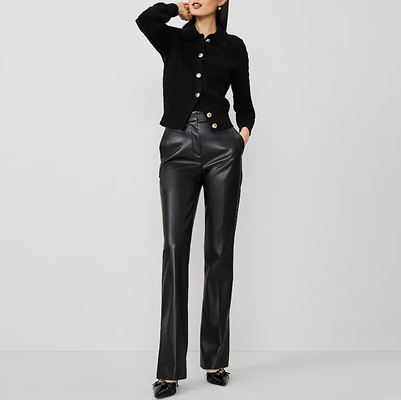
Business casual for women often includes dress pants or skirts, blouses or knit tops, and flats or modest heels. Bright colors and patterns can work if they look professional.
The key is to look put together, but not stiff or overdressed. You should aim for a look that shows you respect the workplace or event but allows you to move comfortably and express a bit of your own style.
The Origins Of Business Casual
Business casual grew popular as workplaces shifted from strict suits to more relaxed environments. Technology companies and creative industries helped lead this trend. Today, even banks and law firms may have business casual days.
The move began in the late 20th century when companies wanted to make employees feel less restricted and more comfortable. As more people spent long hours at work, the need for flexibility increased. Casual Fridays became common in the 1990s, which slowly influenced the rest of the workweek.
Now, with remote work and younger generations entering the workforce, business casual is often the standard, not the exception.
Comparing Dress Codes
It’s easy to get mixed up between business casual and other dress codes. Here’s a quick look at how business casual fits among common options:
| Dress Code | Typical Outfits | Formality |
|---|---|---|
| Formal/Business Professional | Suit & tie, dress shirt, dress shoes | Very High |
| Business Casual | Slacks, button-down/polo, skirt, blouse | Medium |
| Smart Casual | Dark jeans, blazer, stylish top | Low-Medium |
| Casual | Jeans, t-shirt, sneakers | Low |
Notice that business casual sits in the middle—it’s professional but not formal. This is why it’s used in so many modern workplaces.
When Should You Wear Business Casual?
Knowing when to wear business casual can be tricky. Here are situations where this dress code is expected or a safe choice:
- Most office jobs: Many workplaces, especially in tech, education, or customer service, set business casual as the default.
- Job interviews: If the company doesn’t require a suit, business casual shows you’re serious but adaptable.
- Business meetings: When meeting clients or partners in a relaxed setting, business casual is often best.
- Networking events: You want to look approachable and professional.
- Presentations: Unless a suit is required, business casual helps you look credible without being intimidating.
- Casual Fridays: Even if jeans are allowed, keeping your outfit neat and presentable is key.
For example, if you’re interviewing at a startup, you’ll likely see employees in business casual. If you’re attending a lunch meeting with clients from different industries, business casual works well because it shows you are prepared but not overdressed.
When Not To Wear Business Casual
Sometimes, business casual is not appropriate. Avoid it in these cases:
- Formal interviews in law, finance, or executive roles
- Corporate events with a black-tie or formal dress code
- Important client meetings with traditional industries
- Manual labor or field jobs, where practical safety gear is needed
In formal settings, wearing business casual could make you look unprepared or not serious enough. If you’re unsure, it’s best to ask for guidance or observe what others are wearing. For field work or active jobs, safety and practicality come first, so business casual may not be suitable.
When in doubt, check the invitation, ask your HR department, or observe what others wear.

Credit: www.hockerty.com
Essential Elements Of Business Casual
Dressing business casual means choosing certain items and avoiding others. Here’s what to keep in mind for both men and women.
For Men
- Shirts: Collared shirts, such as button-downs or polos. Avoid t-shirts.
- Pants: Chinos, dress pants, or dark, clean khakis. No jeans unless your company allows.
- Sweaters: V-neck or crew-neck sweaters over a shirt are fine.
- Shoes: Loafers, oxfords, or dress boots. No sneakers or sandals.
- Accessories: Simple belts, watches, and sometimes a tie.
A practical example: If you’re not sure what to wear, go for a navy pair of chinos, a crisp white button-down, brown loafers, and a classic watch. This outfit works in almost any business casual environment.
For Women
- Tops: Blouses, knit tops, or sweaters. Avoid very low-cut or flashy tops.
- Bottoms: Dress pants, skirts (knee-length or longer), or professional dresses.
- Footwear: Flats, loafers, or low to medium heels. No flip-flops or athletic shoes.
- Accessories: Modest jewelry and professional bags.
For example, a pastel blouse paired with black dress pants, closed-toe flats, and a simple necklace is both stylish and appropriate.
Items To Avoid
- Ripped or distressed clothing
- Shorts or very short skirts
- Athletic wear
- Graphic t-shirts
- Open-toe sandals (unless specifically allowed)
- Loud, distracting prints
Even if your office is casual, these items rarely fit business casual. Avoiding them helps you look polished and professional.
Sample Outfits
Sometimes, a visual comparison helps more than words. Here’s a table comparing outfits for men and women in business casual settings:
| Outfit Element | Men | Women |
|---|---|---|
| Top | Button-down or polo | Blouse or neat top |
| Pants/Skirt | Chinos, dress pants | Dress pants, skirt, dress |
| Shoes | Loafers, oxfords | Flats, low heels |
| Accessories | Watch, belt | Simple jewelry, bag |
How To Choose Business Casual Outfits
Choosing the right business casual outfit takes more than just following a list. Here’s how to make sure your clothes fit the situation and help you feel confident.
1. Consider The Industry
Some industries are more relaxed than others. For example, creative fields like marketing or design may accept bolder colors and patterns. Law or finance usually prefers classic, neutral colors.
If you work in tech, you might see coworkers wearing dark jeans with a tucked-in polo. In finance, stick to navy or gray slacks and white shirts. Understanding your industry helps you avoid feeling out of place.
2. Company Culture Matters
Observe what your coworkers wear or ask your manager if you’re unsure. Some companies allow dark jeans, while others want more formal looks.
For example, a small startup might have a casual vibe but expect neat, clean outfits for meetings. A larger corporation may have stricter rules. Company culture can also change over time, so keep an eye out for updates.
3. Fit Is Essential
Even the best clothes look sloppy if they don’t fit. Make sure your pants aren’t too long, shirts aren’t too tight, and shoes are clean and polished.
Try to tailor your pants if they drag on the floor. If your shirt gaps at the buttons, it’s too tight. Well-fitted clothes show you care about your appearance and help you feel more comfortable.
4. Layering For Flexibility
Offices can be cold or warm. Layering with sweaters or blazers lets you adjust your look and comfort.
A light blazer can add professionalism in an instant. If you get warm, you can remove it and still look polished. Cardigans are good for women—they work in both summer and winter and can dress up a simple top.
5. Choose Quality Over Quantity
A few well-made items last longer and look better than many cheap ones. Focus on classic pieces that mix and match easily.
Invest in a good pair of shoes, a classic blazer, and pants that fit well. You’ll save money in the long run and always have something appropriate to wear.
Mistakes To Avoid With Business Casual
Many people make small mistakes with business casual. Here are some to watch for, plus tips to stay on track.
- Wearing gym shoes or flip-flops: Even on casual days, athletic footwear is rarely business casual.
- Over-accessorizing: Too much jewelry or flashy belts can look unprofessional.
- Ignoring grooming: Wrinkled clothes or messy hair undermine your look, no matter how nice your outfit.
- Forgetting about comfort: If you can’t move easily, you won’t feel or look confident.
- Copying others without thinking: Just because one coworker dresses too casually doesn’t mean you should.
Non-obvious Insight
Many beginners forget that business casual is about context. What’s normal in one office might stand out in another. Always adjust to your environment.
Another common oversight: shoes can make or break your look. Clean, well-chosen shoes can upgrade even a simple outfit to professional status.
One more tip: Many people think business casual means “wearing anything but a suit,” but that’s not true. It’s a balance—neither sloppy nor stiff. If you’re unsure, choose a classic look and add personality with a small accessory, like a scarf or watch.
Business Casual For Different Body Types
Finding business casual outfits that look good on your body shape can be challenging. Here are some practical suggestions.
For Men
- If you’re tall and slim, avoid very tight pants—try straight or slightly relaxed fits.
- If you’re broader, look for structured shirts and avoid skinny cuts.
- A blazer can add shape and balance proportions.
You can also use layering to balance your frame. For example, a sweater vest over a shirt can help broader shoulders look proportionate.
For Women
- If you have a curvier shape, high-waisted pants or A-line skirts often fit better.
- For petite frames, avoid oversized layers and choose fitted jackets.
- Empire waist dresses flatter many body types and look professional.
Choose fabrics that drape well and avoid anything that clings too tightly. Experiment with different styles until you find what works best for you.
Adapting To Seasonal Changes
Business casual can change with the weather. In summer, choose light fabrics like cotton or linen. In winter, add layers like sweaters or a wool skirt, but keep the overall look neat.
For rainy days, consider water-resistant shoes and a smart trench coat. In hot climates, lighter colors and breathable fabrics prevent discomfort.
Business Casual In Different Countries
Business casual is not the same everywhere. Here’s a quick comparison:
| Country/Region | Typical Business Casual | Notable Differences |
|---|---|---|
| United States | Chinos, button-down, loafers | Jeans often allowed in tech |
| United Kingdom | Dress pants, shirt, brogues | More formal, less color |
| Japan | Dark slacks, white shirt, flats | Conservative, minimal jewelry |
| Europe (general) | Smart trousers, blouse/shirt | Classic styles, fitted cuts |
If you travel or work with international teams, notice these differences and ask when unsure.
For example, in Japan, business casual is much more conservative. Even on “casual days,” people wear dark slacks and pressed shirts, often with minimal accessories. In some European countries, fitted cuts and classic styles are preferred, and bright colors are rare.
Knowing these details helps you avoid cultural mistakes and feel comfortable in any setting.
Building A Business Casual Wardrobe
A small, versatile wardrobe makes dressing easier and saves money. Here’s how to start:
- Start with basics: Two pairs of dress pants or skirts, three to four tops, one pair of dress shoes.
- Add layers: A cardigan or blazer works for both men and women.
- Choose neutral colors: Black, navy, gray, and white mix well.
- Mix in color or pattern: Once you’re comfortable, add a patterned shirt or colorful scarf.
- Upgrade over time: Replace old clothes with better quality as your budget allows.
Many people make the mistake of buying too many trendy items. Stick to classic pieces first, then add trends as you learn what suits your style.
Example Capsule Wardrobe
For men:
- 2 pairs of chinos (navy and beige)
- 2 button-down shirts (white and light blue)
- 1 polo shirt (dark color)
- 1 blazer (gray)
- 1 pair of loafers
For women:
- 1 knee-length skirt (black)
- 1 pair of dress pants (navy)
- 2 blouses (white and pastel)
- 1 cardigan (neutral)
- 1 pair of flats
With these basics, you can create many outfits by mixing and matching.
You can also add a patterned shirt or colorful scarf to brighten up your look. Over time, as you discover what works, you can add more options, like a lightweight sweater or a second pair of shoes.
Business Casual And Remote Work
As more people work from home, the meaning of business casual is changing. Many companies now use video calls instead of in-person meetings. Should you still dress business casual?
Video Meetings
You don’t have to wear dress pants at home, but a neat top and tidy hair are still important. People notice if you look too casual, even on screen.
For example, a simple button-down shirt or a blouse works well for video calls. Avoid loud patterns or clothes that look wrinkled on camera. Good lighting and grooming matter more than ever.
Hybrid Offices
Some companies mix remote and in-person work. If you’re coming to the office, stick with business casual unless told otherwise.
It’s helpful to keep a blazer or sweater at your desk for unexpected meetings. Even if your office is mostly remote, the days you come in are a chance to show your professionalism.
Dressing For Yourself
Even if nobody sees you, dressing in business casual can help you feel more focused and professional. Studies show that what you wear affects how you think and work.
You’ll likely notice you’re more productive and confident when you dress up, even at home. This small habit can boost your motivation and help set boundaries between work and relaxation.
Business Casual For Special Events
Sometimes, you’ll be invited to business events with a business casual dress code. Here’s how to adapt:
- Company parties: Add a bit of color or a fun accessory, but keep it professional.
- Networking events: Choose something comfortable for standing and moving, like loafers or flats.
- Workshops or training: Layer your outfit for different temperatures.
If you’re unsure, it’s better to be slightly overdressed than underdressed.
For example, at a company party, you might wear a patterned blouse or a stylish belt. At a networking event, choose shoes you can walk in easily and avoid anything too tight. For workshops, bring a cardigan in case the room is chilly.
Credit: corporette.com
Business Casual For Students And Young Professionals
Starting your career or attending college events? Here’s how to make business casual work for you:
- Internships: Even if others are casual, dress one step above to show you care.
- Career fairs: Business casual makes a good impression without looking stiff.
- Presentations: Simple, neat outfits help you feel confident.
Most colleges have resources or workshops about business casual dressing—use them if you’re unsure.
It’s common for students to worry about cost. You don’t need expensive clothes—choose classic, affordable pieces and focus on fit and neatness. For interviews, avoid flashy prints or bright colors. Stick to neutrals and clean lines.
Practical Tips For Mastering Business Casual
Here are some final tips to help you wear business casual with confidence:
- Try on outfits before important days: Don’t wait until the morning to realize something doesn’t fit.
- Keep a spare in the office: A sweater or blazer can save you if you spill coffee or need to dress up quickly.
- Check the weather: Wet shoes or heavy sweaters can ruin your day.
- Pay attention to details: Small things like clean shoes and ironed shirts make a big difference.
- Ask for feedback: Trusted colleagues or friends can help you spot mistakes.
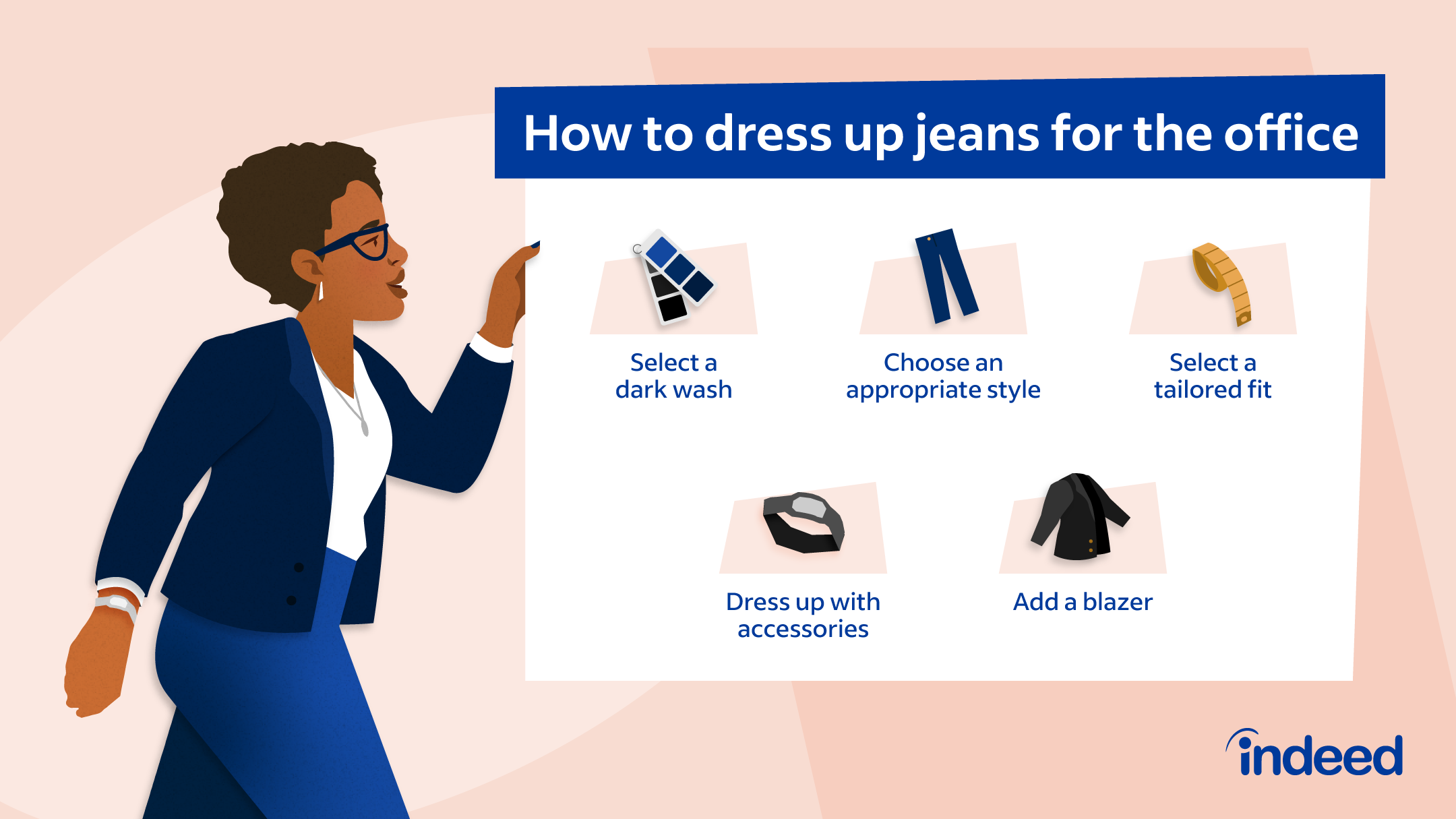
Bonus tip: If you’re new to business casual, take a photo of your outfit before you leave home. This helps you see how you look and spot any issues.
Credit: ca.indeed.com
Frequently Asked Questions
What Is The Difference Between Business Casual And Smart Casual?
Business casual is usually more formal than smart casual. Business casual means dress pants or skirts, collared shirts, and closed shoes. Smart casual can include dark jeans, trendy sneakers, and more relaxed tops, but still looks neat.
Can I Wear Jeans For Business Casual?
It depends on the company. In many tech or creative offices, dark, clean jeans with no rips may be allowed. Always check your workplace rules before wearing jeans as business casual.
Are Sneakers Ever Okay For Business Casual?
Most traditional offices do not allow sneakers as business casual. Some modern workplaces may accept minimalist, clean sneakers, but running shoes or bright colors are not suitable. When in doubt, choose loafers or dress shoes.
How Should I Dress For A Business Casual Interview?
Choose classic business casual pieces: dress pants or a skirt, a neat blouse or shirt, and closed-toe shoes. Avoid loud patterns and too much jewelry. It’s better to be slightly more formal than too relaxed for an interview.
Where Can I Find More Examples Of Business Casual Outfits?
Many fashion websites and career blogs show business casual ideas. For reliable advice and photo examples, you can check Business Insider.
Adopting business casual doesn’t have to be hard or expensive. With the right approach, you can look professional, feel comfortable, and fit in anywhere that calls for this modern dress code. As work environments keep changing, mastering business casual is a skill that will serve you well for years to come.
