

Can You Swim in Rash Guards: Ultimate Guide to Safe Waterwear
Are you wondering if you can swim in rash guards and still stay comfortable and protected? Rash guards have become popular gear for water lovers, but you might be unsure if they’re designed for swimming or just for sun protection.
Knowing the answer can help you enjoy your time in the water without worrying about your gear. Keep reading to discover how rash guards work in the water and whether they are the right choice for your next swim.
Credit: www.titlenine.com
Rash Guards And Their Purpose
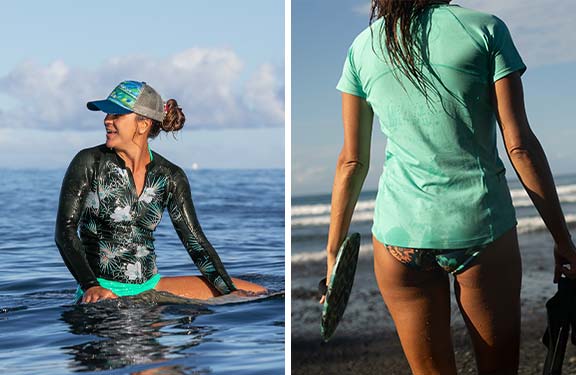
Rash guards are special shirts designed for water activities. They protect your skin from irritation and sunburn. People wear them while swimming, surfing, or snorkeling. These shirts fit snugly to stop rashes caused by friction. They also help keep you warm in cool water.
Rash guards have become popular for many water sports. Their purpose goes beyond just style. They offer practical benefits that improve your experience in the water.
Material And Design
Rash guards are made from stretchy, quick-drying fabrics. Common materials include polyester and spandex. These fabrics allow free movement and comfort. The design is tight to prevent rubbing against the skin. Some rash guards have extra panels for durability. They often come with flatlock seams to avoid chafing.
Protection Benefits
Rash guards protect against sunburn with built-in UV protection. They block harmful rays better than regular shirts. The snug fit stops sand and salt from irritating the skin. They also reduce the risk of cuts and scrapes from surfboards or rocks. Wearing a rash guard helps keep your skin safe and comfortable.
Swimming In Rash Guards
Swimming in rash guards is common among many water sports enthusiasts. These shirts offer extra protection from the sun and skin irritation. They can also keep you warm in cooler water. Many swimmers wonder if rash guards work well for regular swimming.
Rash guards are designed to fit snugly and move with your body. This design helps swimmers feel comfortable without extra drag. They are made from materials that dry quickly and resist water damage. Let’s explore how rash guards perform in the water.
Comfort And Fit
Rash guards fit tightly to avoid loose fabric in the water. This tight fit reduces drag and helps you swim faster. The material is stretchy, allowing full movement of arms and shoulders. It feels smooth on the skin and prevents chafing. Many swimmers find rash guards more comfortable than regular shirts.
Water Performance
Rash guards are made from nylon or polyester blends. These fabrics dry quickly and resist water absorption. They keep you light in the water, not heavy or soaked. The tight fit helps you glide through the water easily. Rash guards do not slow your swimming speed.
Durability In Water
Rash guards hold up well in chlorinated pools and saltwater. They resist damage from sun exposure and repeated use. The fabric stays strong and keeps its shape over time. You can swim often without worrying about tears or fading. Rash guards last longer than regular cotton shirts in water.
Safety Advantages Of Rash Guards
Rash guards offer more than just style and comfort. They provide important safety benefits while swimming or doing water sports. These shirts protect your skin from harmful sun rays, reduce irritation, and guard against injuries. Wearing rash guards keeps you safe and comfortable in the water.
Uv Protection
Rash guards block harmful ultraviolet (UV) rays from the sun. UV rays can cause sunburn and skin damage. Most rash guards have a UPF rating to measure protection. A high UPF rating means less UV rays reach your skin. This helps prevent sunburn and lowers skin cancer risk.
Skin Irritation Prevention
Water activities often cause skin irritation from salt, sand, or surfboards. Rash guards create a smooth barrier between your skin and these irritants. This reduces itching, redness, and rashes. Wearing a rash guard keeps your skin calm and comfortable.
Injury And Abrasion Shield
Rash guards protect your skin from cuts and scrapes. They cover your body and reduce friction with rough surfaces. This helps prevent scrapes from rocks, coral, or equipment. Rash guards act like a shield against minor injuries in the water.
Credit: swimzip.com
Choosing The Right Rash Guard
Choosing the right rash guard makes a big difference in comfort and protection. A good rash guard fits well and feels soft on your skin. It keeps you safe from sunburn and irritation while swimming. Picking the right one helps you enjoy water activities without any trouble.
Fabric Types
Rash guards come in different fabrics. Nylon and polyester are popular choices. They dry quickly and feel light on the skin. Some have spandex for stretch and better fit. Look for fabric that resists chlorine and saltwater. This keeps your rash guard lasting longer.
Sizing Tips
Fit matters a lot for rash guards. Choose one that fits snug but not too tight. Too loose means it can move and irritate skin. Too tight can limit your movement and feel uncomfortable. Check size charts before buying. Remember, sizes can vary by brand.
Features To Look For
Look for rash guards with flatlock seams. They reduce chafing during swimming. A UPF rating helps block harmful sun rays. Some have mesh panels for extra breathability. Long sleeves protect more skin from the sun. Think about what you need for your activity.
Care And Maintenance For Rash Guards
Rash guards need proper care to stay in good shape. Taking care of them helps keep their colors bright and the fabric strong. Simple steps can make your rash guard last longer.
Washing Guidelines
Rinse your rash guard with cold water after each swim. Use mild soap or detergent to wash it by hand. Avoid bleach or fabric softeners. Do not use a washing machine, as it can damage the fabric.
Drying And Storage
Air dry your rash guard in a shady spot. Avoid direct sunlight to prevent fading. Do not use a dryer or iron. Fold it neatly and store in a cool, dry place.
Longevity Tips
Wear your rash guard only in water activities. Avoid rough surfaces that can cause tears. Rinse it after swimming in chlorinated or salt water. Regular care keeps it stretchy and comfortable.
Alternatives To Rash Guards
Rash guards are popular for water activities, but some people want other options. Alternatives to rash guards can offer different benefits. They protect your skin and keep you comfortable in the water. Here are some good choices for swimwear besides rash guards.
Swim Shirts
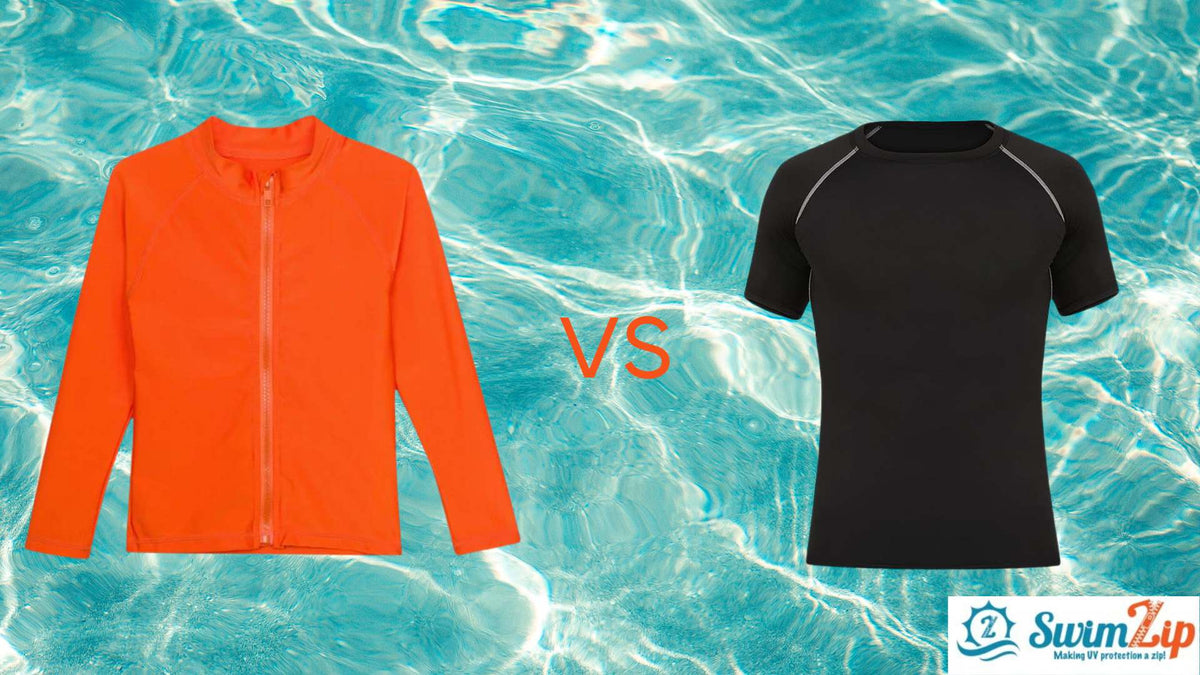
Swim shirts look like rash guards but often have looser fits. They dry quickly and block harmful sun rays. Swim shirts come in many colors and styles. They work well for casual swimming and beach days.
Wetsuits
Wetsuits keep you warm in cold water. They fit tightly and trap a thin layer of water inside. This layer heats up from your body heat. Wetsuits also protect from scrapes and jellyfish stings. They are best for surfing, diving, and cold swims.
Other Waterwear Options
Other waterwear includes board shorts, swim trunks, and water shoes. Board shorts are loose and good for active water sports. Swim trunks are simple and comfortable for swimming. Water shoes protect your feet on rocky or rough surfaces. Choose what fits your activity and comfort level.

Credit: www.platinumsun.com
Frequently Asked Questions
Can You Swim While Wearing Rash Guards?
Yes, rash guards are designed for swimming. They provide sun protection, reduce chafing, and improve comfort in water activities.
Are Rash Guards Suitable For All Water Sports?
Rash guards suit many water sports like surfing, snorkeling, and swimming. They offer flexibility, quick-drying fabric, and UV protection.
Do Rash Guards Protect Against Sunburn?
Yes, rash guards have UPF ratings to block harmful UV rays. They help prevent sunburn during prolonged water exposure.
Can Rash Guards Replace Traditional Swimsuits?
Rash guards can replace swimsuits for coverage and protection. However, they may feel less breathable than standard swimwear.
Conclusion
Rash guards work well for swimming. They protect skin from sun and irritation. The material dries quickly and feels light. Many swimmers enjoy wearing them in pools or oceans. They also help keep muscles warm. Choose a rash guard that fits well for comfort.
Swim confidently while staying safe and protected. Try one on your next swim to see the benefits yourself.
