

How to Treat Shin Guard Rash: Effective Remedies for Quick Relief
If you play sports or train regularly, shin guard rash can be a real pain. That irritating redness, itching, or even blistering under your shin guards can keep you from performing your best.
But you don’t have to suffer through it or stop your routine. You’ll discover simple and effective ways to treat shin guard rash quickly and prevent it from coming back. Keep reading to get your skin back to feeling comfortable and stay focused on the game.
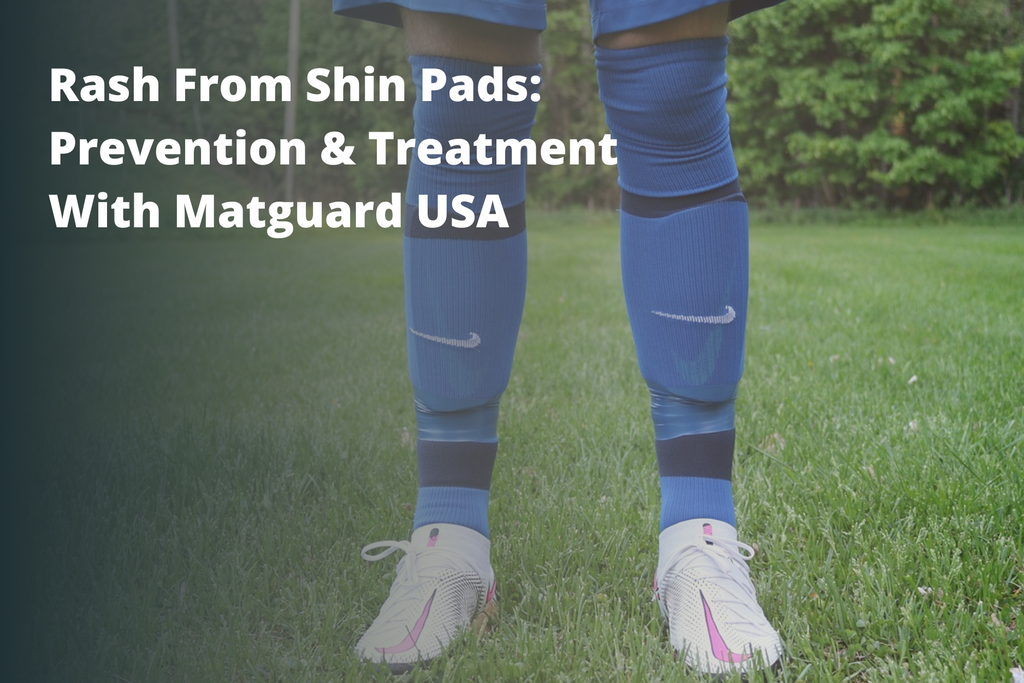
Credit: matguardusa.com
Causes Of Shin Guard Rash
Shin guard rash is a common skin problem for many athletes. It causes redness, itching, and discomfort on the lower legs. Understanding the causes helps to treat and prevent this rash effectively.
Friction And Sweat
Shin guards rub against the skin during movement. This constant friction can irritate the skin. Sweat makes the skin moist and soft, increasing irritation. Sweat also traps dirt and bacteria, making the rash worse.
Material Sensitivity
Some people have allergies to shin guard materials. Foam, plastic, or fabric can cause skin reactions. Synthetic materials often cause itching and redness. Wearing guards made from natural or hypoallergenic materials helps reduce sensitivity.
Poor Hygiene
Not cleaning shin guards regularly spreads bacteria and fungi. Dirty guards increase the risk of infections. Bacteria thrive in warm, damp environments inside the guards. Washing and drying guards after each use keeps skin healthy.

Credit: www.shinnerz.com
Symptoms To Watch For
Shin guard rash can cause discomfort and affect your daily activities. Recognizing the symptoms early helps you treat it quickly. Watch for signs on your skin after wearing shin guards. These signs tell you that your skin needs care.
Redness And Irritation
Redness is the first sign of shin guard rash. It appears where the guard touches your skin. The area may feel warm and look inflamed. Irritation causes your skin to feel sore or tender. This shows your skin is reacting to friction or sweat.
Blisters And Sores
Blisters are small, fluid-filled bumps on your skin. They develop from constant rubbing or pressure. Sores may form if the skin breaks or cracks. These wounds can be painful and need gentle care. Avoid popping blisters to prevent infection.
Itching And Discomfort
Itching is a common symptom of shin guard rash. It can make you want to scratch the skin. Scratching may worsen the rash or cause more damage. Discomfort can also include burning or stinging sensations. These feelings show your skin is healing or irritated.
Immediate Care Steps
Shin guard rash can cause discomfort and irritation. Acting fast helps reduce pain and prevent infection. Follow these immediate care steps to soothe the skin and start healing right away.
Cleaning The Affected Area
Gently wash the rash with lukewarm water. Use a mild soap that does not sting. Avoid scrubbing; pat the area dry with a clean towel. Keeping the skin clean stops bacteria from causing infection.
Applying Cold Compress
Place a cold compress on the rash for 10 to 15 minutes. This reduces swelling and eases itching. Use a clean cloth to wrap ice or a cold pack. Never apply ice directly to the skin to avoid frostbite.
Avoiding Further Irritation
Do not wear shin guards until the rash heals. Avoid tight clothing that rubs the skin. Keep the area dry and exposed to air as much as possible. This prevents worsening and speeds up recovery.

Credit: storelli.com
Home Remedies For Relief
Shin guard rash can cause discomfort and irritation. Treating it early helps speed healing and eases pain. Home remedies offer simple ways to relieve symptoms without harsh chemicals. These natural treatments soothe the skin and prevent infection.
Try these easy options to calm your rash and help your skin recover faster.
Aloe Vera Gel
Aloe vera gel cools the skin and reduces redness. It has natural anti-inflammatory properties. Apply a thin layer of pure aloe vera gel to the rash area. Let it dry before covering or putting on shin guards. Use it twice daily for best results.
Antibacterial Ointments
Antibacterial ointments stop bacteria from infecting broken skin. Gently clean the rash with mild soap and water before applying ointment. Cover the area with a breathable bandage if needed. Use the ointment as directed until the rash heals.
Moisturizing Creams
Moisturizing creams prevent dryness and cracking of irritated skin. Choose a fragrance-free, gentle cream to avoid further irritation. Apply the cream after cleaning the rash and drying the skin. Repeat several times daily to keep skin soft and smooth.
Preventing Shin Guard Rash
Preventing shin guard rash helps keep your skin healthy and pain-free. Taking simple steps can stop irritation before it starts. Proper care of your shin guards and skin is key. Follow these tips to avoid rash and enjoy your sports safely.
Choosing The Right Shin Guards
Select shin guards that fit your legs well. Too tight or too loose causes friction and skin damage. Look for guards with soft padding and smooth edges. Lightweight materials help reduce sweat and heat buildup. Comfortable guards reduce rubbing and prevent rash.
Proper Cleaning And Drying
Clean your shin guards after every use. Dirt and sweat create bacteria that irritate your skin. Use mild soap and warm water for cleaning. Air dry guards completely before wearing them again. Avoid storing damp guards in bags or lockers. Dry gear lowers chances of rash and infection.
Using Protective Barriers
Wear thin sleeves or shin guard socks under your gear. These barriers reduce direct skin contact and friction. Choose breathable fabrics that absorb sweat well. Protective layers keep your skin dry and safe. They act as a simple shield against rubbing and rash.
When To See A Doctor
Knowing when to see a doctor for shin guard rash is important. Most rashes heal with home care. Some rashes need medical attention to avoid problems. Watch for signs that show the rash is serious. Early care can stop infections and other issues.
Signs Of Infection
Redness spreading beyond the rash area is a warning. Warm skin around the rash may mean infection. Pus or yellow fluid coming from the rash is a bad sign. Fever or chills can also show infection. Seek medical help if these signs appear.
Persistent Rash
A rash lasting more than two weeks needs a doctor’s check. If the rash does not improve with creams or cleaning, see a doctor. Constant itching or pain with no relief is a concern. Some rashes need special treatment to heal well.
Severe Pain Or Swelling
Strong pain that gets worse is not normal. Swelling around the rash may mean deeper skin damage. Difficulty moving the leg or foot can happen with severe swelling. Sudden or increasing pain and swelling require prompt medical care.
Frequently Asked Questions
What Causes Shin Guard Rash During Sports Activities?
Shin guard rash is caused by friction, sweat, and prolonged contact with the guard. Poorly fitting guards and lack of padding worsen the irritation.
How Can I Prevent Shin Guard Rash Effectively?
To prevent rash, wear moisture-wicking sleeves, ensure proper guard fit, and keep skin clean and dry. Regularly wash shin guards to reduce bacteria.
What Home Remedies Help Soothe Shin Guard Rash?
Apply cold compresses, use aloe vera gel, and keep the area clean. Over-the-counter hydrocortisone cream can reduce itching and inflammation.
When Should I See A Doctor For Shin Guard Rash?
Consult a doctor if rash worsens, shows signs of infection, or does not improve after a week of treatment.
Conclusion
Treating shin guard rash starts with keeping the skin clean and dry. Use gentle soap and avoid harsh scrubbing. Apply a soothing cream or ointment to reduce irritation. Wear clean, well-fitting shin guards to prevent future rash. Take breaks from wearing guards to let your skin breathe.
Watch for signs of infection, like redness or pus. Early care helps the rash heal faster. Stay consistent with these steps for the best results. Healthy skin means more comfort during your games and practices.
