

Can You Put Gym Clothes in the Dryer? Expert Tips Explained
Can You Put Gym Clothes In The Dryer
Anyone who exercises regularly faces the same question: What is the best way to dry gym clothes? Washing your workout gear is only half the battle. You also want to keep your athletic wear fresh, clean, and in top condition for as long as possible. But after a sweaty run, a tough HIIT class, or a long session at the gym, is it safe to toss your gym clothes in the dryer—or will that damage them?
This is not just about convenience. Drying your gym clothes the right way can make the difference between gear that lasts for years and gear that quickly loses its shape, performance, or comfort. If you want to know whether you can put gym clothes in the dryer, how to do it safely, or if you should avoid dryers altogether, you’re in the right place.
We’ll break down everything you need to know, using clear language and real examples, so you can feel confident next laundry day.
Why Gym Clothes Are Special
Gym clothes are not like regular cotton T-shirts or jeans. Most activewear is made from advanced synthetic fabrics such as polyester, nylon, spandex (Lycra/Elastane), or blends of these materials. These fabrics are chosen because they wick moisture away from your body, stretch easily, and are lightweight. But those same features make them sensitive to heat.
Common Materials In Gym Clothes
- Polyester: Wicks sweat, dries quickly, but can shrink or lose shape with high heat.
- Nylon: Strong and smooth, but can melt if overheated.
- Spandex/Elastane: Offers stretch and flexibility, but breaks down with frequent high heat.
- Mesh panels: Used for ventilation, but delicate and can tear in dryers.
Why These Fabrics React To Heat
Synthetic fibers have a lower melting point than natural fibers like cotton. High heat can weaken the fibers, cause them to shrink, lose elasticity, or even melt. This is why many gym clothes lose their fit or become see-through after repeated cycles in a hot dryer.
What Happens If You Put Gym Clothes In The Dryer
Throwing gym clothes straight into the dryer may seem harmless, but it can create several problems over time.
Potential Damage
- Loss of Shape: High temperatures can cause spandex and elastane to lose their stretch, making clothes saggy.
- Faded Colors: Heat can fade bright colors or printed logos and designs.
- Pilling: Friction in the dryer creates little fabric balls on the surface, making the clothes look old.
- Melting or Warping: Nylon and some mesh panels can melt or deform, especially if your dryer runs hot.
- Weakened Fibers: Heat breaks down the structure of synthetic fabrics, reducing lifespan.
Shorter Lifespan
Studies show that activewear dried on high heat loses its stretch and shape twice as fast as air-dried gear. This means more frequent replacements, costing you money and contributing to waste.
Credit: www.logotech.com
Dryer Settings: Is There A Safe Way?
If you really need to use the dryer, the good news is that you don’t always have to avoid it completely. The key is choosing the right settings and being careful.
Best Dryer Settings For Gym Clothes
- Low Heat or Air Fluff: These settings use gentle or no heat. They’re much safer for synthetic fibers.
- Delicate or Gentle Cycle: Reduces tumbling and friction, lowering the risk of pilling.
- Short Dry Time: Remove clothes as soon as they’re dry to avoid overexposure to heat.
| Dryer Setting | Heat Level | Recommended for Gym Clothes? |
|---|---|---|
| High Heat | Very Hot | No |
| Medium Heat | Warm | No |
| Low Heat | Cool | Yes (with caution) |
| Air Fluff/No Heat | None | Best Option |
| Delicate | Low | Yes |
How To Tell If Your Dryer Is Safe
Check your dryer’s manual for cycle descriptions. If you’re unsure, pick the lowest heat setting and shortest cycle available. Some dryers have a sportswear or activewear setting—these are usually designed for synthetic fabrics but always double-check before using.
Reading Care Labels: Your First Step
Every piece of gym clothing has a care label—usually inside the waistband or along a seam. This label gives the manufacturer's recommended washing and drying instructions.
Understanding Symbols
- Square with a circle inside: Tumble dry allowed.
- One dot inside the circle: Low heat only.
- Two or more dots: Medium or high heat—rare for gym clothes.
- Crossed-out circle: Do not tumble dry.
What If The Label Is Missing?
If you cut off the label or it faded, assume the safest option: air dry or use only the lowest dryer setting. It’s better to be cautious, especially with expensive performance gear.
Air Drying Vs. Machine Drying
Now, let’s compare air drying and machine drying for gym clothes.
| Method | Advantages | Disadvantages |
|---|---|---|
| Air Drying | - Preserves shape and elasticity - Reduces shrinking and pilling - Saves energy |
- Takes longer - Needs space for hanging |
| Machine Drying | - Fast - Easy, convenient |
- Can cause damage - Uses more energy |
Air drying is almost always the safest for gym clothes, especially if they have lots of stretch or mesh panels. But if you’re in a hurry, a low-heat dryer cycle can be a compromise.
How To Air Dry Gym Clothes Properly
Air drying isn’t just about hanging clothes anywhere. Doing it right can prevent musty smells, mildew, and stretched-out seams.
Steps For Effective Air Drying
- Shake Out Clothes: Removes wrinkles and helps them dry evenly.
- Hang or Lay Flat: Use a drying rack, not hangers, for clothes with lots of stretch (like leggings or sports bras).
- Space Apart: Don’t overlap clothes; airflow is key.
- Choose a Well-Ventilated Spot: Near a window, fan, or outside on a shaded balcony.
- Flip Once During Drying: Speeds up the process and prevents damp spots.
Pro Tips
- For clothes that dry slowly (like thick leggings), towel off excess water before hanging.
- Avoid drying in direct sunlight for long periods; UV rays can fade colors and break down fabric.
How To Use The Dryer Safely (if You Must)
Sometimes, you’re in a rush, or you live somewhere humid and air drying just isn’t practical. Here’s how to minimize damage if you need to use the dryer.
Dryer Dos
- Turn Clothes Inside Out: Protects colors and prints.
- Use a Mesh Laundry Bag: Reduces friction and pilling.
- Dry Similar Fabrics Together: Avoids over-drying lighter pieces.
- Remove Promptly: Take gym clothes out as soon as the cycle ends to prevent wrinkles and heat exposure.
Dryer Don’ts
- Don’t Overload: Clothes won’t dry evenly, and some may overheat.
- Don’t Use Dryer Sheets: They coat synthetic fibers and reduce moisture-wicking ability.
- Don’t Use High Heat: Even once can damage elastic fibers permanently.
Example
If you have a favorite pair of compression leggings, turn them inside out, place them in a mesh bag, and select a delicate, low-heat cycle for 10–20 minutes. Check them before the timer ends—if they’re already dry, remove immediately.
Special Considerations For Different Types Of Gym Clothes
Not all gym gear is the same. How you dry it can depend on the type.
Leggings And Compression Wear
These contain a lot of spandex. They stretch to fit and offer support. High heat destroys spandex quickly, making the fabric loose or see-through. Air drying is best, but if you must use a dryer, always use low or no heat and a laundry bag.
Sports Bras
Sports bras often have padding or molded cups. High heat can warp these shapes or cause foam to break down. Remove pads if possible and air dry both the bra and pads separately.
Athletic Shorts And T-shirts
If made from polyester or nylon blends, they’re more forgiving, but still sensitive to heat. Use low heat or air fluff, and avoid dryer sheets.
Socks
Performance socks may have synthetic blends and elastic bands. Over-drying can make them lose grip. Air dry or use delicate dryer cycles.
Technical Outerwear (jackets, Windbreakers)
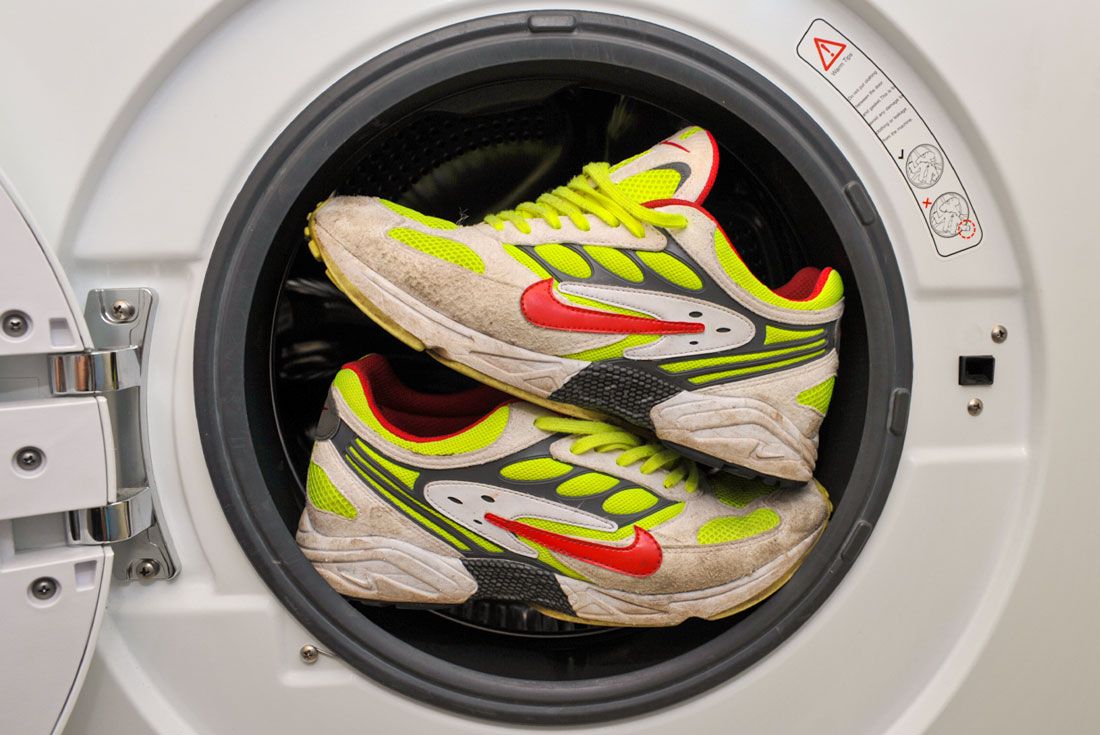
Some jackets have waterproof coatings or special membranes. Heat can cause these to peel or crack. Always air dry unless the label specifically says tumble dry is okay.
Credit: aeroclubcomo.com
Common Mistakes When Drying Gym Clothes
It’s easy to make small errors that add up to big problems. Here are mistakes to avoid:
- Ignoring the Care Label: Always check for special instructions.
- Mixing Heavy and Light Fabrics: Towels dry slower than T-shirts; mixing them can cause over-drying.
- Using High Heat for Speed: Quick results, but long-term damage.
- Leaving Clothes in the Dryer: Heat continues to damage fibers even after the cycle is over.
- Skipping the Laundry Bag: Direct contact with the dryer drum increases wear.
How Drying Affects Odor And Bacteria
Sweat, oils, and bacteria can build up in gym clothes. Dryers can kill some germs, but not all, unless you use very high heat—which, as we’ve learned, is bad for synthetic fabrics.
How To Prevent Odors
- Wash Clothes Promptly: Don’t let sweaty gear sit for days.
- Use Sports Detergents: These are designed for synthetic fabrics and can help remove odor-causing bacteria.
- Fully Dry Clothes Before Storing: Damp clothes attract mildew and smell worse.
Non-obvious Insight
If your clothes still smell after washing and drying, try soaking them in a solution of vinegar and water before washing again. This can break down sweat residue that regular washing misses.
How Dryer Use Impacts Performance Features
Many gym clothes are designed with moisture-wicking, compression, or anti-microbial technology. High heat can destroy these benefits:
- Moisture-Wicking: Dryer sheets and high heat block the fabric’s ability to move moisture away.
- Compression: Elastic fibers break down, reducing support.
- Anti-Microbial: Special coatings can wash or burn off.
If you want your gym clothes to keep their technical benefits, stick with low heat or air drying.
Saving Money And The Environment
Air drying uses no electricity, reduces your energy bill, and is much gentler on clothes. Using your dryer less often also means your appliance will last longer. For those who care about the environment, this is a small but meaningful step.
When Is It Okay To Use The Dryer?
There are situations when using the dryer makes sense:
- You need your gym gear fast for a last-minute workout.
- You live in a damp climate where air drying is slow or causes mildew.
- Your gym clothes are labeled “tumble dry low” by the manufacturer.
- You already own older items and are not worried about long-term wear.
In these cases, follow the low-heat, short-cycle rules.
How To Tell If Your Gym Clothes Are Damaged
Dryer damage does not always show up right away. Here’s what to watch for:
- Loose waistband or cuffs: Elastic feels weak.
- Faded colors or logos: Prints crack or peel.
- Thin patches or holes: Usually in high-friction areas.
- Loss of compression: Leggings or bras don’t feel snug.
- Persistent odor: Fabric isn’t wicking sweat as before.
If you notice these signs, it’s time to change your drying habits.
How To Extend The Life Of Your Gym Clothes
With a few simple habits, your gym clothes can last much longer:
- Wash less often: Only wash when dirty—overwashing wears out fibers.
- Wash with similar fabrics: Reduces friction in both washing and drying.
- Skip fabric softeners and dryer sheets: They coat performance fibers.
- Store in a dry, cool place: Prevents mildew and helps the fabric recover between wears.
What About Gym Bags, Gloves, And Accessories?
These items also need proper care. Most gym bags and gloves are made with synthetic or mixed materials.
- Gym bags: Wipe down with a damp cloth, air dry thoroughly.
- Gloves: Spot clean and hang to dry.
- Headbands and wristbands: Wash in a mesh bag, air dry.
Never put these items in a hot dryer—they can warp, shrink, or lose grip.
Myths And Misconceptions
There are a few common myths about drying gym clothes:
- “High heat kills all bacteria and odor.” Not true for synthetic fabrics—you’ll damage the gear before killing all germs.
- “If it’s expensive, it’s more durable.” Even high-end brands use the same delicate synthetics.
- “The dryer always shrinks clothes.” It’s not just shrinking—losing stretch, fading, and pilling are bigger risks.
What The Experts Recommend
Laundry experts and most activewear brands suggest air drying as the first choice. If you must use a dryer, choose the gentlest settings and avoid over-drying. The difference in how long your gear lasts can be huge—sometimes doubling its lifespan.
For more about fabric care and laundry science, you can refer to Consumer Reports.
Non-obvious Insights
- Even low heat adds up over time. If you use the dryer every week, small damage builds up. Try air drying at least every other wash.
- Washing and drying together matter. Cold water washes plus air drying protect gym clothes best. Hot water plus hot drying is the worst combination.
Frequently Asked Questions
Why Do My Gym Clothes Smell Bad Even After Drying?
Sweat and bacteria can become trapped in synthetic fibers. Dryers do not always kill these odors, especially on low heat. Try washing with a sports detergent, avoid dryer sheets, and air dry completely. Soaking in vinegar and water can also help remove deep odors.
Can I Put All My Gym Clothes In The Dryer Together?
Not all gym clothes are the same. Check care labels and separate delicate items (like sports bras with pads or mesh-panel leggings) from sturdier items (like polyester shorts). Dry similar fabrics together for even drying and less risk of damage.
Will Using The Dryer Shrink My Gym Clothes?
Shrinkage is less common with synthetic gym clothes than with cotton, but high heat can cause some items to shrink or lose their shape. More often, you’ll notice loss of stretch, fading, or pilling instead of shrinking.
What Should I Do If I Accidentally Dried My Gym Clothes On High Heat?
Remove them from the dryer as soon as possible and lay them flat to cool. Check for melted or warped spots. If they seem okay, switch to air drying or low heat for future washes to avoid more damage.
Are There Any Gym Clothes That Can Safely Go In The Dryer?
Some brands design gym clothes for tumble drying on low heat. Always check the label. Items made mostly from polyester (without spandex or mesh) are more tolerant of low heat, but air drying is still safer for long-term performance.
Drying your gym clothes the right way is not just about keeping them looking good—it’s about protecting the technology and comfort that make them worth buying. While it’s tempting to toss everything in the dryer for speed, a bit of care can double the life of your gear, save you money, and help the environment.
When in doubt, air dry. If you must use the dryer, stick to low heat, gentle cycles, and quick removal. Your future workouts—and your wallet—will thank you.
Credit: shop.haierindia.com
