

Gymnastics Clothes Ideas: Stylish Outfits for Every Practice
Gymnastics Clothes Ideas
Gymnastics is a sport that blends grace, strength, and flexibility. What you wear for gymnastics matters more than many people think. The right clothes can boost your confidence, protect your body, and even improve your performance. But with so many styles, fabrics, and brands available, choosing the best gymnastics clothes can be confusing.
Whether you are a parent, athlete, or coach, understanding what works (and what doesn’t) is essential.
This guide will help you discover practical gymnastics clothes ideas. You’ll learn what to wear for different occasions, how to choose the right materials, and which trends are worth following. You’ll also get tips that most beginners miss, so you can avoid common mistakes.
Get ready to find clothes that feel great, look sharp, and let you focus on your routine.
Why Gymnastics Clothes Matter
Gymnastics is all about movement. Clothes that fit well help you stretch, spin, and jump without distraction. Tight or loose clothes can both be a problem. Too tight, and you might feel restricted. Too loose, and your outfit can catch on equipment or slip during routines.
Proper gymnastics clothes also protect your skin from friction and mat burns. Good quality fabric helps with sweat control and reduces the risk of rashes. Plus, what you wear can impact how coaches and judges see your technique. The right style highlights your form, making every movement clear.
Types Of Gymnastics Clothes
Different gymnastics activities may need different clothing. Here are the most popular types, with details on when and why to use each.
1. Leotards
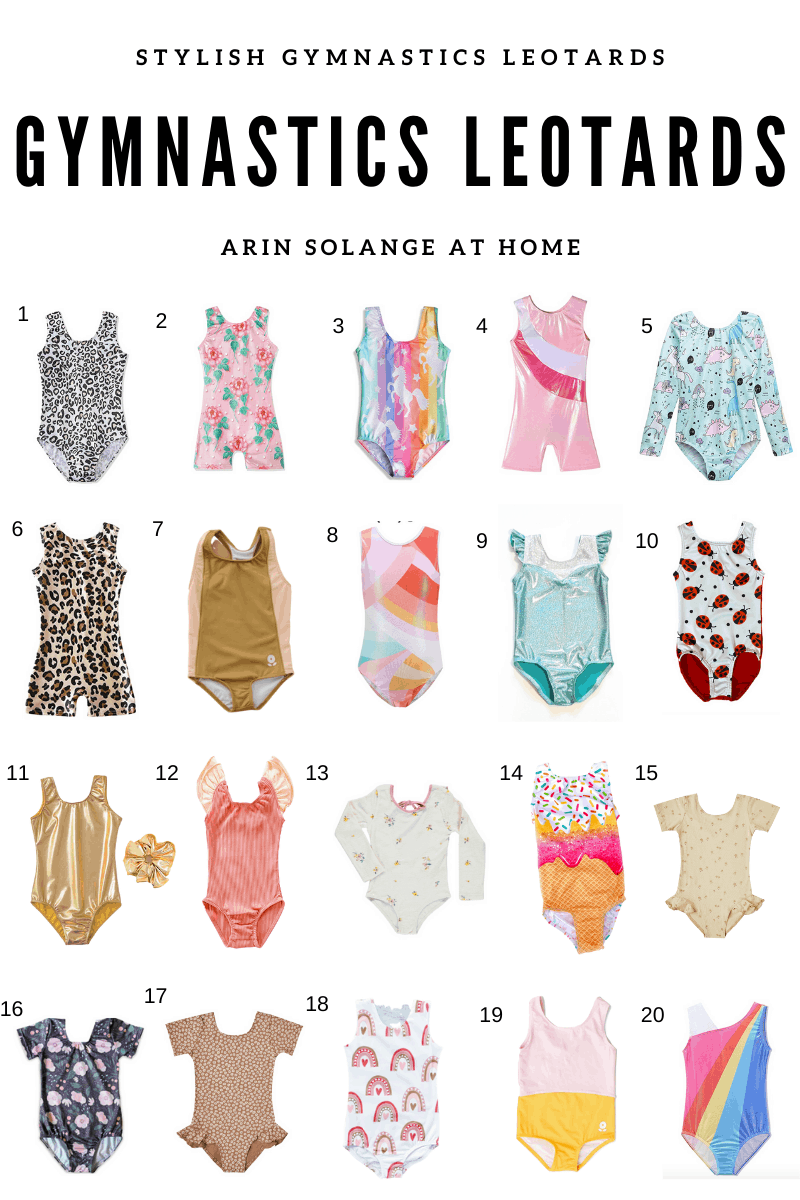
Leotards are the classic choice for gymnasts. They are one-piece outfits that allow full freedom of movement. Leotards come in long-sleeve, short-sleeve, and sleeveless styles.
- Long-sleeve leotards: Good for competitions and colder gyms. They look elegant and give a smooth line to the body.
- Sleeveless leotards: Great for practice and hot climates. They keep you cool and are easy to move in.
Many leotards come with sparkles, mesh, or unique prints. For beginners, a simple design is enough. Advanced gymnasts might choose leotards that match their team or routine theme.
2. Unitards
A unitard covers the torso and legs, sometimes with sleeves. It’s popular for rhythmic gymnastics, acrobatics, or athletes who want more coverage.
- Benefits: No risk of the outfit riding up. Comfortable for floor routines.
- Downside: Can feel warm in hot environments.
Unitards are also a good choice for boys or for gymnasts who prefer less skin exposure.
3. Gym Shorts
Gym shorts are often worn over leotards during practice. They provide extra comfort, especially for those who feel self-conscious in just a leotard.
- Look for shorts made from stretchy materials, like spandex or lycra.
- Avoid shorts with zippers, buttons, or pockets—these can catch on equipment.
Boys often wear fitted shorts or trunks with a tank top or compression shirt.
4. Leggings And Capris
Leggings and capris are becoming more common, especially in training. They provide leg protection and warmth, making them good for stretching or conditioning sessions.
- Full-length leggings: Ideal for cool gyms or warm-ups.
- Capris: Stop below the knee, so they don’t catch on feet or equipment.
Choose seamless designs to avoid irritation.
5. Crop Tops And Sports Bras
Female gymnasts sometimes wear crop tops or sports bras with shorts or leggings, especially in tumbling or dance-based gymnastics.
- Sports bras offer support during intense movement.
- Crop tops are good for hot weather or when you want more airflow.
Always pick moisture-wicking fabrics.
6. Warm-up Jackets And Pants
Before and after routines, gymnasts wear warm-up jackets and pants. These keep muscles warm to prevent injuries.
- Jackets often have zippers for quick removal.
- Pants should be easy to pull off over shoes.
Many teams use matching warm-ups for a professional look.
7. Grips And Wristbands
While not “clothes,” grips and wristbands are essential for gymnasts working on bars.
- Grips protect hands from blisters.
- Wristbands prevent friction burns.
Pair these with fitted leotards or shirts for full comfort.
8. Socks And Footwear
Most gymnastics is done barefoot, but some events (like trampoline) allow grip socks or half shoes.
- Grip socks help prevent slipping.
- Half shoes give extra support for tumbling or dance moves.
Check your gym’s rules before buying footwear.
Choosing The Right Fabric
Fabric is just as important as style. The best gymnastics clothes use materials that stretch, breathe, and last.
| Fabric | Pros | Cons | Best For |
|---|---|---|---|
| Lycra/Spandex | Very stretchy, fits like a second skin | Can feel hot after long wear | Leotards, shorts |
| Nylon | Strong, lightweight, dries fast | May pill after much use | Leggings, unitards |
| Cotton blends | Soft, breathable, easy to wash | Less stretchy, absorbs sweat | Practice wear |
| Mesh | Great for ventilation, stylish | Less durable, can snag | Leotard inserts, sleeves |
Pro tip: Always check the care label. Some fabrics need special washing to keep their shape and sparkle.
Gymnastics Clothes For Different Age Groups
What works for a small child might not be right for a teen or adult. Here’s how needs change with age.
Children
Young gymnasts need clothes that are easy to put on and take off, with plenty of stretch. Bright colors and fun prints make practice more enjoyable. Avoid clothes with itchy seams or tags.
- Leotards with snaps at the bottom are helpful for very young children.
- Shorts over leotards offer extra comfort for shy kids.
Teens
Teens often care more about style and fit. They may want unique designs, shiny fabrics, or team colors. But comfort and coverage are still key.
- Sports bras become more important for support.
- Matching sets (leotard and scrunchie) are popular.
Adults
Adult gymnasts need high-performance fabrics and a fit that supports their body type. Many prefer simple, classic looks.
- Unitards or leggings offer more coverage.
- Layering is common for warm-ups.
Non-obvious insight: Don’t buy clothes “to grow into.” Ill-fitting outfits can make skills harder to learn at any age.
Gymnastics Clothes For Boys
Boys’ gymnastics clothes are different from girls’, especially for competition.
- Shirts or singlets: Fitted tops that won’t roll up.
- Shorts or pants: Worn over leotards for floor, vault, or pommel horse.
- Stirrups: Some competition pants have stirrups to keep them from moving.
For training, boys often wear tank tops and shorts. Fabrics and fit matter just as much as for girls.
How To Choose The Best Gymnastics Clothes
Picking the right gymnastics clothes means thinking about fit, style, budget, and personal needs. Here’s what to consider.
- Fit: Clothes should fit snugly without pinching or sagging. Try moving your arms and legs in the fitting room—if anything feels tight or loose, try another size.
- Stretch: Look for at least 10-20% spandex/lycra content. This allows for big movements without tearing seams.
- Breathability: Mesh panels, open backs, or thin fabrics help you stay cool.
- Durability: Reinforced stitching and thick fabric last longer, especially in high-wear areas like shoulders and hips.
- Style: Choose colors and prints you love, but avoid designs that distract from your body line in competition.
- Care: If you don’t want to hand wash, avoid delicate fabrics or lots of sequins.
- Price: You don’t need the most expensive brand. Many mid-range brands offer excellent quality.
Common mistake: Buying based only on looks. Performance and comfort are always more important.
Latest Trends In Gymnastics Clothes
Fashion in gymnastics changes just like any other sport. Here are some current trends:
- Metallic fabrics: Shiny leotards in silver, gold, or bright colors catch the light during routines.
- Unique back designs: Strappy or mesh backs add style and ventilation.
- Eco-friendly materials: Some brands use recycled fabrics or natural dyes.
- Personalized designs: Adding names, team logos, or custom colors is popular for groups.
Keep in mind that some competitions have rules about colors, logos, or decorations. Always check before buying a new outfit.
Practical Tips For Gymnastics Clothes
Little things can make a big difference. These tips help you get more from your gymnastics wardrobe.
- Wash new clothes before wearing. This removes chemicals and reduces skin reactions.
- Use a garment bag for washing leotards with rhinestones or mesh.
- Air-dry clothes instead of using a dryer. Heat can damage elastic fibers.
- Have at least two outfits for practice, so you always have a clean set ready.
- Keep a spare scrunchie or hair tie in your gym bag.
- Avoid lotions or oils on your body before wearing stretchy fabrics—they can break down the material.
Non-obvious insight: Test your outfit with all types of movement before wearing it to the gym. Some clothes feel fine when standing but slip or bunch up during flips.
Credit: gymnasticshq.com
Gymnastics Clothes For Special Needs
Some gymnasts need adaptive clothing. This can include:
- Sensory-friendly leotards: Made with flat seams, tagless labels, and soft fabrics.
- Easy-on designs: Magnetic closures or wide necks for athletes with limited mobility.
- Custom fits: For gymnasts with unique body shapes or sizes.
Talk to your coach or a specialist brand if you need something specific. The right fit can make a huge difference in comfort and performance.
How To Care For Gymnastics Clothes
Proper care keeps your gymnastics clothes looking new and fitting well.
- Wash after every use. Sweat and chalk can damage fabric if left too long.
- Use mild detergent. Harsh chemicals fade colors and break down elastic.
- Wash in cold water. Hot water shrinks and weakens stretchy fibers.
- Turn clothes inside out. This protects sparkles and prints.
- Avoid fabric softener. It leaves residue that reduces stretch.
- Hang or lay flat to dry. Avoid direct sunlight to prevent fading.
| Care Step | Why It Matters |
|---|---|
| Hand wash delicate items | Prevents damage to mesh, sequins, or rhinestones |
| Air out after practice | Reduces odor, helps fabric last longer |
| Store flat or hanging | Prevents wrinkles and keeps shape |
Non-obvious insight: Never iron gymnastics clothes. The heat ruins stretchy fabrics and decorations.
Credit: www.etsy.com
Where To Shop For Gymnastics Clothes
Finding the right store makes shopping easier. Options include:
- Sports specialty stores: These often have knowledgeable staff and allow you to try before buying.
- Online retailers: Huge variety and easy price comparison. Check reviews for size and quality.
- Second-hand shops: Good for practice wear, but check for stretched or worn spots.
- Team orders: Many gyms order matching sets for competitions, sometimes at a discount.
When shopping online, always check the return policy. Sizing can vary between brands.
How To Save Money On Gymnastics Clothes
Gymnastics clothes can be expensive, especially as kids grow. Here’s how to save:
- Buy basics in neutral colors. These mix and match with anything.
- Shop end-of-season sales. Last year’s styles are often much cheaper.
- Swap with teammates. If you outgrow something, see if someone else can use it.
- Choose washable sparkles. Some decorations wash off quickly; look for “wash-tested” leotards.
- Take care of what you have. Good washing and storage routines make clothes last.
Pro tip: Don’t buy too many outfits at once. Needs and tastes change as you gain experience.
Credit: arinsolangeathome.com
Gymnastics Clothes For Competitions Vs. Practice
What you wear to practice is not always right for competition.
Practice Clothes
- Comfort is the main goal.
- You can choose fun prints, looser shorts, or mix-and-match pieces.
- Focus on durability, since practice clothes get a lot of wear.
Competition Clothes
- Must follow your gym or event rules.
- Simple colors (often black, white, or team colors) are best.
- Clothes should highlight your lines and have a professional look.
- Avoid anything that could fall off (loose bows, extra sequins).
Many gymnasts keep one special leotard just for competitions.
Mistakes To Avoid When Choosing Gymnastics Clothes
Even experienced gymnasts make mistakes when picking out what to wear. Here are some common ones:
- Choosing style over comfort. If you can’t move well, you can’t perform well.
- Buying the wrong size. Too small can tear; too big can slide or bunch.
- Ignoring care instructions. Some fabrics need gentle washing.
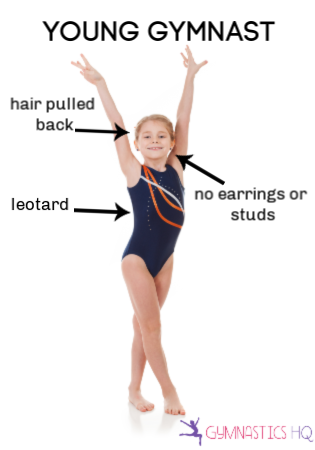
- Forgetting about hair accessories. Loose hair can be a safety risk.
- Wearing jewelry. This can get caught, hurt you, or break during routines.
- Not trying on before buying. Always move around to test the fit.
Non-obvious insight: Try your full routine in new clothes before an event. Practice small fixes—like pulling a leotard down or adjusting straps—so you’re ready if something shifts.
How To Personalize Your Gymnastics Clothes
Adding a personal touch to your clothes can boost your confidence and help you stand out.
- Iron-on patches: Show off your team or favorite designs.
- Monograms: Add your name or initials to warm-ups.
- Custom scrunchies: Match your leotard or team colors.
- Rhinestone kits: Add sparkle, but keep it simple for competition.
Check your gym’s rules for personalization, especially for official events.
Safety Considerations
Safety is always the top priority in gymnastics. Clothes play a role in keeping you safe.
- Avoid ties, strings, or loose pieces that can catch on equipment.
- Make sure all fasteners are secure and don’t poke the skin.
- For younger kids, avoid small decorations that could become choking hazards.
- Test grip socks or shoes for slip resistance before using in routines.
Non-obvious insight: Clothes that are too tight can restrict blood flow or make breathing hard during intense routines.
Comparing Popular Gymnastics Clothes Brands
There are many brands for gymnastics clothes. Here’s a quick comparison of some popular options.
| Brand | Known For | Price Range | Best Feature |
|---|---|---|---|
| GK Elite | High-quality competition leotards | Mid to high | Huge style selection |
| Destira | Fun prints and practice wear | Low to mid | Affordable basics |
| Ozone | Unique designs, team orders | Mid | Customization options |
| Snowflake Designs | Sensory-friendly and custom leotards | Mid | Soft fabrics, great for sensitive skin |
Always read reviews and ask teammates for recommendations.
Gymnastics Clothes Packing Tips
Packing your gym bag with the right clothes and extras can make your training or competition day smoother.
- Pack an extra set of practice clothes, just in case.
- Bring a spare hair tie and scrunchie.
- Include a small towel for sweat.
- Use a mesh bag for dirty clothes.
- Carry travel-size stain remover for emergencies.
Non-obvious insight: Pack a small sewing kit for quick repairs—loose seams can happen anytime.
Inspiration From Top Gymnasts
Many gymnasts look to the pros for ideas. Top athletes often wear bold colors, creative prints, or minimalist designs. But what you don’t see is the focus on fit and function. Even the most stylish leotards are chosen for comfort and performance first.
Some famous gymnasts work with brands to create their own collections. If you like a certain look, see if that brand offers the same style in your size and price range.
For more inspiration, you can check major gymnastics competitions or visit the Gymnastics Wikipedia page.
Frequently Asked Questions
What Should A Beginner Gymnast Wear To Their First Class?
A beginner should wear a simple leotard or fitted tank top with shorts. Avoid loose clothes, zippers, or buttons. Bare feet are usually best unless your gym says otherwise.
How Many Leotards Does A Gymnast Need?
For most, two to three leotards are enough—one for practice, one for competitions, and one backup. More are useful if you train several times a week.
Can You Wear Jewelry Or Watches In Gymnastics?
No. Jewelry and watches are not safe for gymnastics. They can catch on equipment or scratch you. Remove all jewelry before class.
How Do You Wash Leotards With Rhinestones Or Sequins?
Turn leotards inside out and hand wash in cold water with mild detergent. Don’t use bleach or fabric softener. Air dry flat to protect decorations.
What Should Boys Wear For Gymnastics?
Boys should wear a fitted tank top or singlet with shorts or gymnastics pants. For competition, follow your gym’s guidelines for color and style.
Gymnastics is a sport where clothes do more than cover your body—they help you shine, stay safe, and perform your best. Take time to find clothes that fit well, feel great, and suit your personal style. With the right choices, you’ll be ready for anything the gym throws your way.
