

Can I Wear Leggings to the Gym? Essential Tips and Style Guide
Can I Wear Leggings To The Gym?
Choosing what to wear to the gym can feel confusing, especially if you are new to working out or visiting a gym for the first time. One of the most common questions is: Can I wear leggings to the gym? You might notice some people in shorts, others in sweatpants, and many in leggings. Are leggings really okay? Will you feel comfortable? Are there any rules or things you should know before walking into the gym in your favorite pair? This article answers those questions in detail, so you can feel confident about your gym outfit choice. We’ll cover why leggings are popular, how they compare to other workout clothes, what the etiquette is in different gym settings, and tips to help you pick the right pair for your needs.
Why Leggings Are Popular For The Gym
Leggings have become a go-to choice for many people at the gym. There are some clear reasons for this. First, they are usually made from stretchy, flexible materials that move with your body. This makes them comfortable for a wide range of activities, from weightlifting to yoga to running on the treadmill.
Another reason is moisture-wicking fabric. Many leggings are designed to pull sweat away from your skin, keeping you dry and comfortable. This helps prevent chafing and skin irritation, which can happen with cotton or non-athletic pants.
Leggings also offer support and compression. Some gym leggings are designed to hug your muscles, which may help reduce muscle fatigue during exercise. This compression can also give you a feeling of being “held in,” which many people find boosts their confidence while working out.
Finally, leggings come in many colors, patterns, and styles. This allows for personal expression and, sometimes, motivation. When you feel good in your workout clothes, you may be more likely to stick to your exercise routine.
Comparing Leggings To Other Gym Clothing
You might wonder how leggings stack up against other common gym clothing like shorts, sweatpants, or joggers. Each type has its own strengths and weaknesses. Here’s a side-by-side comparison:
| Clothing Type | Comfort | Flexibility | Breathability | Support | Common Uses |
|---|---|---|---|---|---|
| Leggings | High | Excellent | Moderate to High | Good (if compression) | Yoga, running, weightlifting |
| Shorts | High | Good | High | Low | Cardio, HIIT, warm climates |
| Sweatpants | Moderate | Low to Moderate | Low | Low | Warm-up, cool-down, light activity |
| Joggers | High | Moderate | Moderate | Low | Casual gym, walking |
As the table shows, leggings are often the most flexible and supportive option, making them especially suitable for activities that require a lot of movement or stretching.
The Benefits Of Wearing Leggings To The Gym
There are several advantages to choosing leggings for your workout:
1. Full Range Of Motion
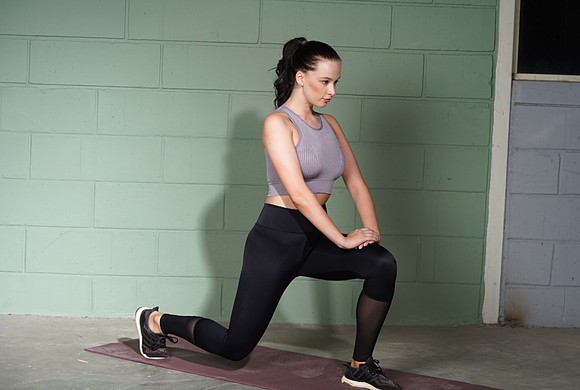
Leggings are designed to move with your body. This means you can perform deep squats, lunges, and stretches without restriction. Unlike some shorts or sweatpants, leggings won’t ride up or bunch during exercise.
2. Moisture Control
Good gym leggings use synthetic materials like polyester, nylon, or spandex. These fabrics wick sweat away, helping to regulate your body temperature and keep you comfortable even during tough workouts.
3. Reduced Chafing
Seamless or flat-seam leggings help prevent the rubbing and irritation that can happen with other clothing. This is especially important for activities that involve repetitive motion, such as running.
4. Modesty And Coverage
Many people appreciate the coverage that leggings provide. They allow you to move freely without worrying about exposing too much skin. This can be important for those who feel self-conscious or want to maintain modesty.
5. Versatility
Leggings are not just for the gym. You can wear them to and from your workout, for errands, or even at home. This versatility makes them a practical part of any wardrobe.
Are Leggings Allowed In All Gyms?
Most gyms welcome leggings, but there are a few exceptions and things to consider. Gym dress codes vary from place to place.
Some high-end gyms or boutique studios may have specific rules about clothing. For example, they might ask for covered knees or ban certain styles for hygiene or safety reasons. However, these rules are rare, and the vast majority of mainstream gyms accept leggings as normal workout attire.
If you are unsure, it’s a good idea to check the gym’s website, ask at the front desk, or look for posted signs about dress code. In most cases, as long as your leggings are not see-through and are clean, you will have no problems.
Religious Or Cultural Considerations
In some countries or communities, gyms may have additional guidelines to respect local customs. For example, some women-only gyms may allow leggings but require a longer top. Always respect local expectations and ask if you have questions.
How To Choose The Right Leggings For The Gym
Not all leggings are created equal. Here are some important things to consider when choosing leggings for your workout:
Material Matters
Look for leggings made from performance fabrics such as polyester, nylon, or blends with spandex. These materials stretch, wick moisture, and dry quickly. Avoid pure cotton leggings—they absorb sweat and can become heavy and uncomfortable.
Opacity
One of the biggest concerns with leggings is whether they are see-through when you bend or squat. To avoid embarrassment, do a “squat test” in the dressing room or at home: bend deeply and check in a mirror to see if your underwear shows.
Fit And Compression
The right fit should be snug but not too tight. Some people prefer leggings with compression, which can help support muscles and improve blood flow. Others prefer a lighter, more relaxed fit. Try on different styles to see what feels best for you.
Waistband Style
High-waisted leggings offer more support and are less likely to slide down during exercise. Some people find mid-rise or low-rise styles more comfortable for certain activities. Choose what makes you feel secure.
Length
Leggings come in full-length, 7/8 length, and capri or cropped styles. Your choice depends on personal preference and climate. Full-length leggings are warmer, while shorter styles are cooler and may be better for hot gyms or summer workouts.
Pockets And Details
Some gym leggings include pockets for your phone or keys, mesh panels for extra breathability, or reinforced seams for durability. These features can add convenience and comfort.
Potential Drawbacks Of Wearing Leggings
While leggings are a top choice for many, they do have some disadvantages to consider:
Heat Buildup
In very hot gyms or during intense workouts, leggings may feel too warm, especially if they are thick or not breathable. If you sweat a lot, look for lightweight, moisture-wicking options.
Hygiene Issues
Tight leggings can trap sweat and bacteria against the skin. Always wash your leggings after each use to prevent odor and skin irritation. Avoid wearing the same pair for multiple workouts without washing.
Durability
Cheap or low-quality leggings may stretch out, fade, or develop holes quickly. Investing in a high-quality pair can save money over time.
Modesty Concerns
Some people feel self-conscious in leggings because they are form-fitting. If you feel uncomfortable, try pairing your leggings with a longer top or tunic for extra coverage.
Gym Etiquette: Wearing Leggings Respectfully
Wearing leggings to the gym is usually acceptable, but a few etiquette tips can help you feel comfortable and confident:
- Make sure your leggings are clean and in good condition—no holes or obvious stains.
- Choose leggings that are opaque and not see-through, especially for exercises like squats or deadlifts.
- Respect the gym’s dress code or guidelines if there are any.
- If you sweat heavily, bring a towel to wipe down equipment after use.
- Consider others’ comfort—avoid loud prints or slogans that might be distracting in certain settings.
Leggings For Different Types Of Workouts
Not all workouts are the same, and certain types of leggings work better for some activities than others. Here is how to match your leggings to your favorite exercise:
Weightlifting
Look for leggings with a high waistband and strong compression. These offer support during lifts and prevent the waistband from rolling down.
Running
Choose lightweight, breathable leggings with moisture-wicking properties. Flat seams help prevent chafing on long runs.
Yoga And Pilates
Go for soft, stretchy, and seamless leggings that allow you to move freely. Non-slip waistbands are helpful so your leggings stay in place during poses.
Hiit Or Cardio Classes
Opt for leggings that are both breathable and supportive. Mesh panels or ventilation zones can help keep you cool.
Group Fitness Or Dance
Fun prints and colors can boost your motivation. Make sure the leggings are squat-proof and comfortable for lots of movement.
How To Style Leggings For The Gym
Leggings are easy to style and can help you feel confident. Here are some simple ideas:
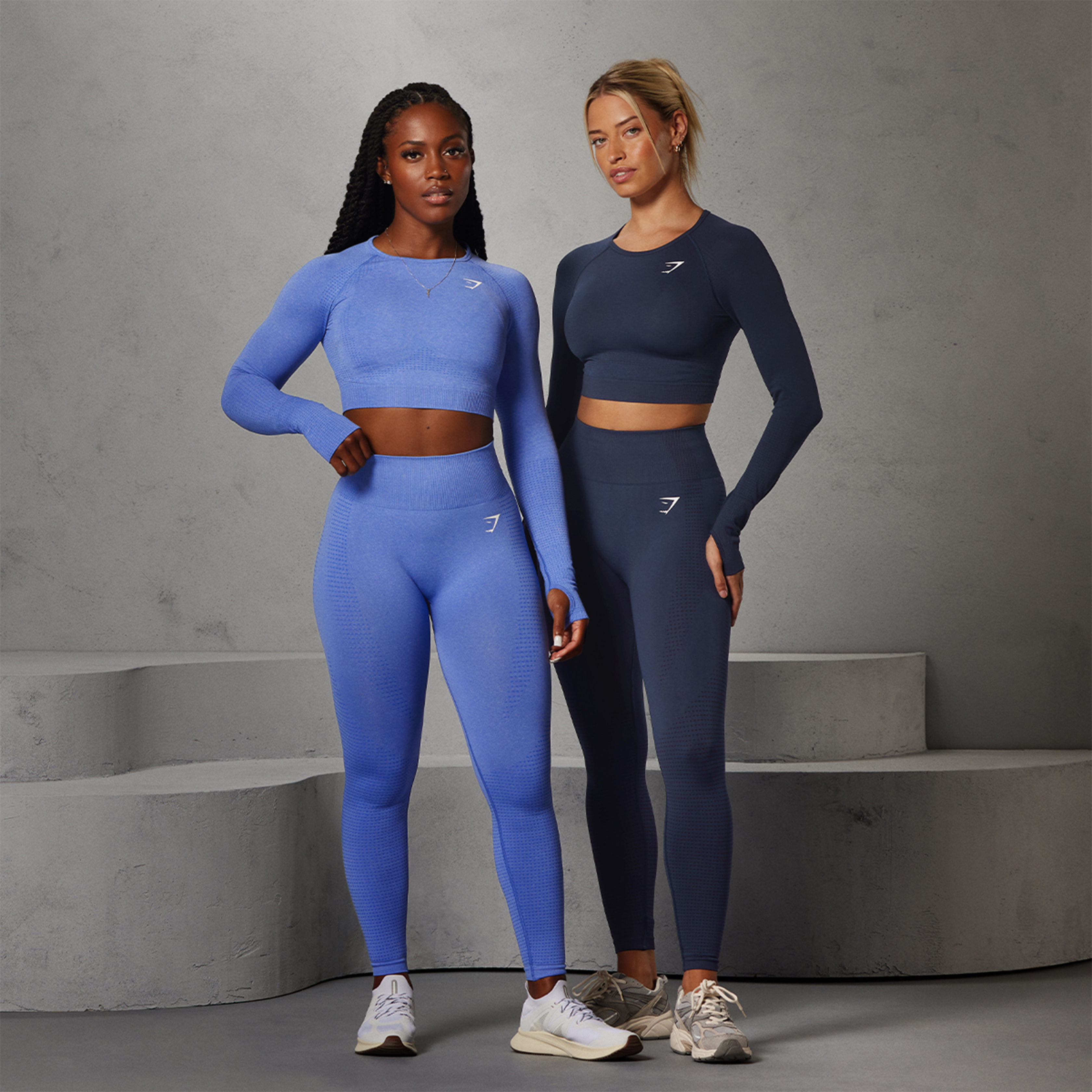
- Pair high-waisted leggings with a fitted crop top or a longer tank for more coverage.
- Throw on a lightweight jacket or hoodie for warming up or cooling down.
- Add performance socks and supportive athletic shoes to complete your look.
- If you prefer modesty, wear a tunic-length top or a gym skirt over your leggings.
Common Myths About Wearing Leggings To The Gym
There are several myths about leggings and gym attire. Let’s clear them up:
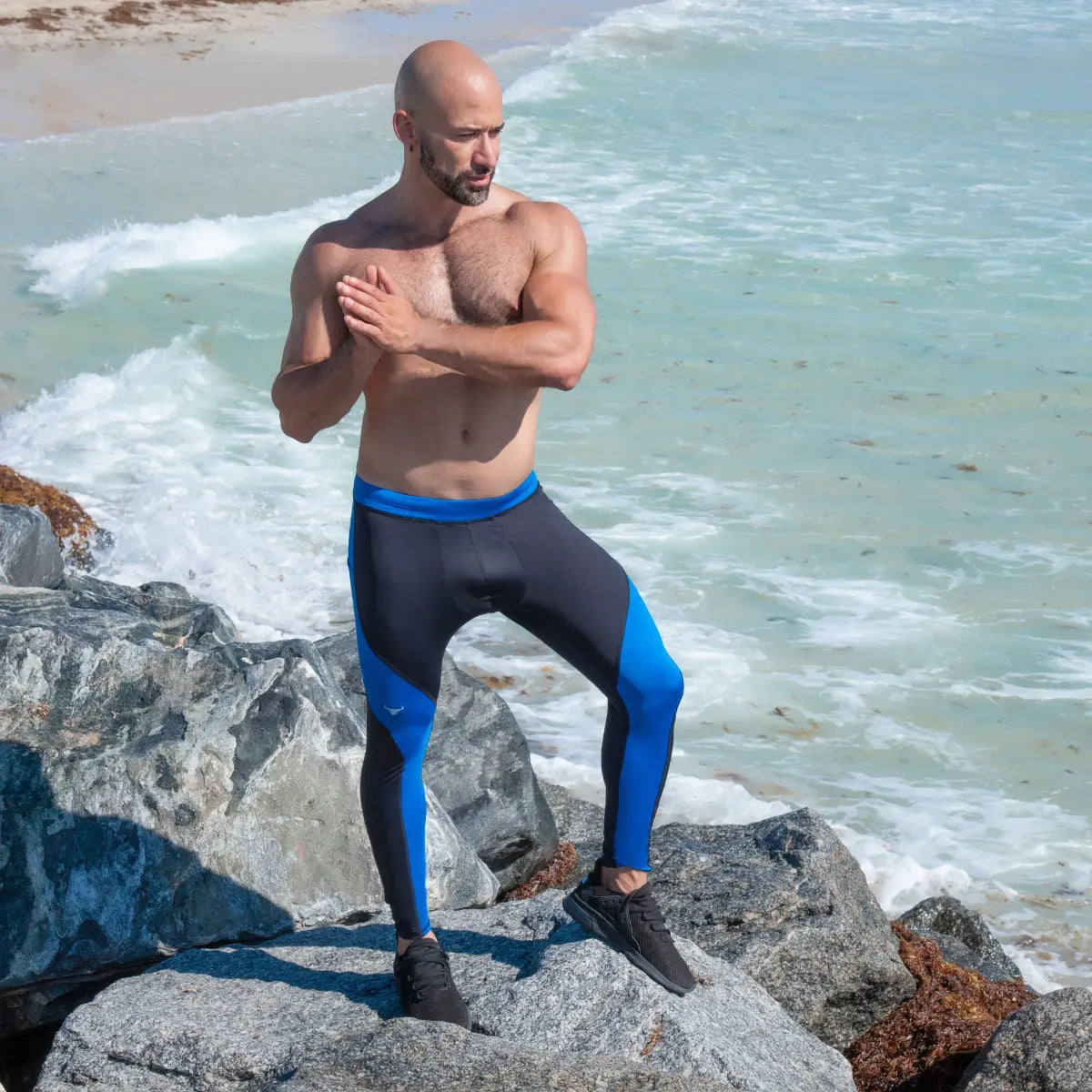
- Leggings are only for women. This is not true. Many men wear athletic leggings (sometimes called “compression tights”) for running, cycling, or training.
- Leggings are not professional. In the gym, leggings are seen as standard athletic wear and are completely appropriate.
- Leggings lose shape quickly. High-quality leggings maintain their fit and elasticity for a long time if cared for properly.
- Leggings cause health problems. Wearing clean leggings that fit well is safe. Problems usually arise only if you wear unwashed leggings or ones that are too tight.
- All leggings are the same. There are huge differences in material, construction, and fit. Picking the right pair makes a big difference in comfort and performance.
What To Avoid When Wearing Leggings To The Gym
Even though leggings are popular, some mistakes can make your workout less comfortable:
- Avoid leggings made of cotton—they absorb sweat and can cause chafing.
- Don’t wear see-through or worn-out leggings.
- Skip leggings with uncomfortable seams that dig into your skin.
- Avoid styles that are too loose or too tight—they can restrict movement or cause discomfort.
Leggings Versus Compression Tights
Some people use the terms “leggings” and “compression tights” interchangeably, but there are differences. Compression tights are designed to apply gentle pressure to muscles, which can aid circulation and reduce muscle soreness. Leggings may not offer this feature unless labeled as compression.
Here’s a quick comparison:
| Feature | Standard Leggings | Compression Tights |
|---|---|---|
| Material | Stretchy, soft | Stretchy, firmer |
| Fit | Comfortable, flexible | Snug, supportive |
| Purpose | General workouts, casual | Improved blood flow, muscle support |
| Price | Varies | Usually higher |
Choose compression tights if you want more support or are recovering from an injury. For most gym activities, regular leggings are fine.
How To Care For Your Gym Leggings
Proper care extends the life of your leggings and keeps them hygienic. Here are some tips:
- Wash after every use to remove sweat and bacteria.
- Use cold water and a gentle cycle. Hot water can damage elastic fibers.
- Avoid fabric softeners—they can clog moisture-wicking fabrics.
- Hang dry or lay flat. High heat from dryers can weaken the material.
- Store leggings folded or rolled to avoid stretching out the waistband.
Washing your leggings correctly prevents odor, extends their life, and keeps them looking new.
Price Ranges And What To Expect
Gym leggings are available at many price points, from budget-friendly to luxury. Here’s a breakdown of what you can expect:
| Price Range | What You Get | Brands (Examples) |
|---|---|---|
| Under $25 | Basic materials, fewer features, may wear out faster | Amazon Essentials, Old Navy |
| $25–$60 | Better fabrics, more color options, some compression | GapFit, 90 Degree by Reflex |
| $60–$100 | High-quality materials, good compression, stylish designs | Lululemon, Athleta, Nike |
| $100+ | Premium features, advanced fabrics, long-lasting | ALO Yoga, Sweaty Betty |
While expensive leggings may last longer, you can still find good quality at lower prices. Always check product reviews and try on different brands before buying.
Leggings For All Body Types
One of the strengths of leggings is their ability to fit many different body shapes. Most brands offer a range of sizes, including plus size and petite options. Here are a few tips for choosing the best fit:
- For curvier bodies, look for leggings with a wide, supportive waistband and extra stretch.
- For petite frames, try 7/8 or cropped lengths to avoid bunching at the ankle.
- For tall individuals, choose brands that offer “tall” sizing for extra length.
- If you have athletic thighs, opt for leggings with 4-way stretch and flat seams for comfort.
Always try on leggings before buying if possible, as sizing can vary between brands.
Sustainability And Ethical Choices
Many people want to make eco-friendly choices with their clothing. Some brands now offer leggings made from recycled materials or organic fabrics. These options reduce environmental impact and may use ethical labor practices.
If sustainability is important to you, check for certifications or information about a brand’s sourcing and manufacturing. For example, some companies use recycled polyester made from water bottles, or partner with organizations to ensure fair working conditions.
Credit: blog.shyaway.com
What The Experts Say
Fitness professionals often recommend leggings for gym workouts because of their versatility and comfort. According to the American Council on Exercise, wearing properly fitted, moisture-wicking clothing improves exercise performance and reduces risk of skin irritation (ACE Fitness).
Trainers often note that confidence in your gym attire can boost motivation and make you more likely to stick with a fitness routine. If leggings help you feel good about working out, they are a smart choice.
Non-obvious Insights About Wearing Leggings To The Gym
Here are two things beginners often overlook:
- Check the seams and stitching. Weak seams can split during deep squats or lunges, leading to embarrassing moments. Look for reinforced or flat-lock seams for durability.
- Mind the color and sweat marks. Light-colored leggings sometimes show sweat more visibly than dark colors. If you’re self-conscious, choose prints or darker shades.
These small details can make a big difference in how confident and comfortable you feel during your workout.
Frequently Asked Questions
What Should I Wear Under Leggings At The Gym?
Most people wear seamless underwear or thong styles to avoid visible lines. Choose moisture-wicking fabrics to stay dry. Some leggings are thick enough that you can go without underwear, but always choose what feels most comfortable and hygienic for you.
Credit: www.gymshark.com
Are Leggings Appropriate For Men In The Gym?
Yes, men can wear leggings—often called compression tights. Many male athletes wear them for running, cycling, or weightlifting. Some men layer shorts over their leggings if they prefer more coverage. The key is fit and comfort.
How Can I Tell If My Leggings Are Squat-proof?
Try the “squat test” at home: wear your leggings and squat in front of a mirror with good lighting. If you can see your underwear or skin, they are not fully squat-proof. Look for thicker fabrics or brands known for good coverage.
Credit: matadormeggings.com
How Often Should I Replace Gym Leggings?
Replace your leggings when you notice the fabric thinning, seams coming apart, or loss of elasticity. With regular use, this can be every 6–12 months. High-quality leggings may last longer with proper care.
Can I Wear Leggings For All Types Of Exercise?
Leggings are great for most gym activities, including weightlifting, yoga, running, and group classes. For very hot workouts or outdoor summer runs, you might prefer shorts or capri leggings for better ventilation.
Feeling good in your workout clothes can boost your confidence and help you get the most out of your gym session. Leggings are a popular, practical, and comfortable choice for people of all genders and body types. If you pick the right pair—paying attention to material, fit, and style—you can enjoy a comfortable and stylish workout every time.
Don’t be afraid to try different brands and styles until you find what works best for you. The most important thing is that you feel confident and ready to move. So, next time you head to the gym, go ahead and wear those leggings—you’ll likely fit right in and enjoy your workout even more.
