

Are Leggings Good for Workout? Benefits, Myths, and Tips
Are Leggings Good For Workout
When you walk into any gym or fitness class, you’ll see many people wearing leggings. These stretchy, form-fitting pants have become a favorite for both men and women during workouts. But are leggings really good for exercise, or is it just a trend? Choosing the right workout clothing can change how you feel, move, and perform. Leggings promise comfort, flexibility, and style, but there’s more to consider. In this article, we’ll look at the benefits, drawbacks, and practical tips about using leggings for workouts. You’ll learn how they compare to other types of workout pants, how to pick the best pair for your needs, and some mistakes to avoid. Whether you’re new to fitness or already active, understanding the real pros and cons of leggings will help you make smarter choices and boost your workout experience.
What Makes Leggings Popular For Workout
Comfort And Freedom Of Movement
One main reason why leggings are so popular is their comfort. The fabric is usually soft and smooth against the skin. Most leggings are made from materials like spandex, polyester, or blends that provide a lot of stretch. This allows your legs to move freely without feeling restricted. Whether you’re doing yoga, running, or lifting weights, leggings let you bend, squat, and stretch easily.
Moisture-wicking Properties
Good workout leggings often feature moisture-wicking technology. These fabrics pull sweat away from your skin, helping you stay dry and comfortable during intense exercise. This is especially useful for activities like cycling, HIIT, or hot yoga, where you sweat more.
Support And Compression
Some leggings offer compression. This means they gently squeeze your muscles, which can improve blood flow and reduce muscle fatigue. Compression leggings may help you recover faster after a tough workout, and some athletes believe they make their performance better.
Style And Versatility
Leggings come in many colors, patterns, and lengths. You can wear them in the gym, for running, or even as casual wear. They are easy to match with other workout gear, making them practical for both exercise and everyday use.
Leggings Vs. Other Workout Pants
When choosing workout pants, you have several options: leggings, shorts, joggers, and track pants. Let’s compare them to see how leggings stack up.
| Type | Fit | Material | Best For | Drawbacks |
|---|---|---|---|---|
| Leggings | Tight, stretchy | Spandex, polyester, nylon | Yoga, gym, running | Can show sweat, less air flow |
| Shorts | Loose or fitted | Cotton, polyester | Running, cardio | Less coverage, may ride up |
| Joggers | Loose, tapered | Cotton, fleece | Warm-ups, casual | Can feel bulky, less stretch |
| Track Pants | Straight, roomy | Polyester, cotton | Outdoor, sports | Limited flexibility |
Compared to other workout pants, leggings are the most form-fitting and flexible. They allow full movement, which is important for activities like yoga or Pilates. Shorts may be better for running on hot days, while joggers work well for warming up or casual wear. Each type has its own strengths, but leggings offer a unique mix of support, comfort, and versatility.
Key Benefits Of Wearing Leggings For Workout
1. Enhanced Mobility
Leggings are designed to stretch. This makes them ideal for exercises that need a wide range of motion, like lunges, squats, and stretches. You won’t have to worry about fabric bunching up or getting in your way.
2. Reduced Chafing
Because leggings fit close to the skin, they prevent chafing. Chafing happens when loose fabric rubs against your skin during movement, causing irritation. Leggings avoid this problem, making them better for longer workouts.
3. Temperature Control
Many leggings are made for temperature regulation. Some are lightweight and cool for summer, while others have thicker material for warmth in winter. You can choose leggings based on your local climate and workout needs.
4. Muscle Support
Compression leggings help support your muscles and joints. This can make your workout feel easier and may improve your recovery afterwards. Research shows that compression can reduce muscle soreness and swelling.
5. Confidence Boost
Wearing stylish, well-fitting leggings can make you feel more confident in the gym. You’ll focus less on adjusting your clothes and more on your workout.
6. Easy Care
Most leggings are machine washable and dry quickly. They don’t require special care, which makes them practical for busy people.
7. Versatility
Leggings can be worn for many types of workouts: gym, yoga, dance, cycling, and even hiking. You can also wear them casually outside the gym.
Potential Drawbacks Of Leggings During Workout
While leggings have many benefits, there are some downsides to consider.
1. Overheating
Some leggings are made from thick material, which can make you feel too warm during intense exercise. If you sweat a lot, choose lighter fabrics.
2. Sweat Visibility
Leggings may show sweat marks, especially lighter colors or thin material. This can make some people feel self-conscious.
3. Transparency Issues
Low-quality leggings can become see-through when stretched. This is called “sheerness,” and it can be embarrassing during squats or stretches. Always check the fabric before buying.
4. Limited Breathability
Because leggings fit tightly, air flow is limited. If you prefer more ventilation, shorts or loose pants may be better.
5. Possible Skin Irritation
Some people have sensitive skin and may react to synthetic fabrics. If you notice irritation, try leggings made from natural fibers or blends.
6. Sizing Problems
Finding the right size can be tricky. Leggings that are too tight may restrict movement; too loose, and they won’t stay in place. Look for brands with detailed sizing guides.
7. Price Variability
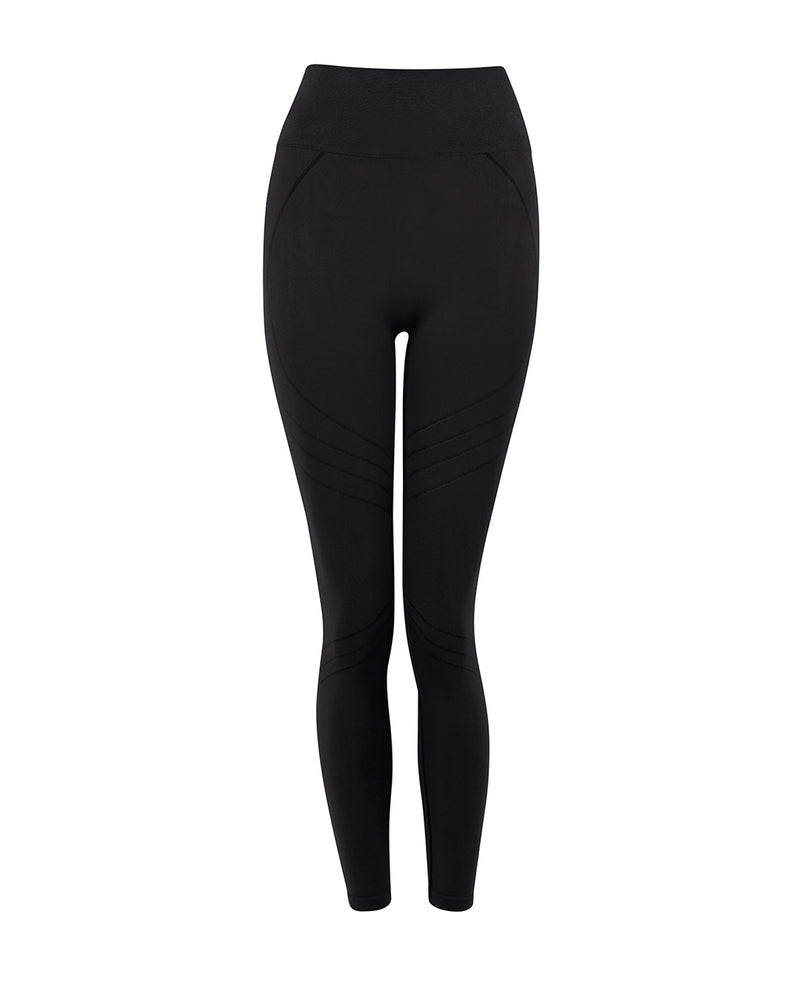
High-quality leggings can be expensive. Cheap versions may wear out quickly, lose shape, or become see-through.
Credit: prismlondon.com
How To Choose The Best Leggings For Your Workout
Selecting the right leggings is important for both comfort and performance. Here’s what to look for:
Material Quality
Choose leggings made from moisture-wicking, durable fabrics like polyester, spandex, or blends. Avoid pure cotton for intense workouts—it absorbs sweat and takes longer to dry.
Fit And Stretch
Leggings should fit snugly but not be too tight. Look for four-way stretch materials, which move in every direction. This is essential for activities like yoga or dance.
Waistband Design
A good waistband keeps leggings in place. High-waisted leggings offer more support and prevent slipping during movements. Some people prefer mid-rise or low-rise, but high-waisted is best for most workouts.
Opacity
To avoid transparency, check the leggings by stretching them before buying. Dark colors and thicker fabrics are less likely to be see-through.
Length
Leggings come in different lengths: full, 7/8, capri, and shorts. Choose based on your activity and climate. Full-length is good for cooler weather, while capri or 7/8 is ideal for warmer conditions.
Seams
Flat seams prevent chafing and irritation. Look for leggings with flatlock stitching for maximum comfort.
Pockets
Some leggings have pockets for keys, cards, or phones. This is useful if you’re running or going to the gym.
Brand Reputation
Buy from trusted brands with positive reviews. Quality matters, especially for leggings that stretch and move.
Comparing Leggings For Different Workouts
Not all leggings are equal. The best type depends on your workout.
| Workout Type | Recommended Leggings | Key Features |
|---|---|---|
| Yoga/Pilates | High-waist, soft, flexible | Four-way stretch, flat seams |
| Running | Compression, moisture-wicking | Pockets, reflective details |
| Strength Training | Opaque, thick fabric | Supportive waistband, squat-proof |
| HIIT/Cardio | Lightweight, breathable | Quick-dry, minimal seams |
| Cycling | Compression, padded | Muscle support, comfort |
| Outdoor | Thermal, windproof | Warmth, weather-resistant |
For yoga, choose leggings that stretch and breathe. For running, pick ones with compression and pockets. For strength training, squat-proof leggings are important. Each workout has unique needs, so match your leggings to the activity.
Common Mistakes When Using Leggings For Workout
Many people make errors when buying or wearing leggings for exercise. Here are some to avoid:
- Ignoring Opacity: Not testing for sheerness before wearing leggings can lead to embarrassment during squats or stretches.
- Choosing the Wrong Size: Too tight leggings can restrict movement, while too loose leggings may slide down.
- Buying Cheap Fabrics: Low-quality leggings lose shape, stretch out, and become see-through quickly.
- Skipping Moisture-Wicking: Cotton leggings hold sweat, making you uncomfortable and increasing the risk of skin irritation.
- Ignoring Seams: Bulky seams cause chafing. Always choose flatlock stitched leggings.
- Not Considering Activity Type: Some leggings are designed for yoga, others for running. Match your leggings to your workout.
- Neglecting Care Instructions: Washing leggings with harsh detergents or hot water can damage the fabric and elasticity.
- Skipping Pocket Options: For runners or gym-goers, pockets are practical. Don’t ignore this feature if you need to carry essentials.
Leggings And Body Positivity
One less-discussed benefit of leggings is their impact on body positivity. Leggings come in many sizes and shapes, fitting all body types. Wearing leggings can help people feel comfortable and confident, regardless of size or fitness level. The stretchy material adapts to curves, and high-waist designs offer extra support. Many brands now offer inclusive sizing, which helps more people enjoy the benefits of leggings.
Some fitness experts believe that feeling good in your workout clothes encourages you to exercise more often. When you’re not worried about your appearance or adjusting your clothes, you focus better on your workout.
Leggings For Men: Breaking The Stereotype
Leggings are not just for women. More men are wearing compression leggings (sometimes called tights) for sports and gym workouts. Men’s leggings offer the same benefits: muscle support, improved blood flow, and comfort. They’re popular in running, cycling, and team sports.
Men often wear leggings under shorts for extra coverage. This combination provides both flexibility and modesty. Some brands make leggings specifically for men, with thicker fabrics and special designs.
The trend is growing, as men realize that leggings can improve performance and recovery. It’s a practical choice, not just a fashion statement.
Leggings And Performance: What Science Says
Studies show that compression leggings can help athletes recover faster and reduce muscle soreness. For example, research published in sports medicine journals found that compression helps with blood circulation, which may lower swelling and fatigue.
However, not all leggings offer compression. Regular leggings provide comfort and flexibility, but may not affect performance directly. The main benefit is psychological—feeling comfortable and confident helps you focus and perform better.
For endurance athletes, compression leggings may help with long-distance runs or cycling. For regular gym-goers, the main advantage is freedom of movement and reduced chafing.
Practical Tips For Using Leggings During Workout
To get the most from your leggings, follow these tips:
- Test for Opacity: Stretch the fabric before buying. Make sure it stays opaque.
- Check Sizing Guides: Each brand’s sizing is different. Measure your waist and hips for a good fit.
- Pick the Right Fabric: For high-sweat activities, choose moisture-wicking materials.
- Look for Flat Seams: Prevent chafing with flatlock stitching.
- Choose High-Waist for Support: Keeps leggings in place during movement.
- Wash Properly: Use cold water and gentle detergent to maintain elasticity.
- Match Leggings to Workout: Use thicker leggings for strength training, lighter ones for cardio.
- Use Pockets if Needed: Handy for carrying keys, cards, or phone.
- Try Before You Buy: If possible, try on leggings or check reviews for fit and comfort.
Leggings And Gym Etiquette
Leggings are acceptable in most gyms and fitness studios. However, it’s important to follow gym etiquette:
- Avoid wearing see-through leggings.
- Keep your workout clothes clean and fresh.
- Don’t wear leggings with offensive designs.
- Respect others’ privacy and space.
If you’re unsure, check your gym’s dress code or ask staff. Wearing proper workout gear shows respect for yourself and others.
Caring For Your Workout Leggings
Leggings are easy to maintain, but proper care keeps them lasting longer.
Washing
- Wash in cold water with mild detergent.
- Avoid bleach or fabric softener.
- Turn leggings inside out to protect color and fabric.
Drying
- Air dry leggings if possible.
- If using a dryer, choose low heat.
Storing
- Fold leggings neatly.
- Avoid hanging, as it may stretch the fabric.
Following these steps helps keep your leggings in shape and prevents fading or stretching.
How Leggings Impact Your Workout Experience
Wearing leggings can change how you feel during exercise. Many people report:
- Feeling more comfortable and able to move freely.
- Reduced worries about adjusting their clothes.
- Improved focus on workouts.
- Less risk of skin irritation and chafing.
For some, leggings provide a psychological boost—they feel stronger, more confident, and ready to work out. This mental benefit is as important as the physical comfort.
Leggings In Fitness Trends And Culture
Leggings have become a symbol of fitness and active lifestyles. Many influencers and athletes promote leggings as their go-to workout gear. Brands release new designs and technologies often, like leggings with mesh panels, reflective strips, or antibacterial fabrics.
The rise of athleisure means people wear leggings outside the gym, blending exercise and everyday life. This trend makes leggings even more popular and accepted.
How To Avoid Buying Bad Leggings
With so many options, it’s easy to buy leggings that don’t work well for exercise. Here’s how to avoid mistakes:
- Check Reviews: Look for honest feedback from other buyers.
- Ask for Recommendations: Fitness trainers or experienced gym-goers can suggest good brands.
- Compare Fabrics: Avoid leggings with low spandex content—they won’t stretch enough.
- Look for Guarantees: Some brands offer returns if leggings don’t fit or perform well.
Making a smart choice saves money and improves your workout experience.

Credit: longitudeadvertising.com
Leggings And Sustainability
Many brands now offer eco-friendly leggings made from recycled materials. These are better for the environment and often just as comfortable as regular leggings. If sustainability matters to you, look for leggings with recycled polyester, organic cotton, or bamboo fibers.
Some brands also use less water and energy in production. Eco-friendly leggings may cost more, but they support a healthier planet.
Safety And Health Considerations
Leggings are generally safe for workouts, but a few health points matter:
- If you have skin allergies, choose natural fibers or hypoallergenic fabrics.
- Avoid wearing very tight leggings for long periods—they can restrict blood flow.
- Change out of sweaty leggings soon after exercise to prevent skin issues.
If you notice any irritation or discomfort, switch to a different material or fit.
Credit: belgian-beershop.ch
Real-world Examples: Who Uses Leggings For Workout?
Many professional athletes, fitness instructors, and regular gym-goers use leggings. For example:
- Yoga instructors prefer leggings for flexibility and comfort.
- Runners use compression leggings for support and reduced fatigue.
- Cyclists wear padded leggings for long rides.
- Strength trainers choose squat-proof leggings for confidence.
These examples show that leggings fit different workouts and needs.
Leggings In Group Fitness Classes
Leggings are common in group classes like Zumba, Pilates, spin, and dance. They allow full movement and keep you comfortable during fast-paced activity. Many instructors recommend leggings because they’re easy to wear and care for.
Some classes require specific attire, so check with your instructor. Most gyms accept leggings as standard workout gear.
Women’s Vs. Men’s Leggings: What’s Different?
Women’s leggings often have:
- Wider waistbands for support
- More colors and patterns
- Extra stretch for curves
Men’s leggings usually feature:
- Thicker materials for muscle support
- Special design for athletic build
- Fewer colors, more basic styles
Both offer similar benefits, but designs match the needs of each gender.
Leggings And Social Acceptance
Leggings are now widely accepted in gyms, parks, and fitness studios. Social attitudes have shifted, making it normal to wear leggings for exercise and even daily life.
Some workplaces allow athleisure wear, including leggings. The trend is global, and more people use leggings as both workout and casual clothing.
Leggings: Beyond Workout
Leggings are not just for exercise. People wear them for travel, lounging, shopping, and even work (if the dress code allows). The comfort and flexibility make them a favorite in many situations.
This versatility is another reason leggings are so popular. You get more value from one pair than from traditional workout pants.
Data: Leggings Market And Usage
Market research shows that leggings are one of the fastest-growing segments in sportswear. In recent years, sales of leggings increased by over 20% in many countries. Women’s leggings are especially popular, but men’s leggings are growing too.
Surveys show that:
- 65% of gym-goers prefer leggings over other workout pants
- 72% say leggings are more comfortable for exercise
- 58% wear leggings outside the gym at least once a week
These numbers prove that leggings are not just a trend—they are a staple in fitness culture.
Are Leggings Good For Workout? The Final Answer
After looking at all the facts, experiences, and research, it’s clear that leggings are good for workout. They offer comfort, flexibility, muscle support, and style. While there are a few drawbacks—like overheating, sweat visibility, and transparency—these can be managed by choosing the right type, fit, and material.
Leggings fit many workouts, body types, and lifestyles. If you pick high-quality leggings that match your needs, you’ll get the most out of your exercise. For most people, leggings improve movement, confidence, and overall workout experience.
If you want detailed scientific evidence, you can read more at Wikipedia.
Frequently Asked Questions
Are Leggings Better Than Shorts For Workout?
It depends on your activity and preference. Leggings offer more coverage, support, and reduce chafing. Shorts provide better ventilation, which is helpful in hot weather. For activities like yoga or strength training, leggings are often better. For running or cardio in warm climates, shorts may be preferable.
Can I Wear Leggings For All Types Of Workouts?
Yes, leggings are versatile. You can use them for yoga, running, gym, cycling, dance, and hiking. Just make sure you choose the right type—compression for running, soft for yoga, and thick for strength training.
How Do I Prevent Leggings From Becoming See-through?
Choose leggings made from thick, high-quality material. Test the fabric by stretching it before buying. Dark colors and double-layer fabrics are less likely to be see-through. Always check reviews for “squat-proof” claims.
Do Leggings Help With Muscle Recovery?
Compression leggings may help with muscle recovery by improving blood flow and reducing soreness. Not all leggings offer compression, so check product descriptions. Regular leggings provide comfort but do not impact recovery directly.
Are Leggings Suitable For Men?
Yes, many men wear leggings for workouts. Men’s leggings offer muscle support, flexibility, and comfort. They are popular in running, cycling, and team sports. Some men wear leggings under shorts for extra coverage.
Leggings are a smart choice for most workouts. With proper selection and care, they can help you feel comfortable, confident, and ready to perform your best.
