

Can Business Casual Be Sleeveless? Style Rules Explained
Can Business Casual Be Sleeveless
Business casual is a dress code that often confuses people. Many wonder what is allowed and what is not. One question comes up again and again: Can business casual be sleeveless? With workplaces getting more relaxed and summer temperatures rising, the answer matters more than ever. This article explores the rules, the reasons behind them, and how sleeveless clothing fits into the business casual world.
Some think business casual means “anything but a suit. ” Others picture khakis and polo shirts. But what about sleeveless tops and dresses? Are they professional, or do they break the code? To help you decide, we’ll look at different industries, climates, and cultural expectations.
You’ll find practical advice, real-world examples, and insights most people miss. By the end, you’ll know when sleeveless is safe, when it’s risky, and how to wear it well.
What Is Business Casual?
Business casual is not a single style. It’s a flexible dress code between formal business wear and casual clothes. The goal is to look professional without being overdressed or uncomfortable.
Key features of business casual:
- Polished but relaxed
- No suits or ties required
- Clothes should fit well and be clean
Typical business casual items:
- Slacks, khakis, chinos
- Button-down shirts, blouses
- Closed-toe shoes
- Dresses and skirts (often knee-length or longer)
- Sweaters, cardigans, vests
But business casual is not the same everywhere. Some companies are stricter; others are more relaxed. What counts as business casual in a tech startup may not work in a law office. This is why questions like “Can I wear sleeveless?
” matter.
The History Behind Business Casual
Understanding the history of business casual helps explain why rules exist. Business casual started as a way to make workers comfortable while keeping a professional look. It first appeared in offices that wanted to seem modern and attract younger talent.
Over time, business casual became more common. Many companies found that strict dress codes made people uncomfortable and didn’t always improve work quality. As a result, they relaxed their rules, allowing more personal style.
But even as business casual became popular, some boundaries stayed. Sleeveless clothing was often seen as too casual or revealing for the office. This is changing, but not everywhere.
Sleeveless Clothing: What Counts?
Sleeveless clothing covers a wide range of styles. Not every sleeveless item looks the same or feels the same.
Common types of sleeveless business attire:
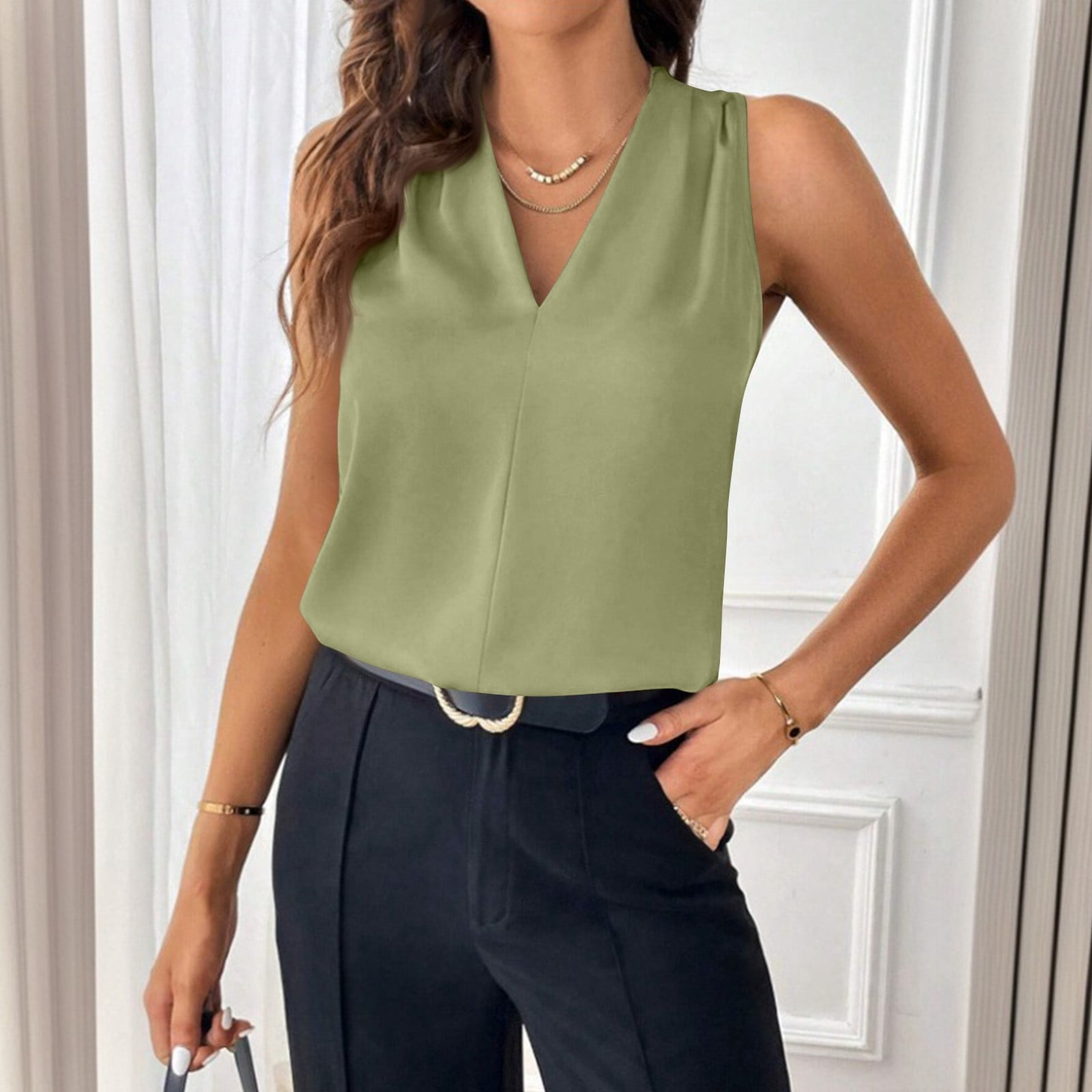
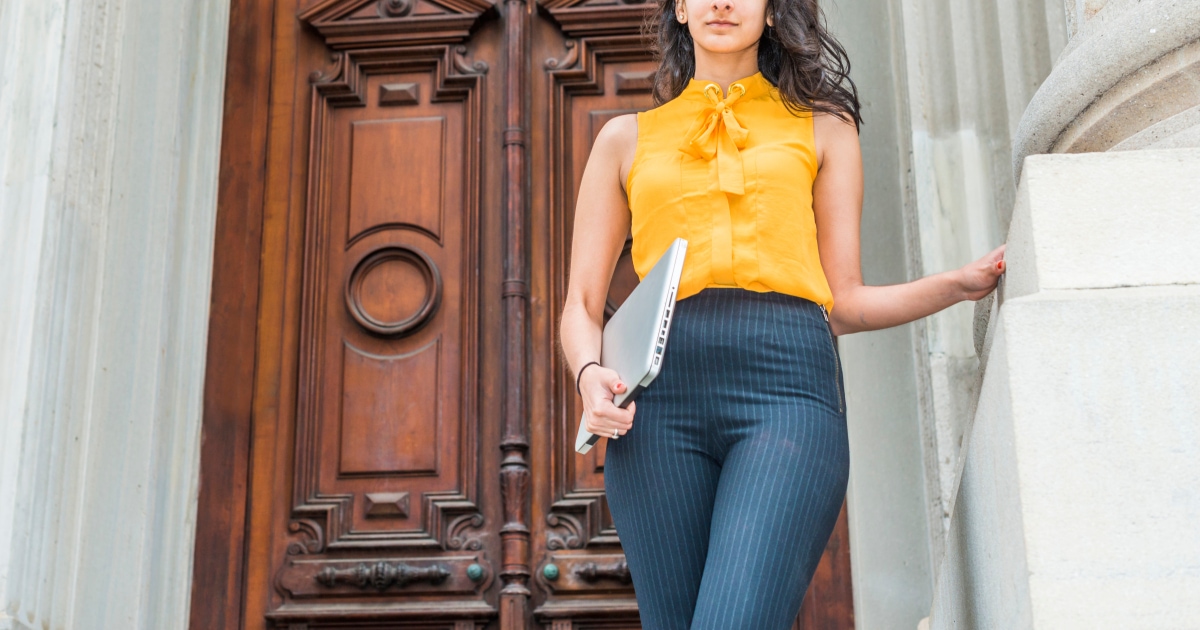
- Sleeveless blouses – Usually with collars, made of structured fabric
- Sleeveless dresses – Often knee-length or longer, fitted or A-line
- Tank tops – Thin straps, often informal
- Shell tops – Simple, round neck, modest cut
- Vests – Worn over shirts or alone, more tailored
Some sleeveless items look polished. Others look too casual for work. The difference is in the fabric, fit, and style.
Why Is Sleeveless Controversial?
Sleeveless clothing can be seen as unprofessional for several reasons:
- Perceived informality: Some believe showing bare arms is too casual.
- Modesty concerns: In certain cultures or religions, exposed arms are frowned upon.
- Risk of revealing too much: Some sleeveless styles can show undergarments or too much skin.
- Gender bias: Sleeveless rules often apply more to women than men.
But these concerns don’t always fit today’s workplaces. Many companies now value comfort and self-expression. The old rules are changing, but not everywhere.
How Companies Decide On Sleeveless
The answer to “Can business casual be sleeveless? ” depends on company policy, culture, and industry. Let’s look at how this plays out.
Company Policy
Many companies have written dress codes. These may say:
- Sleeveless is allowed, but straps must be wide (usually at least two inches)
- No spaghetti straps, tank tops, or visible bra straps
- Sleeveless allowed only with a blazer or cardigan
Some companies don’t mention sleeveless at all, leaving it up to managers.
Industry Standards
Industries vary in how strict they are. Here’s a quick overview:
| Industry | Common Sleeveless Policy |
|---|---|
| Finance & Law | Sleeveless rarely allowed; blazers preferred |
| Tech & Creative | Sleeveless often allowed; relaxed rules |
| Healthcare | Depends; doctors wear coats, admin staff may go sleeveless |
| Education | Varies; teachers often wear sleeveless dresses/blouses |
| Retail | Sleeveless allowed if not revealing |
Climate And Location
In hot climates or during summer, some companies relax sleeveless rules. In colder places, sleeveless is less common simply because it’s uncomfortable.
Gender Differences
Men rarely wear sleeveless in business casual, except for vests. Women have more sleeveless options, but also face more scrutiny. Double standards exist, and it’s important to know the expectations in your workplace.
Pros And Cons Of Sleeveless Business Casual
Sleeveless clothing has benefits and risks. Let’s break them down.
Pros
- Comfort: Sleeveless keeps you cool in warm weather.
- Freedom of movement: Less restriction, easier to work.
- Style variety: More options for expressing personality.
- Modern look: Many sleeveless styles are trendy and professional.
Cons
- Risk of looking too casual: Some sleeveless items aren’t polished.
- Modesty concerns: May not fit company or cultural expectations.
- Cold offices: Air conditioning makes sleeveless uncomfortable.
- Visible undergarments: Straps and armholes can expose bra straps.
Credit: www.walmart.com
How To Wear Sleeveless In Business Casual
If you want to wear sleeveless, follow these tips to stay professional and comfortable.
Choose The Right Style
Pick sleeveless tops or dresses that look polished:
- Wide straps (at least two inches)
- Structured fabric (not clingy or sheer)
- High neckline or modest cut
- Avoid deep armholes
Layer Smartly
Keep a blazer, cardigan, or jacket handy. You can wear it in meetings or when the office feels cold.
Mind The Fit
Sleeveless clothing should fit well:
- Not too tight or loose
- No gaping armholes
- No visible bra straps
Keep It Clean
Wrinkled or stained sleeveless clothes look unprofessional. Always iron and check for marks.
Watch For Dress Code Changes
If your company updates its dress code, pay attention. Rules about sleeveless can change quickly.
Be Respectful Of Culture
If your workplace has people from many cultures, modesty matters. When in doubt, cover up.
Confidence Is Key
If you feel unsure, wear a layer or choose another style. Confidence helps you look professional.
Real-world Examples
Let’s see how sleeveless works in different workplaces.
Example 1: Tech Startup
Emma works at a tech company in California. The office is casual, and the dress code is relaxed. She wears sleeveless blouses with wide straps and a cardigan. Nobody minds. In meetings, she adds a blazer.
Example 2: Law Office
Jason works in a law firm. The dress code is strict. He wears shirts with sleeves and a jacket. Women in the office wear sleeveless only with a blazer. Sleeveless alone is not allowed.
Example 3: Retail Store
Samantha manages a clothing store. She wears sleeveless dresses with wide straps and a high neckline. Company policy says no spaghetti straps or tank tops. Her style fits the code.
Example 4: School
Mrs. Lee teaches elementary school. She wears sleeveless shell tops with a cardigan. The school allows sleeveless as long as it’s not too revealing.
Common Mistakes With Sleeveless Business Casual
Many people make mistakes when trying to wear sleeveless in business casual. Here are some to avoid:
- Wearing tank tops: These look too casual for most offices.
- Thin straps: Spaghetti straps are rarely allowed.
- Sheer fabrics: See-through material is unprofessional.
- Exposed undergarments: Visible bra straps or sides are a no-go.
- Too much skin: Deep armholes or low necklines break the code.
- Ignoring company culture: Just because someone else wears sleeveless doesn’t mean it’s okay for everyone.
- Skipping layers: Not bringing a cardigan or blazer can backfire in meetings.
Data: Attitudes Toward Sleeveless In Business Casual
Research shows opinions on sleeveless clothing are changing. Surveys from professional organizations reveal:
- About 60% of companies allow sleeveless for women, but only 20% for men (usually vests).
- 45% of employees say they want more relaxed dress codes, including sleeveless.
- In companies with global offices, 30% restrict sleeveless due to local culture.
These numbers show that sleeveless is becoming more accepted, but not everywhere.
Comparison: Sleeveless Vs. Short Sleeve Business Casual
Let’s compare sleeveless and short sleeve options for business casual.
| Feature | Sleeveless | Short Sleeve |
|---|---|---|
| Comfort | High in summer | Moderate |
| Professional Look | Depends on style | Usually safer |
| Dress Code Acceptance | Varies by company | Widely accepted |
| Layering | Easy with jackets | Easy |
| Risk of revealing | Higher | Lower |
Short sleeves are a safer bet, but sleeveless can work if chosen carefully.
Sleeveless In Different Cultures
Business casual changes around the world. Sleeveless is more common in Western countries, less so in Asia and the Middle East.
- Western countries: Sleeveless is often allowed, especially in summer.
- Asia: Sleeveless is less common; modesty rules are stronger.
- Middle East: Sleeveless is rarely allowed due to cultural norms.
If your company has offices in different countries, check local dress codes before wearing sleeveless.
Credit: corporette.com
When To Avoid Sleeveless
There are times when sleeveless is not a good idea, even if your company allows it.
- Important meetings: Dress more formally when meeting clients or executives.
- Job interviews: First impressions matter; choose sleeves.
- Cold weather: Comfort is important; sleeveless can feel chilly.
- Religious or cultural events: Respect local norms.
How Managers View Sleeveless Business Casual
Managers have different opinions about sleeveless clothing. Some welcome it as part of modern business casual. Others worry it sends the wrong message.
A recent survey found:
- 55% of managers think sleeveless is fine if it’s not revealing.
- 35% prefer sleeves, especially in formal settings.
- 10% don’t care either way.
If you’re unsure, ask your manager or HR. Their opinion matters more than general rules.
Popular Sleeveless Business Casual Brands
Some clothing brands specialize in professional sleeveless styles. They focus on fit, fabric, and modesty.
Examples:
- Ann Taylor: Sleeveless shell tops and dresses
- Banana Republic: Structured sleeveless blouses
- J.Crew: Wide-strap dresses and tops
- Calvin Klein: Office-ready sleeveless styles
These brands offer options that fit most business casual codes.
Practical Tips For Choosing Sleeveless Business Casual
- Read your company dress code: Look for rules about sleeveless.
- Ask HR or your manager: When unsure, get guidance.
- Check the weather: Sleeveless works best in warm climates.
- Bring layers: Always have a cardigan or blazer.
- Choose structured fabrics: Avoid clingy or sheer materials.
- Pick wide straps: At least two inches is safest.
- Avoid deep armholes: Make sure undergarments stay hidden.
- Keep it clean and pressed: Wrinkles ruin the look.
- Respect cultural norms: Think about your coworkers.
- Be confident: If you look and feel professional, others notice.
Sleeveless Business Casual For Men
Men rarely wear sleeveless in business casual. The exception is tailored vests.
- Vests: Worn over a shirt, they add style and keep the look professional.
- Tank tops: Not allowed in most offices.
- Athletic sleeveless: Only for gym or outdoor work.
Men can experiment with sleeveless, but should stick to vests or layered looks.
The Role Of Accessories
Accessories can help sleeveless outfits look more professional.
- Scarves: Cover shoulders, add color.
- Jewelry: Simple earrings or necklaces work well.
- Belts: Define waist and add structure.
- Watch: Adds formality.
Don’t overdo it. Too many accessories can distract from the outfit.
Dress Code Enforcement
How strictly a company enforces the dress code affects sleeveless choices.
- Strict enforcement: Employees may be sent home or asked to change.
- Loose enforcement: More freedom, but risk of pushing boundaries.
- Self-enforcement: Employees decide for themselves; culture matters.
If your company has strict rules, follow them. If not, use good judgment.
How To Handle Dress Code Complaints
If someone complains about your sleeveless outfit, handle it professionally.
- Listen politely: Don’t argue.
- Check the dress code: See if you broke any rules.
- Adjust your outfit: Add a layer if needed.
- Ask for feedback: Find out what would be acceptable.
- Stay professional: Don’t take it personally.
Most complaints are about modesty or company image, not you.
How Sleeveless Fits Into Modern Business Casual
Business casual is changing. More companies value comfort and self-expression. Sleeveless clothing fits this trend, as long as it stays professional.
The key is to balance style, comfort, and company rules. If you choose the right sleeveless pieces, you can look polished, stay cool, and show personality.
Data Table: Sleeveless Dress Code By Company Size
Here’s how sleeveless rules change as companies get bigger.
| Company Size | Sleeveless Policy |
|---|---|
| Small (1-50 employees) | Often relaxed; sleeveless allowed |
| Medium (51-500 employees) | Sleeveless allowed with restrictions |
| Large (500+ employees) | Stricter; sleeveless usually requires layers |
Larger companies tend to have stricter dress codes. Smaller companies give employees more freedom.
Credit: www.reddit.com
Sleeveless And Remote Work
Remote work has changed business casual. People often wear sleeveless at home. On video calls, rules may be looser, but it’s wise to stay professional.
- Video meetings: Choose modest sleeveless styles.
- Company events: Dress up, even online.
- Home comfort: Sleeveless is fine if you’re off camera.
Remote work gives more flexibility, but don’t forget company culture.
Non-obvious Insights About Sleeveless Business Casual
- Arm tattoos can affect acceptance: Sleeveless may show tattoos, which some companies prefer covered.
- Skin tone affects visibility: Light-colored sleeveless can blend with skin, making the outfit look more revealing.
- Shoulder shape matters: Structured sleeveless looks better on broad shoulders; loose styles can look sloppy.
These details often go unnoticed but can influence how sleeveless is seen.
Frequently Asked Questions
Is Sleeveless Business Casual Allowed Everywhere?
No, sleeveless business casual is not allowed everywhere. It depends on company policy, culture, industry, and location. Always check your workplace rules before wearing sleeveless.
What Is The Safest Way To Wear Sleeveless At Work?
The safest way is to choose wide straps, structured fabric, and a high neckline. Keep a blazer or cardigan ready for meetings or when in doubt.
Can Men Wear Sleeveless In Business Casual?
Men usually don’t wear sleeveless, except for tailored vests. Tank tops or athletic sleeveless shirts are not considered business casual in most offices.
How Can I Know If Sleeveless Is Okay In My Company?
Read your company’s dress code or ask HR. Pay attention to what managers and coworkers wear. If you’re unsure, start with a layer and observe.
What Should I Avoid With Sleeveless Business Casual?
Avoid thin straps, sheer fabrics, deep armholes, and visible undergarments. Don’t wear sleeveless in formal meetings or interviews.
Business casual is always evolving. Sleeveless clothing can fit the dress code if you pick the right style, respect company rules, and use good judgment. Stay comfortable, stay professional, and show your personal style. For more guidance on dress codes, see Society for Human Resource Management.
