

Business Not Casual: Mastering the Art of Professional Style
Business Not Casual
Workplaces are changing fast, but one thing stays true: how you dress and act at work matters. Many companies want their teams to look professional, not casual. This is called business not casual. It is more than just wearing a suit or tie. It is a mindset, a way of showing respect, and a tool for building trust. Understanding this style helps you fit in, earn respect, and move up in your career.
Some people think business not casual is old-fashioned. Others see it as the secret to success. This article explores what business not casual really means, why it matters, and how you can master it. We will look at dress codes, behavior, communication, and mistakes to avoid.
You will learn how to build your own professional image, even in workplaces where rules are not clear. Whether you are new to the office or want to polish your skills, this guide is for you.
What Does Business Not Casual Mean?
Business not casual is about looking and acting in a professional way. It is different from business casual, which allows jeans, sneakers, and relaxed clothing. In business not casual, you dress more formally and behave with extra care.
Key Features
- Formal clothing: Suits, dress shirts, ties, skirts, dress pants, and formal shoes.
- Polished appearance: Clean hair, neat nails, minimal jewelry, and subtle makeup.
- Professional behavior: Good manners, polite language, and careful listening.
- Respect for rules: Following company guidelines and respecting hierarchy.
Business not casual is not just about clothes. It covers your attitude, how you speak, and how you work with others. It is a complete package that shows you take your job seriously.
Where Is It Used?
- Corporate offices
- Law firms
- Banks
- High-level meetings
- Client presentations
Some industries still expect business not casual every day. Others use it for special events. Knowing when to use this style is a smart move.
Why Business Not Casual Still Matters
Many workplaces are more relaxed now. But business not casual is still important in many ways.
Builds Trust And Credibility
People judge you in seconds. When you look sharp and act with confidence, others trust you more. Business not casual helps you make a strong first impression. Clients, bosses, and coworkers see you as reliable.
Shows Respect
Formal dress and behavior show respect for your company, your job, and the people around you. It is a way to say, “I value this place and these people. ”
Helps You Stand Out
In a world of casual clothes and quick emails, business not casual makes you stand out. It is a signal that you are ready for big tasks and leadership roles.
Supports Career Growth
Managers often look for people who act and dress professionally. They want leaders who can represent the company. Business not casual can help you get noticed for promotions.
Reduces Risk Of Mistakes
Clear guidelines for dress and behavior help avoid embarrassing mistakes. You know what is expected, so you do not guess or cross lines.
Credit: insideoutstyleblog.com
Business Not Casual Vs. Business Casual
Many people mix up business not casual and business casual. Here is a simple comparison to show the differences:
| Aspect | Business Not Casual | Business Casual |
|---|---|---|
| Clothing | Suits, ties, formal dresses | Dress shirts, slacks, no tie |
| Shoes | Leather dress shoes | Loafers, flats |
| Accessories | Minimal, classic | More relaxed, colorful |
| Attitude | Formal, reserved | Friendly, relaxed |
| Usage | Important meetings, daily in some firms | Everyday office, creative industries |
Business not casual is stricter. Business casual allows more freedom. But mixing them up can lead to trouble. Always check your company’s rules.
The Elements Of Business Not Casual
Mastering business not casual is not just about buying expensive clothes. You must pay attention to several parts.
Clothing
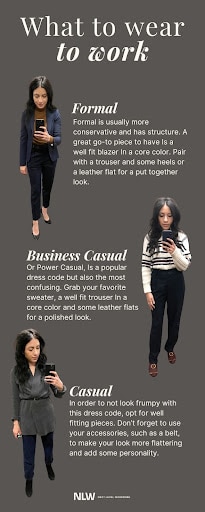
- Men: Suit, dress shirt, tie, dress pants, leather shoes, belt.
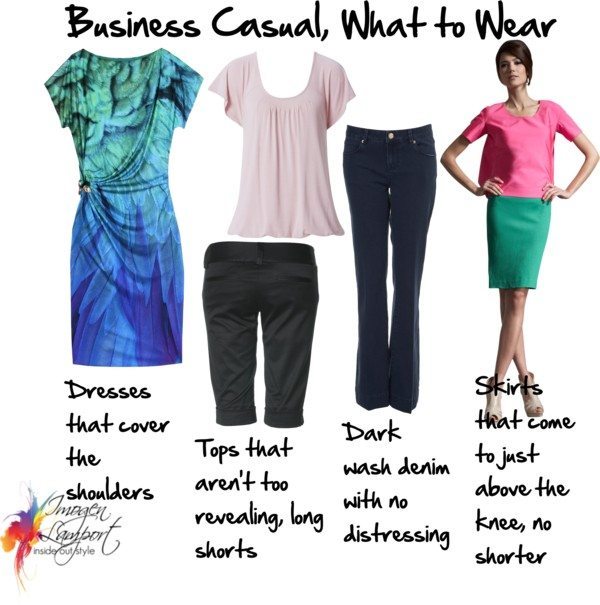
- Women: Formal dress, skirt suit, blouse, dress pants, closed-toe shoes, simple jewelry.
Choose neutral colors (black, navy, gray, white). Avoid loud prints or flashy accessories. Make sure your clothes are clean and fit well.
Grooming
- Hair: Neat, clean, simple style.
- Nails: Trimmed, no bright colors.
- Makeup: Light and natural.
- Facial hair: Shaved or neatly trimmed.
Small details matter. Messy hair or chipped nails can ruin your image.
Behavior
- Polite greetings
- Firm handshake
- Eye contact
- Clear speech
- Active listening
Always be on time. Avoid slang, gossip, or loud talk. Treat everyone with respect.
Attitude
Stay positive, calm, and open-minded. Handle stress with grace. Show you are ready to learn and take feedback.
Communication
Speak clearly and professionally. Use proper grammar and avoid informal language. Write emails with formal greetings and closings. Double-check spelling and tone.
Technology Use
Keep phones and devices silent or off during meetings. Avoid texting or checking emails when talking to others.

Credit: workwearstyle.wordpress.com
How To Dress Business Not Casual
Dressing business not casual can be tricky. Here are practical steps:
- Check company policy: Read the dress code.
- Start with basics: Buy simple pieces in neutral colors.
- Fit is key: Clothes should not be too tight or too loose.
- Keep it clean: Make sure everything is washed and pressed.
- Limit accessories: Choose classic items like watches or small earrings.
- Shoes matter: Wear polished leather shoes, not sneakers.
- Layer smartly: Use blazers or cardigans for extra polish.
If you are unsure, dress more formally. It is easier to remove a tie than to be underdressed.
Example Outfits
Men: Navy suit, white shirt, striped tie, black dress shoes.
Women: Gray skirt suit, cream blouse, black pumps, pearl earrings.
You do not need expensive brands. Focus on quality, fit, and care.
Non-obvious Insights For Business Not Casual
Many beginners miss important details. Here are two insights:
- Watch your posture: Standing and sitting straight makes you look confident and professional, even if your clothes are perfect.
- Pay attention to scents: Strong perfumes or colognes can distract and annoy coworkers. Use mild scents or none at all.
These small things can set you apart.
The Role Of Business Not Casual In Remote Work
Remote work is growing, but business not casual still matters.
Video Calls
- Dress professionally for video meetings.
- Keep your background tidy.
- Speak clearly and avoid distractions.
Emails And Messages
- Use formal greetings and closings.
- Avoid emojis and slang.
Attitude
- Show respect even from home.
- Be punctual and reliable.
Some companies relax dress codes at home. But for big meetings or interviews, business not casual is expected. It shows you are serious, even online.
Mistakes To Avoid
Many people make errors with business not casual. Here are common ones:
- Wearing casual items: Jeans, sneakers, or T-shirts are not allowed.
- Ignoring grooming: Messy hair or nails can hurt your image.
- Over-accessorizing: Too much jewelry or bold colors look unprofessional.
- Using informal language: Avoid slang or jokes in emails and meetings.
- Being late or distracted: Poor punctuality shows disrespect.
Fixing these mistakes is simple: check yourself before leaving home, and review your emails before sending.
Building A Business Not Casual Mindset
Business not casual is not just about appearance. It is a mindset. Here is how to develop it:
- Respect everyone: From the janitor to the CEO.
- Stay humble: Be ready to learn and grow.
- Be reliable: Keep your promises and meet deadlines.
- Stay organized: Plan your tasks and meetings.
- Keep improving: Ask for feedback and work on your skills.
This mindset makes you a valuable team member.
Business Not Casual In Different Cultures
What is business not casual in one country may be different in another. Always learn about local customs.
Western Countries
- Suits and ties are standard.
- Formal greetings and handshakes.
- Direct eye contact.
Asian Countries
- Dark suits, white shirts.
- Bowing or soft handshake.
- Respect for elders and hierarchy.
Middle East
- Conservative dress.
- Women may cover hair or arms.
- Firm handshake, polite speech.
Ask locals or check company guides before visiting another country.
Business Not Casual For Women
Women often face extra challenges. Dress codes can be stricter, and mistakes are more visible.
Tips For Women
- Choose knee-length skirts or dresses.
- Wear closed-toe shoes.
- Use light makeup and simple jewelry.
- Avoid low necklines or sleeveless tops.
- Keep hair neat and tied if needed.
Women should check company rules and ask mentors for advice. If unsure, choose the safer, more formal option.
Business Not Casual For Men
Men also need to pay attention.
Tips For Men
- Wear a suit and tie unless told otherwise.
- Choose leather shoes, not sports shoes.
- Keep facial hair trimmed or shaved.
- Avoid loud patterns or colors.
- Wear a belt and match it with your shoes.
Men can use cufflinks or watches, but keep them simple. If you sweat a lot, use deodorant and carry a handkerchief.
Credit: nextlevelwardrobe.com
How To Prepare For Business Not Casual Events
Special events need extra care. Here is how to get ready:
- Check the invite: Look for dress code hints.
- Plan ahead: Choose your outfit days before.
- Practice good manners: Prepare polite greetings and answers.
- Bring essentials: Notebook, pen, business cards.
- Arrive early: Being late can ruin your image.
If you are nervous, rehearse your introduction and questions.
Business Not Casual In Leadership
Leaders set the tone for the team. If you want to move up, business not casual is a must.
Leadership Tips
- Dress better than average.
- Speak clearly and confidently.
- Listen more than you speak.
- Set rules and follow them.
- Help others improve their style.
Good leaders are role models. They show what is expected and encourage others.
Adapting To Changing Trends
Fashion and etiquette change, but business not casual stays strong.
How To Adapt
- Watch what leaders wear and do.
- Read company memos or newsletters.
- Join training or workshops.
- Ask HR for advice.
Some companies add new rules. Stay updated and adjust when needed.
The Science Of First Impressions
Studies show people form opinions in seconds. Business not casual helps you make a good impression.
Key Statistics
- People decide if you are trustworthy within 7 seconds.
- 55% of first impressions come from appearance.
- Professional dress increases your chances of being hired.
Source: psychology Today
Business Not Casual In Networking
Networking is key for career growth. Business not casual helps you build strong connections.
Tips For Networking
- Dress for the event, even if others are casual.
- Use polite greetings and firm handshakes.
- Listen and ask good questions.
- Exchange business cards.
- Follow up with a formal email.
Networking is about building trust. Your style helps you be remembered.
Common Questions About Business Not Casual
Many people have doubts. Here are answers to popular questions.
What If My Company Does Not Have A Clear Dress Code?
If rules are unclear, observe what managers wear. Dress one level more formal than average. Ask HR or trusted coworkers for advice.
Can I Add My Own Style To Business Not Casual?
Yes, but keep it subtle. Use classic accessories, soft colors, or a unique tie. Avoid bold prints or flashy items. Your style should not distract from your professionalism.
How Do I Handle Business Not Casual In Hot Weather?
Choose lightweight fabrics like cotton or linen. Wear short-sleeve shirts but keep them formal. Women can wear skirts or dresses with light jackets. Always avoid flip-flops or sleeveless tops.
Is Business Not Casual Only About Clothing?
No, it includes behavior, attitude, and communication. Dress is just the start. Polite manners, clear speech, and respect are equally important.
What Should I Do If I Make A Mistake?
Fix it quickly. Apologize if needed. Learn from the error and adjust. Everyone makes mistakes, but how you respond shows your character.
Frequently Asked Questions
How Can I Tell If My Outfit Is Business Not Casual?
Look for these signs:
- Suit or formal dress
- Leather shoes
- Minimal accessories
- Neutral colors
- Covered shoulders and knees
If you are unsure, ask a manager or HR. It is better to be a bit too formal than too casual.
Can I Wear Business Not Casual Clothes Outside Of Work?
Yes, but it depends on the event. Business not casual fits interviews, formal dinners, and ceremonies. For casual gatherings, switch to relaxed clothes.
Is Business Not Casual Different For Remote Workers?
The basics are the same. Dress professionally for video calls, keep your workspace tidy, and use formal language. You can relax a bit off camera, but for important meetings, stick to business not casual.
How Do I Build A Business Not Casual Wardrobe On A Budget?
Buy classic pieces in neutral colors. Shop during sales or use second-hand stores. Focus on quality over quantity. One good suit or dress is better than many cheap items.
What If Coworkers Dress More Casually?
Stick to business not casual unless your manager says otherwise. Dressing formally shows you are serious and ready for bigger roles. You can relax your style later if the company allows.
Business not casual is a powerful tool. It helps you build trust, show respect, and move ahead in your career. Mastering this style is not hard, but it takes attention to detail and a positive mindset. With the right clothes, behavior, and attitude, you can stand out and succeed, no matter where you work.
