

Business Casual Not Formal: Master the Perfect Workday Look
Business Casual Not Formal
What you wear at work says a lot about you. But picking the right outfit is not always simple. Many offices today use a business casual dress code—not formal, but not too relaxed either. If you’ve ever wondered what business casual really means, how it’s different from formal, or what to wear, you’re not alone. Many people feel confused about the boundaries and choices. This article will give you clear, practical advice, examples, and real comparisons so you can dress confidently and feel comfortable at work.
The idea of business casual grew out of a need for more comfort in the workplace. It balances professional appearance with a touch of personal style. But what counts as business casual? And how do you avoid mistakes that make you look too formal or too casual?
Let’s explore the details, including examples, tips, and key differences. By the end, you’ll know exactly how to dress business casual—not formal—and why it matters.
What Is Business Casual?
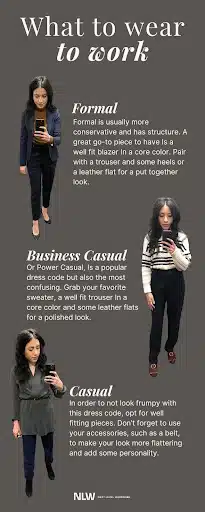
Business casual is a mix of professional attire and relaxed clothing. It’s less strict than formal dress codes but still keeps a polished look. The goal is to look neat, approachable, and ready for work without feeling stiff or overdressed.
Some key points about business casual:
- You can show a bit of personality—colors, patterns, and accessories are allowed.
- You don’t need a full suit or tie.
- Comfort is valued, but you must avoid clothes that are too relaxed or sporty.
Business casual is popular in many industries like tech, marketing, education, and creative jobs. But every company can have its own rules, so always check your employer’s policy.
Business Casual Vs Formal Attire
Understanding the difference is important. Business casual is not formal, but it’s also not the same as casual wear. Let’s see how these dress codes compare.
| Feature | Business Casual | Formal |
|---|---|---|
| Suit | Optional (blazer or jacket) | Required (matching suit) |
| Tie | Optional | Required |
| Shirt | Collared (can be patterned) | Plain, solid color |
| Pants | Dress pants or chinos | Matching suit pants |
| Shoes | Dress shoes, loafers | Formal leather shoes |
| Accessories | Subtle, can be colorful | Minimal, classic |
| Colors | Neutral or muted, some color | Mostly dark, conservative |
Business casual lets you skip the tie, use lighter colors, and wear more comfortable fabrics. Formal attire demands full suits, ties, and strict color choices. If you wear formal clothes in a business casual office, you might look overdressed and less approachable.
Key Elements Of Business Casual For Men
Men’s business casual outfits offer flexibility. Let’s break down the main parts:
Shirts
Choose collared shirts like button-downs or polos. Patterns and colors are fine, as long as they’re not too flashy. Avoid T-shirts and shirts with large logos.
Pants
Dress pants, chinos, or tailored trousers are best. Jeans may be allowed in some offices, but only if they’re dark and not distressed. Shorts are almost never appropriate.
Jackets And Sweaters
Blazers or sport coats add polish but are optional. Sweaters or cardigans over a shirt are good for colder days.
Shoes
Wear dress shoes, loafers, or clean sneakers (if allowed). Avoid sandals, athletic shoes, or anything too casual.
Accessories
Belts, watches, and subtle jewelry are fine. Keep it simple and avoid anything too bright or distracting.
Example Business Casual Outfit For Men
- Light blue button-down shirt
- Khaki chinos
- Brown loafers
- Navy belt
- Simple watch
This outfit is neat, comfortable, and stylish—perfect for most business casual settings.
Key Elements Of Business Casual For Women
Women have many choices in business casual. The focus is on neatness, comfort, and a touch of style.
Tops
Wear blouses, button-down shirts, sweaters, or smart tops. Patterns are allowed, but avoid anything too revealing or with large logos.
Bottoms
Choose dress pants, skirts (knee-length or longer), or tailored trousers. Some offices allow dark, clean jeans. Avoid shorts or mini skirts.
Dresses
Simple dresses work well. They should be knee-length or longer and not too tight.
Jackets And Cardigans
Blazers, cardigans, or light jackets add professionalism. These are optional but helpful in chilly offices.
Shoes
Closed-toe flats, loafers, low heels, or smart boots are best. Avoid flip-flops, high stilettos, or sneakers unless your office allows them.
Accessories
Keep jewelry simple. Scarves or belts can add style, but don’t overdo it.
Example Business Casual Outfit For Women
- White blouse
- Navy dress pants
- Black flats
- Light gray cardigan
- Simple necklace
This look is professional, comfortable, and fits most business casual workplaces.
What Is Not Business Casual?
It’s easy to make mistakes. Here are items you should avoid:
- T-shirts (unless covered by a jacket)
- Ripped jeans or distressed pants
- Shorts (almost never allowed)
- Athletic wear (sweatpants, gym shorts, running shoes)
- Flip-flops or beach sandals
- Tank tops or spaghetti straps
- Graphic shirts with large prints or slogans
- Mini skirts or dresses that are too short
If you’re unsure, it’s better to dress slightly more formal than too casual.
Common Business Casual Mistakes
Even experienced professionals sometimes make mistakes. Here are some to watch out for:
- Wearing wrinkled or stained clothes
- Choosing outfits that are too tight or too loose
- Ignoring company-specific rules
- Using accessories that are too bold or noisy
- Wearing sports shoes or sandals
- Overusing bright colors or patterns
- Forgetting to groom (messy hair, unshaved)
- Not matching shoes and belt colors
These errors can make you look unprofessional or out of place. Always check your outfit in the mirror before leaving home.
How Business Casual Differs Across Industries
Business casual is not the same everywhere. Different industries have different standards.
Tech And Startups
These workplaces are usually more relaxed. Jeans, clean sneakers, and T-shirts with jackets are often allowed. However, avoid anything too casual on days with meetings or visitors.
Finance And Law
Business casual here is closer to formal. Dark trousers, collared shirts, and leather shoes are standard. Avoid jeans and sneakers.
Education
Teachers and staff often wear comfortable but neat clothes. Cardigans, sweaters, and simple accessories are common.
Creative Fields
Designers, marketers, and artists enjoy more freedom. Bright colors, unique accessories, and stylish shoes are accepted, but still keep the look professional.
Healthcare Administration
Business casual is expected. Simple dresses, tailored pants, and neat shoes are the norm.
Business Casual For Remote Work
Remote work has changed how people dress. But online meetings still require a professional look.
Tips for video calls:
- Wear a collared shirt or blouse
- Avoid pajamas, tank tops, or T-shirts
- Keep hair neat and face clean
- Use simple backgrounds
You only need to focus on the top half of your body, but dressing well helps you feel more confident and productive.
Credit: nextlevelwardrobe.com
Business Casual Around The World
Not all countries have the same business casual style. Here’s a quick comparison:
| Country | Business Casual Typical Attire | Key Differences |
|---|---|---|
| United States | Chinos, button-downs, loafers | More relaxed, jeans allowed in some offices |
| United Kingdom | Dress pants, polos, brogues | Less color, more classic styles |
| Japan | Dark trousers, white shirts, simple shoes | More formal, little variation in color |
| Australia | Light shirts, chinos, clean sneakers | Weather influences choices, brighter colors |
| Germany | Smart pants, sweaters, leather shoes | Classic, minimal accessories |
Always check local customs if you travel or work abroad.
Business Casual Vs Smart Casual
Many people confuse these two dress codes. Let’s clarify:
| Aspect | Business Casual | Smart Casual |
|---|---|---|
| Purpose | Workplace, meetings | Social events, informal parties |
| Formality | More formal than smart casual | More relaxed, stylish |
| Clothing | Collared shirts, dress pants | Jeans, stylish tops, trendy shoes |
| Accessories | Minimal, classic | Bold, fashionable |
Business casual is for work. Smart casual is for after-work or social events. Don’t mix the two unless your company allows it.
Why Business Casual Matters
Many companies use business casual because it offers benefits:
- Comfort: Employees can move easily and feel less stressed.
- Professionalism: Keeps a neat appearance for clients and meetings.
- Flexibility: Allows personal style and creativity.
- Attraction: Helps attract younger workers who prefer less formal clothes.
Studies show that relaxed dress codes can improve happiness and productivity, but only if clear rules are given. If the code is unclear, people feel confused and less confident.
How To Build A Business Casual Wardrobe
You don’t need to spend a lot. Start with basic pieces and add extras over time.
Essential Items For Men
- 3–5 collared shirts
- 2–3 pairs of chinos or dress pants
- 1 blazer or sport coat
- 2 pairs of dress shoes or loafers
- 1–2 sweaters or cardigans
Essential Items For Women
- 3–5 blouses or smart tops
- 2–3 pairs of dress pants or skirts
- 1–2 simple dresses
- 1 blazer or cardigan
- 2 pairs of flats or low heels
Look for quality fabrics, neutral colors, and comfortable fits. Avoid items that wrinkle easily or need special cleaning.
Tips For Shopping Business Casual
- Try clothes on before buying
- Choose items that can mix and match
- Buy a few accessories to add style
- Avoid fast fashion—quality lasts longer
A well-planned wardrobe saves money and makes mornings easier.
Non-obvious Insights For Beginners
- Fit matters more than price. Even affordable clothes look great if they fit well. Tailoring can make a big difference.
- Dress for your role. If you’re new or junior, dress slightly more formal. If you’re a manager, show confidence but stay approachable.
- Check lighting. Office lighting can change how colors look. Try outfits in daylight and indoor light before deciding.
- Have a backup outfit. Keep a spare shirt or blazer at work in case of spills or meetings.
- Pay attention to shoes. Clean, polished shoes make you look much more professional—even if your outfit is simple.
Many beginners focus only on shirts or pants, but details like fit, shoes, and accessories are just as important.
Maintaining Business Casual Clothes
Caring for your wardrobe keeps it looking good and lasting longer.
- Wash clothes on gentle cycles
- Iron shirts and pants before wearing
- Store shoes properly and polish them regularly
- Hang jackets and blazers to keep their shape
- Check for stains or damage before each use
Proper care saves money and avoids embarrassing moments at work.
Business Casual In Hot And Cold Weather
Weather changes can make dressing tricky. Here’s how to stay comfortable:
Hot Weather
- Wear light fabrics (cotton, linen)
- Choose short-sleeved shirts or blouses
- Avoid heavy jackets
- Use light colors to stay cool
- Keep sweat under control with undershirts
Cold Weather
- Layer sweaters, cardigans, or jackets
- Pick thicker fabrics (wool, blends)
- Wear boots or closed shoes
- Use scarves for warmth and style
Don’t let weather push you toward casual or sporty clothes. Stick to business casual standards.
How To Transition From Formal To Business Casual
If your office changes the dress code, move slowly.
- Start by dropping the tie
- Switch to lighter colors and fabrics
- Add chinos or tailored pants instead of suit pants
- Use blazers instead of full suits
- Keep shoes professional
Talk to HR or managers if you’re unsure. Watch how leaders dress and follow their example.
Business Casual For Job Interviews
Many interviews use business casual, but always check before you go. If unsure, dress slightly more formal—better to be overdressed than underdressed.
Tips:
- Avoid jeans and sneakers
- Wear a collared shirt or blouse
- Keep accessories minimal
- Groom hair and nails
- Bring a blazer or jacket
A neat, business casual outfit shows respect and professionalism.
Business Casual For Events And Networking
Work events often require business casual. It helps you look professional but approachable.
- Wear clean, pressed clothes
- Choose comfortable shoes
- Use a simple bag or briefcase
- Avoid loud patterns or colors
- Smile and make eye contact
Networking is easier when you feel confident in your outfit.
Adapting Business Casual For Your Body Type
Not all clothes fit the same way. Here are some tips:
- Tall people: Avoid vertical stripes, choose fitted pants
- Short people: Use vertical lines, avoid baggy clothes
- Plus-size: Pick darker colors and avoid tight fits
- Slim: Layer with jackets or sweaters, use bolder patterns
Try different brands and styles until you find what works. Don’t settle for uncomfortable fits.
Sustainable Business Casual Choices
Eco-friendly clothing is becoming popular. Here’s how to build a sustainable wardrobe:
- Buy fewer, higher-quality pieces
- Choose natural fabrics (cotton, wool, linen)
- Avoid fast fashion brands
- Support local or ethical companies
- Take care of your clothes to make them last
Sustainable choices help the planet and save money in the long run.
Credit: www.theknot.com
Gender-neutral Business Casual
More offices are open to gender-neutral styles. The focus is on neatness, comfort, and professionalism.
Tips:
- Pick simple shirts or tops
- Choose tailored pants or skirts
- Use neutral colors (gray, navy, black)
- Avoid clothes that are too tight or too loose
- Keep accessories minimal
Gender-neutral outfits are accepted in many modern workplaces.
Business Casual For Different Age Groups
Younger workers may prefer modern styles—slim pants, patterned shirts, clean sneakers. Older workers often stick with classic fits—straight pants, solid colors, leather shoes.
Mixing styles is fine, but avoid extremes. Aim for comfort and professionalism.

Credit: lifewithjazz.com
How To Handle Dress Code Changes
If your company changes the dress code, stay flexible.
- Read the new rules carefully
- Ask HR or managers for examples
- Try new outfits at home first
- Don’t throw away old clothes—keep for formal events
- Share advice with coworkers
Change can be stressful, but planning makes it easier.
Real-life Examples Of Business Casual Success
Many companies switched to business casual and saw positive results. Employees felt happier, more relaxed, and more productive. One tech company found that dress code changes improved teamwork and creativity. A marketing agency noticed clients were more open and friendly when staff dressed business casual.
But some firms had problems when rules were unclear. People wore clothes that were too casual, causing confusion and complaints. Clear guidance and examples solved these issues.
How To Stand Out In Business Casual
You can be stylish and professional. Here’s how:
- Use color wisely—one bold piece, others neutral
- Pick unique accessories (watches, belts, scarves)
- Try different fabrics (cotton, linen, wool)
- Keep clothes clean and pressed
- Smile and show confidence
Standing out is about attitude as much as clothing.
Frequently Asked Questions
What Is The Main Difference Between Business Casual And Formal Attire?
The main difference is that business casual allows more comfort and personal style, while formal attire requires a matching suit, tie, and classic accessories. Business casual skips the tie and lets you use lighter colors and fabrics.
Can I Wear Jeans In Business Casual?
In many workplaces, dark, clean jeans are allowed. Avoid ripped, faded, or distressed jeans. Always check your company’s dress code first.
Are Sneakers Business Casual?
Some offices accept clean, simple sneakers as business casual, especially in tech and creative fields. In more traditional workplaces, stick to loafers or dress shoes.
Is Business Casual Gender-neutral?
Yes, business casual can be gender-neutral. Focus on neatness, comfort, and simple styles. Many offices accept gender-neutral outfits if they look professional.
Where Can I Find More Examples Of Business Casual Outfits?
For more inspiration and advice, visit WikiHow for real-world examples and visuals.
Business casual is not formal, but it’s not casual either. With the right choices, you’ll look professional, feel comfortable, and fit in anywhere. Use these guidelines to build your own style and succeed at work.
