

Business Casual Clothes Men: Essential Styles for Modern Professionals
Business Casual Clothes Men
Finding the right balance between formal and relaxed can be tricky for men in the workplace. Business casual is not just a dress code—it's a way to look professional without feeling stiff or overdressed. Many men struggle to understand what business casual really means. It often causes confusion, especially for non-native English speakers, because it changes depending on the company, country, and even the job role. This article will give you clear, practical advice on business casual clothes for men. You'll learn what works, what to avoid, and how to build a wardrobe that fits your style and workplace.
What Does Business Casual Mean?
Business casual is a mix of traditional business attire and relaxed, comfortable clothing. It is less formal than a suit and tie but more polished than jeans and T-shirts. In most companies, business casual means you can skip the full suit but should look neat and professional.
Key Elements Of Business Casual
- Dress shirts instead of T-shirts
- Chinos or dress pants instead of jeans
- Leather shoes or clean sneakers, not sandals
- Blazers or sweaters instead of full suits
Business casual is flexible. The main rule is: you should look ready for a meeting but comfortable enough to work all day.
Essential Business Casual Clothing Items
Building a business casual wardrobe is easier when you know the basics. Here are the must-have items:
Dress Shirts
A good dress shirt is the foundation of business casual. Choose shirts with collars, buttons, and a comfortable fit. Colors like white, light blue, or pale pink are safe choices.
- Avoid shirts with loud patterns or logos
- Opt for cotton or blended fabrics
- Long-sleeve shirts are more formal, but short sleeves are acceptable in warm climates
Chinos And Dress Pants
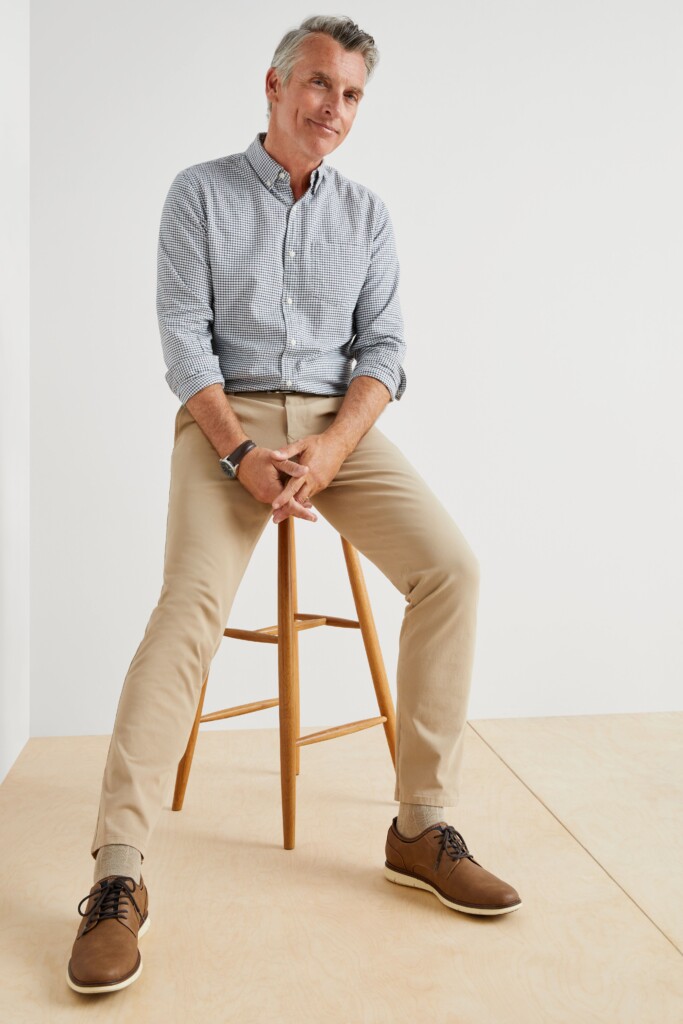
Chinos are popular in business casual. They are comfortable, stylish, and work with most shirts. Dress pants (also called slacks) are even more formal.
- Choose neutral colors: Khaki, navy, gray, or black
- Make sure pants fit well—not too tight or too loose
- Avoid cargo pants or anything with too many pockets
Blazers And Sweaters
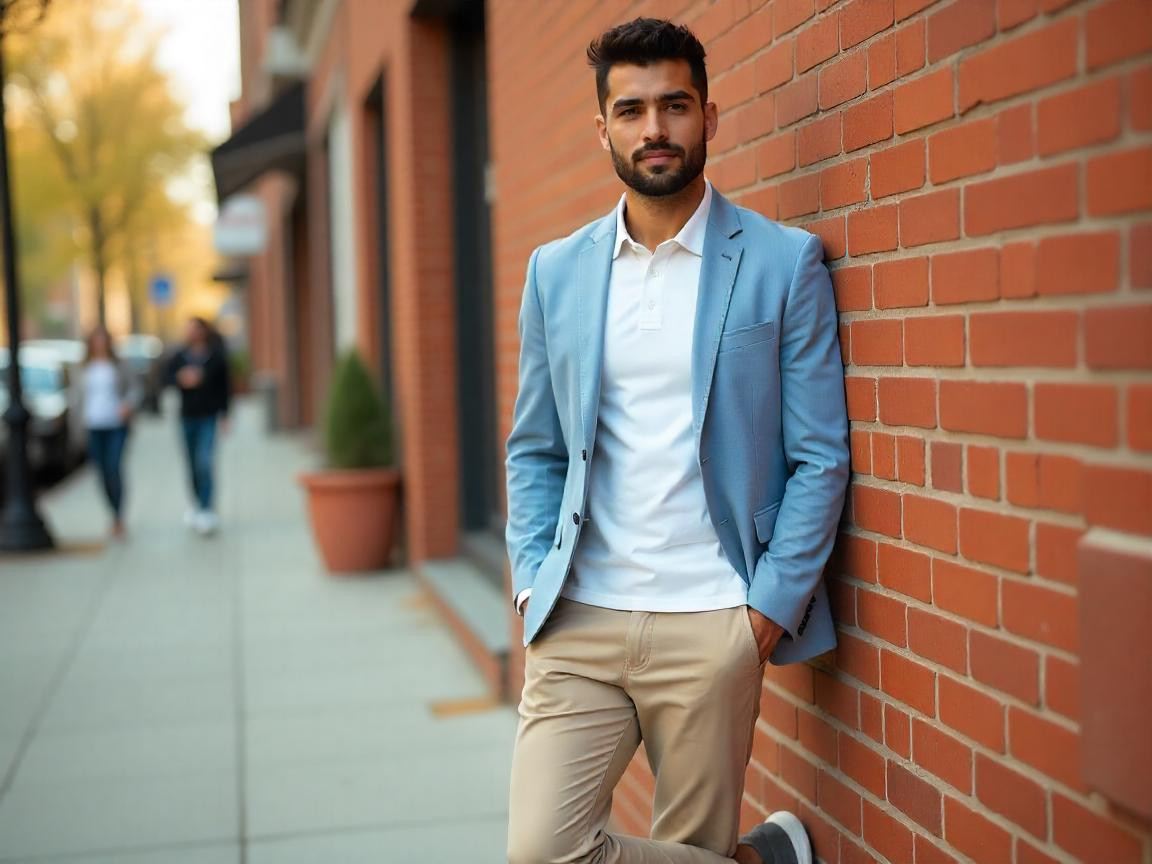
A blazer adds instant professionalism. You can wear it over a shirt or sweater. Sweaters are a good choice in colder months.
- Select solid colors or subtle patterns
- Wool or cotton blends are comfortable
- Avoid flashy buttons or shiny fabrics
Shoes
Footwear is important. It completes your look.
- Leather shoes (like loafers or oxfords) are classic
- Clean, simple sneakers may be allowed in some offices
- Avoid flip-flops, sandals, or dirty shoes
Belts And Accessories
A belt keeps your outfit sharp. Accessories like watches or simple bracelets add personality.
- Match your belt color to your shoes
- Choose subtle, classic designs
- Avoid large or flashy accessories
Business Casual Vs. Formal Vs. Smart Casual
Sometimes, business casual gets mixed up with other dress codes. Here’s a simple comparison:
| Dress Code | Typical Items | Formality Level |
|---|---|---|
| Business Casual | Dress shirt, chinos, blazer, loafers | Medium |
| Formal | Suit, tie, dress pants, leather shoes | High |
| Smart Casual | Polo shirt, jeans or chinos, clean sneakers | Low to Medium |
Understanding these differences helps you pick the right outfit for any event or office.
How To Build A Business Casual Wardrobe
You don’t need to buy everything at once. Start with basics, then add more as needed.
Step 1: Start With Core Items
Buy 3–5 dress shirts, 2–3 pairs of chinos, 1–2 blazers, and two pairs of shoes. This gives you enough for a week.
Step 2: Choose Neutral Colors
Neutral colors mix well and look professional. Navy, gray, white, and beige are safe choices.
Step 3: Add Layers
Sweaters, vests, and lightweight jackets let you adjust to weather and office temperature.
Step 4: Upgrade With Accessories
A good watch or belt can make simple clothes look stylish.
Step 5: Focus On Fit
Fit is more important than brand. Clothes should be comfortable and not baggy or tight.
Common Business Casual Mistakes
Many beginners make mistakes that hurt their professional image. Here are some to avoid:
- Wearing jeans: Even if allowed, jeans can look too casual.
- Skipping ironing: Wrinkled shirts and pants look sloppy.
- Bright colors: Neon or very bright colors are not business casual.
- Dirty shoes: Shoes must be clean.
- Untucked shirts: Always tuck your shirt in.
- Over-accessorizing: Too many accessories distract from your outfit.
- Ignoring fit: Baggy or tight clothes do not look good.
These mistakes are easy to fix. If you’re unsure, ask a colleague or check your company policy.
Business Casual For Different Workplaces
The right business casual outfit depends on your workplace. Here are examples for different environments:
Creative Offices
Creative jobs (like design or marketing) allow more color and style. You can wear patterned shirts, trendy blazers, or stylish sneakers.
Corporate Offices
Corporate settings are stricter. Stick to classic shirts, dark pants, leather shoes, and blazers.
Tech Companies
Tech firms are relaxed. You can wear polo shirts, clean jeans, and sneakers, but still avoid T-shirts and shorts.
Small Businesses
Small companies often mix casual and business styles. Ask your manager about the dress code.
Seasonal Business Casual Tips
Your wardrobe should change with the seasons. Here’s how to stay comfortable and stylish all year.
Spring And Summer
- Choose lightweight fabrics like cotton or linen
- Short-sleeve shirts are acceptable
- Light colors keep you cool
- Avoid heavy blazers
Fall And Winter
- Layer with sweaters, cardigans, and jackets
- Wool pants and thick fabrics keep you warm
- Dark colors are popular
- Scarves can add style (but keep them simple)
Climate Considerations
If you work in a hot or humid climate, avoid thick fabrics. In cold areas, invest in warm layers and waterproof shoes.
Business Casual On A Budget
You don’t have to spend a lot to look good. Smart shopping helps you save money.
Shop Sales And Outlets
Look for discounts at department stores, outlets, and online shops.
Buy Versatile Items
Choose clothes that you can wear in different combinations.
Care For Your Clothes
Wash and iron regularly. Well-kept clothes last longer and look better.
Second-hand Shopping
Thrift stores and online resale platforms offer good deals on quality items.
Credit: www.stitchfix.com
Business Casual For Different Body Types
Not all clothes fit everyone the same way. Here’s how to pick business casual for your body type.
Slim Build
- Choose slim-fit shirts and pants
- Avoid oversized clothes
- Add layers to look broader
Athletic Build
- Look for clothes with stretch
- Fitted shirts highlight your physique
- Avoid too-tight pants
Larger Build
- Choose relaxed fits—not baggy, not tight
- Vertical stripes can make you look slimmer
- Dark colors are flattering
Tall Men
- Longer shirts and pants prevent riding up
- Avoid short jackets
Shorter Men
- Choose clothes that fit close to the body
- Avoid big patterns or baggy styles
Business Casual For Various Occasions
Sometimes you need to dress business casual for events outside work.
Job Interviews
Dress more formal than usual. A blazer, dress shirt, and dress pants are safe. Avoid sneakers.
Business Meetings
Stick to classic business casual: blazer, shirt, chinos, and leather shoes.
Company Events
You can add style—like a patterned shirt or colorful sweater—but still look polished.
After-work Gatherings
A neat polo shirt and chinos work well. You can remove the blazer for a relaxed look.
Business Casual Outfit Examples
To make things clear, here are sample outfits for different situations:
Classic Business Casual
- Light blue dress shirt
- Navy chinos
- Gray blazer
- Brown leather loafers
- Matching belt
Warm Weather Business Casual
- White short-sleeve dress shirt
- Beige chinos
- No blazer
- Tan loafers
Creative Office Casual
- Patterned dress shirt
- Black slim-fit chinos
- Stylish sneakers
- Casual blazer
Winter Business Casual
- Dark sweater over dress shirt
- Gray wool pants
- Black leather shoes
- Navy coat
After-work Casual
- Polo shirt
- Olive chinos
- Clean sneakers
How To Mix And Match
Mixing clothes helps you create many looks from a few items. Here’s an example:
| Item | Possible Matches |
|---|---|
| Navy blazer | Gray pants, khaki chinos, white shirt |
| Light blue shirt | Navy pants, beige chinos, under sweater |
| Brown loafers | Navy pants, khaki chinos |
| Gray sweater | Blue shirt, white shirt, navy pants |
| Black belt | Black pants, gray pants, black shoes |
With just 10–12 items, you can create 20+ different business casual outfits.
Choosing Fabrics And Materials
Fabric choice affects comfort and appearance.
Cotton
Cotton is soft and breathable. It’s good for shirts and chinos.
Wool
Wool is warm and looks professional. Great for sweaters and pants.
Linen
Linen is light and cool. Perfect for summer shirts.
Synthetic Blends
Blends (like polyester-cotton) are wrinkle-resistant and easy to wash.
Leather
Leather shoes and belts last longer and look sharp.
Caring For Business Casual Clothes
Proper care keeps your clothes looking new.
- Wash shirts and pants according to label instructions
- Iron shirts and pants to avoid wrinkles
- Store blazers on hangers
- Clean shoes regularly
- Repair small damages quickly
Most men ignore care, but well-kept clothes help you look professional every day.
Business Casual For Travel
If you travel for work, business casual outfits should be practical.
Packing Tips
- Choose wrinkle-free shirts and pants
- Roll clothes instead of folding to save space
- Pack one pair of versatile shoes
- Include a lightweight blazer
Travel-friendly Materials
Synthetic blends are best for travel. They resist wrinkles and dry quickly.
Quick Outfit Changes
Carry a spare shirt for emergencies. A fresh shirt and blazer can change your look fast.
Business Casual For Remote Work
Working from home doesn’t mean you can ignore style. Video calls still require a neat appearance.
Video Call Dress
- Wear a collared shirt, even if paired with comfortable pants
- Avoid bright patterns that distract on camera
- Keep your background tidy
Comfort Without Sloppiness
Choose soft, stretchy fabrics. Look neat, but stay comfortable.
Business Casual: Global Differences
Business casual is not the same everywhere. Culture, climate, and company policies matter.
United States
Most offices allow chinos, collared shirts, and blazers. Sneakers are common in tech companies.
Europe
Dress is more formal. Men often wear dress pants and leather shoes. Bright colors are less common.
Asia
Business casual often means a full dress shirt and pants. Blazers are used for meetings.
Latin America
Style is colorful and relaxed. Polo shirts and light pants are popular.
Middle East
Dress codes can be strict. Long sleeves and dark pants are preferred.
Business Casual And Personal Style
You can add your own style to business casual.
- Choose shirts with subtle patterns
- Wear unique cufflinks or watches
- Select shoes in classic but interesting colors (like burgundy or navy)
- Mix textures—cotton, wool, leather
Personal style makes you feel confident. But always respect your company’s dress code.
Business Casual For Men Over 40
As you age, your business casual style can change. Mature men often prefer classic and comfortable clothes.
- Choose darker colors and simple patterns
- Invest in quality fabrics
- Avoid trendy or flashy items
- Focus on fit and comfort
Older men can look stylish and professional with a few key choices.
Business Casual For Young Professionals
Young men can add modern touches.
- Slim-fit pants and shirts look fresh
- Try colorful socks or pocket squares
- Sneakers are acceptable if clean
But remember: looking professional is more important than following trends.
Business Casual For Special Needs
Some men need clothes that fit special requirements—like allergies, disabilities, or medical devices.
- Look for hypoallergenic fabrics (like cotton)
- Choose clothes with easy fasteners (like magnetic buttons)
- Find brands that offer adaptive clothing
Comfort and accessibility matter as much as style.
How Business Casual Impacts Career
Your clothes affect how others see you. Studies show that people who dress well are seen as more competent and trustworthy. Good business casual outfits can help you:
- Build confidence
- Make a good first impression
- Get noticed for promotions
- Feel comfortable in meetings
One non-obvious insight: Many men forget that clothes also impact their own mood and productivity. Wearing the right outfit can make you feel more focused and energetic.
How To Get Feedback On Your Business Casual Style
If you’re unsure about your outfit, ask for feedback.
- Ask a trusted colleague or manager
- Use online forums or style blogs
- Take photos and review your look
Feedback helps you improve and avoid mistakes. Many men skip this step, but it’s a smart way to learn.
Where To Find Business Casual Inspiration
Looking for new ideas? Try these sources:
- Fashion magazines (like GQ or Esquire)
- Office style blogs
- Instagram accounts focused on men’s fashion
- Company websites
One helpful resource is Business Insider, which shares practical guides and style tips.

Credit: progetto-due.com
Business Casual Statistics And Trends
Here are some interesting facts:
- About 70% of US companies use business casual as their main dress code.
- Men spend an average of $500–$800 per year on work clothes.
- The most popular business casual color is navy blue.
- Loafers are the top shoe choice in business casual offices.
These numbers show that business casual is growing in popularity. It’s also becoming more flexible—many companies now allow sneakers or polo shirts.
Frequently Asked Questions
What Is Not Allowed In Business Casual For Men?
Items like T-shirts, shorts, flip-flops, and baggy jeans are not business casual. Avoid clothes with big logos or loud patterns. Always check your company policy.
Can I Wear Sneakers In Business Casual?
Clean, simple sneakers may be allowed in some modern offices, especially in tech or creative fields. But always choose leather or neutral colors. Avoid athletic or flashy sneakers.
How Many Business Casual Outfits Do I Need?
You should have at least 5–7 outfits for a full week. Mix and match shirts, pants, and blazers to create different looks. Investing in versatile items saves money.
Are Polos Considered Business Casual?
Polo shirts are acceptable in many business casual environments. Choose solid colors and avoid logos. Pair with chinos and leather shoes for a polished look.
How Do I Make Business Casual More Stylish?
Add personal touches like a patterned shirt, unique watch, or stylish belt. Focus on fit and mix textures. But keep your outfit professional and avoid over-accessorizing.
Looking good in business casual is not just about following rules. It’s about feeling confident and comfortable, and showing respect for your workplace. With the tips in this article, you can build a wardrobe that suits your style, your job, and your budget.
Business casual is a smart choice for modern men—simple, flexible, and professional.
Credit: hangrr.com
