

Business Casual Clothes Ideas for Men: Stylish Looks for 2024
Business Casual Clothes Ideas For Men
Finding the right business casual clothes for men can feel confusing. Many companies use the term, but few explain what it really means. You might wonder: Is a blazer always needed? Are jeans okay? What shoes work best? The truth is, business casual is flexible, but there are clear rules. If you dress right, you look confident, professional, and approachable.
This guide will help you understand business casual for men, with practical ideas and examples. You’ll learn what works, what to avoid, and how to build outfits that fit your job and style. Whether you’re starting a new career or updating your wardrobe, you’ll find clear advice here. The goal is simple: make dressing for work easy, comfortable, and stylish.
What Does Business Casual Mean For Men?
Business casual is a mix between formal and relaxed clothing. It is not as strict as traditional suits, but it is more polished than wearing jeans and T-shirts. This style lets you show personality while staying professional.
The main features of business casual:
- No full suits, but blazers are welcome
- Dress shirts or polos instead of T-shirts
- Dress pants, chinos, or dark jeans (sometimes)
- Leather shoes or clean sneakers (depending on company)
- No ties required, but can be added
Business casual changes by company, industry, and location. Some tech firms allow jeans and clean sneakers. Law offices may expect blazers and dress shoes. Always check your company’s dress code, but these guidelines fit most workplaces.
Essential Business Casual Clothing Pieces
A strong business casual wardrobe starts with the right basics. Each item should mix easily with others. Here are the most important pieces:
Dress Shirts
A dress shirt is the foundation of business casual. Choose solid colors like white, light blue, or pale gray. Subtle patterns (like stripes or checks) add personality without being loud. Avoid shirts with bold prints or bright colors.
Tips:
- Choose cotton or blends for comfort
- Make sure shirts fit well (not too tight or loose)
- Keep collars crisp
- Roll sleeves neatly for a relaxed look
Polos
Polo shirts are great for warmer weather or casual Fridays. They look professional but feel comfortable. Stick to neutral colors: navy, black, gray, or olive.
Tips:
- Avoid logos or large prints
- Make sure length covers the belt
- Pair with chinos or dress pants
Chinos
Chinos are versatile pants. They bridge the gap between jeans and dress pants. Choose classic colors: khaki, navy, gray, or olive. Chinos pair well with shirts, polos, and blazers.
Tips:
- Avoid baggy or skinny fits
- Keep hems at ankle or slightly longer
- Iron for a sharp look
Dress Pants
Dress pants (also called slacks) are more formal than chinos. They work well for meetings or days you want extra polish. Choose wool or wool-blend fabrics.
Tips:
- Stick to dark colors (charcoal, navy, black)
- Make sure they fit at the waist and hips
- Check for creases and wrinkles
Dark Jeans
Some offices allow dark jeans as business casual. They must be clean, with no holes or fading.
Tips:
- Choose straight or slim fits (not skinny)
- Wear with a dress shirt or polo
- Add a blazer for extra style
Blazers
A blazer adds instant professionalism. You don’t need a full suit. A navy or gray blazer matches most shirts and pants.
Tips:
- Avoid shiny or flashy fabrics
- Choose single-breasted styles
- Keep fit slim but comfortable
Sweaters
Sweaters are useful in colder months. Wear over shirts or under blazers. Choose v-neck or crew-neck styles.
Tips:
- Stick to solid colors or simple patterns
- Avoid bulky or long sweaters
- Layer with a collared shirt
Shoes
Shoes matter in business casual. They pull the outfit together. The best options:
- Leather loafers
- Oxfords or Derbies
- Clean sneakers (for relaxed offices)
- Chelsea boots
Tips:
- Keep shoes polished and clean
- Avoid sandals or athletic sneakers
- Match belt color to shoes
Accessories
Simple accessories finish your look. The most common:
- Leather belt
- Watch (metal or leather band)
- Pocket square (optional with blazer)
- Slim laptop bag or briefcase
Tips:
- Avoid flashy jewelry
- Keep colors classic
Building Business Casual Outfits
Mixing these basics lets you create many outfits. Here are examples for different situations:
Everyday Office Outfit
- Light blue dress shirt
- Navy chinos
- Brown leather loafers
- Slim brown belt
- Optional: Gray blazer
Casual Friday Outfit
- White polo shirt
- Khaki chinos
- Clean white sneakers
- Black leather watch
Meeting-ready Outfit
- Pale gray dress shirt
- Charcoal dress pants
- Navy blazer
- Black Oxfords
- Silver watch
Winter Business Casual
- Navy crew-neck sweater
- White dress shirt underneath
- Olive chinos
- Brown Chelsea boots
Relaxed Business Casual
- Light gray polo
- Dark jeans
- Navy blazer
- Brown loafers
Each outfit mixes key pieces. Swap shirts, pants, and shoes to create new combinations.
Choosing Colors And Patterns
Color matters for business casual. Neutral colors work best: navy, gray, black, white, olive, khaki. These colors mix easily and look professional.
Patterns add personality. Choose subtle stripes, checks, or small prints. Avoid loud patterns or bright colors. If you wear one patterned item, keep others solid. For example, pair a checked shirt with solid pants and blazer.
Common Color Mistakes
- Wearing too many bright colors
- Mixing clashing colors (like red and green)
- Wearing all dark shades (adds heaviness)
- Ignoring skin tone (choose colors that flatter your complexion)
Example Color Combinations
- Navy blazer + white shirt + gray chinos
- Light blue shirt + khaki pants + brown shoes
- Olive chinos + gray sweater + black loafers
Business Casual For Different Body Types
Business casual should fit your shape. Bad fit looks sloppy, even if clothes are expensive. Here’s how to choose:
Slim Build
- Choose tailored shirts and pants
- Avoid baggy clothes
- Add layers (like sweaters or blazers) for more shape
Muscular Build
- Choose stretchy fabrics for comfort
- Look for fitted shirts (not tight)
- Avoid skinny pants; straight or slim fit is better
Larger Build
- Choose clothes with structure (like blazers)
- Avoid tight or oversized items
- Dark colors and vertical stripes slim the look
Average Build
- Most styles work well
- Aim for balanced fit (not too loose or tight)
- Layer with confidence
Comparing Business Casual Fabrics
Fabric affects comfort and appearance. Here’s a comparison of common business casual fabrics:
| Fabric | Pros | Cons |
|---|---|---|
| Cotton | Soft, breathable, easy to care for | Wrinkles easily, may shrink |
| Wool | Warm, looks polished, resists wrinkles | Can be itchy, needs special care |
| Polyester | Durable, resists wrinkles, affordable | Less breathable, can look shiny |
| Linen | Lightweight, good for summer | Wrinkles quickly, less formal |
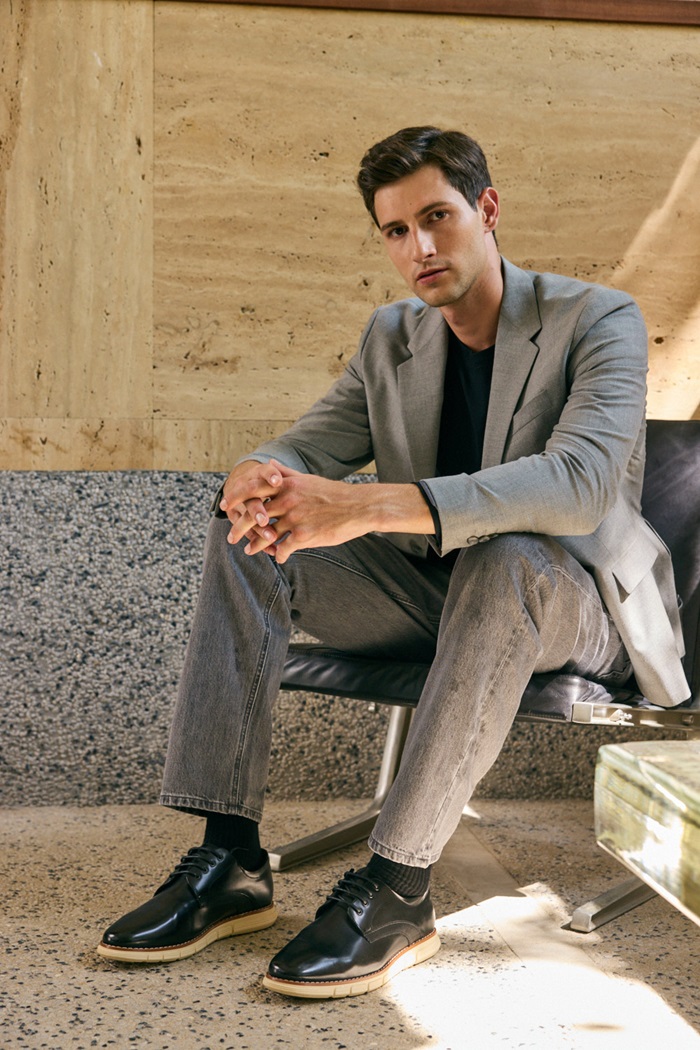
Choose fabrics based on weather, comfort, and formality. Cotton and wool are best for classic business casual. Linen works in summer but looks less formal.
Credit: www.brunomarc.com
Business Casual Vs. Formal And Casual
Many people confuse business casual with other dress codes. Here’s a simple comparison:
| Dress Code | Key Features | Best For |
|---|---|---|
| Business Casual | Blazers, dress shirts, chinos, loafers | Most offices, meetings, networking events |
| Formal | Full suits, ties, dress shoes | Interviews, important meetings, formal events |
| Casual | T-shirts, jeans, sneakers | Creative firms, casual Fridays, after-work gatherings |
Business casual is flexible. It lets you look professional without being overdressed or too relaxed.
How To Shop For Business Casual Clothes
Finding the right business casual clothes starts with smart shopping. Here’s a step-by-step guide:
- Set a budget: Decide how much you can spend. Quality basics last longer than trendy items.
- Check your company dress code: Some workplaces allow jeans, others prefer dress pants.
- Buy key pieces first: Start with shirts, pants, and shoes. Add blazers and sweaters later.
- Choose neutral colors: Navy, gray, white, black, khaki mix well.
- Try clothes on: Fit matters. If shopping online, check return policy.
- Look for quality fabrics: Cotton, wool, and blends are best.
- Avoid flashy brands: Logos and bright prints don’t fit business casual.
- Check care instructions: Easy-to-clean clothes save time.
Example Shopping List
- 3–4 dress shirts (white, light blue, gray)
- 2 polos (navy, black)
- 2 pairs of chinos (khaki, navy)
- 1 pair of dress pants (charcoal)
- 1 pair of dark jeans
- 1–2 blazers (navy, gray)
- 2 sweaters (v-neck, crew-neck)
- 2 pairs of shoes (brown loafers, black Oxfords)
- 1 leather belt
This list covers most business casual needs. Adjust based on your office and climate.
Common Business Casual Mistakes
Even experienced professionals make mistakes with business casual. Here are some to avoid:
- Wearing wrinkled clothes: Always iron shirts and pants. Wrinkles look sloppy.
- Choosing poor fit: Clothes should not be too tight or loose.
- Mixing casual shoes with formal clothes: Sneakers don’t work with dress pants.
- Ignoring color balance: Too many bright colors distract from professionalism.
- Over-accessorizing: Keep accessories simple and classic.
- Wearing graphic tees or hoodies: These are not business casual.
- Not matching belt and shoes: Brown belt, brown shoes; black belt, black shoes.
- Forgetting about grooming: Hair, nails, and personal hygiene matter.
Practical Tips For A Timeless Business Casual Look
Business casual is about looking polished and comfortable. Here are practical tips:
- Layer smartly: Add blazers or sweaters for style and warmth.
- Keep shoes clean: Dirty shoes ruin the outfit.
- Rotate clothes: Don’t wear the same outfit every day.
- Update basics yearly: Check for wear and tear.
- Use a steamer: Quick way to remove wrinkles.
- Check fit regularly: Sizes change over time.
- Plan outfits ahead: Save time in the morning.
- Invest in versatile pieces: Clothes you can wear many ways.
Real-world Examples Of Business Casual
Let’s look at how real professionals use business casual:
Example 1: Tech Startup Employee
- Dark jeans
- White dress shirt
- Navy blazer
- Clean sneakers
This outfit is comfortable and modern, fitting tech offices with relaxed dress codes.
Example 2: Corporate Manager
- Gray dress pants
- Light blue dress shirt
- Black Oxfords
- Navy sweater
This is more formal but still business casual. Suitable for meetings or client days.
Example 3: Creative Agency Designer
- Olive chinos
- Black polo
- Brown loafers
The outfit mixes style and comfort, showing personality without being too casual.
How Climate And Season Affect Business Casual
Weather changes your business casual choices. Here’s how to adapt:
Spring/summer
- Lightweight shirts (cotton, linen)
- Polos instead of sweaters
- Chinos or light dress pants
- Loafers or clean sneakers
Fall/winter
- Wool or thicker cotton shirts
- Sweaters and blazers for warmth
- Darker colors (navy, charcoal)
- Leather boots
Hot climates need breathable fabrics. Cold climates call for layers and thicker materials.
Business Casual For Travel And Remote Work
Traveling or working from home changes your dress needs. Here’s advice for each:
Business Trips
- Choose wrinkle-resistant fabrics
- Bring versatile pieces (mix and match)
- Pack neutral shoes
- Use a garment bag for blazers
Remote Work
- Dress shirts or polos for video calls
- Comfortable pants (chinos or jeans)
- Sweater or blazer for quick polish
Even when working remotely, dressing up helps you feel professional and focused.
How To Transition From Casual To Business Casual
If your wardrobe is mostly casual, changing to business casual can seem hard. Here’s how to transition:
- Start with shirts: Swap T-shirts for polos or dress shirts.
- Change pants: Replace jeans with chinos or dress pants.
- Add shoes: Choose loafers or dress shoes over sneakers.
- Layer: Use blazers or sweaters for instant polish.
- Accessorize: Simple belt and watch finish the look.
Transition slowly. Buy one new item per week. Soon, your wardrobe will fit business casual.
Budget-friendly Business Casual Brands
Finding affordable business casual clothes is possible. Here are some brands known for quality and value:
- Uniqlo: Simple shirts, sweaters, chinos
- Banana Republic: Classic blazers, dress pants
- J.Crew: Polished shirts, versatile pants
- Gap: Affordable polos and chinos
- H&M: Trendy basics for less
These brands offer basics that last. Check for sales and discounts.
Data: Business Casual Popularity In Workplaces
Business casual is now the most common dress code in US offices. Studies show:
- About 50% of US companies use business casual
- Tech and creative jobs allow more relaxed styles
- Formal dress codes are less common in modern offices
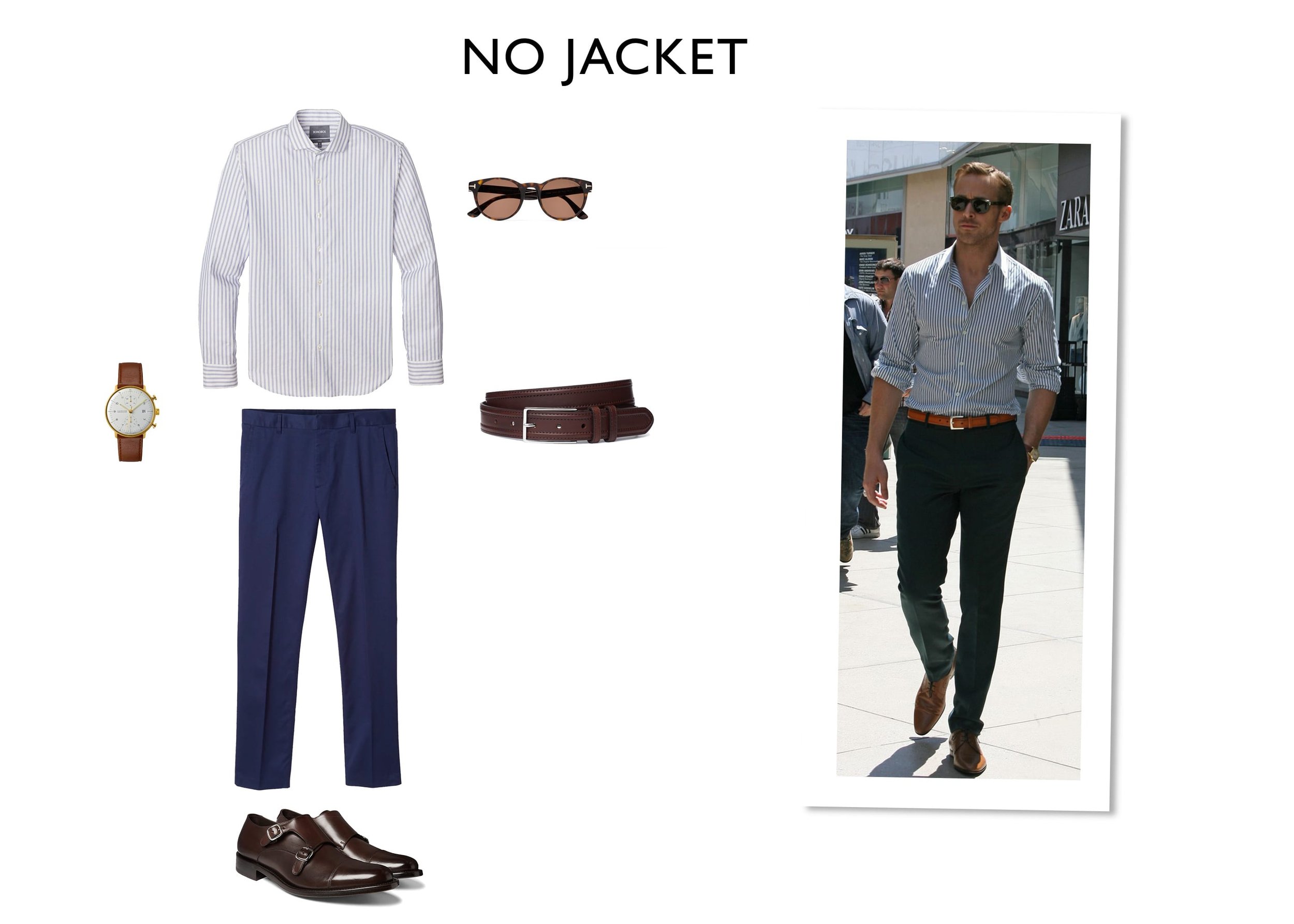
Many employees feel more comfortable and productive in business casual, according to workplace surveys.
Credit: www.theessentialman.com
Comparing Business Casual Outfits For Different Industries
Different jobs require different business casual styles. Here’s a comparison:
| Industry | Common Business Casual | Notes |
|---|---|---|
| Finance | Blazer, dress shirt, dress pants, Oxfords | More formal, avoid jeans |
| Tech | Polos, chinos, clean sneakers | Relaxed, jeans allowed |
| Law | Dress shirt, blazer, slacks | No sneakers, classic colors |
| Creative | Patterned shirts, chinos, loafers | More freedom with colors |
Adapt your business casual outfit to fit your industry. When in doubt, dress one step up.
Non-obvious Insights For Beginners
Many beginners miss these points:
- Fit beats price: Cheap clothes that fit well look better than expensive clothes that fit badly.
- Undershirts matter: A clean, fitted undershirt keeps sweat from showing and helps shirts last longer.
- Socks show style: Neutral socks are safe, but patterned socks can add personality without breaking dress code.
Where To Learn More
For deeper information on business casual and workplace dress codes, visit Wikipedia's Business Casual page.
Frequently Asked Questions
What Is The Difference Between Business Casual And Smart Casual?
Business casual is more formal than smart casual. Business casual usually includes dress shirts, chinos, and blazers. Smart casual allows more relaxed items, like jeans and stylish sneakers, but still looks polished. Business casual fits most offices, while smart casual works for events and creative jobs.
Can I Wear Jeans As Business Casual?
You can wear dark, clean jeans in business casual if your company allows. Avoid faded, ripped, or baggy jeans. Pair jeans with a dress shirt and blazer for a professional look.
Are Sneakers Allowed In Business Casual?
Some companies allow clean, simple sneakers in business casual. Avoid athletic or colorful sneakers. Choose leather or canvas styles in neutral colors. Always check your company’s dress code first.
Do I Need To Wear A Tie For Business Casual?
A tie is not required for business casual. You can add a tie for meetings or formal days, but most outfits work without one. If you wear a tie, keep it slim and simple.
How Do I Keep Business Casual Clothes Looking Good?
To keep clothes sharp:
- Wash and iron shirts and pants regularly
- Polish shoes
- Store blazers on hangers
- Rotate outfits to avoid wear
- Check for stains or damage
With these habits, your business casual wardrobe will last and always look professional.
Dressing business casual is easier when you know the basics. With the right clothes, colors, and fit, you can look confident and comfortable every day at work. Mix, match, and adapt these ideas to fit your job and personality. Business casual is not just a dress code—it’s a way to show your best self.

Credit: southerntide.com
