

Best Way to Organize Activewear: Simple Tips for a Tidy Closet
Staying active is easier when your gear is ready and organized. If you love working out, you probably have a collection of leggings, sports bras, shorts, and tanks. But activewear can quickly turn into a messy pile. Finding your favorite running top or that matching sock can be frustrating when your drawers are overflowing.
The good news is, organizing your activewear is possible—even if you have a small closet or busy lifestyle.
In this guide, you'll discover practical, step-by-step ways to organize activewear, from sorting and folding to smart storage solutions. You’ll learn what works for different types of clothing, how to keep everything tidy, and tips that even experienced organizers sometimes overlook.
Whether you have a huge collection or just a few key pieces, you’ll find methods that make sense for you. An organized space saves time, protects your clothes, and can even motivate you to exercise more. Let’s dive into how to organize your activewear for good.
Why Organizing Activewear Matters
A clutter-free activewear system is more than just nice to look at. It saves you time every day. When you can see everything you own, you stop wasting minutes searching for matching pieces. This means you’re less likely to skip a workout because you “can’t find anything to wear.
”
Activewear is often made from special fabrics that wick moisture and stretch. Storing them properly helps keep them in good shape, so you don’t have to replace items as often. Well-organized storage also prevents damage, like snags and stretching. You’ll find it easier to keep track of what you have, so you don’t buy duplicates or forget about hidden favorites.
Most importantly, a tidy space can boost your motivation. When your workout clothes are easy to grab and ready to go, you’re more likely to stick to your fitness routine.
Step 1: Declutter Before You Organize
Start by taking everything out of your drawers, bins, or closet. Spread your activewear out where you can see it all. This step is important—you can’t organize what you can’t see.
Go through each item. Ask yourself:
- Does it still fit well?
- Is it in good condition (no holes, tears, or stretched-out parts)?
- Do you actually wear it, or does it just take up space?
- Does it suit your current workout style?
Be honest. If you haven’t worn something in months, consider donating it. Clothes that are worn out can be recycled or used as cleaning rags. Remember, the less you have, the easier it is to keep everything organized.
Two Overlooked Decluttering Tips
- Check elastic bands: Many people miss old leggings or bras where the stretch is gone. If the band feels loose, it’s time to let go.
- Try everything on: Activewear can lose shape even if it looks fine. Put on items to check fit and comfort.
Step 2: Sort By Category
Once you have just what you want to keep, sort your activewear into categories. Grouping similar items makes the next steps simpler.
Common categories include:
- Leggings and tights
- Shorts
- Sports bras
- Tanks and t-shirts
- Long-sleeve tops
- Jackets and hoodies
- Socks
- Accessories (headbands, hats, gloves, etc.)
You can make more categories if you have a large collection or special items, like swimwear or cycling gear.
Sorting this way helps you see how much space each category needs. It also makes it easier to find what you need later.
Step 3: Choose The Right Storage
The best storage depends on your space, budget, and how often you use each item. Here are common options:
Drawers
Drawers are good for most types of activewear, especially if you fold items neatly. They keep clothes dust-free and out of sight.
Open Shelves
Shelves make it easy to see everything at a glance. Stack folded clothes or use bins for smaller items.
Hanging Space
If you have enough closet space, hang jackets, hoodies, or delicate tops to prevent wrinkles. Use strong, non-slip hangers.
Bins And Baskets
Bins are useful for socks, accessories, or items you use less often. Clear bins let you see what’s inside without opening them.
Over-the-door Organizers
These save space by using the back of a closet or bedroom door. They’re great for small accessories, socks, or rolled-up leggings.
Under-bed Storage
For seasonal items or overflow, flat storage boxes under the bed work well. Just make sure clothes are clean and dry before storing.
Wall Hooks And Racks
Hooks are perfect for hats, bags, or items you want to grab quickly. They also keep sweaty clothes off the floor after a workout.
Comparison: Storage Types For Activewear
To help you decide, here’s a quick look at common storage solutions:
| Storage Type | Best For | Pros | Cons |
|---|---|---|---|
| Drawers | Leggings, bras, tops | Easy access, hidden | Can get messy |
| Shelves | Folded clothes | Visible, quick grab | Needs folding skills |
| Hanging space | Jackets, hoodies | Prevents wrinkles | Takes more room |
| Bins/Baskets | Socks, accessories | Organizes small items | Can hide items from view |
Step 4: Folding And Rolling Methods
How you fold or roll activewear affects how much you can fit and how tidy everything looks.
Folding Leggings And Tights
Lay leggings flat, fold in half lengthwise, then fold in thirds or roll tightly. This keeps them compact and prevents wrinkles.
Sports Bras
Stack lightly padded bras on top of each other, or fold them in half with the cups inside. Avoid crushing cups.
Tops And Tanks
Fold tops into rectangles, or roll them if you prefer. Rolling saves space and makes it easy to see each item.
Shorts
Fold shorts in half and then in thirds, or roll them for drawer storage.
Socks
Match pairs and either fold into a ball or stack them flat. For compression socks, avoid stretching the band.
Rolling Vs. Folding: Which Is Best?
Rolling saves space and makes it easy to see all your clothes at once. Folding keeps stacks neat but can hide items at the bottom. Try both methods to see what fits your space and style.
Example: Rolling Leggings
Lay the leggings flat, fold in half so the legs match. Start at the waist and roll tightly to the ankles. Place them upright in a drawer, like files. This way, you can see every pair without digging.
Step 5: Arrange By Use And Frequency
Store the items you wear most often in the easiest-to-reach spots. For example, if you run every morning, keep your running gear in the top drawer or front of your closet.
Less-used items can go on higher shelves, in bins, or under the bed. Rotate your clothes as seasons change—put winter gear away in summer and vice versa.
Grouping by activity can also help. Have one spot for yoga clothes, another for running, and another for gym workouts. This makes it faster to get dressed and out the door.
Non-obvious Insight: “go Bag” System
Keep a small bag or basket with a full workout outfit ready to go. If you’re in a rush or travel often, this trick saves time and reduces stress.
Step 6: Label Everything
Labels make it easier to remember where things go and keep your system organized, especially if you share storage with family or roommates.
You can use:
- Sticky notes
- Clip-on labels
- Chalkboard tags
- Printed stickers
Label bins, baskets, and even shelves by category (“Leggings,” “Socks,” “Swimwear”). This is especially helpful for kids or anyone new to the system.
Step 7: Maintain Your System
Organizing is not a one-time job. Set aside a few minutes each week to tidy up. Refold clothes, return items to their spots, and do a quick check for worn-out pieces.
Every few months, do a bigger reset—repeat the decluttering process and adjust your system if your needs change. For example, if you join a new fitness class, create space for the right gear.
Practical Tip: The “one In, One Out” Rule
Every time you buy a new piece, donate or recycle an old one. This keeps your collection manageable.
Organizing Activewear In Small Spaces
Not everyone has a big closet or extra room for storage. With a bit of creativity, you can make the most of even a tiny space.
- Use vertical space: Install hooks, wall racks, or hanging shelves.
- Try slim hangers: These save closet space for jackets or long-sleeve tops.
- Over-the-door organizers: Perfect for leggings, socks, or accessories.
- Store out-of-season clothes under the bed or on a high shelf.
- Choose multi-use furniture: Benches or ottomans with storage can hide workout gear.
Hidden Storage Example
If you live in a studio apartment, try using a storage ottoman for yoga mats and resistance bands. Or, hang a fabric shoe organizer on the back of your door for rolled-up leggings.
How To Organize Activewear Accessories
Accessories often get lost, but they’re important for your workout routine.
- Store headbands, hair ties, and wristbands in small clear containers.
- Hang hats and visors on hooks or a pegboard.
- Roll up yoga socks and put them in a small bin near your shoes.
- Use a drawer divider for sunglasses, armbands, and gloves.
If you use a smartwatch or fitness tracker, keep its charger and bands in a small zip bag or drawer organizer so you’re never searching for them.
Keeping Shoes And Bags Organized
Workout shoes and gym bags need their own spots. Mud, sweat, and odors can ruin other clothes if you mix them together.
- Place shoes on a small rack or tray near the door.
- Use a breathable bag for sweaty clothes, and wash them as soon as possible.
- Hang gym bags on a hook or keep them in a cubby.
- For small spaces, try stackable shoe boxes or over-the-door shoe racks.
Caring For Special Fabrics
Activewear is made from high-tech fabrics. Here are tips to keep them in top shape:
- Wash with similar items: Don’t mix heavy jeans or towels with delicate fabrics.
- Use a mesh laundry bag for bras and small items.
- Air dry when possible to avoid heat damage.
- Store clean, dry clothes—never put away damp items.
This helps your clothes last longer and keeps your storage area fresh.
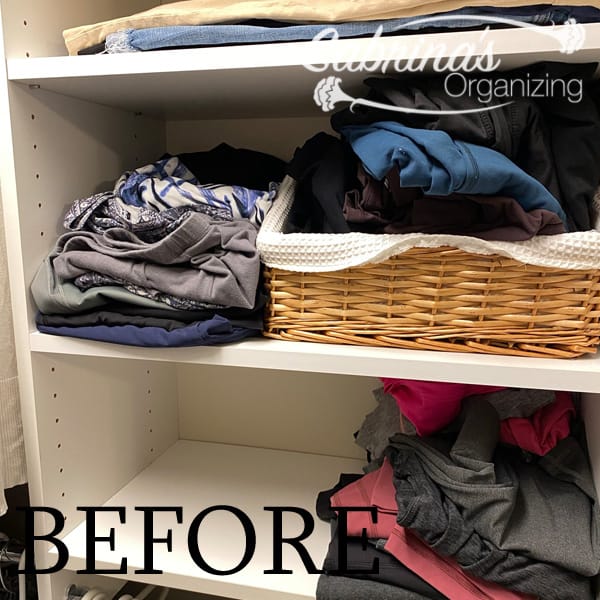
Credit: sabrinasorganizing.com
Activewear For Families And Roommates
If you share a home, organizing can be tricky. Create clear spaces for each person. Use color-coded bins, labels, or sections of a closet.
Teach kids to put their own items away by using low bins or drawers. For busy households, a “grab and go” basket by the door can save time.
How Often Should You Reorganize?
Most people benefit from reorganizing every few months. Seasonal changes, new activities, and growing collections make regular updates necessary.
If you notice drawers are overflowing or you can’t find what you need, it’s time for a quick tidy-up. Make it part of your laundry routine—fold, sort, and put away clothes in the right spot every time.
What To Do With Old Activewear
Don’t just throw away old clothes. Many brands and organizations recycle or donate used activewear. Some stores offer discounts if you bring in old items. Check local charities, recycling centers, or mail-in programs.
Worn-out leggings or socks can be cut into cleaning rags. Get creative—old tops can become reusable shopping bags.
Digital Tools For Activewear Organization
Technology can help, especially if you have a big collection or want to track your outfits.
- Use photo apps to snap pictures of your gear and log them by category.
- Try wardrobe apps to plan outfits or track what you wear most.
- Set reminders on your phone for laundry day or reorganizing.
While not everyone needs this level of detail, these tools can be useful for serious athletes or those who love fashion.
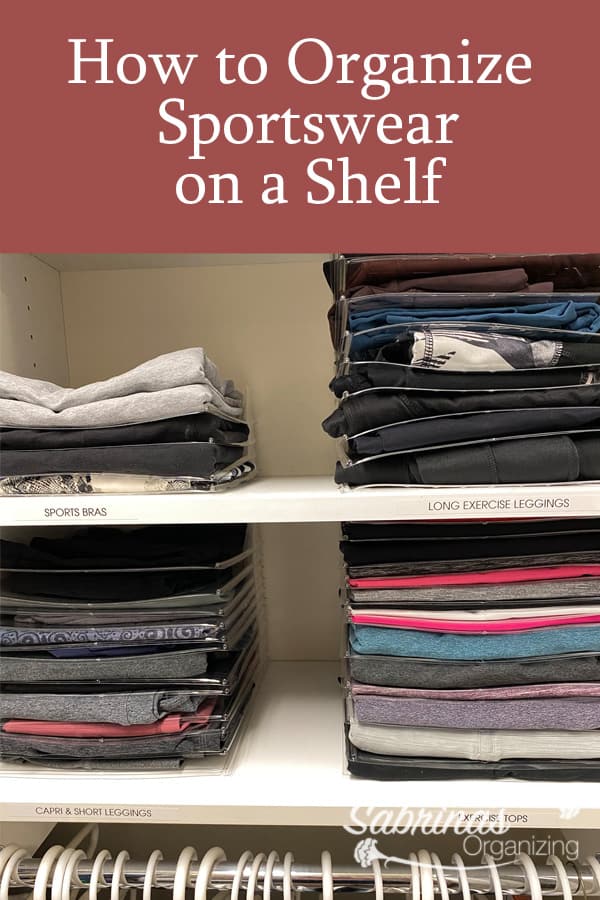
Credit: sabrinasorganizing.com
Smart Organization For Different Types Of Workouts
Think about your activities when organizing:
- Yoga/Pilates: Keep mats, blocks, and straps near your clothes for easy access.
- Running: Place reflective gear, hats, and gloves together.
- Swimming: Use a waterproof bag for swimwear and goggles.
- Cycling: Hang helmets and gloves on hooks, store padded shorts in a special bin.
This “activity zone” idea saves time and prevents forgotten gear.
Storage Solutions: Budget Vs. Premium
You don’t have to spend a lot to get organized. Here’s a look at some options:
| Solution | Budget Option | Premium Option |
|---|---|---|
| Drawer Dividers | DIY cardboard | Custom wood or acrylic |
| Baskets | Plastic bins | Woven or designer baskets |
| Labels | Sticky notes | Printed or engraved tags |
| Shoe Storage | Over-the-door rack | Built-in closet system |

Credit: www.youtube.com
Mistakes To Avoid When Organizing Activewear
- Overstuffing drawers: Clothes get wrinkled, hard to see, and messy fast.
- Ignoring decluttering: Storing items you never wear wastes space.
- Mixing workout clothes with regular clothes: It’s harder to find what you need.
- Not using vertical space: Walls, doors, and high shelves can hold more than you think.
- Skipping maintenance: Even the best system fails if you don’t keep it up.
Extra Tips For Long-term Success
- Try using scented sachets or dryer sheets in bins to keep clothes smelling fresh.
- Use clear bins so you can see what’s inside without opening.
- Fold items as soon as laundry is done to avoid piles.
- Involve the whole family—teach everyone the system to keep things in order.
- Adjust your setup if your workout routine changes.
Example: Activewear Drawer Layout
Here’s a sample setup for a medium-sized drawer:
| Section | Contents |
|---|---|
| Left | Rolled leggings (color coded) |
| Center | Stacked sports bras and tanks |
| Right | Folded shorts, socks in a small bin |
This layout makes it easy to grab what you need and see when it’s time to do laundry.
Inspiration: Small Changes, Big Results
You don’t need a fancy closet or expensive bins to get organized. Even simple steps—like rolling your leggings or adding a label to a basket—can make a big difference. Many people find that after organizing, they wear more of their collection and get out the door faster.
It’s a small investment for a big reward in your daily routine.
If you want to see creative ideas or get step-by-step visuals, check out resources like The Container Store for more inspiration and product options.
Frequently Asked Questions
How Do I Keep My Activewear From Getting Stretched Out In Storage?
Always fold or roll clothes instead of hanging heavy items like leggings or bras. Only hang lightweight or structured jackets. Use non-slip, padded hangers if you must hang delicate pieces to avoid stretching.
What's The Best Way To Organize Activewear In A Small Apartment?
Use vertical storage like wall hooks, over-the-door organizers, and slim bins under the bed. Roll clothes to save space and keep a small “grab and go” basket by the door for your most-used gear.
How Can I Make My Activewear Last Longer?
Wash in cold water, use gentle detergent, and avoid fabric softeners. Air dry whenever possible and store clean, dry items away from sunlight and heat. Don’t overcrowd storage so fabrics can breathe.
Should I Fold Or Hang Sports Bras?
Fold most sports bras, especially those with padding, to keep their shape. Stack lightly padded ones or use a drawer divider. Only hang if you have space and use padded hangers.
What Should I Do With Activewear I No Longer Use?
Donate gently used items to local charities or recycling programs. Some brands accept old activewear for recycling. Repurpose worn-out pieces as cleaning rags or craft materials.
Organizing your activewear doesn’t have to be complicated. With a bit of planning, you’ll create a system that saves time, protects your clothes, and supports your active lifestyle. The key is to start small, adjust as you go, and enjoy the benefits every day.
