

Are You Supposed to Wear Underwear With Activewear? Expert Advice
Are You Supposed To Wear Underwear With Activewear?
Choosing what to wear under your workout clothes is a question many people face. Whether you’re a runner, a yoga enthusiast, or someone who enjoys a gym session, you’ve probably wondered if it’s better to wear underwear under your activewear—or skip it altogether. This simple choice can impact your comfort, hygiene, and even your performance. But with so many opinions and options, it’s not always clear what’s best. Let’s break down the science, habits, and expert advice so you can make a confident, comfortable decision that matches your lifestyle.
Understanding Activewear And Its Purpose
Activewear is designed to help your body move, breathe, and perform during physical activities. Unlike regular clothes, these garments use special fabrics like moisture-wicking polyester, spandex, or nylon. These materials pull sweat away from your skin, stretch easily, and dry fast, which helps prevent chafing and overheating.
Some activewear comes with built-in liners or gussets that act like underwear, while others are simply tight-fitting leggings, shorts, or tops. The fit and function of activewear have changed a lot over time, and so have the social expectations about what to wear underneath.
Common Reasons People Wear Underwear With Activewear
There’s no single answer for everyone, but here are the most common reasons people choose to wear underwear with their workout clothes:
- Extra Comfort: Some find that underwear adds a soft layer between their skin and the sometimes rough seams of activewear.
- Hygiene: Underwear can help absorb sweat and reduce bacteria, which may lower the risk of infections.
- Support: The right underwear, especially for men, can provide extra support during high-impact activities.
- Habit: For many, it simply feels normal to wear underwear under everything.
- Coverage: Underwear can help people feel less exposed, especially in thin or light-colored leggings.
Still, these are not universal truths. What feels comfortable and right for one person may not suit another.
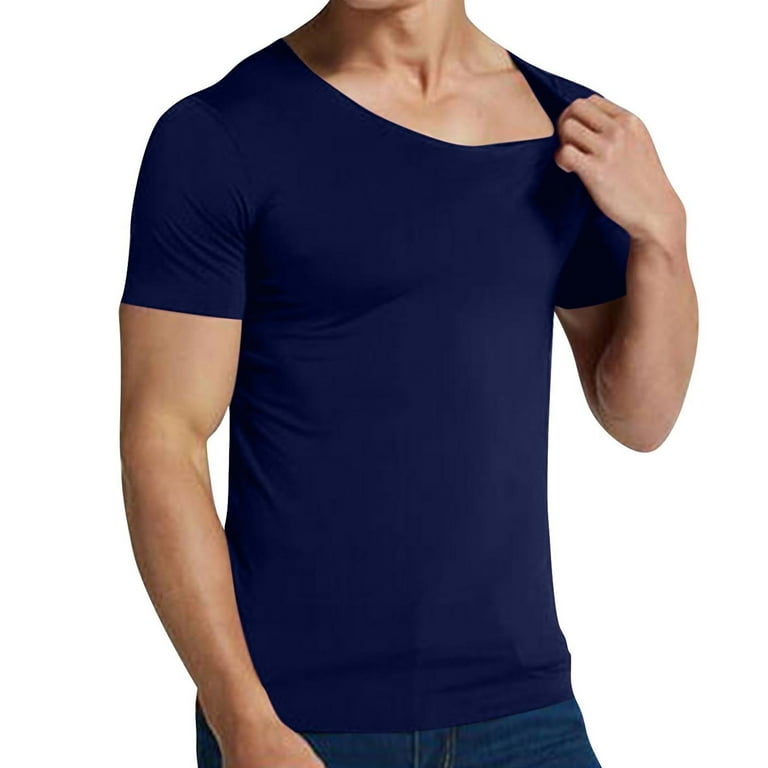
Credit: www.walmart.com
Why Some People Skip Underwear With Activewear
On the other hand, many athletes and fitness lovers skip underwear with certain types of activewear. Here’s why:
- Built-In Liners: Many running shorts, swimsuits, and some yoga pants come with built-in liners that act as underwear.
- Fewer Layers: Wearing less can mean less heat and less chafing, especially during intense activities.
- Moisture Control: Good activewear is designed to pull sweat away from your skin, but adding underwear can sometimes trap moisture.
- Seamless Look: No underwear means no visible lines or bunching under tight leggings.
- Personal Preference: Some simply feel more comfortable or free without an extra layer.
The Science: Skin, Sweat, And Movement
Let’s look at what happens to your skin and body when you work out. During exercise, your body produces sweat to cool you down. Your skin also needs to breathe and recover after friction from movement.
Wearing underwear under activewear can sometimes help:
- Absorb sweat before it reaches your outer clothing.
- Reduce direct friction between your skin and seams or fabric.
- Protect sensitive areas from bacteria and irritation.
However, in some cases, underwear can be a problem:
- Traps moisture, especially if made from cotton or non-wicking materials.
- Increases friction if it rides up or bunches.
- Creates more seams, which can cause chafing.
Types Of Activewear And Underwear Compatibility
Not all activewear is made the same way. Let’s compare some common types and whether underwear is usually needed.
| Activewear Type | Built-in Liner | Underwear Needed? | Best Practice |
|---|---|---|---|
| Running Shorts | Often Yes | Usually No | Skip underwear if liner is present |
| Yoga Leggings | No | Optional | Choose seamless underwear or none |
| Compression Shorts | No | Optional | Some prefer none for less friction |
| Swimsuits | Yes | No | Liner replaces underwear |
| Tennis Skirts | Sometimes | Optional | Personal comfort is key |
Pros And Cons: Wearing Underwear With Activewear
Making the right choice depends on your activity, body, and gear. Here’s a closer look at the advantages and disadvantages.
Pros
- Added Layer of Protection: Underwear can help prevent clothing from becoming see-through during stretches or squats.
- Absorbs Sweat and Odor: The right underwear can manage moisture and reduce odors better than activewear alone.
- Better Hygiene: Acts as a barrier between your body and gym equipment, which can sometimes carry bacteria or fungi.
Cons
- Can Cause Bunching and Lines: Especially with tight leggings or shorts, underwear can bunch up or show lines.
- Moisture Trapping: Cotton or thick fabrics can hold sweat, increasing risk of yeast infections or rashes.
- Extra Seams: More seams can mean more spots for chafing, especially during long runs or intense movement.
How To Choose The Right Underwear For Activewear
If you decide to wear underwear, it makes a big difference to choose the right type. Here’s what to consider:
- Fabric: Look for moisture-wicking, synthetic fabrics like nylon, polyester, or spandex. Avoid cotton—it holds sweat.
- Seamless Design: Seamless underwear reduces chafing and gives a smooth look under tight clothing.
- Breathability: Mesh panels and lightweight fabrics help air flow and keep you dry.
- Fit: The underwear should be snug but not tight. Loose underwear can bunch; too tight causes friction.
- Cut/Style: Briefs, hipsters, or boyshorts work well for women. Trunks or boxer briefs are good for men.
- Antimicrobial Properties: Some underwear is treated to prevent bacteria growth and odors.
What About Going Commando?
The term “going commando” means wearing no underwear at all. Many athletes and fitness lovers do this, especially with high-quality activewear. Is it safe? Usually, yes—if your activewear is clean, fits well, and is made from good moisture-wicking material.
Benefits include:
- Less bulk and heat
- Lower chance of underwear lines
- Fewer seams for chafing
But there are a few things to keep in mind:
- Wash activewear after every use to keep it clean and bacteria-free.
- Choose leggings or shorts with a gusset (a diamond-shaped piece of fabric in the crotch area) for comfort and hygiene.
- Try it at home first to check for any irritation or see-through problems.
Gender Differences: Men Vs. Women
Men and women have different needs when it comes to underwear and activewear. Here’s how it breaks down:
For Women
- Vaginal health is a concern. Tight or sweaty underwear can sometimes lead to yeast infections or irritation.
- Seamless or laser-cut underwear prevents lines under leggings.
- Women’s running shorts and swimsuits often have a built-in liner, replacing the need for underwear.
For Men
- Support matters, especially for activities like running or high-impact sports.
- Compression shorts often act as underwear and outerwear at the same time.
- Loose shorts usually need underwear for coverage and hygiene.
Hygiene And Health Considerations
Staying clean and healthy is more important than any fashion trend. Here are some facts to remember:
- Bacteria and fungi love moist, warm places. Sweat left on skin or trapped in fabric can lead to rashes or infections.
- Change out of sweaty clothes as soon as your workout ends.
- Wash both underwear and activewear after every use.
- If you have sensitive skin, avoid scented detergents or fabric softeners.
Some experts recommend not wearing underwear with activewear that has a built-in liner, because the liner is designed to be in direct contact with your skin.
Addressing Common Myths
There are some common beliefs about underwear and activewear that aren’t always true. Let’s clear them up.
- Myth: You must always wear underwear with leggings.
- Fact: High-quality leggings with a gusset and thick material can be worn without underwear.
- Myth: Cotton underwear is best for working out.
- Fact: Cotton absorbs sweat but doesn’t dry quickly. This can cause irritation and bacteria growth.
- Myth: Going commando is unhygienic.
- Fact: It’s safe if your clothes are clean, fit well, and are made from performance fabric.
- Myth: Underwear prevents all infections.
- Fact: Moist, tight underwear can actually create the perfect environment for bacteria.
Practical Tips For Everyday Workouts
Here are some tips to help you decide what works best for you:
- Test Different Options: Wear underwear with activewear one day, go without the next. See which feels better and causes fewer problems.
- Check the Weather: Hot and humid days may call for less layering, while cooler temperatures may require more.
- Watch for Irritation: If you notice redness, bumps, or itching, try changing your underwear style or fabric—or go without.
- Choose Quality Over Quantity: One pair of high-quality seamless underwear is better than several cheap, thick pairs.
- Be Mindful of Workout Type: For activities with lots of movement (running, HIIT), support and moisture control are key.
Special Cases: High-intensity Sports And Long Workouts
If you do long runs, cycling, or team sports, your needs may be different.
- Distance runners often choose to skip underwear with shorts that have a liner to reduce chafing.
- Cyclists usually do not wear underwear under padded cycling shorts—extra seams can cause painful sores.
- Soccer and basketball players may wear compression shorts as both underwear and outerwear for support and comfort.
Cultural And Social Factors
What’s “normal” can change based on where you live, your gym’s dress code, or local customs.
- In some cultures, modesty is important, so wearing underwear for extra coverage is common.
- In women’s locker rooms, visible underwear lines are often considered a fashion “no,” leading some to go commando.
- Some gyms have hygiene rules about what must be worn under shorts or leggings.
It’s always a good idea to check your gym’s rules or ask staff if you’re unsure.

Credit: www.amazon.com
Real-world Examples And Insights
Let’s look at a few practical examples:
- Yoga Instructor: Chooses seamless underwear for classes with lots of stretching to avoid lines and discomfort.
- Triathlete: Goes commando under tri-suits to avoid chafing during long events.
- Casual Gym-Goer: Wears breathable, thin underwear with leggings for peace of mind.
- Sprinter: Uses compression shorts as both underwear and shorts for speed and support.
One insight many beginners miss: The gusset in leggings and shorts isn’t just for durability—it’s meant to add comfort and protection if you skip underwear. Another is that seamless underwear brands often design their products specifically for active people, so you don’t have to choose between comfort and hygiene.
Comparing Underwear Materials For Activewear
Choosing the best fabric can make a big difference. Here’s a side-by-side look at common materials.
| Fabric Type | Moisture Wicking | Breathability | Odor Control | Chafing Risk |
|---|---|---|---|---|
| Cotton | Poor | Good | Poor | High |
| Polyester | Excellent | Good | Fair | Low |
| Spandex | Good | Excellent | Good | Low |
| Merino Wool | Good | Good | Excellent | Low |
| Bamboo | Good | Excellent | Good | Low |
Mistakes To Avoid
Even experienced athletes can make mistakes when it comes to underwear and activewear. Here are a few to avoid:
- Wearing the Wrong Size: Too tight or too loose can both cause problems.
- Ignoring Fabric Labels: Cotton feels soft at first but is not great for sweaty workouts.
- Not Washing Enough: Reusing dirty underwear or activewear increases the risk of infections and odors.
- Using Old or Worn-Out Gear: Old underwear loses its stretch and moisture-wicking power.
- Choosing Style Over Function: Lacy or decorative underwear may look good but can irritate skin and hold sweat.
Environmental Impact And Sustainability
Choosing what to wear under your activewear also has an environmental impact. Synthetic fabrics like polyester are common, but they can shed microplastics and are slow to decompose. Natural fibers like bamboo or merino wool are better for the planet but can be more expensive.
- Wash activewear and underwear in cold water to extend their life.
- Choose brands that use recycled or sustainable materials.
- Avoid using fabric softeners—they can reduce moisture-wicking ability.
For more on sustainable clothing choices, you can read about eco-friendly textiles at Wikipedia.
Expert Opinions
Many sports medicine doctors and trainers agree: the best choice depends on your body and your goals. There is no health rule that applies to everyone. If you’re prone to infections, try seamless, moisture-wicking underwear. If you’ve never had issues and prefer the feeling of going commando, that’s fine too.
One thing all experts agree on: Listen to your body. If you experience discomfort, odor, or irritation, make changes and see what works.
Frequently Asked Questions
Should I Wear Underwear With Leggings?
Wearing underwear with leggings is a personal choice. If your leggings are thick, have a gusset, and fit well, you can go without. For thinner leggings or added coverage, seamless underwear is a good choice.
Is It Hygienic To Go Commando During Workouts?
It’s safe to go commando if your activewear is clean, fits well, and is made from moisture-wicking material. Always wash your clothes after each workout and change quickly after exercising.
What Type Of Underwear Is Best For Running?
Moisture-wicking, seamless underwear made from synthetic fabrics like polyester or spandex is best for running. These reduce sweat, friction, and chafing.
Can Wearing Underwear Cause Infections During Workouts?
Cotton or non-breathable underwear can trap moisture, leading to bacterial or yeast infections. Choose underwear designed for sports or consider skipping it if your shorts have a built-in liner.
How Often Should I Replace My Workout Underwear?
Replace workout underwear every few months or when you notice loss of stretch, holes, or lingering odors. Fresh underwear helps maintain hygiene and comfort.
---
The choice to wear underwear with activewear is highly personal—there is no single “right” answer. By understanding your options, the benefits, and the risks, you can make a decision that best fits your comfort, activity, and health. Try different combinations, listen to your body, and don’t be afraid to update your routine as your needs change.
Ultimately, confidence and comfort are what matter most, both in and out of the gym.

Credit: www.sockstack.com
