

Best Business Casual for Men: Top Outfits for Effortless Style
Best Business Casual For Men
Finding the right business casual look can feel confusing. You want to look professional, but not too formal. You also want to feel comfortable, confident, and ready for anything the workday brings. Many men struggle to know what to wear for business casual, especially when dress codes can be unclear.
In this article, you’ll discover the best business casual options for men, with practical advice, real examples, and clear comparisons. You’ll learn how to build a versatile wardrobe, avoid common mistakes, and choose styles that work for your body and your job.
Whether you’re new to the office or just want to upgrade your style, you’ll find everything you need right here.
What Is Business Casual For Men?
Business casual means dressing smartly, but not in a full suit and tie. It’s a mix between formal and relaxed. You look tidy and professional, but you’re not wearing formal business attire. The exact meaning can change by company, region, or industry. Here are some key points:
- No full suit required
- No need for a tie (unless your office prefers it)
- Dress pants, chinos, or smart jeans
- Collared shirts, sweaters, or polos
- Closed-toe shoes (leather, suede, clean sneakers)
- Minimal accessories
Business casual is about balance. You want to look approachable, but also show respect for your workplace and colleagues.
Key Elements Of Business Casual Outfits
Understanding the main parts of a business casual outfit helps you build your wardrobe without stress. Let’s break it down:
Shirts
Collared shirts are a safe choice. Button-down shirts in cotton or blends are classic. Solid colors and subtle patterns work well. Polo shirts are also acceptable for many offices. Avoid loud prints or sports logos.
Pants
Dress pants or chinos are ideal. They look polished but are less formal than suit trousers. Dark jeans can work in some offices, but avoid ripped, faded, or baggy styles.
Jackets
A blazer or sport coat adds structure. You don’t have to match your pants. Choose neutral colors like navy, gray, or brown for versatility.
Shoes
Choose leather shoes (such as loafers, brogues, or oxfords) for a classic look. Clean, minimal sneakers may be allowed, but check your office rules.
Accessories
Keep accessories simple: a classic watch, leather belt, and maybe a pocket square. Avoid flashy jewelry or large logos.
Building A Business Casual Wardrobe
Creating a wardrobe takes planning. You want pieces that mix and match easily. Here’s how to start:
Essential Pieces
1. White Button-down Shirt
Clean, crisp, and always professional.
2. Light Blue Button-down Shirt
Easy to pair and softer than white.
3. Navy Or Gray Chinos
Neutral, works with any shirt.
4. Khaki Chinos
Adds variety without being loud.
5. Navy Blazer
Instantly upgrades any outfit.
6. Brown Leather Loafers
Comfortable and stylish.
7. Black Or Brown Belt
Matches your shoes for a polished look.
8. Polo Shirt
Good for warmer days or casual Fridays.
9. Sweater (crew Or V-neck)
Layer over shirts in cooler months.
10. Dark, Slim-fit Jeans
Acceptable in many modern offices.
Mixing And Matching
The real power of a business casual wardrobe is versatility. A navy blazer works with both chinos and jeans. White shirts pair with almost any pants. When you build with basic colors, you can create many outfits from just a few items.
Business Casual Vs. Smart Casual
People often confuse business casual with smart casual. The differences are subtle but important. Here’s a quick comparison:
| Business Casual | Smart Casual |
|---|---|
| Collared shirts, chinos, dress pants, blazers | Collared shirts, dark jeans, stylish sneakers, statement jackets |
| Mostly neutral colors | Can include bolder colors and patterns |
| Minimal accessories | Trendy accessories allowed |
| Professional, office-appropriate | More relaxed, suitable for social events |
Business casual is best for work and meetings. Smart casual is more for after-work events or creative industries.
Best Business Casual Brands For Men
Choosing the right brand makes shopping easier. You want quality, comfort, and style. Here are some top choices:
1. Banana Republic
Known for modern, clean styles. Their chinos and shirts are well-made and fit most body types.
2. J.crew
Offers classic pieces like button-down shirts, sweaters, and blazers. Their clothing is durable and easy to mix.
3. Uniqlo
Affordable basics. Their shirts and pants are simple but stylish, great for starting your wardrobe.
4. Brooks Brothers
Famous for dress shirts. Their quality is high and their styles are timeless.
5. Bonobos
Modern fits and a wide range of sizes. Their pants and shirts are comfortable and look sharp.
6. Nordstrom
Many brands under one roof. Their customer service helps with sizing and style advice.
7. Charles Tyrwhitt
Focuses on shirts and smart pants. Great for men who want a polished look.
8. Tommy Hilfiger
Offers business casual options with a bit of flair. Their polos and chinos are popular.
9. Ralph Lauren
Classic American style. Their polos and sweaters are high-quality.
10. H&m
Budget-friendly. Their business casual line is good for younger men or anyone starting out.
Business Casual Outfit Ideas For Different Occasions
Your business casual outfit may change depending on the day or event. Here are some practical examples:
Regular Workday
- Light blue button-down shirt
- Navy chinos
- Brown leather loafers
- Black belt
This look is simple, comfortable, and always professional.
Client Meeting
- White button-down shirt
- Gray dress pants
- Navy blazer
- Black oxford shoes
The blazer adds formality. Choose neutral colors to show seriousness.
Casual Friday
- Polo shirt
- Khaki chinos
- Clean white sneakers
- Brown belt
More relaxed, but still neat.
Office Party
- Dark slim-fit jeans
- Patterned shirt (subtle, not loud)
- Unstructured blazer
- Loafers
Shows personality without losing professionalism.
Presentation Day
- Crisp white shirt
- Navy blazer
- Charcoal chinos
- Black dress shoes
This outfit helps you stand out and shows confidence.

Credit: hangrr.com
How To Choose The Right Business Casual Outfit
Picking the right outfit depends on several factors. Let’s look at them:
Company Dress Code
Check your employee handbook or ask HR. Some offices are stricter, while others are more relaxed. Always start a bit more formal and adjust as you learn.
Body Type
Not every style fits every body. For example:
- Slim men: Try tailored shirts and pants. Avoid oversized clothing.
- Broad or muscular men: Look for shirts with room in the chest and shoulders.
- Tall men: Longer shirts and pants prevent awkward fits.
- Shorter men: Avoid baggy pants; slim-fit styles create a taller look.
Climate
Hot climates: Choose lightweight fabrics like cotton or linen. Avoid heavy sweaters or jackets.
Cold climates: Layer with sweaters, jackets, and thicker fabrics.
Personal Style
Add small touches to show your personality. Maybe a patterned pocket square or unique watch. But keep it subtle.
Common Business Casual Mistakes
Many men make simple mistakes with business casual. Avoid these:
1. Wearing Wrinkled Clothes
Always iron your shirts and pants. Wrinkles look sloppy.
2. Choosing Oversized Fits
Baggy shirts and pants make you look less professional.
3. Mixing Too Many Colors
Stick with 2-3 colors per outfit. Too many colors can look messy.
4. Ignoring Shoes
Dirty or worn-out shoes ruin a good outfit. Keep them clean.
5. Forgetting The Belt
A belt completes your look and keeps pants in place.
6. Wearing Sportswear
Avoid sweatpants, hoodies, or sports jerseys.
7. Large Logos Or Flashy Accessories
Keep it simple. Too much branding looks unprofessional.
8. Neglecting Grooming
Hair, nails, and facial hair should be tidy.
Business Casual Clothing Care Tips
Keeping your clothes looking new is important. Here’s how:
- Wash shirts and pants in cold water to preserve color.
- Hang shirts immediately after washing to reduce wrinkles.
- Iron or steam shirts for a crisp finish.
- Rotate shoes to avoid wearing out one pair too quickly.
- Use shoe trees for leather shoes; they keep shape and absorb moisture.
- Store blazers on wide hangers to prevent shoulder bumps.
Taking care of your clothes means you spend less money and always look your best.
Business Casual For Different Age Groups
Business casual styles can work for all ages. Here’s how to adapt them:
Young Professionals
Start with basics: white shirts, navy chinos, and clean shoes. Add a modern touch with slim fits or a unique watch.
Mid-career
Invest in better quality: Brooks Brothers shirts, Bonobos pants, and leather shoes. Choose classic colors and fits.
Senior Executives
Focus on timeless style: tailored blazers, high-quality dress shirts, and fine accessories. Less is more—let your experience speak through simple, elegant clothing.
How To Upgrade Your Business Casual Look
Want to stand out? Try these tips:
- Add a blazer or sport coat, even on casual days.
- Choose shirts with subtle patterns (stripes, checks).
- Try a knit tie for a relaxed but professional touch.
- Switch to suede or colored leather shoes for variety.
- Wear a lightweight scarf in cool weather.
- Use a leather portfolio or bag instead of a backpack.
Small upgrades show confidence and attention to detail.
Business Casual Clothing Comparison Table
To help you choose, here’s a quick comparison of popular business casual items:
| Item | Best For | Comfort | Style Versatility |
|---|---|---|---|
| Button-Down Shirt | All offices | High | Very versatile |
| Polo Shirt | Casual Fridays | Very high | Moderate |
| Chinos | Daily wear | High | Very versatile |
| Dark Jeans | Creative offices | Very high | Moderate |
| Blazer | Meetings, presentations | Medium | High |
| Loafers | All occasions | High | Very versatile |
How Colors Impact Business Casual
Choosing the right colors is more important than many realize. Neutral colors like navy, gray, white, and beige are safe and easy to match. They also look professional in almost any situation.
Bold colors (red, green, purple) can work, but should be used sparingly. For example, a burgundy sweater or a green tie adds personality without being distracting.
Patterns like stripes or checks are fine if they’re subtle. Avoid loud, busy designs.
Color mistakes beginners often make:
- Wearing bright shirts with bright pants (too much color)
- Choosing neon or pastel shades in formal offices
- Not matching belt and shoes (always match color)
Fabric Choices For Business Casual
Fabric affects comfort and style. Here’s what to look for:
Cotton
Cotton is comfortable, breathable, and easy to care for. Most shirts and chinos are cotton.
Wool
Wool is warmer, great for blazers and winter pants. It resists wrinkles.
Linen
Linen is light and cool, perfect for hot climates. It wrinkles easily, but looks stylish in summer.
Synthetics
Polyester and blends are easy to wash and often wrinkle-resistant. They’re good for travel, but sometimes less breathable.
A non-obvious tip: For shirts, look for cotton-poly blends. They stay crisp longer and are easier to care for.
Business Casual For Remote Work
Many men work from home now. Does business casual still matter? Yes, especially for video calls. Here’s how to adapt:
- Wear a clean, collared shirt—even if you’re in shorts off camera.
- Choose brighter colors for video calls; they look better on screen.
- Avoid busy patterns that distract on camera.
- Keep a blazer nearby for important meetings.
Looking professional, even remotely, helps you feel confident and focused.
Buying Business Casual Online Vs. In-store
Shopping online is convenient, but has risks. Here’s a quick table comparing both:
| Online Shopping | In-Store Shopping |
|---|---|
| Wide selection | Try before you buy |
| Easy price comparison | Immediate feedback on fit |
| Possible sizing issues | Limited stock |
| Convenient returns | Personal service |
A practical tip: When shopping online, check reviews for sizing and material. Brands like Bonobos offer easy returns and virtual fittings.
Sustainable Business Casual Choices
Eco-friendly fashion is rising. You can look good and help the planet by choosing sustainable business casual brands. Look for:
- Organic cotton shirts
- Recycled materials in pants or jackets
- Brands with ethical labor practices
- Durable items that last longer
Uniqlo and Patagonia offer sustainable options. Buying better means less waste and fewer replacements.
Non-obvious Insights For Business Casual Success
Some things are easy to miss, especially for beginners:
1. Fit Is More Important Than Price
A $30 shirt that fits well looks better than a $100 shirt that’s too loose.
2. Layering Adds Depth
Wearing a sweater over a shirt or adding a blazer creates dimension and style. It’s not just about single pieces.
3. Invest In Tailoring
Even basic pants and shirts look expensive when tailored. Most stores offer alterations for a small fee.
4. Keep A Spare Outfit At Work
Accidents happen—coffee spills, sudden meetings. Having a backup shirt or pants saves embarrassment.

Credit: nilds.gov.ng
Business Casual And Cultural Differences
Business casual means different things in different places. In the US, chinos and polos are common. In Europe, business casual can be more formal—blazers and dress shirts. In Asia, some offices prefer traditional attire or more conservative styles.
Always ask about local customs if you travel or work with international teams.
Business Casual For Special Situations
Sometimes, you need to adapt your outfit:
Job Interviews
Dress slightly more formal than expected. A blazer, dress pants, and clean shirt show you care.
Networking Events
Show personality, but stay professional. Try a patterned shirt or unique accessory.
After-work Drinks
Switch your blazer for a casual jacket, or change shoes to stylish sneakers.
Where To Get Reliable Business Casual Advice
Many websites and blogs offer business casual tips. For trusted advice, check Real Men Real Style. They cover fit, fabrics, and office trends with clear examples.
Frequently Asked Questions
What Is The Best Business Casual Outfit For A First Day At Work?
Choose a white button-down shirt, navy chinos, and brown loafers. Add a blazer if you’re unsure about the dress code. Keep accessories simple. This outfit is safe and looks professional in almost any office.
Can I Wear Jeans For Business Casual?
Yes, but only dark, slim-fit jeans with no rips or fading. Pair them with a collared shirt and clean shoes. Avoid baggy or distressed jeans, which look too casual for most offices.
Are Sneakers Allowed In Business Casual?
Some modern offices accept minimal, clean sneakers. Avoid sports shoes or bright colors. Always check your company policy before wearing sneakers.
How Can I Look Stylish In Business Casual Without Spending Much?
Focus on fit and basics. Buy shirts and pants in neutral colors, and get them tailored if needed. Look for sales from brands like Uniqlo or H&M. Mix and match pieces to create new outfits.
What Accessories Work For Business Casual?
A leather belt, classic watch, and maybe a subtle pocket square. Avoid flashy jewelry or large logos. Keep accessories simple to stay professional.
Business casual doesn’t have to be confusing. With the right pieces, careful choices, and a few insider tips, you can look great, feel confident, and make a strong impression every day at work.
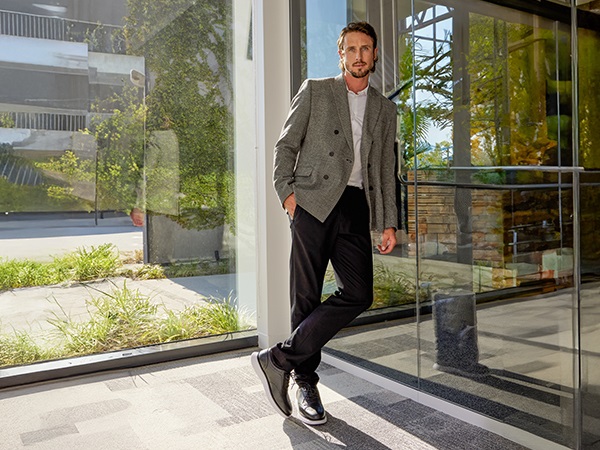
Credit: www.brunomarc.com
