

Why is Affirmation Important in a Relationship: Key Benefits
Why Is Affirmation Important In A Relationship
Feeling loved, understood, and valued is at the heart of every healthy relationship. Many couples wonder what keeps a relationship strong through life’s challenges. The answer often comes down to one simple but powerful practice: affirmation. When partners affirm each other, they create a foundation of trust, emotional safety, and mutual respect. While physical affection and shared activities matter, consistent affirmation has a unique way of building emotional bonds that last.
Many people assume affirmation is just about saying “I love you” or giving compliments. In reality, it goes much deeper. Affirmation is about recognizing your partner’s worth, appreciating their efforts, and expressing encouragement in ways that matter. Without enough affirmation, even the most loving couples can drift apart or feel unappreciated.
Let’s explore why affirmation is so vital, how it affects relationships, and what can happen when it’s missing.
What Is Affirmation In A Relationship?
Affirmation in a relationship means expressing positive words or actions that show you value, appreciate, and support your partner. It can be as simple as saying, “I’m proud of you,” or as meaningful as offering comfort during hard times. Unlike empty praise, true affirmation speaks to your partner’s character, contributions, and importance in your life.
Affirmation is not just verbal. It can be communicated through small acts, thoughtful gestures, or even body language. For example, a reassuring touch, a caring note, or taking time to listen all send affirming messages. The key is sincerity—affirmation must come from the heart to have a real impact.
The Psychological Impact Of Affirmation
Affirmation is not just “nice to have”—it deeply affects how people feel about themselves and their relationships. Here’s why:
Building Self-esteem
When people feel affirmed, their self-esteem rises. Knowing that someone notices and appreciates them makes individuals more confident and secure. This boost in self-worth helps each person bring their best self to the relationship. Over time, it also reduces insecurity and jealousy.
Creating Emotional Safety
Feeling emotionally safe is critical for open communication and intimacy. Affirmation helps create this safety by reassuring your partner they are loved and accepted as they are. When both people feel safe, they are more likely to share their true feelings, dreams, and fears.
Reducing Anxiety And Stress
Affirmation acts as a buffer against stress. Supportive words and gestures can calm nerves and make difficult times easier to handle. Research shows that people who receive affirmation from loved ones have lower stress levels and cope better with challenges.
Encouraging Positive Behaviors
Affirmation also motivates people to keep doing good things. When you affirm your partner’s kindness, hard work, or thoughtfulness, they are more likely to repeat those actions. This creates a positive cycle that benefits the whole relationship.
The Science Behind Affirmation And Relationships
Many studies support the power of affirmation in relationships. Research published in the Journal of Personality and Social Psychology found that couples who regularly affirm each other feel more satisfied and less likely to break up. Another study showed that affirmation helps partners recover faster from conflicts and disagreements.
Brain imaging research also reveals that hearing positive words from a loved one activates areas linked to pleasure and reward. This is why a simple “thank you” or “I appreciate you” can feel so powerful. Over time, affirmation becomes part of a couple’s shared emotional language.
To see how affirmation compares to criticism, consider this comparison:
| Affirmation | Criticism |
|---|---|
| Builds self-worth | Lowers self-esteem |
| Encourages open sharing | Causes withdrawal |
| Strengthens trust | Creates doubt and fear |
| Promotes positive actions | Leads to defensiveness |
Different Forms Of Affirmation
Affirmation comes in many shapes. Understanding the different forms helps you choose what works best for your relationship.
1. Verbal Affirmation
This is the most direct way to affirm your partner. Examples include:
- “I love how thoughtful you are.”
- “Thank you for working so hard for our family.”
- “I’m grateful for your support.”
The key is to be specific. Instead of general praise, mention the exact behavior or quality you appreciate.
2. Physical Affirmation
Sometimes, actions speak louder than words. Physical affirmation includes:
- Giving a warm hug after a long day
- Holding hands in public
- Offering a gentle touch during a tough moment
Even small gestures can communicate care and reassurance.
3. Written Affirmation
Notes, messages, or letters can have a lasting impact. A quick text or handwritten note can brighten your partner’s day. Examples:
- Leaving a sticky note on the fridge saying, “You make me smile.”
- Sending a message before an important meeting: “You’ll do great today.”
4. Acts Of Service
Doing something helpful or thoughtful is another form of affirmation. This could be:
- Making your partner’s favorite meal
- Taking care of a task they dislike
- Surprising them with a small treat
These actions show you notice their needs and want to make life easier for them.
5. Quality Time
Spending focused, undistracted time together is also a powerful affirmation. This means putting away phones, making eye contact, and truly listening. It tells your partner, “You are important to me. ”

Credit: mindliftapp.app
Why Affirmation Is Often Overlooked
Many couples don’t realize how important affirmation is—until it’s missing. Here are some reasons why it can be overlooked:
Taking Each Other For Granted
With time, people can assume their partner “already knows” they are loved or valued. This leads to fewer affirming words and gestures.
Busy Schedules
Daily routines and stress can crowd out moments for affirmation. When life gets hectic, small signs of appreciation may be forgotten.
Cultural Differences
In some cultures, open praise or affection is less common. Partners may feel awkward or unsure about expressing affirmation.
Personality Differences
Some people find it hard to express feelings, even if they care deeply. Others may need more affirmation but hesitate to ask.
Fear Of Vulnerability
Affirming someone requires honesty and sometimes, emotional risk. People who fear rejection or embarrassment may hold back.
The Risks Of Not Affirming Your Partner
The absence of affirmation can slowly weaken a relationship. Here’s what often happens when affirmation is missing:
Growing Emotional Distance
Without affirmation, partners can feel lonely—even when together. Emotional distance grows as each person wonders if they are truly valued.
Increased Conflict
Lack of affirmation can lead to more arguments. People may feel unappreciated and become defensive or critical.
Loss Of Intimacy
Affirmation fuels emotional and physical closeness. When it’s missing, intimacy often fades.
Lower Relationship Satisfaction
Research shows couples who rarely affirm each other report lower happiness and are more likely to separate.
Search For Validation Elsewhere
If people don’t feel valued at home, they may seek affirmation from friends, coworkers, or even unhealthy sources.
Here’s a look at how relationships with and without affirmation differ:
| Relationships With Affirmation | Relationships Without Affirmation |
|---|---|
| Strong emotional connection | Emotional distance |
| Lower conflict | Frequent arguments |
| High satisfaction | Reduced happiness |
| Greater trust and intimacy | Loss of closeness |

Credit: healthyrelationshipsinitiative.org
How To Practice Effective Affirmation
Affirmation is more than just saying nice things. It’s about being genuine, thoughtful, and consistent. Here are steps to practice affirmation effectively:
1. Notice The Good
Pay attention to your partner’s actions, efforts, and qualities—especially the small things. Affirmation starts with awareness.
2. Be Specific
General praise, like “You’re great,” can feel empty. Instead, mention what you appreciate and why. For example, “Thank you for picking up dinner. It made my day easier. ”
3. Be Timely
Affirmation has the most impact when it’s given in the moment. Don’t wait until later—share your appreciation as soon as you notice something positive.
4. Mix Words And Actions
Use both verbal and non-verbal affirmation. Sometimes, a supportive hug means as much as words.
5. Match Your Partner’s Needs
Some people like public praise, while others prefer private words. Pay attention to what makes your partner feel valued.
6. Be Consistent
Affirmation is not a one-time act. Make it a regular part of your relationship. Small, steady affirmations are more powerful than rare grand gestures.
7. Avoid Insincerity
Empty or exaggerated praise can backfire. Always be honest and authentic.
8. Listen Actively
Sometimes, affirmation means listening without judgment. Giving your full attention affirms that your partner’s feelings matter.
9. Encourage During Difficult Times
Affirmation is especially important during stress or setbacks. Remind your partner of their strengths and your belief in them.
10. Express Appreciation For Effort
Sometimes, effort matters as much as results. Affirm your partner’s hard work, not just their achievements.
Common Mistakes To Avoid
Even with good intentions, affirmation can go wrong. Here are common mistakes and how to avoid them:
Overusing Generic Praise
Repeating the same phrases can make affirmation lose meaning. Be creative and specific.
Ignoring Your Partner’s Style
Some people need more words, others prefer actions. If you only use your style, your partner may not feel affirmed.
Waiting For Big Moments
Don’t save affirmation for birthdays or special events. Everyday affirmations are just as important.
Using Affirmation To Manipulate
Affirmation should be sincere, not a way to get something in return.
Not Balancing Affirmation
If one partner gives all the affirmation, resentment can build. Both people should contribute.
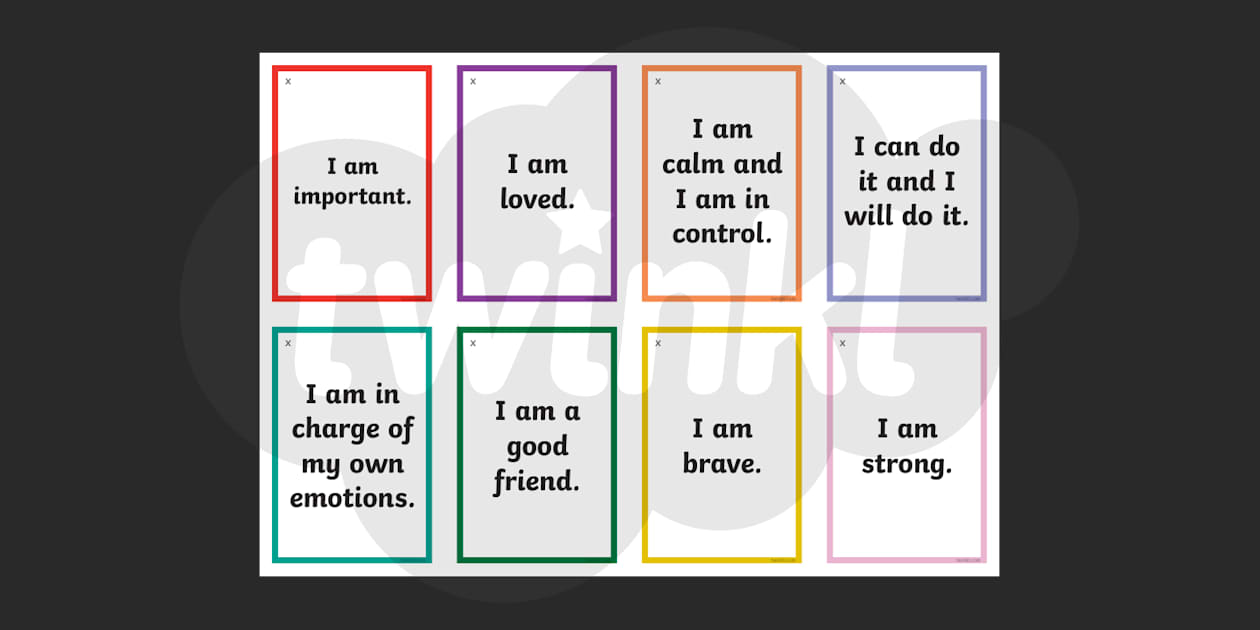
Credit: www.twinkl.com.sg
Real-life Examples Of Affirmation In Relationships
Hearing how affirmation works in real relationships can be eye-opening. Here are a few examples:
- After a tough week at work, one partner says, “I admire your dedication. You always give your best, and I’m proud to be with you.”
- During a disagreement, someone offers, “Even when we don’t agree, I respect your point of view and care about how you feel.”
- A couple keeps a small notebook where they write daily notes of appreciation for each other. Over time, these notes become a treasured record of their journey together.
- When one partner feels insecure, the other reassures them with both words and a gentle touch, saying, “You’re important to me, and I’m here for you.”
These examples show how affirmation can deepen trust, heal wounds, and build lasting connection.
Affirmation And The Five Love Languages
Relationship expert Gary Chapman describes five main ways people give and receive love: words of affirmation, acts of service, receiving gifts, quality time, and physical touch. For many, words of affirmation are the primary way they feel loved.
Understanding your partner’s love language helps tailor your affirmation. If words matter most, express appreciation often. If actions speak louder, show love through thoughtful gestures. The goal is to make your partner feel seen and valued in the way that matters to them.
Affirmation In Different Relationship Stages
Affirmation matters at every stage, but its role can change over time.
Early Stage
New couples use affirmation to build trust and excitement. Frequent positive feedback helps both people feel secure.
Established Relationships
Long-term couples may need to refresh their affirmation habits. Routine can make appreciation fade, so it’s important to keep affirming each other.
During Stress Or Transition
Affirmation is crucial during life changes—moving, job loss, illness, or becoming parents. It helps partners feel united and resilient.
In Conflict
Affirmation during disagreements can prevent hurt feelings and speed up repair. A simple “I care about you, even when we disagree” can make a big difference.
Non-obvious Insights About Affirmation
While many people understand affirmation is important, some key insights are often missed:
1. Small, Consistent Affirmations Matter More Than Occasional Big Gestures
Research and real-life experience show that frequent, small affirmations are more powerful than rare, dramatic ones. A daily “thank you” or “I appreciate you” builds trust over time, while one big compliment now and then is quickly forgotten.
2. Affirming Your Partner In Front Of Others Has A Unique Impact
Publicly affirming your partner, whether in front of family, friends, or coworkers, can boost their sense of pride and belonging. It signals respect and shows others you value your relationship.
3. Self-affirmation Supports The Relationship Too
Affirming yourself—recognizing your own worth and contributions—makes you less needy and more secure. This means you can give more genuine affirmation to your partner, rather than seeking constant reassurance.
4. Affirmation Should Adapt Over Time
What feels affirming can change. As people grow, their needs shift. Checking in with your partner about how they feel most valued helps affirmation stay meaningful.
Comparing Relationship Satisfaction With And Without Affirmation
Let’s see how affirmation affects overall satisfaction, based on survey data and research.
| With Regular Affirmation | Without Affirmation |
|---|---|
| High trust and intimacy | Low emotional safety |
| Open communication | Frequent misunderstandings |
| Quick conflict resolution | Lingering resentment |
| Greater sense of partnership | Feeling alone or unsupported |
These differences show why affirmation is not just a “nice extra,” but a core part of any strong relationship.
How To Ask For More Affirmation
If you feel your partner doesn’t affirm you enough, it’s okay to ask for what you need. Here are some tips:
- Use “I” statements: “I feel loved when you say something kind to me.”
- Be specific: “It means a lot when you notice my efforts with the kids.”
- Express appreciation for any affirmation they already give.
- Avoid blaming or accusing—focus on your needs, not their shortcomings.
- Offer examples of what feels affirming to you.
Remember, asking for affirmation is not a sign of weakness. It shows you care about the health of your relationship.
Affirmation And Long-term Relationship Success
Affirmation is a key ingredient in long-lasting, happy relationships. Couples who affirm each other regularly tend to:
- Stay together longer
- Handle stress better
- Recover from arguments faster
- Enjoy greater physical and emotional intimacy
Therapists and relationship coaches often encourage couples to make affirmation a daily habit. It’s a simple practice with powerful results.
For more on the science of affirmation in relationships, see this Psychology Today resource.
Frequently Asked Questions
What Is The Difference Between Affirmation And Praise In A Relationship?
Affirmation is about recognizing your partner’s value, character, and effort, while praise often focuses on achievements or results. Affirmation is deeper and more personal, making your partner feel truly seen and appreciated. Praise can feel shallow if it’s only about what someone does, not who they are.
How Often Should I Affirm My Partner?
There is no set rule, but regular, genuine affirmation is best. Aim for at least a few affirming words or actions each day. The important thing is consistency—small, frequent affirmations work better than rare, dramatic gestures.
Can Too Much Affirmation Feel Fake Or Overwhelming?
Yes, if affirmation is not sincere or is given too often without meaning, it can lose its impact. Focus on being specific and authentic. Affirm only what you truly notice and appreciate, and match your partner’s needs.
What If My Partner Doesn’t Respond Well To Affirmation?
Some people are not used to receiving affirmation and may feel awkward at first. Give them time, and ask what feels comfortable for them. You can also show affirmation through actions or quality time if words feel strange.
Does Affirmation Help During Conflicts Or Only In Good Times?
Affirmation is helpful in both situations. During conflict, it reminds your partner you still respect and care for them, even when you disagree. This creates a safe space for honest communication and faster healing.
Strong, happy relationships are built on trust, respect, and consistent affirmation. By making affirmation a daily habit, you can deepen your connection, support each other’s growth, and create a partnership that stands the test of time.
