

Why Do People Do Daily Affirmations: Unlocking Positivity
Why Do People Do Daily Affirmations
Most people have heard about daily affirmations. You see them in books, on social media, and even in workplace training. But why do so many people use affirmations every day? What is the real reason behind this practice, and does it actually help anyone?
For many, affirmations seem simple—just positive sentences you say to yourself. Yet, the daily habit of affirming goes far beyond repeating words. It touches our thoughts, feelings, and even our actions.
This article takes you deeper into why daily affirmations matter. You’ll discover the science, the psychology, and the practical benefits. You'll also see how affirmations can shape confidence, reduce stress, and help with goals. There are myths and misunderstandings too, which we’ll clear up.
If you wonder whether affirmations are just a trend or a meaningful tool, this guide will answer your questions. Let’s explore why millions of people around the world make daily affirmations part of their routine.
What Are Daily Affirmations?
Daily affirmations are short, positive statements you say to yourself every day. They focus on changing how you think, feel, and behave. A typical affirmation might be, “I am confident in my abilities,” or “I am calm and in control.
” People often repeat these phrases in the morning or before a challenge. The goal is to shift your mindset from negative to positive.
How Do People Practice Affirmations?
There are several ways people use affirmations:
- Speaking out loud: Saying affirmations to yourself in front of a mirror.
- Writing in a journal: Writing daily affirmations helps make them feel more real.
- Listening to recordings: Some people use audio affirmations for easier repetition.
- Visual reminders: Sticky notes on walls, screens, or notebooks keep affirmations visible.
Different methods suit different people. The main idea is to repeat positive statements regularly, so they become part of your thinking.
Common Examples Of Daily Affirmations
Here are some phrases people use:
- “I am worthy of success.”
- “I trust myself to make good decisions.”
- “I am grateful for today.”
- “I can handle whatever comes my way.”
These statements are simple, but their effect can be powerful when used every day.
The Psychology Behind Daily Affirmations
Many people use affirmations because they believe it will change their thinking. Psychology shows that the words we use have a big impact on our minds. When you repeat positive statements, you start to believe them. This belief leads to changes in how you feel and act.
Self-affirmation Theory
The self-affirmation theory explains why affirmations work. It says people want to protect their self-image. When you face challenges or criticism, affirmations help remind you of your strengths. This makes you feel more secure and less defensive.
Positive Self-talk Vs. Negative Self-talk
Everyone talks to themselves, either out loud or in their mind. This is called self-talk. Positive self-talk boosts confidence. Negative self-talk can cause stress and doubt. Daily affirmations turn negative thoughts into positive ones. For example, instead of thinking “I can’t do this,” you say, “I am capable.”
The Role Of Repetition
Repeating affirmations daily is key. Repetition helps your brain form new beliefs. It’s like learning a new skill—the more you practice, the stronger it gets. Over time, affirmations can change your automatic thoughts.
Scientific Evidence: Do Affirmations Work?
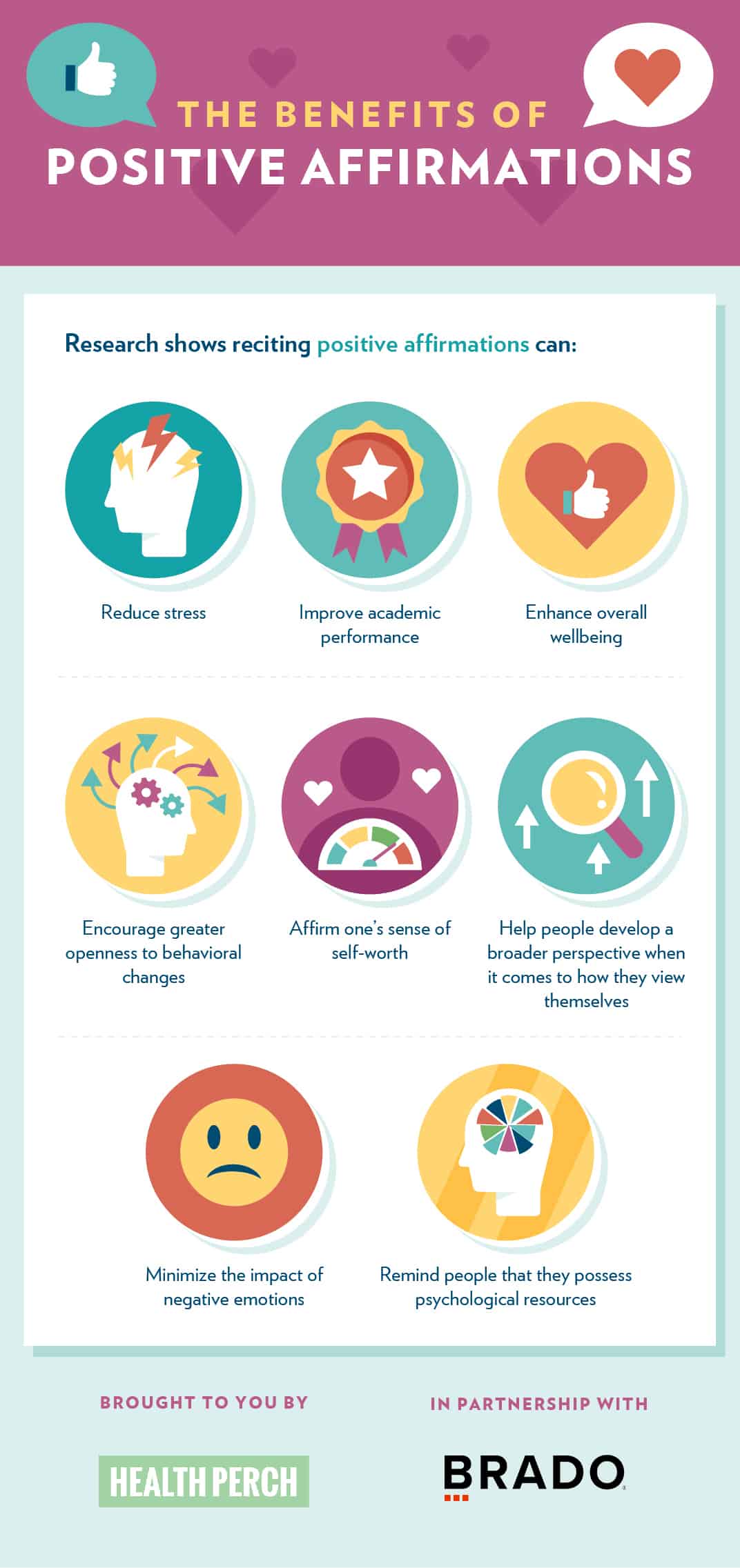
People often ask if daily affirmations have any scientific proof. Research shows that affirmations can help with stress, confidence, and performance.
Studies On Affirmations
- One study found that people using self-affirmations felt less stress before exams and interviews.
- Another study showed that affirmations improved performance in problem-solving tasks.
- Research also suggests that affirmations can lower anxiety in stressful situations.
How Affirmations Affect The Brain
Affirmations activate parts of the brain linked to reward and self-processing. When you use affirmations, you feel good about yourself. This brain activity helps you handle challenges better.
Limitations And Criticisms
Not all research supports affirmations. Some studies show little effect, especially if the person does not believe the statement. If someone says, “I am confident,” but feels insecure, the affirmation may not help. The key is to use realistic affirmations that match your own goals.
Benefits Of Daily Affirmations
Most people use daily affirmations for a reason—they see real benefits. Here are some of the most common advantages:
1. Improved Confidence
Daily affirmations help build self-confidence. By repeating positive statements, you start believing in your abilities. This makes it easier to try new things and face challenges.
2. Reduced Stress And Anxiety
Affirmations are a useful tool for managing stress. When you say calming statements, your mind relaxes. This helps you deal with difficult situations and lowers anxiety.
3. Better Focus And Motivation
Affirmations can increase your motivation. They remind you of your goals and why they matter. People who use affirmations often feel more focused and driven.
4. Stronger Resilience
Resilience means bouncing back from setbacks. Affirmations remind you that you have the strength to overcome problems. This makes you more resilient.
5. Improved Relationships
Positive affirmations can improve how you relate to others. When you feel good about yourself, you treat others better. This leads to healthier relationships.
6. Healthier Habits
Some people use affirmations to build healthy habits. For example, saying “I make healthy choices” helps you stick to good routines.
7. Enhanced Performance
Athletes and professionals use affirmations to boost performance. Positive self-talk before an event helps them stay calm and confident.
8. Greater Gratitude
Affirmations can increase gratitude. When you focus on positive aspects of your life, you feel more thankful.
9. Emotional Balance
Daily affirmations help manage emotions. They reduce negative feelings and boost positive ones.
10. Personal Growth
Affirmations support personal growth. By repeating statements about improvement, you encourage yourself to learn and develop.
How Daily Affirmations Influence Behavior
Affirmations are not just words—they shape actions. When you believe a positive statement, you act in ways that match that belief. This changes how you respond to daily challenges.
The Cycle Of Belief And Action
Here’s how affirmations work:
- Affirmation: You repeat a positive statement, like “I am capable.”
- Belief: Over time, you start believing it.
- Action: You act confidently because you believe you are capable.
- Result: You get better outcomes, which strengthen your belief.
This cycle creates lasting change.
Practical Examples
- Job Interviews: Saying “I am prepared” leads to better performance.
- Exams: Affirming “I can learn and remember” helps you study more effectively.
- Relationships: “I communicate clearly” leads to healthier conversations.
Who Uses Daily Affirmations?
Affirmations are popular in many groups. People from all walks of life use them, from students to business leaders.
Students
Students use affirmations to boost confidence before exams and presentations. They help with stress and learning.
Professionals
Business people use affirmations for motivation and leadership. Many find affirmations help them handle pressure and make decisions.
Athletes
Athletes use affirmations to improve performance. Positive statements help them stay focused during training and competitions.
People With Mental Health Challenges
Affirmations are sometimes used in therapy for anxiety, depression, and self-esteem issues. They support emotional healing.
Everyday Individuals
Anyone can use daily affirmations. Many people add them to their morning routine for a positive start.
How To Create Effective Daily Affirmations
Making good affirmations is important. Generic statements may not work. Here’s how to craft effective ones:
1. Be Positive
Affirmations should focus on what you want, not what you don’t want. For example, say “I am healthy,” not “I am not sick. ”
2. Use Present Tense
Say affirmations as if they are true now. “I am confident,” not “I will be confident. ”
3. Be Specific
Specific statements are more powerful. Instead of “I am successful,” try “I handle challenges with confidence. ”
4. Keep It Realistic
Affirmations should match your goals and values. If you don’t believe the statement, adjust it. For example, “I am learning to be confident. ”
5. Personalize Your Statements
Tailor affirmations to your own needs and situation. Use your name, goals, or experiences.
6. Keep Them Short
Short affirmations are easier to remember and repeat.
7. Repeat Regularly
Consistency is key. Use affirmations daily for the best effect.
Daily Affirmation Practices Around The World
Affirmations are not just a Western idea. People in many cultures use positive statements to shape their minds.
Cultural Variations
- In Eastern cultures, mantras and chants serve similar purposes.
- African communities often use proverbs and sayings for encouragement.
- Latin American cultures value positive storytelling and family affirmations.
Global Impact
Affirmations are translated into many languages. People adapt them to their own beliefs and customs.

Credit: www.rebelle-beauty.com
Comparing Daily Affirmations With Other Mindset Techniques
People use many tools for positive thinking. How do affirmations compare to other methods?
| Method | Main Focus | Typical Practice | Strengths | Weaknesses |
|---|---|---|---|---|
| Daily Affirmations | Positive self-talk | Repeating statements | Easy, accessible | May feel artificial |
| Visualization | Imagining success | Mental imagery | Helps goal clarity | Needs focus |
| Meditation | Mindfulness | Silent focus | Reduces stress | Takes time |
| Journaling | Reflection | Writing thoughts | Tracks progress | Needs consistency |
Affirmations stand out because they are simple and quick. But combining methods can boost results.
Common Mistakes With Daily Affirmations
Affirmations are easy to start, but some mistakes can reduce their impact.
1. Using Unrealistic Statements
If you don’t believe the affirmation, it won’t work. For example, saying “I am rich” when you’re struggling financially can feel dishonest.
2. Lack Of Consistency
Skipping days or forgetting to repeat affirmations weakens their effect.
3. Ignoring Action
Affirmations alone are not enough. You need to act in ways that support your statements.
4. Not Personalizing
Using generic affirmations may not feel meaningful. Personalize them for better results.
5. Overdoing It
Repeating too many affirmations can be overwhelming. Focus on a few key statements.
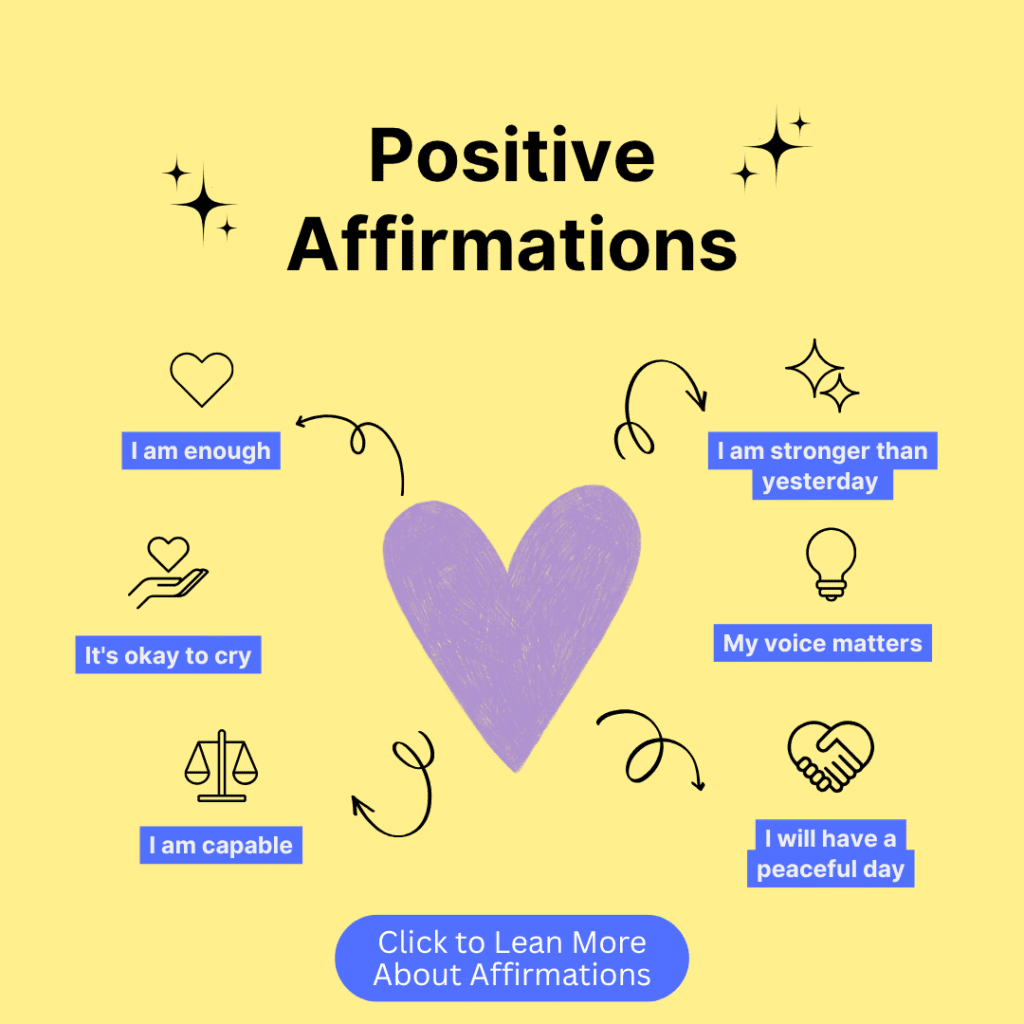
Credit: aapsychiatry.com
Daily Affirmations In Therapy And Coaching
Therapists and coaches use affirmations as part of their work. They help clients build confidence and cope with stress.
Therapy
Affirmations support cognitive-behavioral therapy (CBT). They help change negative beliefs and replace them with positive ones.
Coaching
Life coaches use affirmations to motivate clients. They encourage daily practice for personal growth.
Practical Example
A therapist might suggest, “I am learning to accept myself,” for someone with low self-esteem. A coach may use, “I am moving forward,” for career goals.
Data: Who Uses Daily Affirmations?
To understand how common affirmations are, let’s look at some numbers.
| Group | % Using Daily Affirmations | Main Reason |
|---|---|---|
| Students | 52% | Reduce stress, improve confidence |
| Professionals | 37% | Motivation, leadership |
| Athletes | 68% | Performance, focus |
| Therapy clients | 45% | Emotional healing |
These numbers show affirmations are popular in many groups.
Real-world Examples Of Daily Affirmations
People from all backgrounds share their stories about affirmations.
Example 1: Student Facing Exams
Maria, a college student, felt anxious before exams. She started saying, “I can learn and remember,” each morning. Over time, her confidence grew. She studied more and scored higher.
Example 2: Professional Under Pressure
James, a manager, used “I handle challenges calmly. ” He kept this affirmation on his desk. When problems arose, he reminded himself of this phrase. It helped him make better decisions.
Example 3: Athlete Preparing For Competition
Lila, a runner, repeated “I am strong and focused” before races. This gave her mental strength. She noticed faster times and fewer nerves.
Example 4: Person Recovering From Stress
After a difficult period, Ray used “I am healing and growing. ” He wrote it daily in a journal. This simple practice helped him feel hope again.
How To Make Daily Affirmations A Habit
Turning affirmations into a daily habit takes effort. Here are some tips:
1. Choose A Set Time
Pick a time that fits your routine—morning, evening, or before a challenge.
2. Start Small
Begin with one or two affirmations. Add more as you get comfortable.
3. Use Visual Reminders
Sticky notes, phone alarms, or posters can help you remember.
4. Combine With Other Habits
Pair affirmations with activities like exercise or meditation.
5. Track Progress
Record your affirmations and notice changes in your mood or actions.
6. Adjust As Needed
Change affirmations if they don’t feel right. Make them fit your current needs.
Are Daily Affirmations Right For Everyone?
Affirmations work for many, but not all. Some people feel awkward or uncomfortable using them. If you don’t connect with affirmations, try other mindset tools like visualization or journaling.
Signs Affirmations Are Helping
- You feel more positive.
- You handle stress better.
- You notice improved confidence.
Signs Affirmations May Not Be Working
- You feel no change after weeks.
- You dislike the practice.
- You struggle to believe the statements.
If affirmations don’t help, explore other options.
Non-obvious Insights About Daily Affirmations
Here are insights many beginners miss:
1. Affirmations Can Reveal Hidden Beliefs
When you struggle to believe an affirmation, it shows an area for growth. For example, saying “I am successful” feels hard if you doubt your abilities. This signals a deeper belief to work on.
2. The Quality Of Your Affirmations Matters More Than Quantity
Using a few meaningful affirmations is better than many generic ones. Quality statements connect with your goals and emotions.
3. Affirmations Can Be Used In Group Settings
Families or teams can use shared affirmations to build unity and motivation. For example, “We support each other” helps create positive group energy.
Credit: www.northwestpharmacy.com
Myths And Misunderstandings About Daily Affirmations
Some people misunderstand what affirmations can do.
Myth 1: Affirmations Are Just Wishful Thinking
Affirmations are not magic. They help shift mindset, but you need action too.
Myth 2: Only Positive People Use Affirmations
Anyone can use affirmations, no matter their mood or personality.
Myth 3: Affirmations Must Be Perfect
There is no right or wrong way. The best affirmations are personal.
Myth 4: Affirmations Work Instantly
Change takes time. Repetition is key.
Resources For Learning More About Daily Affirmations
If you want to read more, many books, articles, and online courses cover daily affirmations. For scientific details, you can check this Wikipedia article, which explains the psychology and research behind affirmations.
Frequently Asked Questions
What Is The Best Time To Do Daily Affirmations?
There is no single best time. Many people prefer mornings to start the day positively. Others use affirmations before stressful situations, like presentations or exams. The key is consistency—choose a time that works for you.
Can Daily Affirmations Help With Anxiety?
Yes, daily affirmations can help reduce anxiety. Positive self-talk calms the mind and shifts focus away from worry. For best results, use affirmations that address your specific concerns, such as “I am safe and calm. ”
How Long Does It Take To See Results From Daily Affirmations?
Results vary. Some people notice changes in a few days, while others need weeks or months. Consistent repetition is important. If you don’t see improvement, try adjusting your affirmations to make them more believable.
Should Affirmations Be Spoken Aloud Or Written?
Both methods work. Speaking affirmations aloud engages your voice and hearing, making them more powerful. Writing them helps reinforce the message. Many people use both—say them aloud and write them in a journal.
Are Daily Affirmations Supported By Science?
Some research supports daily affirmations, showing benefits for stress, confidence, and performance. However, results depend on belief and repetition. Affirmations work best when combined with action and realistic goals.
Using daily affirmations is a simple practice, but it can lead to big changes in your life. Whether you want to boost confidence, reduce stress, or support personal growth, affirmations offer a practical tool. Remember to personalize your statements, repeat them regularly, and combine them with positive actions.
If you’re new to affirmations, start small and notice how your thoughts and feelings change over time. The journey to a more positive mindset often begins with just a few words.
