

Why Do I Need Affirmation: Unlock Self-Confidence Today
Why Do I Need Affirmation
Feeling uncertain, not good enough, or lost can affect anyone. In a world full of challenges, doubts, and negative voices, it’s easy to question yourself. That’s where the power of affirmation steps in. Affirmation is more than just positive self-talk; it’s a life tool that helps you become stronger, more confident, and more focused on your goals.
Many people wonder, “Why do I need affirmation? ” The answer is deeper than most expect. Affirmations can change the way you think, feel, and act—especially when life gets tough.
This article explains what affirmation is, why you need it, and how it works. You’ll discover the science behind affirmations, the real benefits, and how to use them in your daily life. Along the way, you’ll find examples, data, and answers to common questions.
Even if English is not your first language, this guide makes everything simple and clear.
What Is Affirmation?
Affirmation means saying or thinking positive statements about yourself or your life. It’s like giving yourself a mental boost. These statements are short, clear, and focused on what you want to believe or achieve. For example, saying, “I am confident,” or “I can handle challenges,” are affirmations.
Affirmations are not magic words. They do not change your life instantly. But, when you use them every day, they begin to shape your thoughts and actions. Think of affirmations as seeds you plant in your mind. With care and repetition, they grow into strong, positive beliefs.
The Science Behind Affirmations
People often wonder if affirmations really work. Science says yes—if you use them the right way. Research in psychology shows that positive statements can help reduce stress, improve focus, and even build resilience.
A study published in the journal *Social Cognitive and Affective Neuroscience* found that self-affirmation activates the brain’s reward centers. This helps people stay motivated and open-minded. Another study in the *Personality and Social Psychology Bulletin* showed that affirmations can protect against the negative effects of stress.
But here’s what many beginners miss: affirmations work best when they match your values and feel believable. If you don’t believe your affirmation, it can backfire. For example, telling yourself “I am a millionaire” when you’re struggling with money may feel fake and make you doubt yourself more. Instead, “I am learning to manage my money” feels more real and helpful.

Credit: www.affirmations.online
Why Do People Need Affirmation?
Life is full of ups and downs. Everyone faces moments of doubt, fear, or low self-esteem. Here’s why you need affirmation:
- Builds Self-Confidence: Affirmations remind you of your strengths and help you trust yourself.
- Reduces Negative Thoughts: Positive statements push out negative self-talk that can hold you back.
- Improves Performance: Athletes, speakers, and leaders use affirmations to focus and perform better.
- Supports Mental Health: They offer comfort during tough times and help reduce anxiety.
- Promotes Personal Growth: Affirmations keep you focused on your goals and dreams.
It’s not only about feeling good. Affirmation is about creating a mindset that helps you face challenges, learn, and grow.
How Affirmations Change Your Brain
Your brain is like a garden—what you plant and water grows. Repeated affirmations can actually change the way your brain works. This process is called neuroplasticity. When you think the same thoughts over and over, your brain creates new pathways. Positive affirmations help build strong, healthy pathways for self-belief and confidence.
Here’s an example: If you often think, “I’m not good enough,” your brain gets used to this idea. But if you start saying, “I am capable and learning every day,” your brain starts to believe it. Over time, your actions and feelings change too.

Credit: vanwyckconsulting.com
Real-life Examples Of Affirmation
You might be surprised to learn that many successful people use affirmations. Here are some real-life examples:
- Athletes: Before a big game, athletes repeat phrases like, “I am ready,” or “I give my best.”
- Public Speakers: To calm nerves, they say, “I speak with confidence.”
- Students: When facing exams, they use, “I can learn and remember new things.”
- People in Recovery: For those overcoming addiction, affirmations like, “I am stronger than my cravings,” help them stay on track.
These simple phrases make a big difference, especially when used regularly.
How To Create Powerful Affirmations
Not all affirmations are equal. Some work better than others. Here’s how to create strong, effective affirmations:
- Be Positive: Focus on what you want, not what you fear. Say, “I am healthy,” not “I don’t want to be sick.”
- Keep It Present: Use present tense. “I am confident,” not “I will be confident.”
- Make It Personal: Use “I” or “my.” The statement should feel like yours.
- Keep It Short: Simple phrases are easier to remember and repeat.
- Make It Believable: Choose statements you can accept right now. Stretch your comfort zone a little, but don’t go too far.
Here’s a table comparing effective and less effective affirmations:
| Effective Affirmation | Less Effective Affirmation |
|---|---|
| I am learning new skills every day. | I will never fail again. |
| I handle stress with calm and focus. | I don’t want to be stressed. |
| My work matters and helps others. | Someday people might notice me. |
Notice how the best affirmations are positive, present, and personal.
Ways To Use Affirmations Every Day
Affirmations are most powerful when they become a daily habit. Here are some ways to make them part of your life:
- Morning Routine: Start your day with three positive affirmations in front of the mirror.
- Journaling: Write your affirmations in a notebook.
- Reminders: Set phone alarms with your favorite affirmations.
- Sticky Notes: Place them on your desk, fridge, or bathroom mirror.
- Meditation: Repeat affirmations during quiet moments or deep breathing.
It’s not about how many times you say them, but how much you feel them. Take a moment to connect with the words.
Common Myths About Affirmation
Some people think affirmations are just wishful thinking or too simple to work. Let’s clear up some common myths:
- Myth 1: “Affirmations are lying to yourself.”
Truth: Affirmations help you focus on what’s possible, not deny reality. You can be honest and hopeful at the same time.
- Myth 2: “Affirmations fix everything.”
Truth: They are not magic. Affirmations work best with action, learning, and support.
- Myth 3: “Affirmations are only for weak people.”
Truth: Even strong, successful people use affirmations. They are a tool for growth, not a sign of weakness.
- Myth 4: “You must say them 100 times a day.”
Truth: Quality matters more than quantity. Feel the meaning, not just the words.
Who Can Benefit From Affirmation?
Affirmations are for everyone. Here are some groups who often benefit most:
- Students: To build confidence before exams or presentations.
- Professionals: To reduce work stress and boost productivity.
- Parents: To handle parenting challenges with patience.
- Athletes: To improve focus and resilience.
- People with Anxiety or Depression: Affirmations can support healing, but should not replace professional help.
- Anyone Facing Change: Moving, starting a new job, or ending a relationship can feel easier with positive self-talk.
No matter your age, job, or background, affirmation can help you.
The Link Between Affirmation And Mental Health
Affirmation is not a cure for mental health problems, but it can be a helpful tool. Studies show that affirmations can lower stress, reduce anxiety, and help people recover from setbacks.
One key insight many people miss: affirmations help you reframe negative experiences. For example, instead of thinking, “I failed, so I’m useless,” you can say, “I tried, and I learned something new.” This small shift in thinking can protect your mental health over time.
If you struggle with depression or trauma, affirmations are just one part of self-care. Always seek support from a therapist or counselor if you need it.
Affirmation Vs. Positive Thinking
People often confuse affirmation with positive thinking. Here’s the difference:
- Affirmation is about specific, repeated statements that you use to shape your beliefs.
- Positive thinking is a general attitude or outlook on life.
Both are helpful, but affirmations are more focused and active. Think of positive thinking as the big picture, and affirmation as the brush strokes that paint it.
Here’s a side-by-side comparison:
| Affirmation | Positive Thinking |
|---|---|
| I am strong enough to face today’s challenges. | Everything will work out somehow. |
| I am worthy of respect. | Good things happen to good people. |
| I am focused and prepared for my exam. | It’ll be okay in the end. |
Affirmations are more direct and personal.
The Role Of Affirmation In Building Habits
Affirmations can support habit change. When you want to start something new—like exercising, eating healthy, or reading more—affirmations help you stay motivated.
For example, instead of saying, “I can’t get up early,” try, “I wake up with energy and purpose. ” Over time, this simple shift can make it easier to change your routine.
But here’s a tip beginners often miss: pair your affirmation with small actions. If you want to exercise, say your affirmation as you put on your workout shoes. This creates a positive link between your words and your actions.
Credit: calmerry.com
Affirmation And Goal Setting
Setting goals is important, but reaching them can be tough. Affirmations help keep you focused and confident, even when progress is slow.
For example, if you’re learning a new language, you might say, “I am improving my English every day. ” This keeps you motivated, especially when you make mistakes or feel stuck.
A common mistake is using affirmations only when you feel good. The real power comes from using them when things get hard. That’s when your mind needs support the most.
When Affirmations Don’t Work
Affirmations are powerful, but they don’t work for everyone in every situation. Here are some reasons why:
- You don’t believe them: If the statement feels fake, it can create more doubt.
- You use them without action: Affirmations must go with effort and learning.
- You use negative language: Avoid words like “not,” “never,” or “can’t.”
- You expect instant results: Change takes time and practice.
If affirmations don’t seem to help, adjust your words, check your actions, and give yourself time.
How Affirmation Supports Relationships
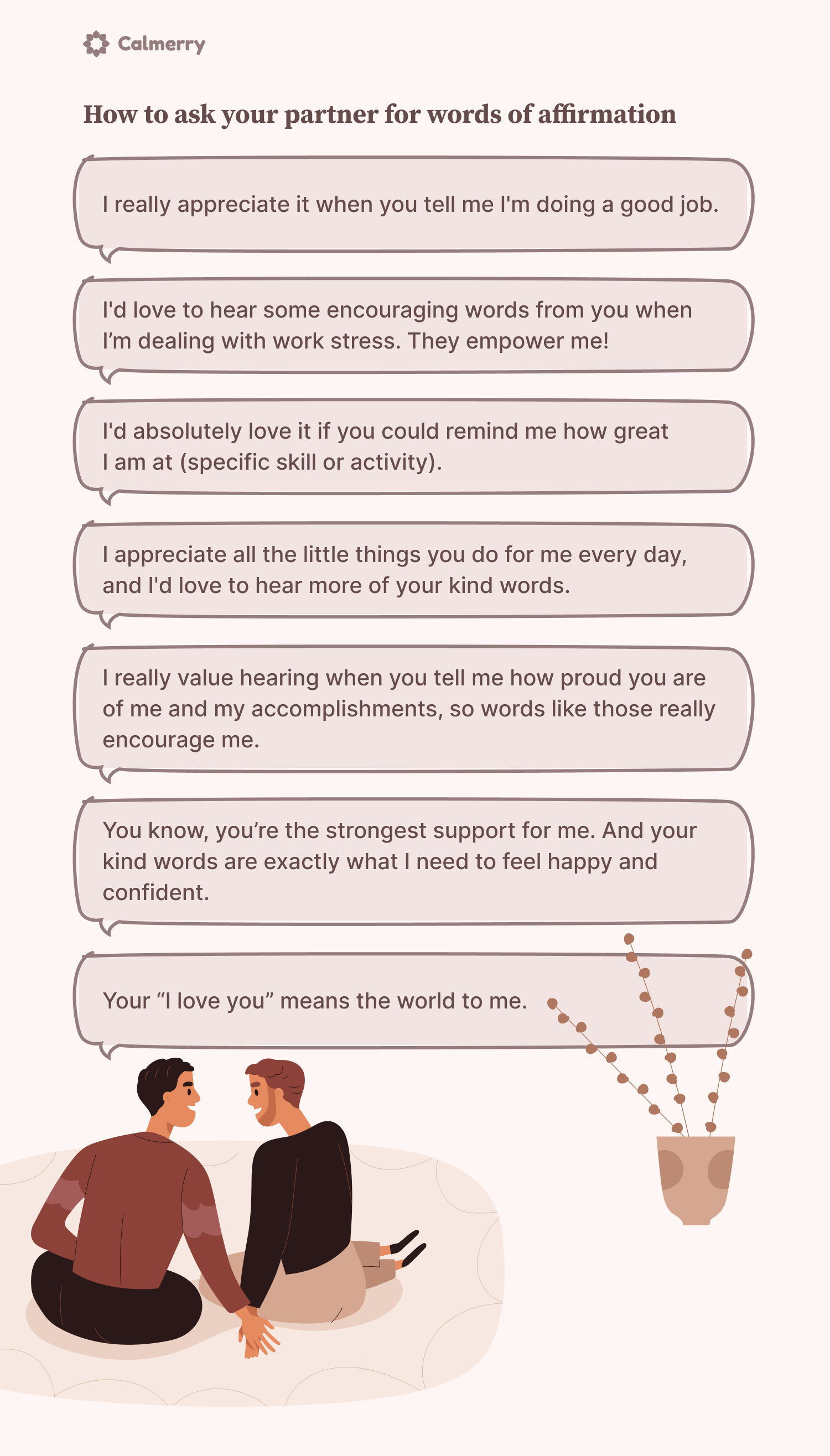
Affirmations aren’t just for individuals. They can also improve your relationships. When you believe good things about yourself, you bring more confidence and kindness to others.
Try using affirmations like, “I am a caring friend,” or “I listen with patience. ” You can even share affirmations with your partner, children, or team. This builds trust and positive energy.
One insight people often miss: the way you talk to yourself is linked to how you treat others. Positive self-talk makes it easier to show understanding and respect.
Cultural Views On Affirmation
Affirmations are found in many cultures. For example:
- Buddhism: Uses mantras (repeated phrases) for focus and peace.
- Christianity: Many prayers and verses are forms of affirmation.
- Modern Psychology: Uses self-affirmation for therapy and growth.
No matter your background, affirmation can fit your beliefs and values. The key is to choose words that matter to you.
Common Mistakes With Affirmations
Many beginners make simple mistakes when starting with affirmations. Here are some to avoid:
- Choosing unrealistic statements: Start with small, believable steps.
- Using only one affirmation for everything: Use different affirmations for different needs.
- Repeating without feeling: Connect emotionally with your words.
- Giving up too soon: It takes time to see results.
- Forgetting to update affirmations: As you grow, your affirmations should grow too.
The most powerful affirmations are honest, relevant, and change as you do.
Tracking Your Progress With Affirmations
How do you know if affirmations are working? Track your progress. Here’s how:
- Keep a journal: Write down your affirmations and any changes in your thoughts or actions.
- Notice your mood: Are you feeling more positive or calm?
- Ask for feedback: Friends or family may notice changes before you do.
- Set small goals: Link your affirmations to actions, like making a phone call or starting a new project.
Here’s a simple way to compare your progress:
| Before Using Affirmations | After Using Affirmations |
|---|---|
| Often doubting abilities | Feeling more confident |
| Procrastinating tasks | Taking action more quickly |
| Negative self-talk | More positive inner voice |
Tracking helps you stay motivated and notice small wins.
Using Affirmations For Special Situations
Affirmations can be tailored for different needs:
- Stressful Events: “I am calm and in control.”
- Health Challenges: “My body is healing each day.”
- Job Interviews: “I am prepared and confident.”
- Public Speaking: “I express myself clearly.”
- Relationship Issues: “I am patient and understanding.”
Creating specific affirmations for tough situations gives you extra support.
The Limits Of Affirmation
Affirmations are powerful, but they are not a replacement for action, learning, or professional help. If you face serious mental health issues, affirmations alone are not enough. They work best as part of a bigger self-care plan, including:
- Learning new skills
- Getting support from friends or professionals
- Taking practical steps toward your goals
Remember, affirmation is a tool—not the whole toolbox.
How To Keep Affirmations Fresh And Motivating
Repeating the same words can get boring. To keep affirmations fresh:
- Change your affirmations as your goals change.
- Use inspiring quotes or lines from books.
- Visualize the meaning as you say each word.
- Share affirmations with a friend or group.
Staying creative keeps your mind engaged and your motivation strong.
Where To Learn More About Affirmations
If you want to go deeper, many books, apps, and websites offer guidance on affirmation. For research and examples, check out Psychology Today for expert advice and articles.
Frequently Asked Questions
What Are The Best Affirmations To Start With?
Choose simple, positive statements that match your goals and feel believable. Examples: “I am enough,” “I am learning every day,” or “I am worthy of respect.” Start with one or two and use them daily.
How Long Does It Take For Affirmations To Work?
Results vary for each person. Some people feel better in a few days, while others need weeks or months. The key is to be consistent and patient. Notice small changes, like feeling more confident or less stressed.
Can Affirmations Replace Therapy Or Medication?
No. Affirmations are a helpful tool but not a replacement for professional help. If you struggle with mental health issues, use affirmations along with therapy, counseling, or medication as advised by a doctor.
Is It Normal To Feel Silly When Using Affirmations?
Yes, many people feel awkward at first. This is normal. With practice, affirmations become more natural and powerful. Focus on the meaning, not just the words.
Do I Have To Say My Affirmations Out Loud?
No. You can say them in your mind, write them down, or speak them softly. Find what feels comfortable for you. The most important thing is to repeat them with belief and feeling.
Affirmation is a simple yet powerful tool that can change your life—one thought at a time. By choosing your words carefully and using them with intention, you build a stronger, more confident, and more positive self. Whether you want to face challenges, reach your goals, or simply feel better about who you are, affirmation gives you the inner strength to keep moving forward.
