

Why Affirmations Are Important: Unlocking Positive Change
Why Affirmations Are Important
Have you ever caught yourself thinking, "I can't do this," or "I'm not good enough"? These thoughts can quietly shape how you feel and what you believe about yourself. But what if you could change your mindset, simply by changing your words? This is where affirmations come in. Affirmations are positive statements you repeat to yourself, aiming to shift your thoughts and beliefs. They might sound simple, but their effect can be powerful. Science and personal stories both show that affirmations can boost confidence, reduce stress, and help you reach your goals. In this article, we’ll explore why affirmations matter, how they work, and how you can use them in your daily life to create real change.
What Are Affirmations?
Affirmations are short, positive statements that you say to yourself. The goal is to change negative thoughts into positive ones. For example, instead of thinking "I always fail," you say "I learn and grow from every challenge." Affirmations focus on what you want to believe about yourself or your life.
People use affirmations for many reasons:
- To build self-confidence
- To reduce anxiety
- To motivate themselves
- To encourage healthy habits
Affirmations are not magic words. They work best when you repeat them regularly and truly believe in them. Even if you don’t feel the words at first, saying them over time can change how you think.
The Science Behind Affirmations
Many people wonder if affirmations really work or if they are just wishful thinking. Research shows that affirmations can change the brain’s activity and affect behavior.
How Affirmations Affect The Brain
The brain often believes what it hears, even if it’s not true. When you repeat a positive statement, your brain starts to accept it as reality. This is called self-affirmation theory. It explains that affirmations help you protect your self-image, especially when facing challenges.
MRI studies reveal that practicing affirmations activates the ventromedial prefrontal cortex, the part of the brain involved in self-reflection and valuation. This means affirmations can change the way you value yourself and your abilities.
Evidence From Research
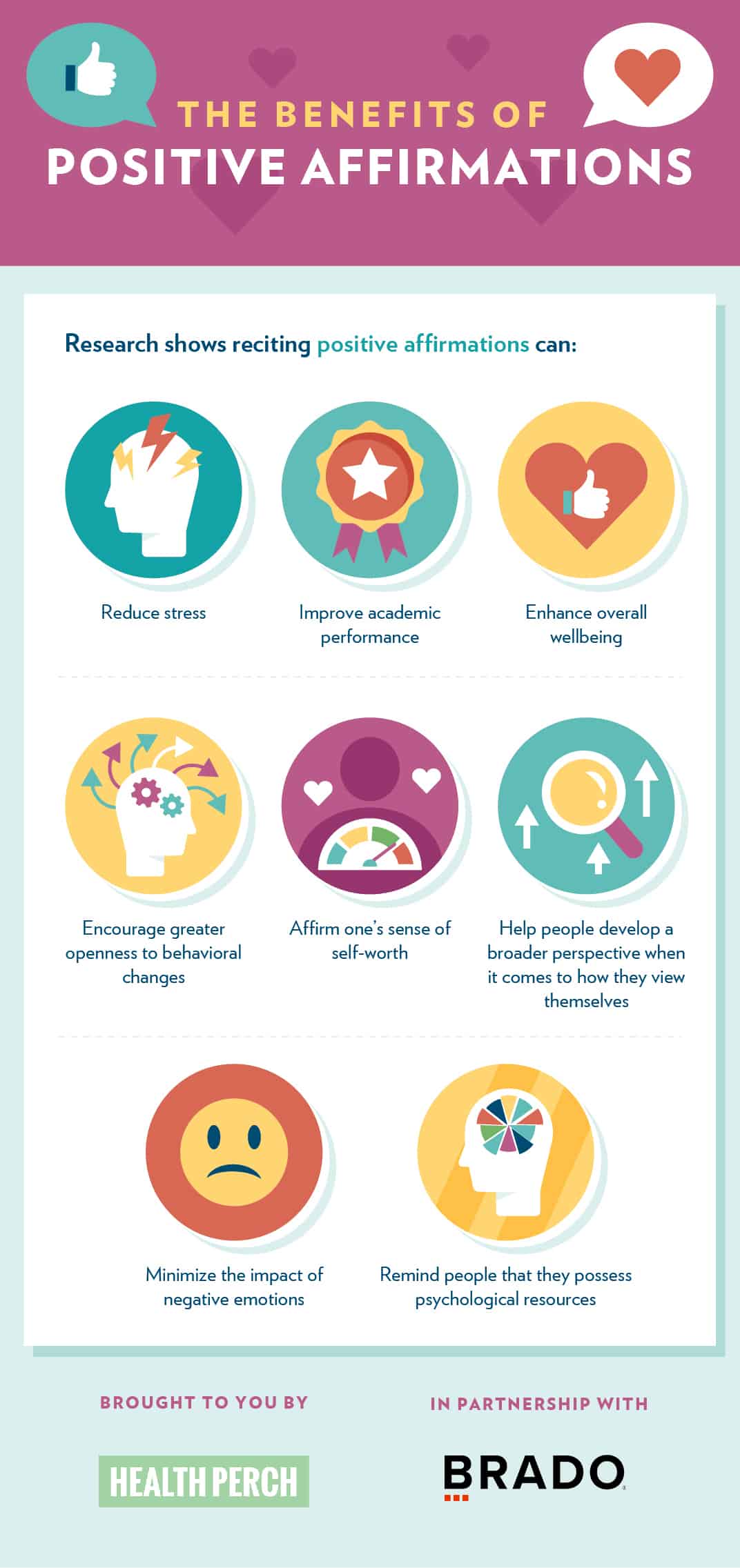
Studies show that using affirmations can:
- Lower stress levels
- Improve academic performance
- Increase resilience to criticism
One experiment asked students to write affirmations before a test. The students who did this performed better than those who didn’t. In another study, people who practiced affirmations had lower levels of cortisol (the stress hormone).
However, it’s important to note that affirmations are not a cure for deep emotional issues. They are a tool to help you grow and change your mindset.
Why Negative Self-talk Hurts
Negative self-talk is when you say bad things about yourself. Examples include "I’m not smart enough," or "I’ll never succeed. " These thoughts can feel small, but over time, they shape how you see yourself.
The Impact Of Negative Thoughts
Negative self-talk can:
- Lower self-esteem
- Increase anxiety and depression
- Limit your motivation
- Affect relationships
The brain remembers negative events and thoughts more easily than positive ones. This is called the negativity bias. It’s why one bad comment can feel stronger than ten compliments.
Breaking The Cycle
Affirmations help break the cycle of negative thinking. When you replace a bad thought with a positive one, you start to change how you feel. This doesn’t happen overnight, but with practice, you can turn your mindset around.
Benefits Of Affirmations
Affirmations offer many advantages, both for the mind and body. They are simple, free, and can fit into any routine.
1. Build Self-confidence
Repeating positive statements helps you believe in yourself. This is especially useful before presentations, exams, or interviews.
2. Reduce Stress
Affirmations can calm your mind. If you feel anxious, saying "I am calm and in control" can help lower stress.
3. Improve Motivation
Motivational affirmations like "I am determined to reach my goals" can boost your drive to take action.
4. Support Healthy Habits
People use affirmations to build habits, such as exercising or eating well. Saying "I choose healthy foods" can reinforce good choices.
5. Enhance Relationships
When you affirm your worth, you communicate better and set healthy boundaries. Statements like "I am worthy of respect" help in relationships.
6. Increase Resilience
Affirmations help you bounce back from setbacks. "I learn from my mistakes" turns failure into growth.
How To Create Effective Affirmations
Not all affirmations work equally well. To get results, you need to use the right statements.
Steps To Create Powerful Affirmations
- Focus on the present: Use words like "I am" or "I have" rather than "I will."
- Keep it positive: Avoid negative words, even in statements like "I am not afraid."
- Be specific: The clearer your affirmation, the better.
- Make it personal: Tailor affirmations to your own goals and needs.
- Keep it short: Simple statements are easier to remember and repeat.
Examples Of Good Affirmations
- "I am confident and capable."
- "I am grateful for the good in my life."
- "I accept myself as I am."
- "I am worthy of love and respect."
- "I trust myself to make the right decisions."
Comparing Affirmations With Other Self-help Tools
Affirmations are just one way to improve your mindset. Other tools include meditation, journaling, and therapy. Let’s see how they compare.
| Tool | Main Purpose | Ease of Use | Cost | Time Needed |
|---|---|---|---|---|
| Affirmations | Change thoughts | Very easy | Free | 1-5 min/day |
| Meditation | Calm mind | Easy to moderate | Free/paid | 10-30 min/day |
| Journaling | Process emotions | Easy | Low cost | 10-20 min/day |
| Therapy | Resolve deep issues | Moderate | High cost | 1 hr/week |
Affirmations stand out because they are quick, free, and can be done anywhere. They complement other methods, but can also be used on their own.

Credit: ripplekindness.org
Common Mistakes When Using Affirmations
Affirmations can fail if used incorrectly. Here are mistakes to avoid:
1. Saying Words You Don’t Believe
If you choose statements that feel impossible, your brain rejects them. Start with affirmations that feel believable and build up.
2. Being Too Vague
Avoid statements like "I am happy." Be specific: "I am grateful for my supportive friends."
3. Not Repeating Enough
Affirmations work through repetition. Say them daily, not just once.
4. Ignoring Negative Feelings
Affirmations don’t mean you ignore problems. Use them alongside real actions and self-care.
5. Forgetting To Personalize
Generic statements don’t connect as deeply. Make your affirmations fit your life.
How To Practice Affirmations Daily
Building a routine makes affirmations more effective. Here’s how to fit them into your day:
Morning Routine
Start your day with affirmations. Say them while getting ready, eating breakfast, or commuting.
During Stressful Moments
If you feel anxious or upset, use affirmations to calm yourself. Take a deep breath and repeat your chosen statement.
Before Sleep
End your day with positive thoughts. This helps your mind relax and prepares you for tomorrow.
Writing Affirmations
Write your affirmations in a notebook or on sticky notes. Place them where you’ll see them: on your mirror, desk, or phone.
Using Technology
Apps and reminders can prompt you to repeat affirmations. Some apps even let you record your voice, making them feel more personal.
Real-life Examples Of Affirmations In Action
Affirmations aren’t just theory—they help real people in daily life. Here are a few examples:
Example 1: Overcoming Fear Of Public Speaking
Maria used to panic before giving presentations. She started saying, "I am prepared and confident. " Over time, her anxiety dropped, and she spoke more smoothly.
Example 2: Building Self-esteem
Ravi struggled with low confidence after losing his job. He repeated, "I am valuable, and new opportunities are coming. " This helped him stay positive and find work faster.
Example 3: Improving Relationships
Lisa felt unworthy in her friendships. She began affirming, "I am worthy of love and respect. " This shifted how she behaved and made her relationships healthier.
Example 4: Supporting Health Goals
James wanted to exercise more but lacked motivation. He started saying, "I am strong and enjoy being active. " The affirmation pushed him to try new activities and feel better.
When Affirmations Don’t Work
Affirmations are helpful, but not for everyone or every situation. Some reasons they may fail include:
- Deep-rooted trauma or negative beliefs
- Lack of repetition
- Choosing affirmations that feel fake
- No real action to support the words
If affirmations don’t help, consider combining them with other methods like therapy or journaling. Sometimes, professional help is needed for deeper issues.
Credit: www.northwestpharmacy.com
Data: Impact Of Affirmations In Different Settings
Affirmations are used in many places, from schools to workplaces. Let’s look at some data:
| Setting | Outcome | Statistic |
|---|---|---|
| Schools | Improved test scores | Up to 15% increase |
| Workplaces | Reduced stress | Lowered cortisol by 10% |
| Healthcare | Better patient recovery | Faster healing in 12% of cases |
| Sports | Boosted performance | Improved focus in 18% of athletes |
These numbers show that affirmations can make a measurable difference in many areas. However, results vary for each person.
Affirmations For Specific Groups
Different people benefit from affirmations in unique ways. Here’s how:
For Students
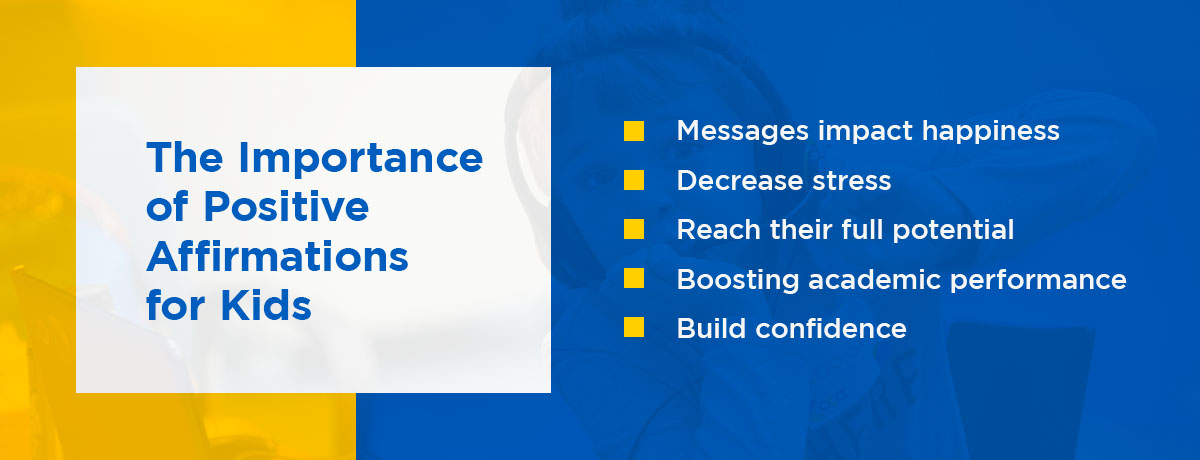
Affirmations can help students build confidence and face exams without fear. Examples include "I am smart and prepared for my test. "
For Professionals
Work stress can be high. Affirmations like "I am skilled and capable" support a positive work attitude.
For Parents
Parenting is challenging. Affirmations such as "I am patient and loving" help parents handle tough moments.
For Athletes
Mental strength is key in sports. "I am focused and ready to win" boosts motivation.
For Older Adults
Aging can bring worries. Affirmations like "I am healthy and full of life" support well-being.
How To Measure The Impact Of Affirmations
It’s important to track your progress. Here’s how you can measure the impact:
Journaling
Keep a daily log of your mood, actions, and thoughts. Notice if your attitude changes over time.
Self-assessment
Ask yourself:
- Do I feel more confident?
- Am I less stressed?
- Do I handle challenges better?
Feedback From Others
Sometimes, friends or family notice changes before you do. Listen to their feedback.
Tracking Habits
If you use affirmations for specific goals (like exercising), track your progress. Are you meeting your targets more often?
Practical Tips For Success With Affirmations
Here are some tips to make affirmations work better:
1. Use Present Tense
Say “I am strong” instead of “I will be strong. ” This helps your brain believe the statement now.
2. Combine With Visualization
Picture yourself acting out your affirmation. If you say, “I am confident,” imagine yourself speaking confidently.
3. Speak Out Loud
Hearing your voice makes affirmations stronger. Say them clearly and with feeling.
4. Make It A Habit
Repeat affirmations at the same time each day. Consistency builds results.
5. Adjust As Needed
If your life changes, update your affirmations to match your new goals.
Comparing Affirmations: Short Vs. Long-term Effects
Affirmations can have both quick and lasting effects. Here’s a simple comparison:
| Effect | Short-Term | Long-Term |
|---|---|---|
| Stress Relief | Immediate calm | Lower baseline stress |
| Confidence | Boost before events | Stronger self-esteem |
| Motivation | Quick push | Lasting drive |
| Habit Formation | Easy start | Stable routines |
Short-term effects are often felt right away. Long-term effects build as you repeat affirmations over weeks or months.
Non-obvious Insights About Affirmations
Many people miss these important points:
- Affirmations work best when paired with action. If you want to be healthy, saying “I am healthy” helps, but eating well and exercising make the affirmation real.
- Affirmations can uncover hidden beliefs. Sometimes, repeating a statement brings up doubts. This shows where you need to focus and grow.
External Support And Resources
If you want to learn more about affirmations, psychology research is a good place to start. For example, Psychology Today offers helpful articles on self-talk and affirmations.
Frequently Asked Questions
What Are The Best Affirmations For Beginners?
Start with simple and believable statements. Examples:
- "I am enough."
- "I am worthy of happiness."
- "I trust myself."
Choose what feels right for you.
How Often Should I Repeat Affirmations?
For best results, repeat affirmations daily. Aim for 5-10 times per session, at least twice a day. Consistency matters more than quantity.
Can Affirmations Help With Anxiety?
Yes, affirmations can calm anxiety by replacing negative thoughts. For example, saying "I am calm and safe" during anxious moments can reduce stress. However, severe anxiety may need professional support.
What If I Don’t Believe My Affirmation?
It’s normal to doubt at first. Start with statements you can accept. Over time, as you repeat and see small changes, belief grows. Adjust your affirmations if needed.
Are Affirmations A Substitute For Therapy?
No, affirmations are a self-help tool, not a replacement for therapy. If you face deep emotional issues, combine affirmations with professional help for best results.
Affirmations are a simple but powerful way to shift your mindset, build confidence, and improve your life. They work best when practiced regularly, paired with real action, and tailored to your needs. Whether you want to overcome fear, build habits, or boost your mood, affirmations offer a free and effective tool.
The most important step is to start—and to keep going. With patience and practice, you can shape your thoughts and create a brighter future.
Credit: ccaeducate.me
