

Which Time is Best for Affirmations to Maximize Results?
Which Time Is Best For Affirmations
Many people hear about affirmations but wonder, “When should I actually say them? ” You might picture someone standing in front of a mirror in the morning, repeating positive words. But does the time of day really matter? The answer is more interesting than you may think.
Choosing the right time for affirmations can increase their power and help you build new habits. Let’s explore the best moments for affirmations, the science behind timing, and how you can find what works for you.
Understanding Affirmations And How Timing Plays A Role
Affirmations are short, positive statements you say to yourself. Their purpose is to shift your thoughts, boost your confidence, and help you reach your goals. People use them for many reasons: to reduce stress, become more focused, or build self-belief. But repeating affirmations at random times may not deliver the full effect.
There is a simple reason for this: your mindset and your brain activity change throughout the day. Sometimes your mind is busy and distracted; other times, it is calm and open. The right timing can make affirmations stick better and feel more natural.
Some experts say that affirmations work best when your mind is relaxed. Others believe you should say them when you need motivation. The truth is, the best time can depend on your personal routine, your goals, and how you feel during the day.
The Science Behind Affirmation Timing
Research in psychology and neuroscience shows that timing does affect how your brain absorbs information. Let’s look at why.
Brain Wave States And Openness To Suggestions
Your brain has different types of brain waves. In the early morning and late evening, your brain is in a relaxed state called alpha or theta. In these states, your mind is more open and less critical, so positive suggestions can go deeper.
Here’s a quick comparison:
| Brain Wave | State | Best For |
|---|---|---|
| Beta | Alert, focused | Solving problems, working |
| Alpha | Relaxed, calm | Learning, positive suggestions |
| Theta | Very relaxed, semi-asleep | Deep meditation, creativity |
When you first wake up or before sleep, your mind is naturally in alpha or theta. That’s why many people find affirmations most powerful during these times.
Habit Formation And Consistency
Another reason timing matters is habit formation. Studies show that habits stick better when attached to an existing routine. For example, saying affirmations right after brushing your teeth every morning can help turn them into a daily practice.
Emotional State And Receptivity
Your emotional state also plays a role. If you say affirmations when you’re stressed or upset, your mind might reject them. But if you choose a calm or positive moment, you’re more likely to believe what you say.
Best Times For Affirmations: In-depth Guide
Now let’s explore the most effective times to say affirmations. Each has its own benefits and challenges.
1. Early Morning
Why it works: Your mind is fresh, and you have not yet faced daily stress. The early morning is one of the best times to set a positive tone for your day.
How to do it: After you wake up, before checking your phone or starting your day, spend a few minutes saying your affirmations out loud or in your mind.
Example: “Today, I choose to be confident and focused.”
Extra tip: Combine affirmations with deep breathing to enhance relaxation.
2. Before Sleep
Why it works: Right before sleep, your subconscious mind is more open. Repeating affirmations at night can help your brain process them while you rest.
How to do it: As you lie in bed, repeat your affirmations slowly. Visualize them as true.
Example: “I am grateful for today and ready for peaceful sleep.”
Non-obvious insight: If you struggle with negative thoughts at night, affirmations can gently replace them with positive ones.
3. During Meditation
Why it works: Meditation calms the mind and body. Combining affirmations with meditation can deepen their effect.
How to do it: After a few minutes of quiet breathing, slowly repeat your affirmation. Let each word sink in.
Example: “I am strong, calm, and capable.”
Practical tip: You can use a meditation app that includes affirmation tracks.
4. While Looking In The Mirror
Why it works: Seeing yourself as you speak makes the experience more real. Mirror work can build self-acceptance and confidence.
How to do it: Stand in front of the mirror, look into your eyes, and say your affirmation with conviction.
Example: “I accept myself as I am.”
Common mistake: Rushing or avoiding eye contact. Take your time and really connect.
5. During Physical Activity
Why it works: Movement boosts endorphins and energy. Saying affirmations while walking, running, or stretching can link positive thoughts with physical strength.
How to do it: Repeat affirmations in your mind as you exercise.
Example: “With every step, I am getting healthier.”
Non-obvious insight: Pairing affirmations with movement can help anchor them in your memory.
6. When Facing Challenges
Why it works: Using affirmations in tough moments can shift your mindset and calm nerves.
How to do it: Before a test, presentation, or difficult conversation, pause and repeat an affirmation.
Example: “I can handle this with grace.”
Caution: Affirmations are not magic. They work best alongside real preparation.
7. During Routine Activities
Why it works: Linking affirmations to daily habits (like showering, commuting, or making coffee) makes them easy to remember.
How to do it: Choose a regular activity and use that time for affirmations each day.
Example: “I am ready for success today” while making breakfast.
Morning Vs. Night Affirmations: Which Is Better?
Many people ask if morning or night is best. The answer depends on your goals and lifestyle.
| Time | Benefits | Best For |
|---|---|---|
| Morning | Boosts motivation, sets a positive tone, builds energy | Starting the day with focus and confidence |
| Night | Calms the mind, helps with sleep, reinforces positive thoughts | Ending the day with gratitude and peace |
If you want to kick-start your day, choose morning. If you want better sleep or less stress, try evening. Some people do both for extra support.
How To Choose Your Perfect Time For Affirmations
Every person is different. The best time for affirmations is the one you can stick to and that feels meaningful for you. Here are steps to help you decide:
- Notice your daily routine. When are you most relaxed or undistracted?
- Test different times. Try affirmations in the morning for a week, then at night for a week.
- Check your feelings. Which time helps you feel more positive or focused?
- Adjust as needed. If you skip a session, don’t feel bad. Change your approach until you find your rhythm.
Non-obvious insight: Consistency is more important than time. Even if you only have two minutes, daily practice builds results.
How Many Times A Day Should You Repeat Affirmations?
There’s no magic number, but research suggests that repetition helps the brain form new patterns. Most people repeat affirmations 3 to 5 times per session, once or twice a day. Some do more if they need extra encouragement.
Practical example: Say your affirmation three times in the morning and three times before bed.
Caution: Quality matters more than quantity. Focus on meaning rather than repeating without feeling.
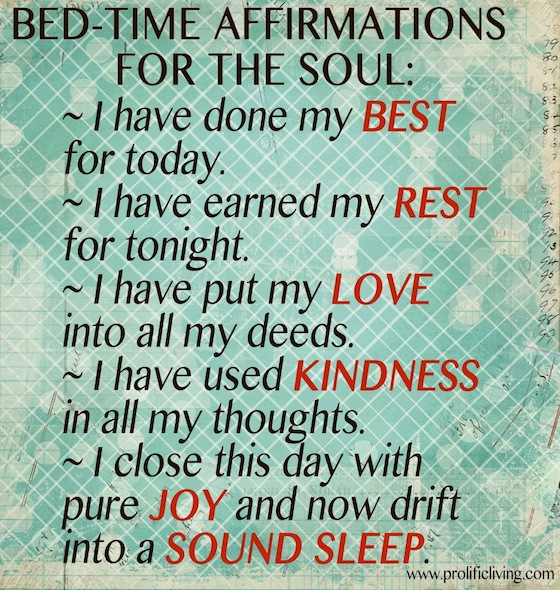
Credit: www.prolificliving.com
Common Mistakes When Timing Affirmations
Even with the best intentions, some people struggle to make affirmations work. Here are common timing mistakes and how to fix them:
- Saying affirmations when distracted. If your mind is busy, the words may not sink in. Choose a calm moment.
- Forcing affirmations in a negative mood. If you feel upset, try deep breathing first, then use affirmations.
- Being inconsistent. Skipping days makes it harder to see results. Attach affirmations to a daily habit.
- Repeating affirmations at random times. Structure builds habit. Pick a time and stick to it.
The Role Of Environment In Affirmation Timing
The setting where you say affirmations matters almost as much as the time. A quiet, private space helps you focus and believe your words. Some people use calming music or nature sounds. Others prefer silence.
Tips for choosing your environment:
- Find a place with few distractions.
- Create a small ritual, like lighting a candle or closing your eyes.
- If you live with others, let them know you need a few minutes.

Credit: andreabolder.com
Advanced Strategies: Stacking Affirmations With Other Habits
To make affirmations even stronger, combine them with other positive habits. This method is called habit stacking.
Examples:
- Say affirmations right after brushing your teeth.
- Repeat them while drinking your morning coffee.
- Use a sticky note on your mirror as a reminder.
By connecting affirmations with habits you already have, you increase your chances of success.
Using Technology To Support Affirmation Timing
Modern tools can make it easier to remember and stick with your affirmation routine.
Apps And Reminders
Many apps let you set reminders to say your affirmations. Some even provide sample affirmations or record your voice.
Popular options:
- Affirmation reminder apps
- Calendar alerts on your phone
- Voice memos
Audio Affirmations
You can record your affirmations and play them back during your best times—on your commute, before sleep, or while exercising.
Digital Communities
Joining an online group or forum can help you stay motivated. Sharing your progress or reading others’ experiences can keep you accountable.
Should You Change The Time For Different Goals?
Some people use different affirmations for specific goals. For example, confidence at work, calm at home, or focus during study. In these cases, timing can be adjusted:
- Use work-related affirmations before leaving for the office.
- Say relaxation affirmations before sleep.
- Repeat study affirmations before starting homework.
Matching the affirmation to the situation makes it more powerful.
Examples Of Powerful Affirmations For Different Times
Here are sample affirmations for various times of day and situations:
Morning
- “I am ready for a successful day.”
- “I am full of energy and purpose.”
- “Today, I choose to be positive.”
Night
- “I am grateful for today’s experiences.”
- “I let go of worries and welcome restful sleep.”
- “My mind and body are calm.”
Stressful Moments
- “I am strong and can handle challenges.”
- “I breathe in calm and breathe out stress.”
- “I trust myself to make good choices.”
During Exercise
- “My body is powerful and healthy.”
- “I get stronger with every movement.”
- “I enjoy taking care of myself.”
Tip: Write your own affirmations in the present tense, and keep them positive and simple.

Credit: thejoywithin.org
Measuring The Impact: How Do You Know If Timing Works?
It’s common to wonder if affirmations are making a difference. Here’s how you can check their impact:
- Mood tracking: Notice if you feel more positive or focused after affirmations.
- Journaling: Write down your thoughts before and after affirmation sessions.
- Feedback from others: Sometimes friends or family notice changes before you do.
- Goal progress: If you’re using affirmations for a specific goal (like confidence or productivity), see if you’re moving closer to that goal.
Try changing your affirmation time for a week and track any differences. This experiment can help you discover your most effective moment.
Real-life Stories: How Timing Changed Affirmation Results
Many people have found that changing the time of their affirmations led to better results.
Example 1: Maria used to say affirmations at random times but felt little change. She switched to repeating them each morning before breakfast. Within two weeks, she noticed more confidence at work.
Example 2: Daniel struggled with anxiety at night. He started using calming affirmations before sleep. He reported better rest and fewer negative thoughts.
Example 3: A group of students paired study affirmations with their homework routine. They found it easier to concentrate and felt less stressed about exams.
Non-obvious insight: Sometimes, the smallest change—like moving affirmations to a quiet five-minute window—can unlock real results.
When Affirmations Might Not Be Enough
Affirmations are a helpful tool, but they are not a cure-all. If you are facing serious emotional challenges, such as depression or trauma, you might need extra support. Speaking to a mental health professional is important. Affirmations work best as part of a bigger self-care plan.
For more on the science behind positive self-talk, you can explore trusted resources like Psychology Today.
Combining Affirmations With Visualization
Adding visualization to your affirmation routine can boost results. As you say your affirmation, close your eyes and picture it happening. Imagine the feelings, sights, and sounds. This helps your brain accept the new belief as possible.
Example: While saying, “I am confident at work,” imagine yourself speaking clearly in a meeting.
Extra tip: Visualization works best in the morning or before sleep, when your mind is relaxed.
Can You Say Affirmations Too Often?
Repeating affirmations many times a day is usually safe. However, if you find yourself repeating without feeling or thinking about the meaning, the effect may weaken. The goal is quality, not quantity. Listen to your mind and body. If you feel overwhelmed, take a break.
Cultural And Spiritual Views On Affirmation Timing
Different cultures and spiritual traditions have their own views about the best time for positive words. Some believe dawn is sacred, while others focus on sunset or prayer times. For example, in yoga, the early morning is seen as a powerful time for setting intentions.
If you have a spiritual practice, you can align your affirmations with those special moments. This can add meaning and help you stay consistent.
Should You Speak, Write, Or Think Affirmations?
The way you use affirmations can change their effect:
- Speaking out loud is powerful for confidence and self-belief.
- Writing affirmations helps with focus and memory.
- Thinking or whispering works if you need privacy.
Some people combine all three. For example, say affirmations out loud in the morning, write them at lunch, and think them quietly before sleep.
How To Overcome Resistance Or Doubt
It’s normal to feel awkward or doubtful when starting affirmations, especially if you choose a new time. Here’s how to overcome resistance:
- Start small: Use simple affirmations for just one minute.
- Choose a time when you feel safe and relaxed.
- Notice any negative thoughts, but don’t judge them. Gently return to your affirmation.
- Celebrate small wins—notice even small shifts in mood or confidence.
Over time, affirmations will feel more natural.
Affirmations For Kids And Teens: Best Timing
For younger people, timing is important too. Morning affirmations can boost confidence before school. Night affirmations help with relaxation and sleep.
Tip for parents: Make affirmations fun and simple. Try repeating them together during breakfast or bedtime routines.
Using Affirmations During Life Changes
If you are going through a big change—moving, starting a new job, facing loss—affirmations can support you. Pick times when you need extra encouragement, like before important meetings or when feeling overwhelmed.
Example: “I am strong enough for new challenges.”
Sample Affirmation Schedules
Here are two sample routines for different lifestyles:
Busy Professional
- Morning (after shower): 2 minutes of affirmations for confidence
- Before meetings: Quick silent affirmation for focus
- Night (before sleep): Gratitude affirmation
Student
- Morning (before class): Affirmation for learning
- Before study session: Focus affirmation
- Night: Relaxation affirmation
You can adjust these schedules to fit your needs.
Tracking Progress: Simple Methods
To see the benefits of your chosen time, try these tracking methods:
- Use a notebook to note how you feel before and after affirmations.
- Mark a calendar for each day you practice.
- Use an app that tracks habits or moods.
After a few weeks, look back and notice any patterns.
Frequently Asked Questions
What If I Miss My Affirmation Time?
Missing a session is normal. Don’t be hard on yourself. Simply return to your practice at the next opportunity. Consistency over time matters more than perfection.
Can I Say Affirmations At Different Times Each Day?
Yes, you can. Some people prefer flexible timing, especially if their schedule changes. However, regular routines can make affirmations easier to remember and more effective for habit-building.
Do Affirmations Have To Be Said Out Loud?
No. Speaking out loud is powerful, but you can also whisper, think, or write your affirmations. Choose the method that feels most comfortable for you.
How Long Does It Take To See Results From Affirmations?
Results vary. Some people feel better within days, while others need weeks. The key is regular, meaningful practice. Notice small changes, like improved mood or confidence.
Is There Scientific Proof That Timing Affects Affirmations?
Research shows that the brain is more open to new ideas during relaxed states, like early morning or before sleep. While affirmations are not magic, timing can help your mind accept positive suggestions more easily.
Final Thoughts
The best time for affirmations is unique to you. Whether you choose morning, night, or a special moment, what matters is regular, focused practice. Use times when your mind is calm and your heart is open. Adjust as you learn what feels right.
Over time, the right timing can turn simple words into powerful tools for change. Stay patient, experiment, and watch how your life shifts—one positive statement at a time.
