

Where Can I Find Daily Affirmations: Top Sources Revealed
Where Can I Find Daily Affirmations
Life can be overwhelming. Stress, self-doubt, and negative thoughts often fill our minds, making it hard to stay positive. One simple tool many people use to build confidence and resilience is daily affirmations. But where can you actually find good affirmations that fit your needs? Whether you’re new to affirmations or looking to expand your collection, knowing where to look can make a big difference in your daily routine.
This article explores the many places you can find daily affirmations, both online and offline. You’ll get clear advice on finding quality affirmations, discover hidden sources, and learn how to pick the right ones for yourself. By the end, you’ll have everything you need to start or improve your affirmation practice.
What Are Daily Affirmations?
Before searching for affirmations, it’s important to understand what they are. Daily affirmations are short, positive statements you repeat to yourself. Their purpose is to change negative thoughts, boost self-esteem, or motivate you toward a goal. For example, saying “I am strong and capable” each morning can help you start the day with more confidence.
Many psychologists and coaches recommend affirmations because they can change the way you think. Studies show that repeating positive statements can help reduce stress, improve performance, and increase happiness. However, the key is to find affirmations that feel true and meaningful to you.
Why Use Daily Affirmations?
People use affirmations for many reasons:
- Reduce anxiety: Affirmations can help calm the mind during stressful moments.
- Build self-confidence: Regular positive statements help you believe in yourself.
- Reach goals: Affirmations can keep you focused and motivated.
- Change negative thinking: They help replace doubt with hope.
- Improve mood: Positive words can lift your spirits.
But to get these benefits, you need affirmations you actually connect with. That’s why knowing where to find the right ones is so important.
Online Sources For Daily Affirmations
The internet is full of daily affirmations, but not all are created equal. Here are the best places to find quality content online.
1. Dedicated Affirmation Websites
Many websites focus only on affirmations. Some let you search by topic, like confidence, love, or success. Others update new affirmations every day.
Popular features include:
- Search functions by theme (health, money, relationships)
- Daily email or app notifications
- Tips for using affirmations effectively
A good example is Louise Hay’s official site, which offers hundreds of carefully crafted affirmations. These sites are usually reliable and updated often.
2. Mobile Apps
Affirmation apps make it easy to get new statements every day. Most apps allow you to set reminders and even record your own voice reading affirmations.
Common benefits:
- Notifications at your chosen time
- Collections by different topics
- Ability to favorite or save affirmations
Popular apps include ThinkUp, I Am, and Shine. Many are free with optional paid upgrades for more features.
3. Social Media Platforms
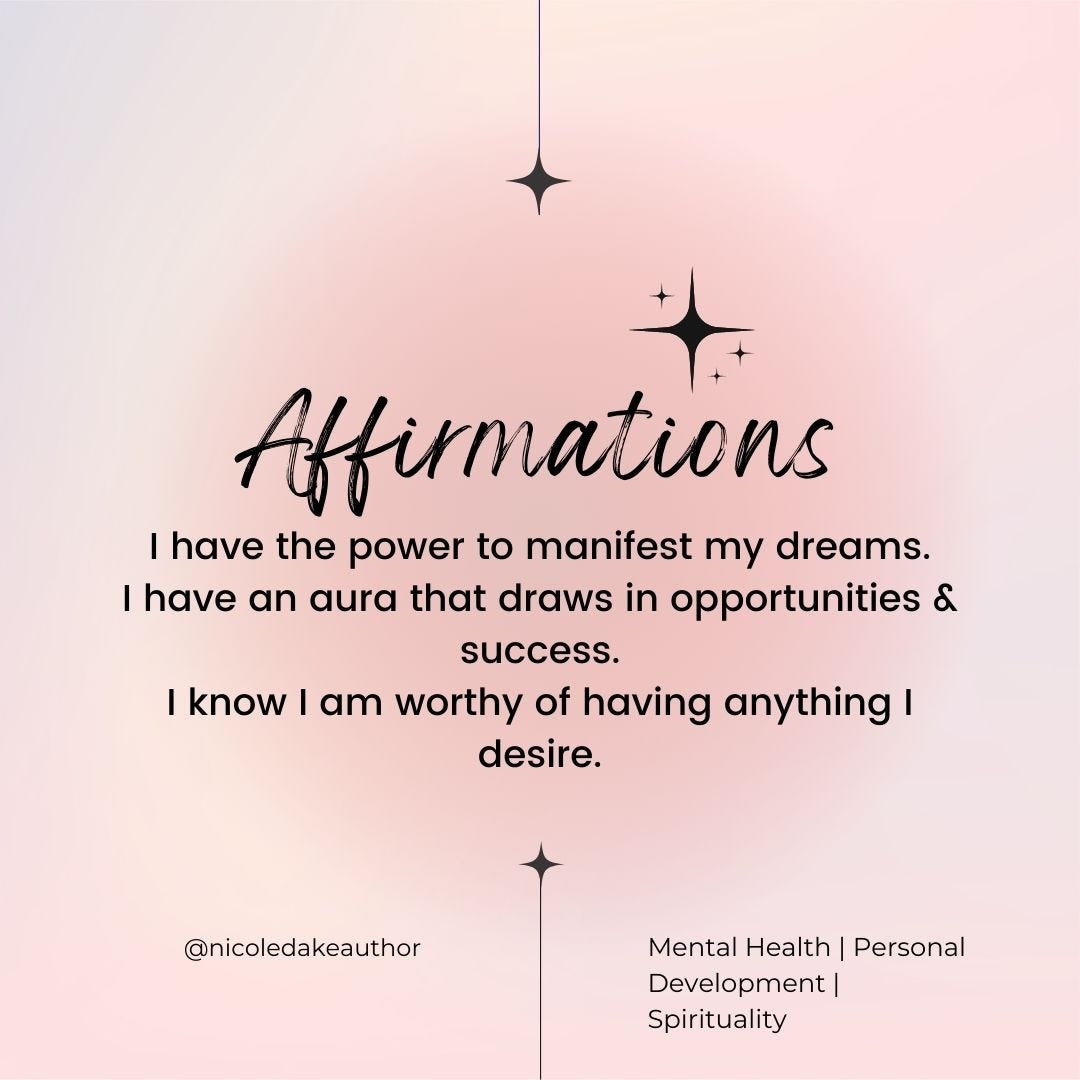
Sites like Instagram, Pinterest, and TikTok have a huge amount of affirmation content. Influencers and mental health advocates share new affirmations daily. Search for hashtags like #dailyaffirmations or #positivethinking.
Benefits:
- Fresh content daily
- Visual designs that make affirmations more appealing
- Community support in comments
But be aware—some content may be too generic. Look for creators with experience in mental health or coaching.
4. Youtube Channels
Many YouTube channels post daily affirmation videos. You can listen to affirmations while you get ready, drive, or relax.
Types of content:
- Spoken affirmations with calming music
- Visual slideshows of positive statements
- Themed affirmations (e.g., for anxiety, abundance, or self-love)
Listening to affirmations can be more powerful than reading, as hearing positive words can affect your subconscious more deeply.
5. Email Newsletters
Some sites and coaches offer free or paid newsletters that send affirmations directly to your inbox each morning. This is a good way to stay consistent, since you don’t have to remember to search for new affirmations.
Examples include:
- Self-help coaches’ weekly emails
- Wellness websites with daily tips
Choose newsletters with a personal touch, not just automated lists.
6. Podcasts
Many motivational podcasts include daily or weekly affirmations. You can listen during your commute, workout, or break.
Benefits:
- Audio format for hands-free listening
- Often include stories or tips on using affirmations
- Wide variety of topics
Find podcasts hosted by certified coaches or therapists for higher quality content.
7. Online Forums And Communities
Platforms like Reddit or Facebook Groups have communities sharing affirmations every day. You can request custom affirmations and get feedback from others.
Advantages:
- Real people share what works for them
- Group support and accountability
- Customizable requests
Be careful to choose supportive and active communities for the best experience.
8. Digital Affirmation Cards
Some sites offer virtual affirmation cards you can shuffle and pick at random. These are great if you want a fun, interactive way to get your daily statement.
Most digital card decks are free, though some charge for special themes or designs.
9. Blogs And Personal Websites
Many therapists, coaches, and writers post unique affirmations on their blogs. Some share personal stories about how affirmations changed their lives.
Why these are helpful:
- Often more personal and relatable
- May include tips on how to use each affirmation
- Good for discovering less common or more specific affirmations
Look for blogs with real-life examples and honest storytelling.
Offline Sources For Daily Affirmations
While the internet is convenient, there are also valuable offline sources for daily affirmations. These can be especially helpful if you want to reduce screen time or prefer physical reminders.
1. Books
There are many books full of affirmations for different needs. Some popular books organize affirmations by days, others by topics.
Why Use Books?
- No need for internet access
- Can highlight or bookmark your favorites
- Often written by experts with years of experience
Some classic books are by authors like Louise Hay and Cheryl Richardson. Bookstores and libraries usually have a good selection.
2. Printed Affirmation Cards
Physical affirmation cards are small cards with a positive statement on each. You can keep a deck on your desk or by your bed and pick a new card each day.
Benefits:
- Tangible reminders (you can see and touch them)
- Easy to share with friends or family
- Many beautiful designs to choose from
You can buy decks at bookstores, gift shops, or online. Some people even make their own cards for a personal touch.
3. Therapy And Counseling Sessions
Many therapists and life coaches use affirmations as part of their work. They might share custom affirmations based on your needs and goals.
Why this works:
- Affirmations are tailored to you
- Professional guidance ensures they are realistic and helpful
- Helps combine affirmations with other self-care tools
Ask your therapist if they can help you create or suggest daily affirmations.
4. Workshops And Support Groups
Personal development workshops often include affirmation exercises. Support groups for anxiety, addiction, or self-esteem also share affirmations as part of their meetings.
Advantages:
- Group environment boosts motivation
- You can learn how others use affirmations
- Opportunity to practice aloud
Check local community centers, churches, or wellness studios for events.
5. Spiritual Or Religious Organizations
Many spiritual traditions use affirmations, mantras, or prayers to inspire positive thinking. Churches, temples, or meditation centers often share daily affirmations or readings.
Why this can help:
- Affirmations are grounded in tradition
- Regular gatherings provide routine
- Supportive community
If you belong to a spiritual group, ask about daily or weekly affirmations.
6. Journals And Planners
Some journals and planners include a daily affirmation on each page. This is a great option if you already keep a diary or planner.
Benefits:
- Builds affirmations into your regular routine
- Private and personal
- Encourages reflection and writing
Look for guided journals focused on self-growth or mindfulness.
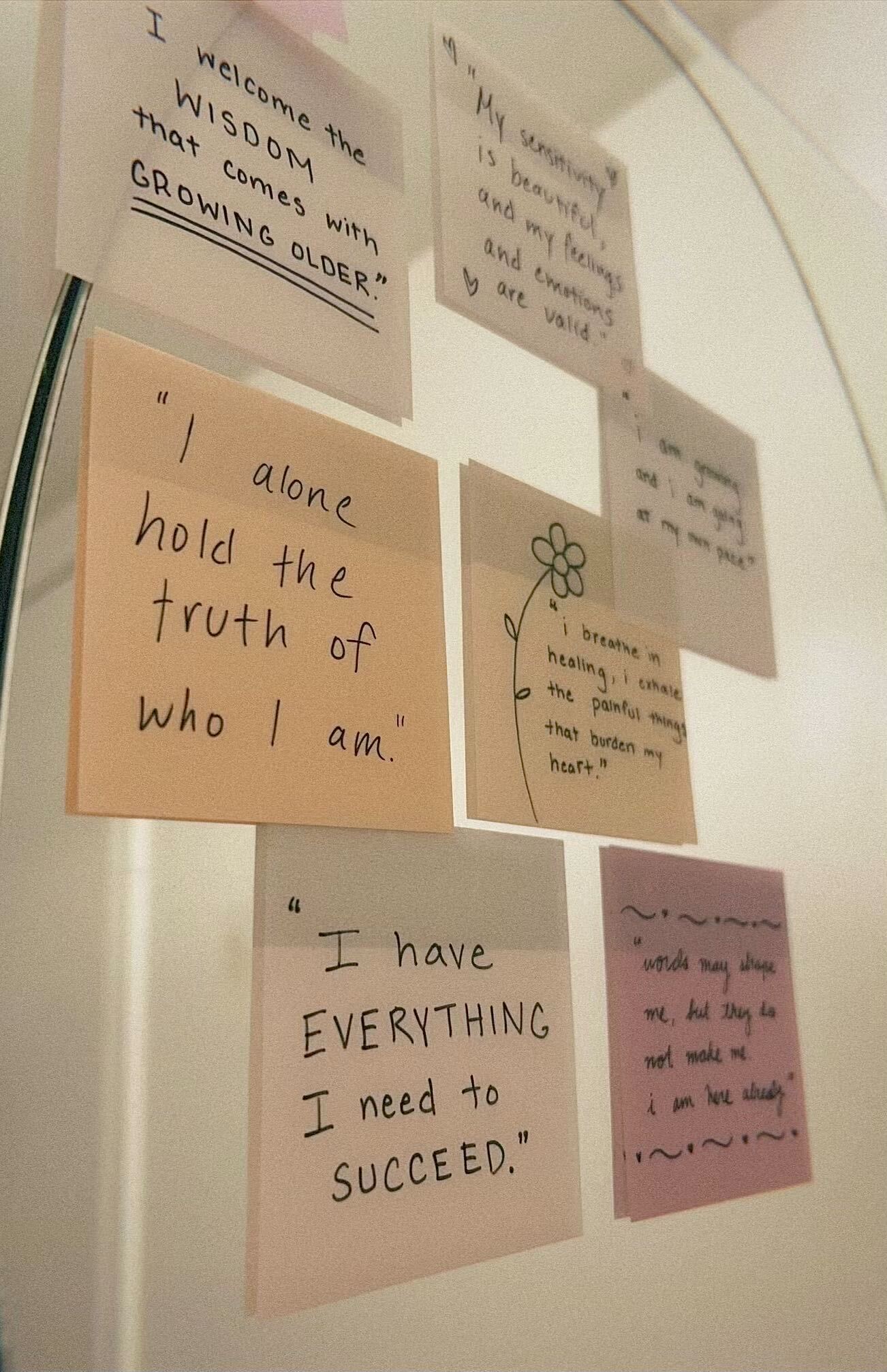
7. Art And Decor
You can find affirmations printed on posters, mugs, wall art, or even clothing. Keeping these visible in your home or workspace gives you gentle reminders throughout the day.
Why it works:
- Visual cues support habit-building
- Expresses your values and intentions
- Inspires visitors as well
Choose designs you love to make the practice more enjoyable.
8. Friends And Family
Sometimes, the most powerful affirmations come from people who know you well. Ask friends or family members to share encouraging words you can use as daily affirmations.
Why this is valuable:
- More meaningful because they reflect how others see you
- Builds trust and connection
- You can trade affirmations and support each other
A short note or message from a loved one can become your affirmation for the day.
9. Nature And Mindful Observation
If you spend time in nature or practice mindfulness, you can create your own affirmations inspired by what you see or feel. For example, noticing a strong tree might inspire “I am grounded and resilient. ”
Benefits:
- Deeply personal and unique
- Connects affirmations to real experiences
- Encourages gratitude and presence
Jot down your observations and turn them into positive statements.
Credit: www.thegoodtrade.com
Creating Your Own Daily Affirmations
Finding affirmations is great, but sometimes you need words that fit your exact situation. Creating your own affirmations can be even more powerful.
How To Write Your Own Affirmations
- Use the present tense: Say “I am” or “I have,” not “I will be.”
- Make them positive: Focus on what you want, not what you fear.
- Keep them short and clear: Simple phrases are easier to remember.
- Be specific: Tailor affirmations to your goals or challenges.
- Include emotion: Use words that make you feel something.
Examples:
- “I am confident speaking in meetings.”
- “I deserve love and respect.”
- “I am calm and in control.”
Common Mistakes When Creating Affirmations
- Making them too vague (e.g., “I am better”)
- Using negative words (e.g., “I am not anxious”)
- Choosing affirmations you don’t believe at all
Start small. Pick statements that feel possible, then adjust as your confidence grows.
How To Choose The Right Daily Affirmations
With so many options, it’s easy to feel overwhelmed. Here’s how to choose affirmations that actually help you.
Match Your Current Needs
If you’re struggling with anxiety, pick affirmations about calm and safety. If you want to build confidence, choose statements about strength and self-worth.
Test How They Make You Feel
Read an affirmation out loud. Does it feel inspiring or fake? If it feels silly, try changing the words until they fit you better.
Keep It Realistic
Affirmations should stretch you, but not feel impossible. For example, “I am learning to love myself” may work better than “I love myself completely” if you’re just starting out.
Rotate Your Affirmations
Mix up your affirmations to keep things fresh. You can have one for the morning and another for bedtime, or pick a new one each week.
Track Your Progress
Notice how affirmations affect your mood and thoughts. If one doesn’t help, don’t be afraid to change it. The right affirmation can change as you grow.
Table: Comparison Of Online Vs. Offline Affirmation Sources
Here’s a side-by-side look at the main differences between online and offline sources for daily affirmations.
| Online Sources | Offline Sources |
|---|---|
| Instant access anywhere | No internet required |
| Daily notifications/reminders | Tangible, physical reminders |
| Wide variety and frequent updates | Often more personal or custom |
| Easy to share with others | Great for reducing screen time |
| Community support online | In-person group support possible |
Data Table: Popular Daily Affirmation Apps
Here’s a quick look at some top affirmation apps and their main features.
| App Name | Main Features | Cost | User Rating |
|---|---|---|---|
| ThinkUp | Custom affirmations, voice recording, reminders | Free/$ | 4.8/5 |
| I Am | Daily notifications, themed categories, widgets | Free/$ | 4.9/5 |
| Shine | Affirmations, meditations, community | Free/$ | 4.7/5 |
Credit: medium.com
Table: Examples Of Affirmation Topics And Sample Statements
Affirmations come in many themes. Here are a few popular topics with sample affirmations.
| Topic | Sample Affirmation |
|---|---|
| Self-Confidence | I believe in my abilities. |
| Anxiety Relief | I am safe and calm right now. |
| Success | I achieve my goals step by step. |
| Health | My body is strong and healthy. |
| Relationships | I attract positive and caring people. |
Non-obvious Places To Find Daily Affirmations
Most people look at the usual sources, but there are some less common places to find great affirmations:
- Therapist waiting rooms: Many have affirmation books or cards for clients.
- Yoga studios: Studios often display affirmations or give them at the end of class.
- Wellness retreats: Retreats usually include affirmation exercises in their workshops.
- Bookstores (staff picks): Staff members sometimes create bookmarks with their favorite affirmations.
- Children’s books: Many kids’ books have simple, powerful affirmations for self-worth.
These sources can offer unique affirmations you might not find online or in standard books.
How To Make Daily Affirmations A Lasting Habit
It’s easy to collect affirmations, but using them daily takes commitment. Here’s how to make affirmations a natural part of your life:
- Set a regular time—Morning, before bed, or during breaks works well.
- Keep affirmations visible—On mirrors, your phone lock screen, or your desk.
- Say them out loud—Speaking them helps you feel their power.
- Write them down—Journaling your affirmations makes them stick.
- Pair with other habits—Say your affirmation after brushing teeth or before meals.
Non-obvious tip: Record your voice reading your favorite affirmations and listen to them as you fall asleep. This uses your own voice to reinforce positive beliefs, which is often more powerful than hearing someone else’s voice.
Another insight: Share your affirmation habit with a friend or loved one. Checking in with someone each week can help you stay consistent and feel supported.
How To Avoid Common Affirmation Pitfalls
Many people start strong with affirmations but lose motivation when they don’t see fast results. Here’s how to avoid the most common mistakes:
- Expecting instant change: Affirmations work slowly. Give yourself time to notice small shifts.
- Ignoring your feelings: If an affirmation makes you uncomfortable, adjust it. Forcing words that don’t feel right can backfire.
- Repeating too many at once: Focus on 1-3 affirmations at a time. Quality matters more than quantity.
- Using only generic phrases: Personalize your affirmations. “I am confident giving presentations” is better than “I am confident” if public speaking is your goal.
- Not believing what you say: Start with affirmations you can believe, even a little. As your self-trust grows, your affirmations can become bolder.

Credit: organizedwithkids.com
Frequently Asked Questions
What Is The Best Time Of Day To Use Daily Affirmations?
Many people find mornings best because affirmations can set a positive tone for the day. Others prefer bedtime to end the day with calm thoughts. The key is to pick a time you can stick with consistently. You can also use affirmations during stressful moments or before important events.
Can I Create My Own Affirmations, Or Should I Use Ones From Books And Websites?
You can do both. Creating your own affirmations makes them more personal and powerful. However, using books and websites is helpful if you are new or want inspiration. Feel free to mix and match until you find statements that work for you.
How Long Should I Repeat The Same Affirmation?
Stick with one affirmation for at least a week, but there’s no fixed rule. Some people use the same affirmation for months if it still feels helpful. Change your affirmation when it no longer inspires or fits your needs.
Are There Any Risks Or Downsides To Using Affirmations?
Affirmations are safe for most people. However, repeating statements you don’t believe can sometimes lead to frustration or negative feelings. Always choose affirmations that feel possible and adjust them if needed. If you have serious mental health concerns, consider talking to a therapist for more guidance.
Where Can I Find More Information Or Research About Daily Affirmations?
For more on the science and practice of affirmations, you can visit Wikipedia’s page on affirmations. This covers studies, examples, and the history of positive affirmations.
Finding daily affirmations is easier than ever, with choices online and offline for every personality and need. Whether you use apps, books, or your own creative ideas, the most important thing is to make affirmations a consistent, meaningful part of your life.
With time and practice, these positive statements can help you build confidence, handle stress, and unlock your potential.
