

When to Do Affirmations: Unlock the Best Times for Success
When to Do Affirmations: The Complete Guide to Timing and Effectiveness
Affirmations are simple, positive statements you repeat to yourself. They sound easy, but many people ask: when is the best time to do affirmations? Timing matters more than most realize. The moment you choose can affect how deeply your affirmations work and how quickly you see results. Some people try affirmations and feel disappointed, thinking they don’t work. Often, the problem isn’t the words, but the timing and context.
Let’s explore the best times to do affirmations, why timing matters, and how you can fit affirmations into your daily life for maximum benefit. We’ll also cover common mistakes, practical examples, and tips even experts sometimes overlook. By the end, you’ll know exactly when and how to practice affirmations for the biggest impact.
Why Timing Matters For Affirmations
Affirmations shape your beliefs and thoughts. But your brain isn’t always ready to accept new ideas. Sometimes your mind is busy, stressed, or distracted. At other times, your mind is open, relaxed, and ready to learn. The right timing helps your affirmations sink in deeper.
When you repeat an affirmation at the right moment, your brain is more likely to believe it. That’s because your mental state, emotions, and even body chemistry change throughout the day. For example, your subconscious mind is most open just after waking up or right before you fall asleep.
This is why many experts suggest these times for affirmations.
Timing is not just about the clock. It’s also about your emotional state, your routine, and the environment around you. Knowing when to do affirmations can turn a small habit into a powerful life change.
Best Times To Do Affirmations
You can say affirmations any time, but certain times are proven to be more effective. Here are the top moments to practice affirmations, with practical details and examples for each.
1. Right After Waking Up
Your mind is fresh and less distracted when you wake up. The border between sleep and waking is when your subconscious is most open. Saying affirmations at this time helps them stick.
- Sit up in bed or stand in front of a mirror.
- Say your affirmations out loud or silently.
- Focus on the feeling behind the words.
- Example: “I am full of energy and ready for the day.”
Extra tip: Don’t rush. Give yourself a few quiet moments. Even two or three affirmations can set your mood for the day.
2. Before Going To Sleep
Just before sleep, your mind slows down and enters a relaxed state. This is when your subconscious absorbs ideas most easily. Ending your day with positive statements can help you sleep better and wake up feeling motivated.
- Lie down or sit quietly.
- Repeat your affirmations calmly.
- Let the words echo in your mind as you drift off.
- Example: “I am grateful for today and at peace with myself.”
Insight: If you struggle with negative thoughts at night, affirmations can gently change your mental focus before sleep.
3. During Meditation
Affirmations become even more powerful when combined with meditation. In meditation, your mind is calm and focused, making it easier to accept positive statements.
- Meditate for a few minutes to relax.
- Start repeating your affirmations slowly.
- Let each word sink in fully.
Example: While focusing on your breath, repeat: “I am calm and in control.”
Pro tip: Use affirmations as a mantra during mindfulness meditation for double benefits.
4. While Looking In The Mirror
Saying affirmations while looking at your own reflection creates a strong emotional impact. Seeing yourself speak the words can make them feel more real and personal.
- Stand in front of a mirror.
- Look into your eyes.
- Say your affirmations clearly.
Example: “I am confident and worthy of success.”
Subtle insight: If you feel awkward at first, it’s normal. With practice, you’ll notice your self-talk changing.
5. When Feeling Stressed Or Anxious
You don’t have to wait for a perfect moment. Affirmations can be helpful during stressful times. They can interrupt negative thoughts and help you regain control.
- Pause when you notice stress.
- Take a deep breath.
- Repeat a calming affirmation.
Example: “I am safe, and this feeling will pass.”
Expert tip: Over time, your brain starts linking stress with positive self-support instead of panic.
6. During Exercise Or Movement
Physical activity changes your brain chemistry, making you more open to positive suggestions. Try affirmations while walking, jogging, or stretching.
- Choose a simple affirmation.
- Sync your words with your steps or movements.
Example: “I am strong, healthy, and powerful.”
Research insight: Movement boosts endorphins, making affirmations more believable.
7. While Journaling
Writing affirmations by hand helps them reach your subconscious. The physical act of writing makes your brain pay closer attention.
- Set aside a notebook for affirmations.
- Write each affirmation several times.
- Reflect on how each one feels.
Example: “I am becoming more confident every day.”
Extra tip: Re-read your written affirmations often.
8. During A Break In Your Day
Modern life is busy, but even short breaks can be used for affirmations. Use moments like waiting for the bus, taking a coffee break, or between meetings.
- Take a quick pause.
- Say or think your affirmation quietly.
Example: “I am focused and ready for what comes next.”
Hidden benefit: These micro-moments keep your mind positive throughout the day.
9. When Facing A Challenge
Affirmations are not just for calm moments. They can help before a big presentation, exam, or difficult conversation.
- Pause before you begin.
- Repeat a relevant affirmation.
Example: “I am prepared and capable of handling this.”
Key insight: Linking affirmations to real challenges builds genuine self-belief.
10. While Visualizing Your Goals
Combine affirmations with visualization for a powerful effect. Imagine your goal as if it’s already true while repeating your affirmation.
- Close your eyes.
- Picture your success vividly.
- Repeat your affirmation with emotion.
Example: “I see myself achieving my dream job.”
Advanced tip: Use all your senses in your visualization for a deeper impact.
How Many Times To Repeat Affirmations
Repetition is important, but quality matters more than quantity. Some experts say repeating an affirmation 10-15 times is enough, while others suggest more. The key is to say them with focus and emotion.
Here’s a simple comparison of repetition approaches:
| Approach | Repetition Count | Best For | Possible Drawbacks |
|---|---|---|---|
| Short & Focused | 5-10 times | Busy schedules, beginners | May not fully shift beliefs |
| Extended Repetition | 20-30 times | Deep change, advanced users | Can feel forced if not engaged |
| Throughout the Day | As needed | Ongoing positivity | Risk of becoming automatic and losing meaning |
Tip: Focus on how the affirmation makes you feel, not just how many times you say it.
How To Know If Your Timing Is Right
Not every time will feel powerful. Sometimes, you may feel bored or distracted. Here are signs your timing is good:
- You feel calm and present.
- Your affirmation feels believable, even a little.
- You notice a mood shift after repeating it.
- Your mind doesn’t fight the statement as much.
If you don’t feel any change, try a different time or context. Your body and mind will tell you when the timing is right.
Common Mistakes With Affirmation Timing
Many people give up on affirmations because they make these timing mistakes:
- Saying affirmations only when upset: While affirmations can help in tough moments, using them only in crisis is less effective. Make them a regular habit.
- Repeating affirmations while distracted: If your mind is busy or you’re multitasking, your affirmations lose power. Set aside even a few quiet seconds.
- Ignoring emotional state: If you’re angry or deeply upset, start with a calming technique (like deep breathing) before affirmations.
- Expecting instant results: Affirmations change your thinking slowly. Timing helps, but consistency matters more.
- Forcing affirmations at wrong times: If an affirmation feels fake, try a different time or reword it to be more believable.
Non-obvious insight: The best time for affirmations is often when you feel neutral—not too happy, not too sad. In this state, your mind is open and less resistant.
Creating A Personal Affirmation Schedule
You don’t have to follow a strict routine, but a simple schedule helps. Here’s an example of how to add affirmations to your day:
| Time | Activity | Example Affirmation |
|---|---|---|
| Upon Waking | Still in bed | I am grateful for a new day |
| Morning Routine | Brushing teeth, looking in mirror | I am confident and ready |
| Midday Break | Lunch or quick pause | I am focused and productive |
| After Work/Study | During exercise or walk | I am strong and improving |
| Before Sleep | Quiet reflection | I am at peace with myself |
Adjust this schedule to fit your life. The most important part is consistency.
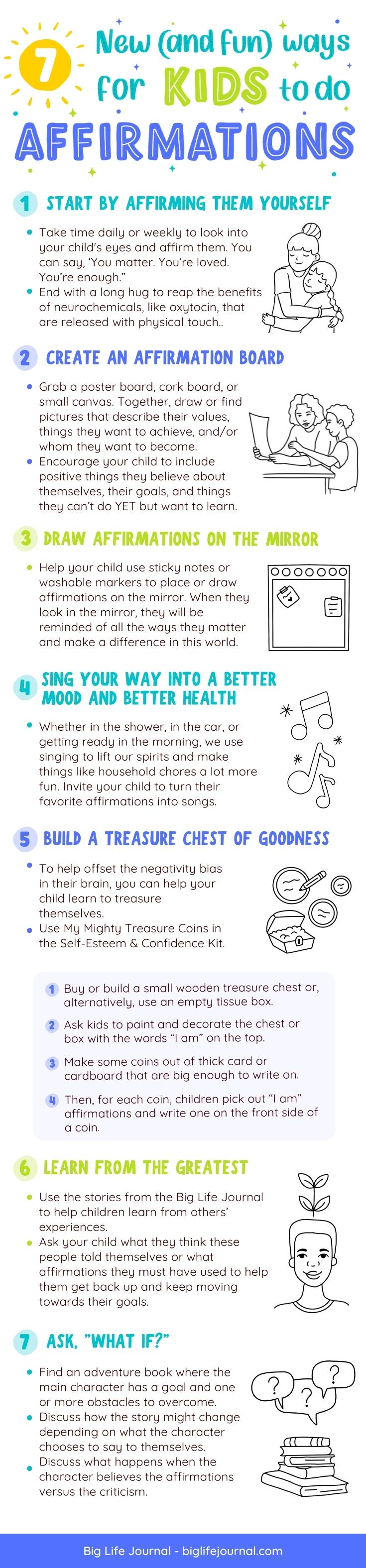
Credit: biglifejournal.com
Using Technology To Remind You
In busy modern life, it’s easy to forget affirmations. Technology can help:
- Set reminders or alarms on your phone.
- Use affirmation apps for daily prompts.
- Record your affirmations and listen to them while commuting.
Advanced tip: Change your reminder times every few weeks. This keeps your brain from ignoring them out of habit.
Should You Do Affirmations Alone Or With Others?
Most people do affirmations alone, but group affirmations can be powerful. In a group, positive energy multiplies. This is common in team sports, support groups, or workshops.
- Solo affirmations: More private, easier to fit into your day.
- Group affirmations: Build community and shared motivation.
Example: Before a meeting, a team might say, “We are creative and will succeed together.”
Linking Affirmations To Daily Habits
One of the easiest ways to remember affirmations is to attach them to habits you already have. This is called “habit stacking. ”
- After brushing your teeth, say your affirmation.
- As you wash your hands, repeat an affirmation in your mind.
- While waiting for your coffee, focus on a positive thought.
Hidden insight: Linking affirmations to routine habits makes them automatic and lowers resistance.
Emotional Timing: What If You Don’t Feel Positive?
Affirmations are not about fake positivity. Sometimes, you won’t feel good. That’s okay. You can still use affirmations—but adjust them to fit your emotional state.
- If you’re sad, try gentle statements: “I am learning to accept myself.”
- If you’re angry, use calming affirmations: “I am safe and in control of my feelings.”
Practical example: Even if you don’t fully believe your affirmation, saying it can plant a seed. Over time, your feelings may catch up.
How Long Does It Take To See Results?
People often ask how quickly affirmations work. The answer depends on your timing, belief, and repetition.
Some notice a shift in mood after just one session. For deeper changes (like self-esteem or anxiety), it can take weeks or months. Studies suggest it takes at least a few weeks of consistent practice to see lasting results.
Key advice: Don’t give up if you don’t see changes right away. Consistency and good timing make all the difference.
Adapting Affirmation Timing For Different Goals
Not all affirmations are alike. The best timing can depend on your goal.
- For motivation: Morning or before a challenging task.
- For calmness: During stress or before sleep.
- For self-love: While looking in the mirror or journaling.
- For focus and productivity: During work breaks.
Non-obvious tip: If one timing doesn’t work, experiment with another. Everyone’s mind responds differently.
Myths About Affirmation Timing
There are many myths about when to do affirmations. Here are some of the most common:
- You must say affirmations at sunrise. While mornings are good, any quiet time works.
- You can only do them alone. Group or partner affirmations can be just as powerful.
- Affirmations must be repeated for hours. Even a few minutes, done with focus, is effective.
- Affirmations don’t work if you don’t believe them. Belief grows over time; start where you are.
Fact: The best timing is what fits your life and helps you feel genuine emotion.
Scientific Evidence On Affirmation Timing
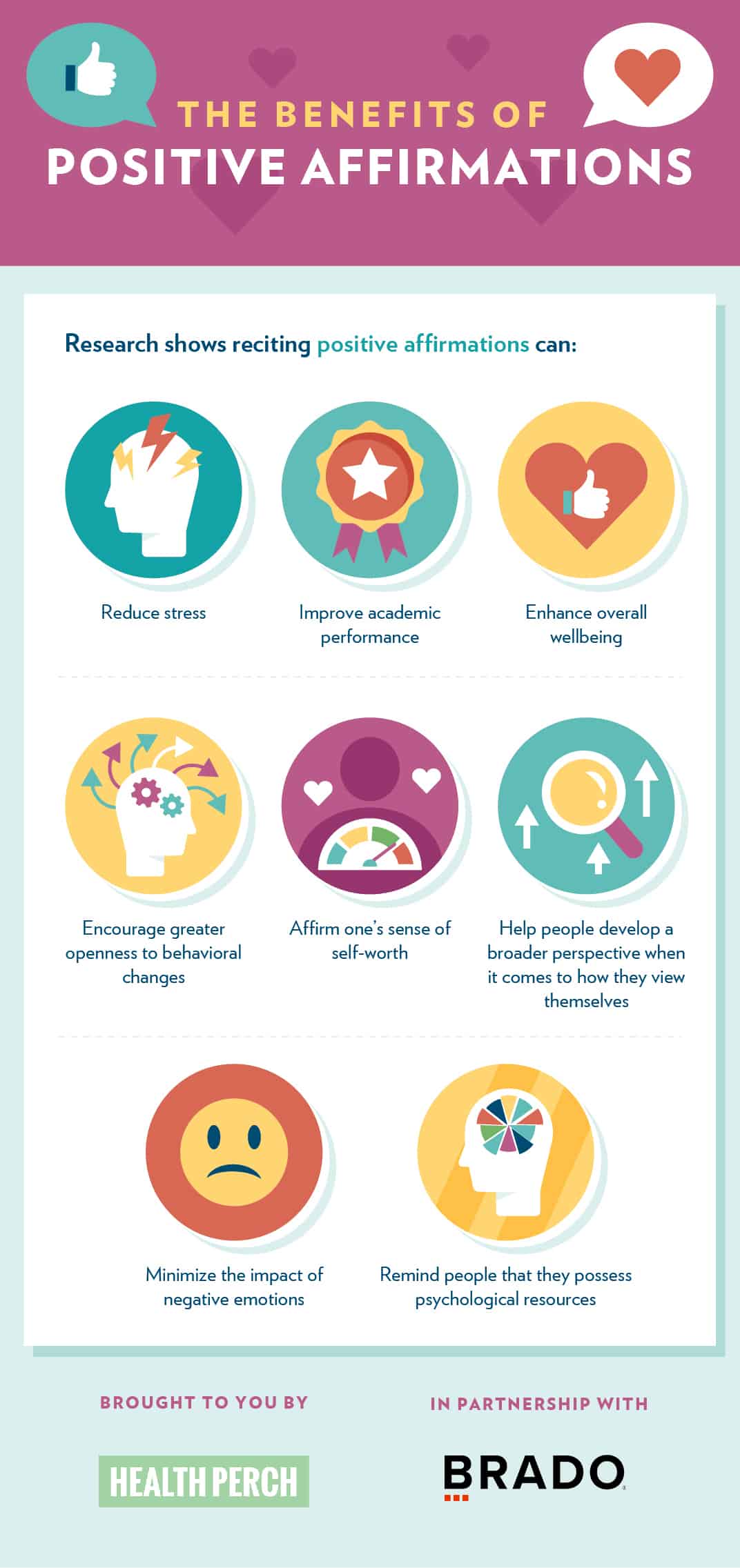
Research shows that affirmations can reduce stress, improve performance, and build self-esteem. Studies highlight the importance of timing and context. For example, repeating affirmations during relaxed or mindful states increases their impact. According to a study published in Social Cognitive and Affective Neuroscience, self-affirmation activates reward centers in the brain, especially when the mind is calm.
If you’re interested in more research, visit National Institutes of Health.
Credit: www.northwestpharmacy.com
How To Track Your Progress
To see real change, track your affirmation practice:
- Keep a journal of when and how you do affirmations.
- Notice your mood before and after.
- Look for patterns: Are mornings better for you, or evenings?
- Adjust your timing as needed.
Advanced tip: Record your voice saying affirmations. Listen weekly to hear changes in your tone and confidence.
When To Change Your Affirmation Timing
If you stop seeing results, it may be time for a change.
- Try new times or places for your practice.
- Add movement, music, or visualization.
- Update your affirmations to fit new goals.
Hidden insight: Your brain loves novelty. Changing your routine can boost motivation and results.

Credit: www.amazon.com
Making Affirmations A Long-term Habit
Affirmations work best as a long-term habit. Here’s how to make them last:
- Start small. Even one affirmation a day is enough.
- Celebrate small wins. Notice small shifts in mood or thinking.
- Share your practice with a friend or group for accountability.
- Be flexible. Adjust your timing as your life changes.
Practical tip: Place visual reminders (like sticky notes) where you’ll see them every day.
Combining Affirmations With Other Practices
Affirmations are even more powerful when combined with:
- Meditation
- Visualization
- Journaling
- Mindful breathing
- Goal setting
Mixing these practices helps your mind accept positive change faster.
Example: Meditate for five minutes, then say your affirmations while visualizing your goal.
Overcoming Resistance To Affirmation Practice
You may feel resistance, especially at first. Your mind may say, “This is silly,” or “It won’t work. ” This is normal.
- Start with affirmations that feel believable.
- Use softer language: “I am learning to…” or “I am open to…”
- Remind yourself that change takes time.
Expert insight: Resistance often means you’re challenging a deep belief. With time, this fades.
Frequently Asked Questions
What Is The Best Time Of Day To Do Affirmations?
The best time is when your mind is calm and open, such as right after waking up or before sleep. However, any quiet moment in your day can work. The key is consistency and choosing a time when you can focus.
How Many Times Should I Repeat An Affirmation?
Quality is more important than quantity. Repeating an affirmation 5-15 times with focus and emotion is usually enough. More important is how you feel while saying it.
Can I Do Affirmations Even If I Don’t Believe Them?
Yes, you can. Start with gentle or “bridge” affirmations like “I am learning to…” Over time, your belief will grow as you see positive changes.
Should I Say Affirmations Out Loud Or In My Mind?
Both methods work. Saying them out loud adds emotional power, but silent affirmations are also effective, especially in public or quiet places. Choose what feels most comfortable.
Do Affirmations Work Instantly?
Some people feel better right away, but lasting change takes time. For deep beliefs, practice affirmations daily for several weeks or months. Consistency and good timing are the keys.
Affirmations can be a life-changing tool when you choose the right moment and make them part of your routine. Experiment, track your progress, and trust the process. With the right timing, affirmations can help you become the person you want to be.
