

How Often Should You Say Affirmations for Lasting Results?
How Often Should You Say Affirmations
Many people want to change their lives for the better. They want to feel more confident, reduce stress, or reach big goals. One tool that has become popular is saying affirmations. These are positive statements that you repeat to yourself to change your mindset or behavior. But a common question is: How often should you say affirmations? Is it once a day, every hour, or only when you need a boost? If you do it too little, maybe nothing changes. Too much, and it starts to feel fake or tiring.
This article will guide you through the science, expert opinions, and practical advice on how often you should say affirmations. We’ll cover what really works, mistakes to avoid, and how to build a routine that fits your goals. Whether you’re new to affirmations or want to improve your practice, this guide will give you clear answers.
What Are Affirmations?
Affirmations are short, positive phrases you repeat to yourself. For example, “I am confident,” “I can handle challenges,” or “My mind is calm and focused.” The purpose is to help change the way you think and feel, so you act with more confidence or peace.
People use affirmations for many reasons:
- Boosting self-esteem
- Reducing stress or anxiety
- Achieving goals
- Improving health habits
Affirmations work by helping your brain create new thought patterns. Over time, repeating positive statements can make you believe them more. This is based on the idea of neuroplasticity, which means your brain can change and adapt through repeated experiences.
Not all affirmations work for everyone. The key is choosing phrases that feel true or possible for you. If you say something that feels impossible (“I am a billionaire” when you are struggling financially), it can backfire and make you feel worse.
So, picking the right affirmation is just as important as how often you say it.
The Science Behind Affirmations
Some people think affirmations are just wishful thinking. But there is real research behind them. Studies show that affirmations can help reduce negative self-talk, lower stress, and even improve performance in some situations.
One famous study published in the journal *Social Cognitive and Affective Neuroscience* found that self-affirmation activates the brain’s reward centers. This means when you repeat positive statements, your brain feels good and is more open to change. Another study showed that students who used affirmations before stressful tests performed better than those who didn’t.
However, research also shows that the effect of affirmations depends on how believable they feel. For example, if your self-esteem is low and you repeat “I am perfect,” your mind may reject it. But if you say, “I am learning and growing every day,” you’re more likely to accept and benefit from it.
A key insight is that consistency matters more than frequency. It’s better to say affirmations regularly, even if it’s only once or twice a day, than to repeat them a hundred times on one day and then forget about them for a week.
How Often Should You Say Affirmations? Key Factors To Consider
There is no one-size-fits-all answer. The best frequency depends on:
- Your personal goals
- The type of affirmation you use
- Your current mindset
- How busy your schedule is
Let’s look at these factors in more detail.
1. Your Goals
If your goal is to change a deep belief or habit, you may need to repeat affirmations more often. For small boosts in confidence or mood, once or twice a day may be enough.
2. Type Of Affirmation
Some affirmations are broad (“I am worthy of love”), while others are specific (“I will finish my project today”). Specific affirmations for a certain event (like a big meeting) may only need to be used before that event. Broader affirmations work best with daily repetition.
3. Mindset And Belief
If you already feel positive, repeating affirmations less often may be enough. But if you struggle with negative thoughts, more regular repetition can help rewire your thinking.
4. Daily Routine
People who are very busy may struggle to find time for many repetitions. It’s better to build a small habit you can keep, like saying your affirmation every morning, than to try for a big routine and give up.
Common Recommendations From Experts
Most experts agree on a few key points about frequency:
1. Daily Practice Is Best
Most self-help coaches and psychologists suggest saying affirmations at least once a day. Morning is a popular time, as it sets your mindset for the day.
2. Twice A Day For Stronger Results
Saying your affirmations in the morning and before bed helps you start and end your day on a positive note. This routine can also fit more easily into daily life.
3. Repeat Each Affirmation 3 To 5 Times
Research suggests that repeating each statement three to five times is enough to reinforce it without feeling forced.
4. Use Affirmations During Stressful Moments
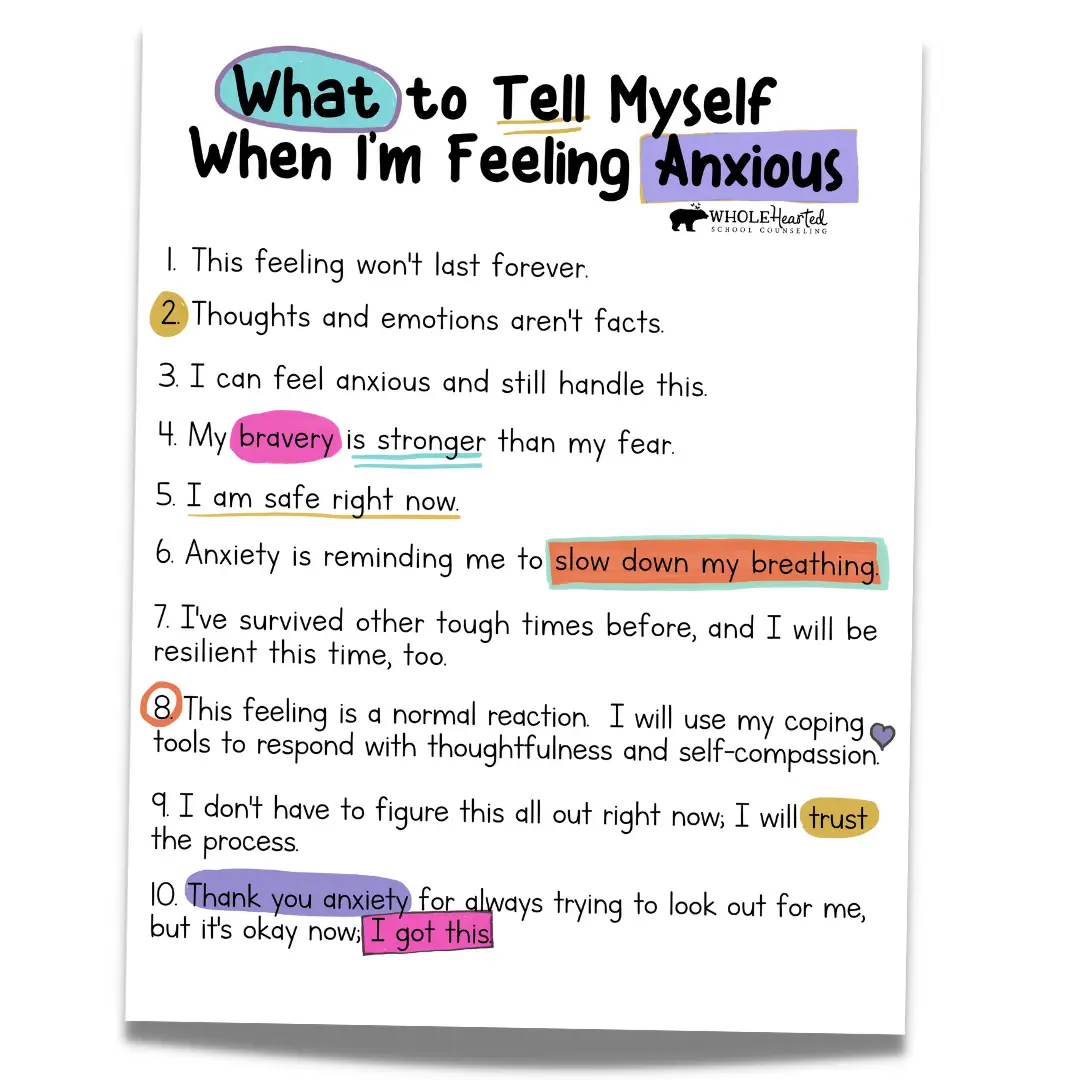
If you face a challenge or feel anxious, repeating your affirmation can help calm your mind.
5. Quality Over Quantity
It’s more important to believe in what you are saying and focus on the meaning, rather than just repeating it many times without attention.
Example Affirmation Routines
Here are three common ways people use affirmations in daily life.
Morning Routine
Many people start their day with affirmations to set a positive tone.
- Wake up and take a few deep breaths.
- Say your chosen affirmation 3-5 times, either out loud or silently.
- Imagine what it would feel like if the affirmation were true.
Example: “I am ready for this day. I can handle any challenge.”
Night Routine
Ending your day with affirmations can help you sleep better and prepare your mind for the next day.
- Before bed, repeat your affirmations while sitting quietly.
- Reflect on your day and notice when your affirmation showed up in your actions.
Example: “I am grateful for today’s progress. Tomorrow, I will grow even more.”
On-the-go Affirmations
Some people prefer to use affirmations when they need them most.
- Before a big meeting, presentation, or challenge, repeat your affirmation.
- Use a quiet place or even say it in your mind if you’re in public.
Example: “i Am Calm And Prepared For This Meeting.”
How Long Should You Keep Saying Affirmations?
Changing your mindset is not instant. Most experts recommend sticking to your affirmation practice for at least three to four weeks before expecting big changes. The brain needs time to form new pathways.
It’s a bit like building muscle at the gym. You don’t get strong in one session. You need steady, regular practice. Over time, your beliefs start to shift.
Some people notice small changes within a few days, like feeling more hopeful or less stressed. But for deep beliefs, it may take months. The key is patience and consistency.
What Happens If You Say Affirmations Too Often?
It’s natural to think that repeating affirmations many times each day will speed up results. However, there are some risks to overdoing it:
- Affirmation fatigue: Saying the same phrase too often can make it lose its meaning.
- Feeling fake: If you repeat something you don’t believe, your mind may start to resist or even feel worse.
- Boredom or stress: Trying to fit too many repetitions into your day can feel like a chore and add pressure.
A non-obvious insight is that reflection matters as much as repetition. Take a moment to pause and really feel the words. Think about how the affirmation could be true, or remember a small proof from your life.
Personalizing Your Affirmation Practice
Every person is unique. The best routine is one that fits your life and feels natural. Here’s how to create a plan that works for you:
1. Start Small
If you are new to affirmations, begin with one statement and say it once a day. After a week, you can add another or increase the repetitions.
2. Track Your Feelings
Keep a simple journal. After saying your affirmation, note how you feel. Over time, you may notice changes in your mood or actions.
3. Adjust As Needed
If you start to feel bored or fake, switch to a new affirmation or reduce the frequency. If you feel inspired, you can add a second session in your day.
4. Use Triggers
Tie your affirmation to a regular part of your routine, like brushing your teeth or drinking morning coffee. This makes it easier to remember.
5. Mix With Visualization
While saying your affirmation, close your eyes and picture yourself living it. For example, if your affirmation is “I am confident,” imagine yourself speaking up in a meeting.

Credit: tiffanywoodfield.com
Comparing Different Affirmation Frequencies
How does saying affirmations once a day compare with more frequent repetition? Here’s a simple breakdown:
| Frequency | Pros | Cons | Best For |
|---|---|---|---|
| Once daily | Easy to maintain; fits any schedule | Slower change for deep beliefs | Beginners; busy people |
| Twice daily | Balances impact and time; strengthens habit | Requires more planning | Most people; moderate goals |
| Multiple times a day | Faster results for urgent goals; helps break habits | Can feel forced or tiring | Major mindset shifts; advanced users |
A practical tip: Try starting with once a day. If you feel good, add a second session after a week or two.
The Power Of Mindfulness In Affirmations
Repeating words is not enough. The real power comes when you pay attention and connect with the meaning of the affirmation. This is where mindfulness helps.
Mindfulness means focusing your attention on the present moment. When you say your affirmation, do it slowly. Feel the words. Notice any emotions or thoughts that come up.
If you notice resistance (“This isn’t true for me”), don’t judge yourself. This is normal. With gentle, repeated practice, your mind becomes more open.
Some people find it helpful to pair affirmations with deep breathing or meditation. This makes the practice more calming and helps the message sink in.
Are There Times When Affirmations Don’t Work?
Yes, affirmations are not magic. Sometimes, they do not bring the changes you want. Here are common reasons why:
- The affirmation feels untrue: If the statement is too far from your current belief, your brain may reject it. For example, saying “I love myself completely” when you feel self-hate can trigger more negative thoughts.
- Lack of repetition: Saying it once or twice will not build a new belief.
- No emotional connection: If you just say the words without feeling or attention, the effect is weaker.
- External factors: Stress, trauma, or mental health issues can make affirmations less effective on their own.
A powerful but rarely mentioned insight: Small, believable affirmations are more effective than grand, unrealistic ones. Try shifting “I am a huge success” to “I am improving every day.” This helps your mind accept the change.
Affirmations And Goal Achievement
People often use affirmations to reach goals—like quitting smoking, losing weight, or getting a promotion. In these cases, how often should you say them?
- For behavior change: Use daily repetition, and also say the affirmation before situations where you face temptation or stress.
- For long-term goals: Repeat the affirmation daily, and visualize the steps you’ll take.
- For urgent challenges: Use the affirmation just before the event, as well as in your regular routine.
For example, if you want to stop smoking, you might say:
“i Am Free From Cigarettes. I Choose Health.”
Say it every morning, and also before entering places where you used to smoke.
Affirmations And Mental Health
Research shows that affirmations can help with anxiety, stress, and even depression. However, they are not a replacement for therapy or medication if you have serious mental health issues.
For stress, repeating calming affirmations like “I am safe and at peace” several times a day can help. For anxiety, use them before situations that make you nervous.
A non-obvious tip: Pairing affirmations with breathing exercises increases their calming effect. For example, breathe in and repeat your affirmation in your mind, then breathe out slowly.
Group Vs. Individual Affirmation Practice
Some people use affirmations alone, while others do them in groups (like in yoga or support meetings). Does this change how often you should say them?
- Individual practice gives more flexibility. You choose your own time, frequency, and phrases.
- Group practice can boost motivation. If you meet weekly, use group sessions as an extra boost but keep your own daily routine.
Mixing both can be powerful. For example, do your daily affirmations alone and join a group once a week for shared energy.
Tracking Your Progress
It’s easy to forget how far you’ve come. Keeping track can motivate you to stick with your affirmation habit.
Here’s a simple way to track:
| Day | Affirmation Used | How I Felt | Noticed Changes |
|---|---|---|---|
| 1 | I am calm and focused | Neutral | No changes yet |
| 7 | I am calm and focused | More relaxed in meetings | Handled stress better |
| 14 | I am calm and focused | Confident | Less anxiety overall |
Review your notes every week. If you see no progress, try changing your affirmation or how often you say it.
Common Mistakes To Avoid
When starting with affirmations, some people make mistakes that slow their progress. Here are the biggest ones and how to fix them:
1. Choosing Unrealistic Affirmations
Solution: Start with small, believable statements.
2. Repeating Without Emotion
Solution: Take a moment to feel the meaning of the words.
3. Forgetting To Practice
Solution: Set reminders or link affirmations to daily habits.
4. Changing Affirmations Too Often
Solution: Stick with one for at least three weeks before switching.
5. Using Too Many Affirmations At Once
Solution: Focus on one or two main areas at a time.
Affirmations For Special Situations
Sometimes, you may want to use affirmations in special situations. Here are some examples and how often to use them:
- Before exams or presentations: Use your affirmation right before the event and once daily for a week leading up.
- During health challenges: Repeat calming or hopeful affirmations every morning and whenever stress rises.
- For children: Simple affirmations work best. Repeat them together each morning or night.
An important insight: For children, modeling matters. When adults say affirmations with belief and calm, children learn to do the same.
How To Know If Your Affirmation Practice Is Working
You may wonder if saying affirmations is really helping. Look for these signs:
- Your mood improves, even slightly.
- You notice less negative self-talk.
- Small actions start to match your affirmation (“I spoke up in class for the first time”).
- You feel more hopeful about your goals.
It’s normal for progress to be slow and uneven. Celebrate small wins.
Credit: wholeheartedschoolcounseling.com
Combining Affirmations With Other Techniques
Affirmations work best when combined with other self-improvement tools:
- Journaling: Write your affirmations and your thoughts about them.
- Visualization: Picture yourself living your affirmation.
- Meditation: Say your affirmation while sitting quietly.
- Physical activity: Repeat your affirmation during walks or exercise.
Combining methods helps the message reach deeper parts of your mind.
If you want to read more about the science behind affirmations, visit this Wikipedia article on affirmations.
Frequently Asked Questions
How Long Does It Take For Affirmations To Work?
Everyone is different, but most people notice small changes within a week or two. Bigger mindset shifts can take several weeks or months. Consistency is more important than speed.
Can I Say Too Many Affirmations In One Day?
Yes, saying too many can feel overwhelming or lose meaning. Focus on one or two main affirmations at a time, and repeat each three to five times, once or twice a day.
Should I Say Affirmations Out Loud Or Silently?
Both work. Saying them out loud can help you focus and feel the words. Silent repetition is good for public places or quiet times. The key is attention, not volume.
What If I Don’t Believe My Affirmation?
Start with a smaller, more believable statement. For example, change “I am always confident” to “I am learning to be confident. ” Over time, your belief can grow.
Is There A Best Time Of Day To Say Affirmations?
Morning and night are popular because they frame your day and help set your mindset. But the best time is when you can focus and feel the words. Fit your practice into your schedule for the best results.
Saying affirmations is a simple but powerful tool to shape your thoughts and life. The most important thing is not how often you say them, but how consistently and mindfully you practice. Start with a routine that feels right for you, and adjust as you go.
Over time, small changes can add up to big results.

Credit: debratrappen.com
