

What is the Difference between Affirmation And Validation? Key Insights
What Is The Difference Between Affirmation And Validation
Many people confuse affirmation and validation in everyday conversation. Both words sound encouraging, but they mean different things and serve different emotional needs. Understanding the difference can improve your relationships, boost self-esteem, and help you communicate better with others. If you've ever wondered why some positive words feel uplifting while others feel shallow, this is why. Let's explore what sets these two concepts apart, how they shape personal growth, and why using the right one at the right moment really matters.
Defining Affirmation And Validation
Before we compare them, it's essential to know what each term means on its own.
What Is Affirmation?
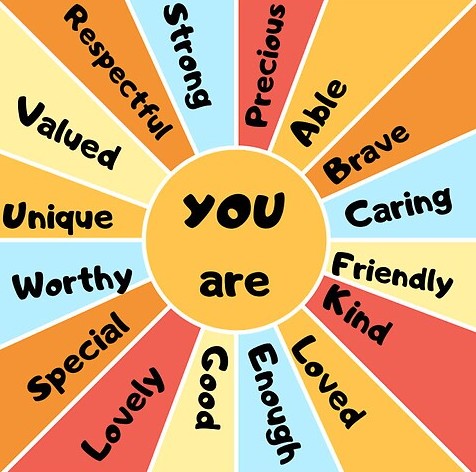
An affirmation is a positive statement that you say to yourself or others to encourage, inspire, or reinforce a belief. It usually focuses on qualities, abilities, or intentions. For example, telling yourself, "I am capable," or telling a friend, "You are strong and creative," is using affirmation.
Affirmations are often used for self-motivation, boosting confidence, and shifting negative thoughts to positive ones. They are about reinforcing desired beliefs, not necessarily about facts or feelings in a specific moment.
What Is Validation?
Validation means recognizing and accepting another person's feelings, thoughts, or experiences as real and understandable. It does not mean you have to agree with them, but you show that their feelings make sense. For example, saying, "I can see why you're upset," or "It makes sense that you feel nervous," is validation.
Validation is crucial in relationships because it helps people feel seen and heard. It is not about changing someone's feelings, but about giving support and acceptance for their current experience.
Key Differences Between Affirmation And Validation
Understanding the main differences helps you use each one more effectively.
| Aspect | Affirmation | Validation |
|---|---|---|
| Focus | Positive qualities, beliefs, or future intentions | Current feelings, experiences, or reality |
| Purpose | Inspire, encourage, build self-esteem | Support, accept, and understand |
| Example | "You are smart and capable." | "It's okay to feel nervous before a test." |
| Timing | Often proactive or future-focused | Usually in response to present feelings |
| Agreement Needed? | No (can be self-given) | No (you can validate without agreeing) |
How Affirmation Works
Affirmations are more than just positive words. They are tools for reshaping your mindset, especially when self-doubt or negative thinking takes over.
The Psychology Behind Affirmation
When you repeat positive statements, your brain starts to believe them. This is called self-affirmation theory. Research shows that using affirmations can:
- Lower stress levels
- Improve problem-solving
- Boost self-worth
- Reduce negative self-talk
For example, students who used affirmations before a difficult task showed less anxiety and performed better.
Common Ways To Use Affirmation
- Morning routines: Starting the day with positive statements sets a confident tone.
- Goal setting: Affirming your ability to reach goals can increase motivation.
- Overcoming fear: Saying, "I am brave," before a presentation can calm nerves.
- Parenting and teaching: Adults use affirmations to encourage children.
Examples Of Affirmation
- "I am learning and growing every day."
- "You are a good friend."
- "We can get through hard times together."
Non-obvious Insight: Affirmations Can Backfire
If an affirmation feels untrue or too far from your reality, it can actually make you feel worse. For example, if you are struggling with self-doubt, saying "I am perfect" may trigger more negative thoughts. The key is to use believable, realistic affirmations that match your experience.
Non-obvious Insight: Affirmations Are Not Solutions
Affirmations alone do not solve problems or change situations. They are helpful as part of a bigger strategy, like setting goals or seeking support, but not as a substitute for action.
How Validation Works
Validation is a powerful communication skill. It shows empathy and helps people feel respected.
The Importance Of Validation In Relationships
When you validate someone, you tell them, "Your feelings matter." This can:
- Build trust and closeness
- Reduce arguments and misunderstandings
- Help people process difficult emotions
- Encourage open communication
For example, when a child says, "I'm scared," and a parent replies, "I understand, it's okay to be scared," the child feels supported.
Common Ways To Offer Validation
- Active listening: Pay full attention, nod, and use eye contact.
- Reflecting feelings: Repeat back what you heard ("It sounds like you're frustrated").
- Normalizing: Remind them that others feel this way too.
- Accepting without fixing: You don't have to solve the problem, just be there.
Examples Of Validation
- "Anyone would feel sad in your situation."
- "It makes sense that you're angry."
- "I hear you. That sounds hard."
Non-obvious Insight: Validation Is Not Agreement
You can validate someone even if you disagree with their perspective. For example, if a friend is upset over a small issue, you can still say, "I see that this is upsetting for you," without saying they're right.
Non-obvious Insight: Over-validation Can Hinder Growth
While validation is important, overusing it (especially when someone is stuck in negative patterns) can stop growth. Sometimes, people need gentle challenges or encouragement to move forward, not just acceptance.

Credit: mentalhealthathome.org
Practical Examples: Affirmation Vs. Validation In Daily Life
Real-life examples make the difference clear.
Scenario 1: A Friend Fails A Test
- Affirmation: "You are smart and can learn from this."
- Validation: "It's disappointing to fail after working so hard. That must feel tough."
Scenario 2: A Child Is Afraid Of The Dark
- Affirmation: "You are brave and strong."
- Validation: "It's normal to feel scared in the dark. I'm here with you."
Scenario 3: A Partner Feels Overwhelmed
- Affirmation: "You handle challenges well."
- Validation: "I can see you're overwhelmed. That must be a lot to deal with."
Scenario 4: Employee Misses A Deadline
- Affirmation: "You are capable of doing great work."
- Validation: "Missing deadlines is stressful. I understand why you're upset."
Scenario 5: Someone Is Nervous About Public Speaking
- Affirmation: "You will do a great job."
- Validation: "It's completely normal to be nervous before speaking in public."
When To Use Affirmation And When To Use Validation
Knowing when to use affirmation or validation is key to effective communication.
| Situation | Best Approach |
|---|---|
| Someone is expressing feelings | Start with validation |
| Encouragement is needed | Add affirmation after validation |
| Self-doubt or negative self-talk | Use affirmation, but keep it realistic |
| Processing a mistake or failure | Validate feelings, then affirm strengths |
| Celebrating progress or effort | Affirm achievements |
Practical Guidance
- If someone is upset, start with validation to show you understand.
- After validation, use affirmation to encourage them to move forward.
- Avoid jumping to affirmation if the person hasn't felt heard yet.
The Role Of Affirmation And Validation In Self-development
Both affirmation and validation play important roles in personal growth, but they do so in different ways.
Affirmation Builds Self-belief
Using affirmations helps you focus on your strengths and possibilities. Over time, this increases your confidence and helps you take action toward your goals. For example, athletes often use affirmations before competitions to boost performance.
Validation Heals Emotional Wounds
Validation allows you to accept your feelings without judgment. This self-compassion is essential for healing from past hurts and building emotional resilience. For example, instead of criticizing yourself for feeling anxious, you can say, "It's okay to feel anxious sometimes.
"
Combining Both For Growth
The most effective self-development combines affirmation and validation. You accept your feelings (validation) and then motivate yourself to keep going (affirmation). For example, "It's understandable to feel nervous about this new job. I'm also capable of handling new challenges. "
The Dangers Of Missing Affirmation Or Validation
Neglecting either affirmation or validation can harm relationships and self-esteem.
What Happens Without Validation
- People may feel alone or misunderstood
- Emotions get suppressed, leading to stress or resentment
- Communication breaks down
For example, telling someone, "Just be positive," when they're sad can make them feel ignored.
What Happens Without Affirmation
- People may lose motivation or belief in themselves
- Negative self-talk increases
- Progress feels impossible
For example, only acknowledging someone's pain without encouraging their strengths can keep them stuck.

Credit: sharecollaborative.org
How To Practice Affirmation And Validation Effectively
Mastering these skills takes awareness and practice. Here’s how you can do it better:
Tips For Giving Affirmation
- Be specific: Instead of "You're great," say, "You handled that situation well."
- Be genuine: People can sense when words are empty.
- Focus on strengths: Highlight qualities that are real and observable.
- Use present tense when possible: "You are creative," not just "You will be creative."
- Keep it believable: Match affirmations to what feels possible.
Tips For Giving Validation
- Listen fully: Don’t interrupt or offer solutions right away.
- Name the emotion: "You seem frustrated," "You look excited."
- Show empathy: Use phrases like, "That must be hard," or "I can see why."
- Don’t judge: Avoid saying, "You shouldn’t feel that way."
- Accept their truth: Even if you see things differently, honor their perspective.
Example Phrases To Try
- For affirmation: "You have overcome challenges like this before."
- For validation: "Anyone would find this situation difficult."
Cultural And Social Factors
Culture affects how affirmation and validation are expressed. In some cultures, direct affirmation is common; in others, it may feel uncomfortable. Similarly, validation might be more about actions than words, such as a comforting presence instead of spoken support.
In workplaces, affirmation is often used in feedback, while validation is key in conflict resolution. Understanding these differences can prevent misunderstandings and build stronger teams.
Common Mistakes And How To Avoid Them
Even with good intentions, it's easy to make mistakes when trying to affirm or validate others.
Mistake 1: Rushing To Fix
Jumping in with solutions before validating feelings can make someone feel dismissed.
What to do instead: Pause and acknowledge their emotions first.
Mistake 2: Using Generic Affirmations
Saying, "You're the best," without specifics can feel insincere.
What to do instead: Point out concrete strengths or actions.
Mistake 3: Over-validating Negative Patterns
Constantly validating negative thinking can reinforce it.
What to do instead: Balance validation with gentle encouragement to move forward.
Mistake 4: Ignoring Your Own Needs
Focusing only on affirming and validating others, while neglecting yourself, leads to burnout.
What to do instead: Practice self-affirmation and self-validation regularly.
The Impact Of Affirmation And Validation On Mental Health
Both affirmation and validation are important for mental well-being.
Benefits Of Affirmation
- Increases optimism and hope
- Builds self-worth
- Helps with goal-setting
Benefits Of Validation
- Reduces anxiety and shame
- Improves relationships
- Encourages emotional healing
Studies show that people who receive regular affirmation and validation from loved ones are more resilient and have lower rates of depression.
How To Teach Kids Affirmation And Validation
Children learn these skills from adults. Teaching kids to affirm themselves and validate others helps them develop emotional intelligence.
- Model the behavior: Use affirming and validating language at home.
- Praise effort, not just results: "You worked hard on that project."
- Acknowledge emotions: "It's okay to feel angry when things don't go your way."
- Encourage self-talk: Teach them to say positive things to themselves.
Over time, kids who practice these skills become more confident, empathetic, and resilient.
Science And Research
Psychologists have studied affirmation and validation for decades. Self-affirmation activities have been linked to better health, lower stress, and improved performance at school and work. Validation, especially in therapy, is shown to reduce emotional distress and increase trust between therapist and client.
For more research and evidence, the Wikipedia page on validation in psychology offers additional reading.
Credit: journeyofauthenticity.com
Affirmation And Validation In Popular Culture
In media, characters who use affirmation often inspire others to act bravely. Validation is shown when friends or family members support each other through tough times. Social media has also popularized affirmation through quotes and motivational posts, but real-life validation is harder to find online.
Summary Table: Affirmation Vs Validation
Here’s a quick reference to help you remember the main differences:
| Affirmation | Validation | |
|---|---|---|
| Main Action | Encourage and inspire | Accept and understand |
| Focus | Beliefs, qualities, intentions | Feelings, experiences, reality |
| When to Use | When motivation is needed | When someone feels a strong emotion |
| Key Benefit | Increases confidence | Builds emotional safety |
| Example Phrase | "You are capable." | "It's okay to feel that way." |
Frequently Asked Questions
What Is The Main Difference Between Affirmation And Validation?
Affirmation focuses on positive qualities, beliefs, or intentions and is used to encourage or motivate. Validation is about accepting and recognizing someone's feelings or experiences as real and understandable. Affirmation is about uplifting, while validation is about understanding.
Can You Give Affirmation Without Validation?
Yes, but it may not be effective. If someone is upset, jumping to affirmation without validation can make them feel ignored. It's usually best to validate first, then affirm.
Is Validation The Same As Agreement?
No, validation is not agreement. You can validate someone's feelings even if you disagree with their view or actions. Validation is about accepting their emotions, not their choices.
How Can I Practice Self-validation?
Self-validation means accepting your own feelings as real and understandable. You can do this by noticing your emotions, naming them, and reminding yourself that it's okay to feel that way. For example, "I feel anxious right now, and that's normal in new situations.
"
Are Affirmations Always Positive?
Affirmations are intended to be positive, but they should also be realistic and believable. Overly positive or unrealistic affirmations can sometimes cause more doubt. The best affirmations reflect strengths or goals you can believe in.
Understanding the difference between affirmation and validation gives you powerful tools for better relationships, communication, and self-care. When you know how and when to use each one, you can support others—and yourself—more effectively. This skill is not only useful in personal life but also in the workplace, schools, and any situation where empathy and encouragement are needed. By blending affirmation and validation, you help create an environment where people feel valued, understood, and motivated to grow.
