

Best Way to Make Affirmations Work: Proven Tips for Success
The Best Way To Make Affirmations Work
Most people have heard about affirmations—simple, positive statements you repeat to yourself. You may have seen them written on sticky notes, heard them in motivational talks, or tried them for a few days. But, why do affirmations work for some people and not for others?
Is it just about repeating words, or is there a deeper method behind making them effective?
Many feel disappointed when affirmations don’t bring the results they want. They try for a week, see no change, and give up. If this sounds familiar, you’re not alone. The truth is, affirmations are powerful, but only when used in the right way.
It’s not magic; it’s a science of the mind, mixed with practical steps. Knowing how to make affirmations truly work can help you change your habits, increase your confidence, and even shift your life’s direction.
In this guide, you’ll discover exactly how to make affirmations work for you. We’ll break down the key factors, show you common mistakes, and give you proven techniques you can start using today. Whether you’re new to affirmations or have tried them before, you’ll learn strategies that go beyond the basics.
Let’s unlock the real power of positive self-talk.
Understanding Affirmations: More Than Just Words
Affirmations are short, positive statements that describe a goal or a belief you want to develop. For example, you might say, “I am confident,” or “I am healthy and strong.” The idea is to train your mind to accept these statements as true, which influences your feelings and actions.
But affirmations are not just empty phrases. They work by shaping your thought patterns and, over time, changing your behavior. The brain is always looking for evidence to support what you believe. When you repeat positive statements, your mind starts to look for ways to make them true.
How Affirmations Affect The Brain
Research in neuroscience has shown that the brain can be “rewired” through repetition. This is known as neuroplasticity. When you repeat affirmations, you strengthen certain neural pathways, making positive thinking easier over time. A study published in the journal Social Cognitive and Affective Neuroscience found that self-affirmation activates the brain’s reward centers, making you more open to change.
Why Some Affirmations Fail
Not all affirmations work equally well. If you say something you don’t believe at all, your mind may reject it. For example, saying “I am a millionaire” when you’re struggling financially might actually make you feel worse. The key is to use affirmations that are believable and meaningful to you.
Insight: Many beginners make the mistake of choosing affirmations that feel too far from their reality. The gap between belief and statement makes the affirmation useless or even harmful.
Choosing The Right Affirmations
The first step to making affirmations work is picking the right statements. Here’s how to do it effectively.
1. Make Them Personal
Affirmations should start with “I” or “My” to keep them personal and relevant. “I am becoming more confident” feels direct and focused on you.
2. Keep Them Positive
Always state affirmations in a positive form. Instead of “I am not afraid to speak,” say “I am confident when I speak.” The brain tends to ignore negative words like “not” and focus on the main idea.
3. Use The Present Tense
Affirmations work best in the present tense. This tells your brain that the statement is true now, not just a future hope. “I am healthy” is better than “I will be healthy.”
4. Be Specific
General affirmations like “I am happy” are less effective than specific ones. Try “I find joy in my daily work” or “I enjoy spending time with my family. ”
5. Make Them Believable
Your affirmation should stretch you, but not feel impossible. If “I am confident” feels too far, try “I am becoming more confident every day. ” This small change makes it easier for your mind to accept.
Non-obvious insight: Sometimes, starting with “I am learning to…” or “I am open to…” can be more powerful for beginners than jumping straight to a statement that feels untrue.

Credit: www.hands-on-heart.com
The Science Behind Repetition And Emotion
Repeating affirmations is important, but it’s not just about the number of times you say them. The real power comes from emotion and consistency.
Why Emotion Matters
When you say your affirmation, feel the emotion behind it. If you say “I am confident” but feel nervous, your brain gets mixed signals. Instead, imagine a time you felt confident, or picture how you will feel when the affirmation is true.
This emotional link tells your brain the statement matters.
Non-obvious insight: Pairing affirmations with physical feelings (like standing tall or smiling) can boost the emotional impact and help your mind accept the message faster.
The Role Of Consistency
Affirmations need to be repeated regularly, not just once. Most experts suggest twice a day—morning and night. It takes time to change habits and thought patterns. Think of it like building muscle; you need to exercise daily for results.
The Best Methods To Practice Affirmations
Not every method works for everyone. Here are the most effective ways to practice affirmations, so you can find what suits you best.
Saying Affirmations Aloud
Speaking affirmations out loud makes them more real. Your voice carries emotion, and hearing the words helps reinforce the message. Try saying them in front of a mirror for extra impact.
Writing Affirmations Down
Writing makes you focus. Each time you write your affirmation, you’re repeating it in your mind and body. Keep a notebook just for affirmations, and write each one several times a day.
Visualization
Combine your affirmation with a mental image. If your affirmation is “I am confident,” picture yourself speaking clearly in front of a group. Visualization engages your mind more deeply than words alone.
Listening To Recorded Affirmations
Some people record their affirmations and listen to them during the day. This is useful if you’re busy or want to reinforce the message while driving, walking, or relaxing.
Using Affirmation Cards
Write each affirmation on a small card. Carry them with you, and read them during the day. This keeps your focus strong and helps when you need a quick boost.
Pairing Affirmations With Meditation
After a few minutes of meditation, your mind is calm and open. This is a perfect time to repeat your affirmations. The relaxed state makes it easier to accept new beliefs.
Making Affirmations Part Of Your Routine
Link your affirmations to daily habits. Say them while brushing your teeth, during your morning walk, or before bed. This makes it easier to remember and stay consistent.
Mistakes To Avoid With Affirmations
Even with the best intentions, many people fall into common traps. Avoid these mistakes to get better results.
1. Being Too Vague
Statements like “I am happy” are too general. Specific affirmations help your brain know what to focus on.
2. Using Negative Words
Avoid words like “not,” “don’t,” or “never. ” The brain often skips over negatives, focusing on the main action.
3. Saying What You Don’t Believe
If you don’t believe your affirmation at all, it won’t work. Start with something believable and build up.
4. Repeating Without Feeling
Saying affirmations in a flat, bored voice won’t help. Emotion is key to making them stick.
5. Expecting Instant Results
Affirmations take time. Don’t give up if you don’t see changes right away.
6. Ignoring Action
Affirmations are powerful, but they work best when combined with real actions. Saying “I am healthy” means more if you also eat well and exercise.
How Affirmations Compare To Other Self-help Methods
Many self-help tools exist, but how do affirmations stack up? Here’s a comparison to give you a clear idea:
| Method | How It Works | Strengths | Weaknesses |
|---|---|---|---|
| Affirmations | Positive statements to shape beliefs | Simple, flexible, can be used anywhere | Requires belief and consistency |
| Visualization | Imagining success in detail | Boosts motivation, makes goals clear | Can be hard for those with weak imagination |
| Journaling | Writing thoughts and feelings | Good for clarity, tracks progress | Takes more time, needs privacy |
| Meditation | Calming the mind, focusing inward | Reduces stress, increases awareness | Needs quiet time, regular practice |
Affirmations can be used alone, but they are even more powerful when combined with other methods, such as visualization or journaling.

Credit: www.wondermind.com
The Step-by-step Formula: Making Affirmations Work
To see real results, follow this step-by-step process:
1. Identify What You Want To Change
Think clearly about the area of your life you want to improve. Is it confidence, health, relationships, or something else?
2. Create A List Of Affirmations
Write 3-5 clear, specific, positive statements. Make sure each one feels believable and personal.
3. Choose Your Method
Decide if you will speak, write, visualize, or use a combination. Pick what feels most natural.
4. Set A Regular Time
Choose times you can stick to, like after waking up and before bed. Consistency is more important than frequency.
5. Add Emotion
Feel the words as you say or write them. Imagine the feeling of success.
6. Combine With Action
Take small steps that support your affirmations. If your affirmation is about confidence, try speaking up in a small group.
7. Track Your Progress
Keep a journal or notes about any changes. Celebrate small wins.
8. Adjust As Needed
If an affirmation no longer feels right, change it. Your goals may shift over time.
Examples Of Effective Affirmations
Here are some examples for different areas of life:
For Confidence
- “I am becoming more confident every day.”
- “I speak clearly and express my ideas easily.”
- “I trust myself to handle new situations.”
For Health
- “I make healthy choices for my body.”
- “I enjoy moving and being active.”
- “I treat my body with respect and care.”
For Success
- “I am focused and productive.”
- “I learn from every experience.”
- “Opportunities come to me easily.”
For Relationships
- “I attract positive, supportive people.”
- “I communicate with kindness and honesty.”
- “I am worthy of love and respect.”
For Stress
- “I am calm and relaxed.”
- “I handle challenges with ease.”
- “I trust that things will work out.”
Pro tip: Adjust these examples to fit your own life. Personalizing makes them much more effective.
Credit: www.northwestpharmacy.com
Data: How Affirmations Influence Mindset
People often ask if affirmations really work or if it’s just wishful thinking. Here’s a look at what studies and surveys say:
| Source | Finding | Details |
|---|---|---|
| Social Cognitive and Affective Neuroscience | Brain activation | Self-affirmation increases activity in reward centers of the brain. |
| Carnegie Mellon University | Stress reduction | People using affirmations show lower stress levels during challenges. |
| Health Psychology | Health behavior change | Affirmations help people stick to healthy habits, like exercise and diet. |
| Harvard Business Review | Performance | Affirmations improve performance under pressure. |
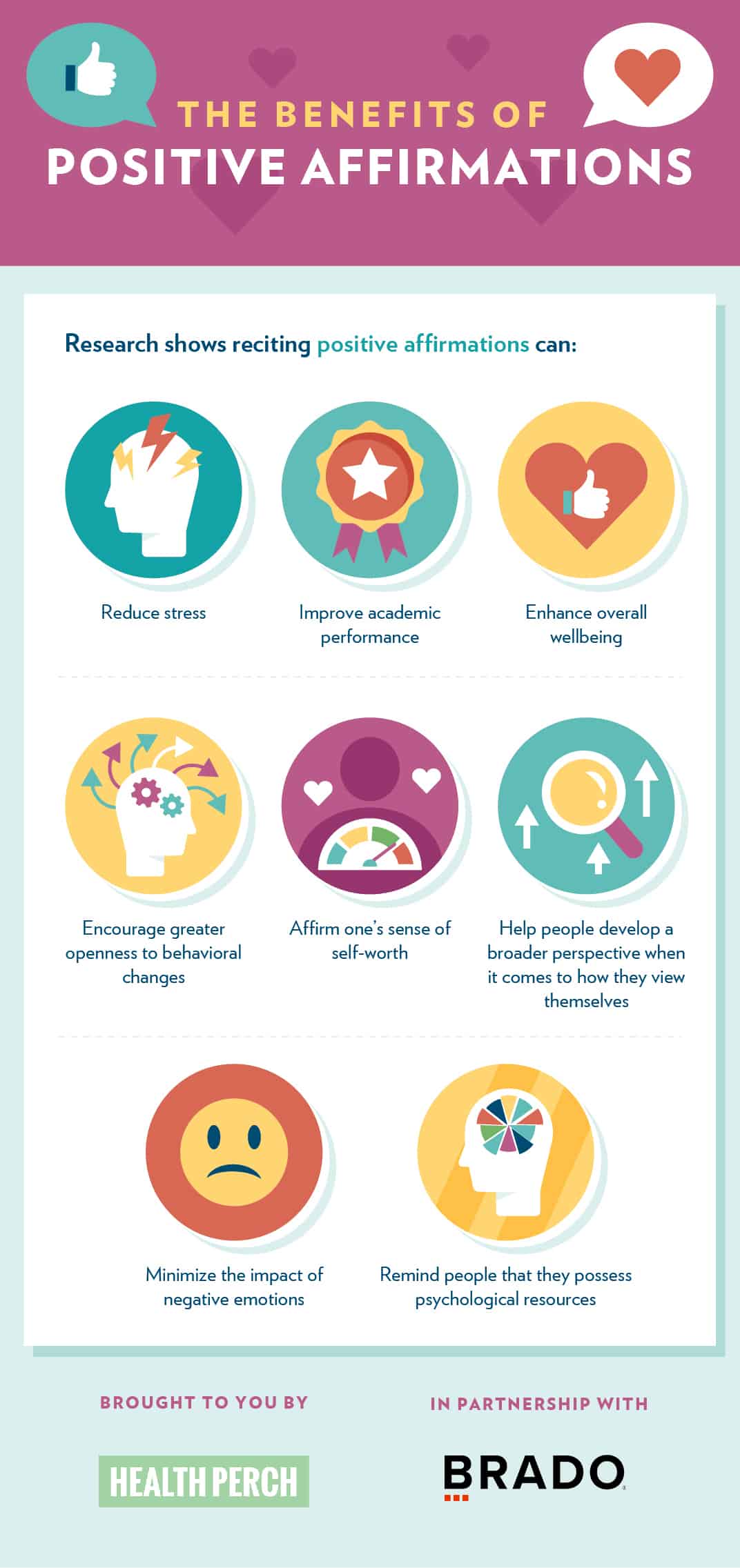
The evidence shows that affirmations are more than just feel-good phrases. They can help reduce stress, improve performance, and support positive changes in behavior.
Advanced Tips For Making Affirmations Work Faster
Once you have the basics, you can use these advanced tips to see results even sooner.
1. Use Triggers
Connect your affirmation with a daily trigger, like turning on a light or washing your hands. This links the statement with a regular action, making it automatic.
2. Involve Your Senses
Say your affirmation while looking at a picture, listening to music, or feeling a certain object. The more senses you involve, the stronger the memory.
3. Change Your Environment
Surround yourself with reminders of your affirmation. Use sticky notes, wallpapers, or phone reminders. This keeps your goal top of mind.
4. Share With Others
Telling a friend or group about your affirmation can create accountability and support. Others might even join you, making the process more fun and effective.
5. Celebrate Progress
Reward yourself for sticking with your affirmations. Even small rewards help your brain link positive feelings with the habit.
6. Use Technology
Apps and smart devices can remind you to practice your affirmations. Some even track your progress and suggest new affirmations based on your goals.
7. Adjust For Challenges
If you notice negative thoughts or doubts, don’t ignore them. Instead, use them as a guide to create new, supportive affirmations that address those doubts directly.
Common Questions About Affirmations
Many people have doubts or questions about the process. Here are some common ones, with straightforward answers.
1. How Long Does It Take To See Results From Affirmations?
Most people start to notice small changes after a few weeks of regular practice. Major shifts in mindset or behavior may take a few months. The key is consistency and patience.
2. Can Affirmations Replace Therapy Or Medication?
Affirmations are a helpful tool, but they are not a replacement for professional help when needed. If you struggle with mental health issues, use affirmations as a support, not a cure.
3. What If I Feel Silly Saying Affirmations?
It’s normal to feel awkward at first. This feeling usually fades as you see positive changes. Remember, even top athletes and successful people use affirmations.
4. Do I Need To Say Affirmations Out Loud?
Saying them out loud is powerful, but not required. Writing, thinking, or listening to affirmations can also work. Choose the method that feels best for you.
5. Can I Use The Same Affirmation For Different Goals?
It’s better to create specific affirmations for each goal. Generic affirmations are less effective. Tailor your statements to the exact change you want.
Practical Example: Affirmations For Job Interviews
Let’s see how affirmations can help in a real-world situation, like preparing for a job interview.
- Identify the challenge: You feel nervous before interviews.
- Create affirmations: “I am calm and prepared for my interview. I express my skills with confidence.”
- Pick your method: Say the affirmation aloud while looking in the mirror.
- Pair with action: Practice answering common interview questions.
- Repeat before and after practice sessions.
- Celebrate success: After your interview, note any positive feelings or improvements.
Over time, you’ll notice less anxiety and more confidence, making you a stronger candidate.
Affirmations And Self-image
Your self-image is built from years of experiences, feedback, and beliefs. Affirmations help rewrite negative self-talk into a positive, empowering message. This can lead to better choices, improved relationships, and a higher quality of life.
Non-obvious insight: Changing your self-image with affirmations isn’t about ignoring problems. It’s about focusing your energy on growth and possibility, rather than fear or doubt.
When Affirmations Don’t Work: What To Do
If you’ve tried affirmations and see no change, here’s what you can check:
- Are your affirmations specific and believable?
- Are you repeating them with feeling and consistency?
- Are you taking small actions to support your words?
- Are you adjusting your affirmations as your goals change?
Sometimes, affirmations uncover hidden doubts or fears. This is normal. Use these feelings to create new, supportive statements or seek deeper help if needed.
Key Takeaways: Making Affirmations Truly Work
- Choose affirmations that are positive, personal, and believable.
- Repeat them daily, with real emotion.
- Link your affirmations to actions and routines.
- Track your progress, and adjust as needed.
- Combine affirmations with other self-help tools for best results.
If you want to dive deeper into the science and practice of affirmations, check resources like Psychology Today for more insights.
Frequently Asked Questions
What Are The Best Times To Practice Affirmations?
The best times are usually in the morning when you wake up and at night before sleep. Your mind is more open and relaxed during these times, making it easier to accept new beliefs.
Can Children Use Affirmations?
Yes, children can use simple, positive affirmations to build confidence and positive habits. Make sure the statements are age-appropriate and easy to understand.
Should I Change My Affirmations Often?
Change your affirmations as your goals evolve or when a statement no longer feels right. Regularly updating keeps your practice fresh and relevant.
What If My Mind Resists An Affirmation?
If you feel strong resistance, adjust the affirmation to something you can believe right now. For example, change “I am confident” to “I am learning to be confident. ”
Are There Any Risks To Using Affirmations?
Affirmations are generally safe and positive. However, if you ignore real problems or avoid taking action, affirmations alone won’t help. Use them as one tool in your self-improvement journey.
Unlocking the full power of affirmations takes more than just repeating words. When you follow the methods above and bring real emotion and action into your practice, affirmations can help you achieve lasting change—one thought at a time.
