

What is an Affirmation List: Boost Your Mindset Instantly
What Is An Affirmation List
Life can feel heavy sometimes. You might wake up with worries. Maybe you feel unsure about work, relationships, or even yourself. In these moments, you might wish for a simple tool to lift your mood and help you move forward with confidence. That’s where an affirmation list comes in—a gentle but powerful way to change your thoughts and shape your feelings about yourself and your world.
Affirmation lists are not just trendy words you see on social media. They are based on real psychological ideas and have helped people worldwide improve their self-image and build resilience. This article will guide you through every aspect of affirmation lists—what they are, why they work, how to create your own, and how to use them for real-life growth.
You’ll also see examples, learn about common mistakes, and discover practical tips for making affirmations work for you.
Whether you’re new to self-improvement or looking for a fresh start, understanding affirmation lists can help you unlock a healthier, happier mindset.
What Is An Affirmation List?
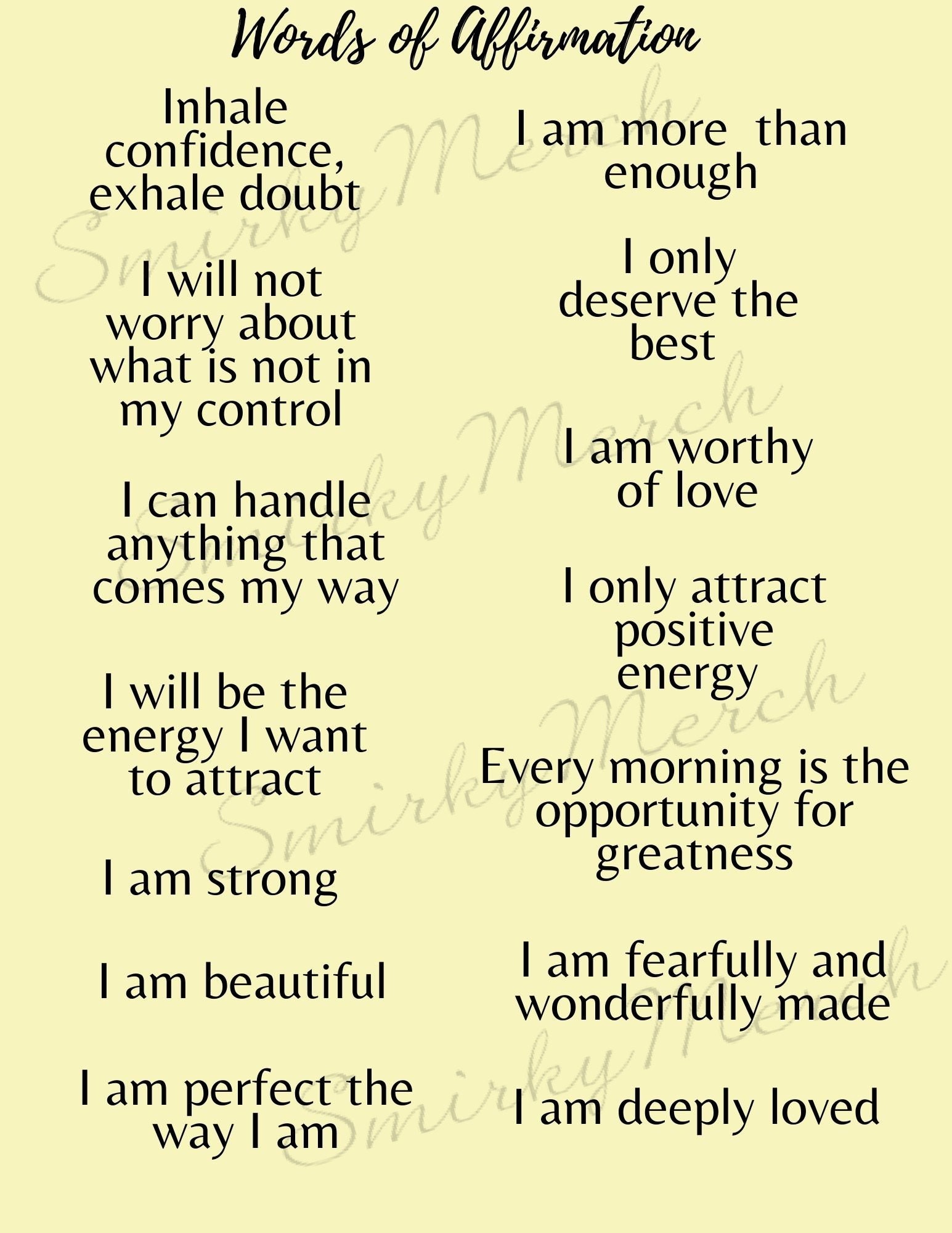
An affirmation list is a collection of positive, present-tense statements that you repeat to yourself regularly. Each statement describes something you want to believe about yourself, your life, or your future. The main idea is simple: by focusing on these positive ideas every day, you can gradually shift your mindset and improve your emotional well-being.
The Purpose Of Affirmation Lists
Many people struggle with negative self-talk—those critical thoughts that pop up when you face stress or setbacks. Affirmation lists work as a gentle counterbalance. When you repeat encouraging words, you start to train your mind to see yourself and your abilities in a kinder way.
Affirmation lists are used for different reasons, including:
- Boosting self-esteem
- Managing stress and anxiety
- Building motivation
- Changing negative habits
- Improving relationships
Some people use affirmation lists to set the tone for their day. Others use them to prepare for challenges, like a job interview or public speaking. The beauty of affirmation lists is their flexibility—you can create one for any purpose that matters to you.
How Affirmation Lists Differ From Other Self-help Tools
It’s easy to confuse affirmation lists with other self-improvement practices. Let’s clarify:
- Affirmations vs. Goals: Goals are targets you want to achieve (like “I want to lose five pounds”). Affirmations are statements you repeat to shape your beliefs (like “I am healthy and strong”).
- Affirmations vs. Mantras: Mantras are often spiritual phrases used in meditation. Affirmations are usually personal and focus on building confidence or positive thinking.
- Affirmations vs. Gratitude Lists: Gratitude lists focus on what you already have. Affirmation lists focus on what you want to believe or become.
Understanding these differences helps you use affirmation lists in the right way.
The Science Behind Affirmation Lists
Affirmation lists may sound simple, but they are rooted in psychology. Researchers have studied how positive self-statements affect the brain and behavior.
How Affirmations Affect The Brain
When you repeat positive statements, your brain begins to build new neural pathways. This is called neuroplasticity—the brain’s ability to change and adapt. Over time, your repeated affirmations can make it easier to think positively, even in tough situations.
Studies have shown that affirmations activate parts of the brain involved in self-processing and reward. For example, people who use affirmations before facing stress often show lower levels of anxiety and better performance.
Evidence Of Effectiveness
Research from respected universities and psychology journals shows that affirmation lists can:
- Help reduce stress
- Increase problem-solving abilities under pressure
- Improve academic and work performance
- Support long-term habit change
However, it’s important to note that affirmation lists work best when they are specific, believable, and tied to real actions.
Misconceptions About Affirmations
Some people think affirmations are just “wishful thinking. ” But science suggests otherwise. The key is to use affirmations in a way that feels true and motivating, not as magical solutions. If you repeat something you don’t believe at all, it can backfire.
That’s why crafting your list thoughtfully matters.
Key Elements Of An Effective Affirmation List
Not all affirmation lists are equally helpful. The most effective lists share a few important qualities:
1. Positive Language
Affirmations should always focus on what you want, not what you wish to avoid. For example:
- “I am calm and focused” is better than “I am not anxious.”
2. Present Tense
Write your affirmations as if they are true right now, not in the future. This helps your brain accept them as reality.
- “I am confident” instead of “I will be confident.”
3. Personalization
Your affirmation list should feel personal to you. Use “I” statements and choose words that resonate with your own experiences and goals.
4. Believability
If an affirmation feels too unrealistic, your mind may reject it. Start with statements that are positive but still believable.
- If “I am a millionaire” feels false, try “I am open to new financial opportunities.”
5. Specificity
The more specific your affirmations, the more powerful they become.
- “I am a caring friend who listens with empathy” is stronger than “I am a good friend.”
6. Repetition
Consistency is key. Repeating your affirmation list daily helps reinforce the messages and builds new habits of thought.
7. Emotion
Add feeling to your affirmations. Statements that spark emotion are more memorable and effective.
- “I am excited about my future” is more inspiring than “I am moving forward.”
How To Create Your Own Affirmation List
Building your own affirmation list is a personal and creative process. Follow these steps to make one that truly supports your growth.
Step 1: Identify Your Goals And Challenges
Start by asking yourself:
- What areas of my life do I want to improve?
- What negative thoughts do I want to replace?
- What strengths do I want to build?
Write down a few words or phrases that matter to you. For example, “confidence at work,” “managing stress,” or “better self-care. ”
Step 2: Choose Positive, Present-tense Statements
Turn each goal or challenge into a positive, present-tense affirmation. Here are some examples:
- “I speak up confidently in meetings.”
- “I handle stress with grace.”
- “I take care of my body and mind every day.”
Step 3: Make Them Personal And Believable
Adjust each statement so it feels true to you. If you struggle with self-acceptance, try:
- “I am learning to accept myself as I am.”
If you want to improve relationships:
- “I listen to others with kindness and patience.”
Step 4: Limit Your List
Aim for 5 to 10 affirmations at first. Too many can feel overwhelming and less focused.
Step 5: Write Them Down
Writing your list makes it feel real. You can use a journal, a notepad, or even your phone. Some people like to write their affirmation list on colorful cards and place them where they’ll see them often.
Step 6: Repeat Daily
Set aside a few minutes each day to read your affirmation list out loud. Morning or evening works best for most people, but choose a time that fits your routine.
Step 7: Adjust As Needed
Over time, your needs will change. Review your affirmation list every few weeks and update it as you reach your goals or face new challenges.
Examples Of Affirmation Lists For Different Situations
Every affirmation list is unique. Here are examples for various life areas to inspire your own.
For Self-confidence
- I trust in my abilities.
- I am proud of who I am.
- I handle challenges with courage.
- I am comfortable speaking my truth.
- I am enough just as I am.
For Stress Management
- I am calm and relaxed.
- I breathe deeply and let go of tension.
- I handle stress with patience.
- I am in control of my emotions.
- I choose peace in every moment.
For Career Success
- I am skilled and valued at work.
- I am open to learning and growth.
- I welcome new opportunities.
- I am focused and productive.
- I celebrate my achievements.
For Health And Wellness
- I take care of my body with love.
- I enjoy healthy foods and movement.
- I listen to my body’s needs.
- I am grateful for my health.
- I am full of energy and vitality.
For Relationships
- I communicate with honesty and respect.
- I attract positive, loving people.
- I am a supportive friend and partner.
- I forgive easily and let go of the past.
- I give and receive love freely.
Practical Tips For Using Your Affirmation List
Even the best affirmation list needs a plan to become part of your life. Here are practical strategies to make your affirmations truly effective.
Say Affirmations Out Loud
Speaking your affirmations with emotion can make them more powerful. Try looking in the mirror as you say them for extra impact.
Write Them Down Daily
Some people find that writing their affirmations each morning or evening helps them “sink in” better. This practice can turn your affirmation list into a daily ritual.
Use Visual Reminders
Place your affirmation list in places you see often: on your bathroom mirror, fridge, or phone wallpaper. Visual cues help you remember and repeat your statements.
Pair Affirmations With Actions
Affirmations work best when you back them up with small, positive actions. For example, if you say, “I take care of my health,” make sure to drink water or take a short walk.
Be Patient And Consistent
Changing thought patterns takes time. Don’t get discouraged if you don’t see instant results. Stick with your affirmation list daily for at least a few weeks.
Mix Affirmations With Other Habits
You can combine your affirmation list with meditation, journaling, or gratitude practices for a more complete self-care routine.
Track Your Progress
Notice changes in your mood, behavior, or confidence over time. Celebrate small wins and update your affirmation list as you grow.
Credit: www.etsy.com
Common Mistakes When Using Affirmation Lists
Affirmation lists can be helpful, but only if you avoid some common pitfalls.
Making Affirmations Too Unrealistic
If your affirmation is too far from your current reality, your mind may reject it. For example, if you feel anxious all the time, saying “I am always calm” might feel false. Try “I am learning to feel calm in difficult situations” instead.
Focusing On What You Don’t Want
Negativity can sneak into your affirmation list. Avoid statements like “I am not afraid. ” Instead, say “I am brave and confident. ”
Using Vague Language
General statements lack impact. Make your affirmations clear and detailed, like “I finish my work on time” rather than “I am successful. ”
Forgetting Consistency
Saying your affirmations once or twice is not enough. Consistency is essential for making new thought patterns stick.
Ignoring Emotional Connection
Affirmations without feeling are less effective. Choose statements that truly matter to you and make you feel inspired.
Overloading Your List
A long list can feel overwhelming. Start with a small number of affirmations and add more as you get comfortable.
Comparison: Affirmation Lists Vs. Other Self-help Practices
To understand why affirmation lists stand out, it helps to compare them with other popular self-improvement tools.
| Practice | Main Focus | How It's Used | Best For |
|---|---|---|---|
| Affirmation Lists | Positive self-beliefs | Repeating statements daily | Shifting mindset, self-image |
| Gratitude Journals | Thankfulness for what you have | Writing daily entries | Boosting happiness |
| Vision Boards | Visualizing goals | Images and words on a board | Clarifying dreams, motivation |
| Meditation | Calm and focus | Sitting quietly, breathing | Reducing stress, mindfulness |
As shown, affirmation lists are unique because they focus directly on changing your self-talk. They are quick, require no special tools, and can be easily updated as your needs change.
When Should You Use An Affirmation List?
Affirmation lists are flexible and can be used in many situations. Here are some common times when people find them most helpful:
- Starting the Day: Set a positive tone each morning.
- Facing a Challenge: Before a test, presentation, or difficult conversation.
- Feeling Stressed or Down: Use affirmations to calm your mind.
- Building New Habits: Support your goals with encouraging words.
- Winding Down: End your day with peaceful, positive thoughts.
Some people use their affirmation list as part of a regular routine, while others turn to it during difficult moments. There is no wrong time—choose what works best for you.
Real-life Stories: How Affirmation Lists Make A Difference
Many people have experienced real changes from using affirmation lists. Here are a few examples:
Maria’s Story: Gaining Confidence At Work
Maria struggled with self-doubt at her job. She created an affirmation list with statements like “I am capable” and “My ideas are valuable. ” After a few weeks of daily practice, she found herself speaking up more in meetings and feeling less anxious.
Rahim’s Story: Managing Anxiety
Rahim faced daily worries. He used affirmations such as “I am safe” and “I can handle what comes my way. ” By repeating these statements during stressful moments, he noticed he was able to stay calmer and focus better on solutions.
Jina’s Story: Improving Health Habits
Jina wanted to improve her eating and exercise habits. Her affirmation list included “I respect my body” and “I enjoy moving every day. ” These words helped her make healthier choices and feel better about herself.
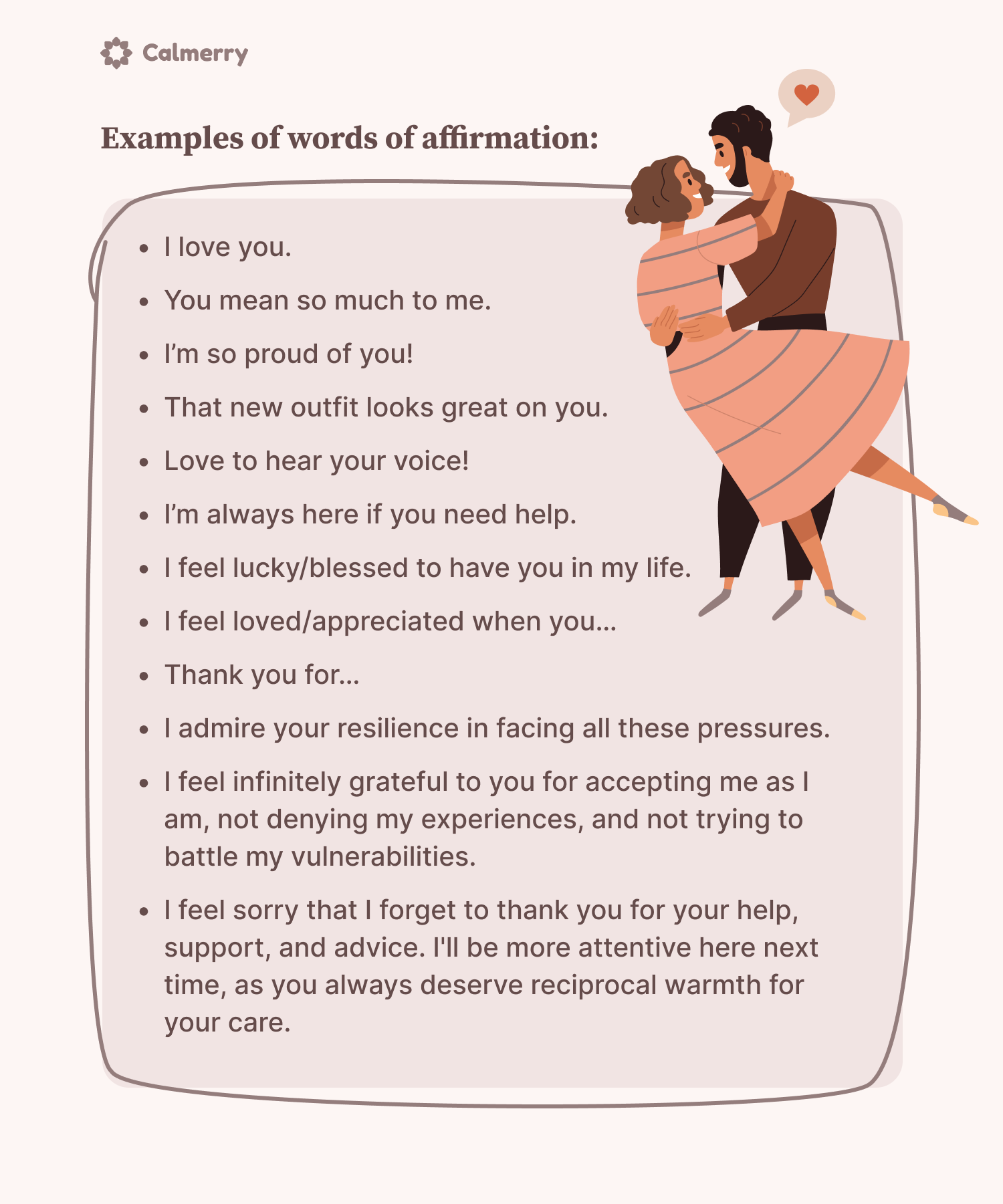
These stories show that affirmation lists can support real, lasting change—not just positive thinking, but positive living.
Credit: calmerry.com
Advanced Tips For Deepening Your Affirmation Practice
If you want to take your affirmation list to the next level, try these strategies:
Visualization
As you say your affirmations, picture them in your mind. Imagine yourself living the words you speak. Visualization makes affirmations more vivid and believable.
Pair With Meditation
Spend a few quiet minutes focusing on your affirmation list during meditation. This deepens your focus and calms your mind, making the affirmations more powerful.
Use Affirmation Apps
There are many apps that can help you organize, schedule, and remind you of your affirmation list throughout the day. They offer notifications, inspiring backgrounds, and even voice recordings.
Share With A Friend
Some people find it helpful to share their affirmation list with a trusted friend or accountability partner. You can support each other and celebrate progress together.
Record Your Own Voice
Recording yourself reading your affirmation list and playing it back can make the words feel more personal and real.
Data: The Impact Of Affirmation Lists In Daily Life
To better understand how affirmation lists affect real people, let’s look at some survey data comparing different self-improvement techniques.
| Technique | Reported Increase in Self-Esteem (%) | Ease of Use (1-10) | Average Time to Notice Results (weeks) |
|---|---|---|---|
| Affirmation Lists | 72 | 9 | 4 |
| Gratitude Journals | 60 | 8 | 6 |
| Meditation | 65 | 7 | 8 |
| Vision Boards | 55 | 6 | 10 |
This comparison shows that affirmation lists are not only effective, but also easy to use and quick to deliver results. Many people begin to feel more confident and positive in less than a month of daily practice.
Non-obvious Insights About Affirmation Lists
While many guides cover the basics, a few insights can help you make the most of your affirmation list:
- Affirmations Reveal Your True Values: Over time, you may notice that the affirmations you keep returning to are connected to your deeper values and life purpose. Use your affirmation list as a way to understand what matters most to you.
- Your List Can Evolve: Don’t be afraid to change your affirmations as your life changes. What inspired you last year may not fit today. Regularly updating your list keeps it fresh and motivating.
- Affirmations Can Be Used in Groups: Families, teams, or support groups can create shared affirmation lists to build unity and support. This can be powerful for group motivation and healing.
- Tone and Rhythm Matter: The way you say your affirmations—your tone of voice, speed, and even your posture—can affect how deeply they resonate. Experiment to find what feels most uplifting.
- Affirmations + Journaling = Stronger Results: Writing a few lines about how each affirmation makes you feel can deepen its impact. This also helps you notice which statements bring the most change.
Frequently Asked Questions
What If I Don’t Believe My Affirmations At First?
It’s normal to feel some doubt in the beginning. Start with affirmations that feel possible, even if they are small. Over time, as you repeat them and take small actions, your belief will grow.
Can I Use Someone Else’s Affirmation List?
You can use examples to get started, but it’s best to personalize your list. Choose or adapt statements that feel true and meaningful for your own life.
How Long Does It Take To See Results From Using An Affirmation List?
Many people notice changes in mood or mindset within a few weeks. For deeper changes, like self-confidence or habit building, it may take a few months of consistent practice.
Is There Any Science Backing The Use Of Affirmation Lists?
Yes, research from psychology and neuroscience supports the use of positive self-affirmations. They have been shown to reduce stress, improve performance, and build resilience. For more, see Wikipedia: Self-affirmation.
Do I Need To Say My Affirmations Out Loud?
Saying affirmations out loud can make them more effective, but you can also write them, think them silently, or even record and listen to them. Choose the method that feels most natural and powerful for you.
Affirmation lists are more than just positive words—they are a tool for self-discovery and growth. By building and using your own list, you take an active role in shaping your thoughts, your feelings, and your future. Start today, and let your affirmation list guide you toward a brighter, more confident tomorrow.
Credit: www.etsy.com
