

What is a Good Affirmation for Health: Transform Your Wellbeing
What Is A Good Affirmation For Health
Feeling healthy is more than just having a strong body. It is also about your mindset. Many people use affirmations to improve their health and well-being. But what makes a good health affirmation? How can you create one that really works? This article will guide you through the meaning, science, and practical use of health affirmations. You will learn how to choose, write, and use the best affirmations for your health goals. Along the way, you will discover real examples, common mistakes, and tips that most beginners miss.
Understanding Affirmations For Health
Affirmations are short, positive statements. You repeat them to yourself, often daily. The purpose is to shape your beliefs and actions. For health, affirmations help you build a strong mindset, boost motivation, and support healthy habits.
A good affirmation is not just any positive phrase. It must connect with your real needs. When you repeat the right words, you can change your attitude and behavior. Many people use affirmations to support recovery from illness, manage stress, or build confidence in their health journey.
The Science Behind Health Affirmations
Research shows that self-affirmation practices can reduce stress and improve well-being. Studies in psychology suggest that repeating positive statements can:
- Lower anxiety
- Boost self-esteem
- Encourage healthy choices
- Support healing
Brain imaging studies found that repeating affirmations activates reward centers in the brain. This means your mind responds to positive self-talk much like it does to actual rewards.
However, affirmations work best when you truly believe them. If you say something you do not believe, it can feel fake or even increase stress. This is why crafting the right affirmation is important.
What Makes A Good Health Affirmation?
Not every health affirmation is effective. Here are key features of a good affirmation:
- Personal: It matches your own health goals and feelings.
- Positive: It uses positive language, avoiding words like “not” or “never.”
- Present tense: It describes your health as if it is happening now.
- Simple: It is easy to remember and repeat.
- Believable: You can accept it as true, or at least possible.
For example, “I am strong and healthy” is a better affirmation than “I will not get sick. ” The first focuses on positive, present qualities. The second uses negative language and future tense.
Comparing Effective Vs. Ineffective Affirmations
Below is a comparison between good and weak health affirmations:
| Effective Affirmations | Weak Affirmations |
|---|---|
| I am full of energy. | I hope I feel better soon. |
| My body heals itself. | I will try not to get sick. |
| I choose healthy foods every day. | I wish I could eat healthier. |
Notice how effective affirmations are clear and confident. Weak affirmations sound uncertain or focus on negatives.

Credit: www.amazon.com
Creating Your Own Health Affirmations
Writing a good affirmation is simple, but it needs thought. Here are steps to help you craft your own:
Step 1: Define Your Health Goal
Think about what you want to improve. Is it more energy? Better sleep? Less stress? Make your goal clear before you start.
Step 2: Choose Positive Words
Use words that show strength, healing, and confidence. Avoid words like “no,” “not,” or “never. ”
Step 3: Use Present Tense
Write your affirmation as if you already have the health you want. This helps your mind accept the statement.
Step 4: Keep It Short
A good affirmation is easy to remember. Use simple sentences.
Step 5: Make It Personal
Use “I” or “my” to connect with yourself.
Example Process
Suppose your goal is to boost your immune system. Instead of saying, “I don’t want to get sick,” you can say, “My body is strong and protects me. ”
If your goal is to manage stress, avoid “I am not stressed. ” Try “I am calm and in control. ”
Common Mistakes When Writing Health Affirmations
Many people make mistakes when creating affirmations:
- Using negative words
- Writing in the future tense (“I will…”)
- Making statements too long or complex
- Creating affirmations that feel unrealistic
These mistakes can make affirmations less effective. Make sure your statement feels true or possible, even if you are not fully healthy yet.
Top Health Affirmations And Their Benefits
Here are some popular health affirmations and how they help:
- I am strong and healthy.
- Builds confidence and motivation for physical activity.
- My body heals itself naturally.
- Supports healing and recovery.
- I choose foods that nourish me.
- Encourages better eating habits.
- Every cell in my body is healthy and vibrant.
- Promotes a sense of inner wellness.
- I breathe deeply and feel relaxed.
- Helps manage stress and anxiety.
- I am grateful for my healthy body.
- Boosts gratitude and positive feelings.
- I enjoy moving and exercising.
- Encourages regular physical activity.
- I am calm and centered.
- Supports mental health and balance.
- I trust my body’s wisdom.
- Builds trust and reduces fear.
- I sleep deeply and wake refreshed.
- Promotes good sleep habits.
Each of these affirmations targets a different area of health. You can use more than one, or combine them to suit your needs.
Health Affirmations For Specific Needs
Some people have special health concerns. You can tailor affirmations for these cases:
For Chronic Pain
“i Am Comfortable And At Ease In My Body.”
For Recovery From Illness
“my Body Is Healing Every Day.”
For Weight Management
“i Make Choices That Support My Healthy Weight.”
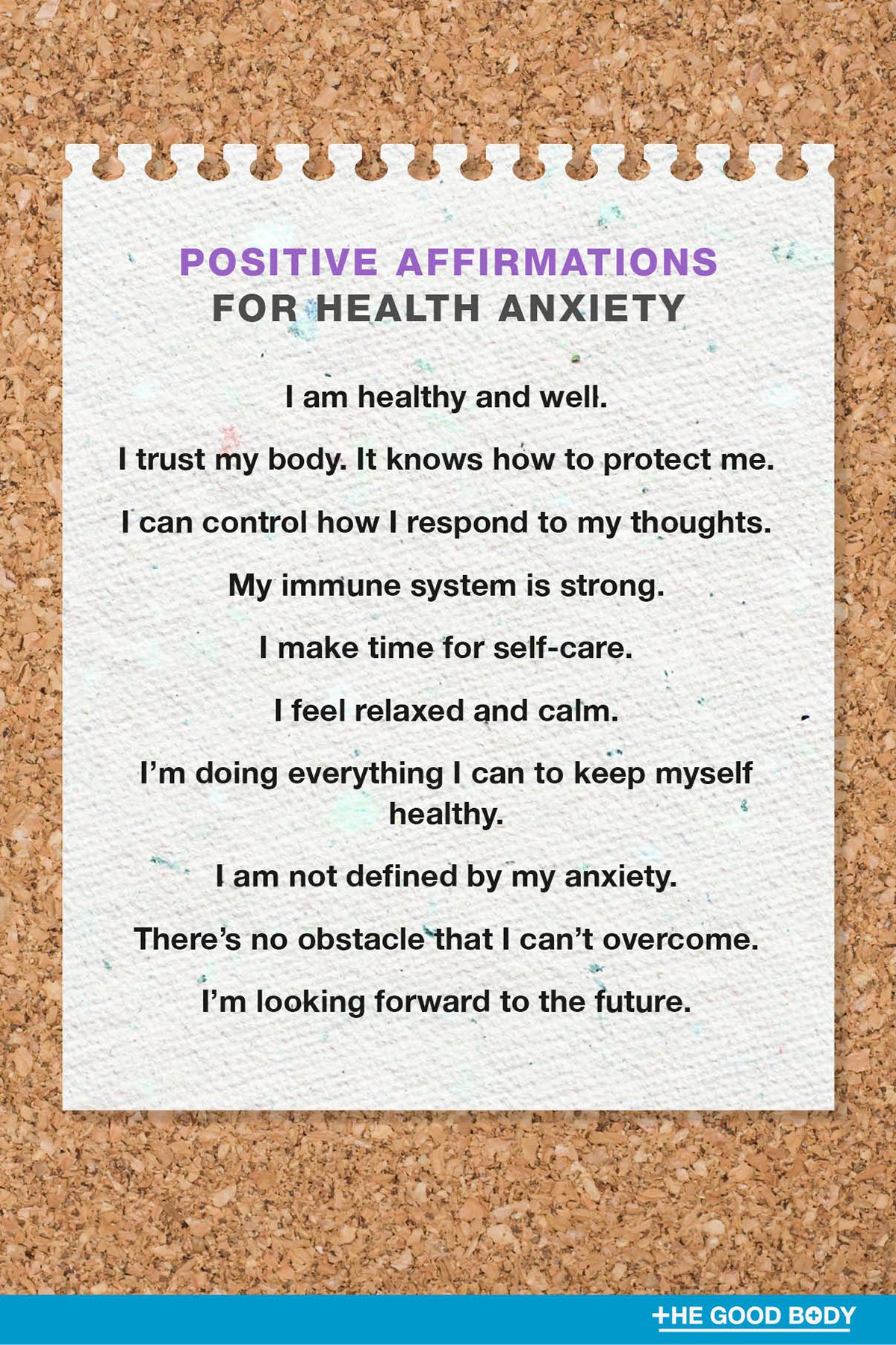
For Anxiety
“i Am Safe And My Mind Is Peaceful.”
Real-life Examples
Maria used the affirmation “I am strong and healthy” while recovering from surgery. She found it helped her focus on positive progress. Even on days she felt weak, the words reminded her of her inner strength.
James struggled with stress at work. He repeated “I am calm and centered” during his breaks. Over time, he noticed his anxiety reduced, and his mood improved.
How To Use Health Affirmations Effectively
Saying affirmations is only part of the process. How and when you use them matters.
Best Times To Use Affirmations
- Morning: Start your day with positive energy.
- Before sleep: Calm your mind for better rest.
- During stressful moments: Remind yourself of your strength.
- While exercising: Boost motivation and focus.
Ways To Practice Affirmations
- Say aloud: Speak your affirmation in a clear, confident voice.
- Write it down: Keep a journal and write your affirmation daily.
- Visualize: Picture yourself living the affirmation.
- Record and listen: Play your own voice repeating the affirmation.
- Post notes: Place sticky notes in visible places (mirror, fridge, desk).
Combining Affirmations With Other Health Habits
Affirmations work best when paired with healthy actions. For example, repeat “I choose foods that nourish me” as you prepare meals. Say “I enjoy moving and exercising” before a workout.
Example Habit Stack
- Drink water in the morning and repeat “I am hydrated and healthy.”
- Stretch and say “I am flexible and strong.”
- Meditate and repeat “I am calm and centered.”
Measuring Results
You may wonder how to know if affirmations are working. Here are ways to track progress:
- Keep a journal of your health goals and feelings.
- Note changes in mood, energy, or behavior.
- Ask yourself: Do I feel more positive? Am I making healthier choices?
Most people notice subtle changes over time. Affirmations are not magic, but they help shift your mindset and build new habits.
Why Affirmations Sometimes Don’t Work
Some people try affirmations but feel no change. Here are reasons why they may not work:
Lack Of Belief
If you do not believe the affirmation, your mind may resist it. Choose statements that feel possible, even if you are not fully healthy yet.
Inconsistent Practice
Repeating an affirmation once or twice is not enough. Make it a daily habit.
Ignoring Actions
Affirmations alone cannot change your health. You must also take action. Eat well, exercise, rest, and follow medical advice.
Overly Generic Statements
Vague affirmations like “I am healthy” may not connect with your real needs. Make your statement specific to your goal.
Emotional Resistance
Sometimes, deep fears or doubts block affirmations. If you struggle, try talking to a counselor or therapist. Support from others can help you use affirmations more effectively.
Data: Health Affirmations And Wellness Outcomes
Many wellness programs use affirmations as part of their approach. Below is a comparison of health outcomes with and without regular affirmation practice:
| Group | Reported Stress Level | Self-Esteem | Healthy Habit Adoption |
|---|---|---|---|
| Uses Affirmations Daily | Lower | Higher | More frequent |
| Does Not Use Affirmations | Higher | Lower | Less frequent |
This data shows that people who use affirmations often report better mental health and are more likely to adopt healthy habits.
Health Affirmations For Children And Teens
Affirmations are not just for adults. Children and teens can also benefit. Teaching them to use positive statements helps build self-esteem and healthy habits early.
How To Use Affirmations With Kids
- Make statements simple and fun.
- Use words they understand.
- Repeat together as a family.
- Link affirmations to daily routines.
Examples For Kids
- “I am strong and healthy.”
- “I make good choices for my body.”
- “I am brave and calm.”
Parents can help by modeling positive self-talk. This builds a family culture of health and confidence.
Non-obvious Insights: What Beginners Often Miss
1. Affirmations Can Be Linked To Physical Cues
Pair your affirmation with a physical action. For example, touch your heart as you say “I am grateful for my healthy body. ” This creates a stronger mind-body connection.
2. Visualizing Your Affirmation Makes It More Powerful
Do not just say the words. Imagine yourself living them. Picture feeling healthy, active, or peaceful. Visualization helps your brain accept the statement as real.
3. Change Your Affirmation Over Time
As your health improves, update your affirmation. If you start with “I am healing,” you may later use “I am full of energy. ” Adjusting keeps your practice fresh and meaningful.
Health Affirmations In Different Cultures
Affirmations are used around the world. Some cultures use prayer, chanting, or mantra. The idea is similar: repeating positive words shapes beliefs and actions.
For example, yoga uses mantras to focus the mind and support wellness. In mindfulness meditation, people use phrases like “May I be healthy. ” The goal is to build self-compassion and strength.
Comparison Of Affirmation Practices
| Culture/Practice | Typical Affirmation Method | Main Benefit |
|---|---|---|
| Western (Self-Affirmation) | Personal positive statements | Self-esteem, habit change |
| Yoga/India | Mantras (chanting) | Mental focus, relaxation |
| Buddhism | Compassion phrases | Inner peace, self-compassion |
Learning from different cultures can enrich your own affirmation practice.
Using Technology To Support Health Affirmations
Technology makes it easier to use affirmations. There are apps, websites, and audio recordings that help you practice.
Popular Tools
- Mobile apps: Remind you to repeat your affirmation.
- Audio tracks: Recordings of affirmations for meditation.
- Wearables: Devices that prompt healthy habits and positive self-talk.
You can set reminders or alarms to practice affirmations during your day. Some apps let you track your mood and progress.
Integrating Affirmations Into Medical Treatment
Some doctors and therapists support affirmation use. While affirmations cannot replace medical care, they can help patients feel empowered.
How Affirmations Support Healing
- Reduce stress before surgery or treatment
- Build confidence during recovery
- Support mental health in chronic illness
Patients who use affirmations may feel more in control of their health journey. This can lead to better cooperation with treatment and improved outcomes.
Credit: www.thegoodbody.com
Practical Tips For Starting Your Affirmation Practice
Starting a new habit is not always easy. Here are tips to help you begin and keep going:
- Start small: Pick one affirmation and repeat it for a week.
- Set reminders: Use your phone or sticky notes.
- Be patient: Changes take time; do not expect instant results.
- Share with others: Practice with family or friends.
- Combine with action: Link affirmations to healthy behaviors.
- Celebrate progress: Notice small improvements and reward yourself.
If you miss a day, do not give up. Affirmation practice is flexible. The most important thing is consistency.
Frequently Asked Questions
What Is The Best Affirmation For Health?
The best affirmation is personal and positive. For most people, “I am strong and healthy” or “My body heals itself naturally” works well. Choose one that matches your needs and feels true to you.
How Often Should I Repeat Health Affirmations?
Repeating affirmations daily gives the best results. You can say them in the morning, before sleep, or any time you need support. Consistency is key.
Can Affirmations Cure Illness?
Affirmations support mental and emotional health. They do not replace medical treatment. Always follow your doctor’s advice. Affirmations help you stay positive and take action.
Should I Use Different Affirmations For Mental And Physical Health?
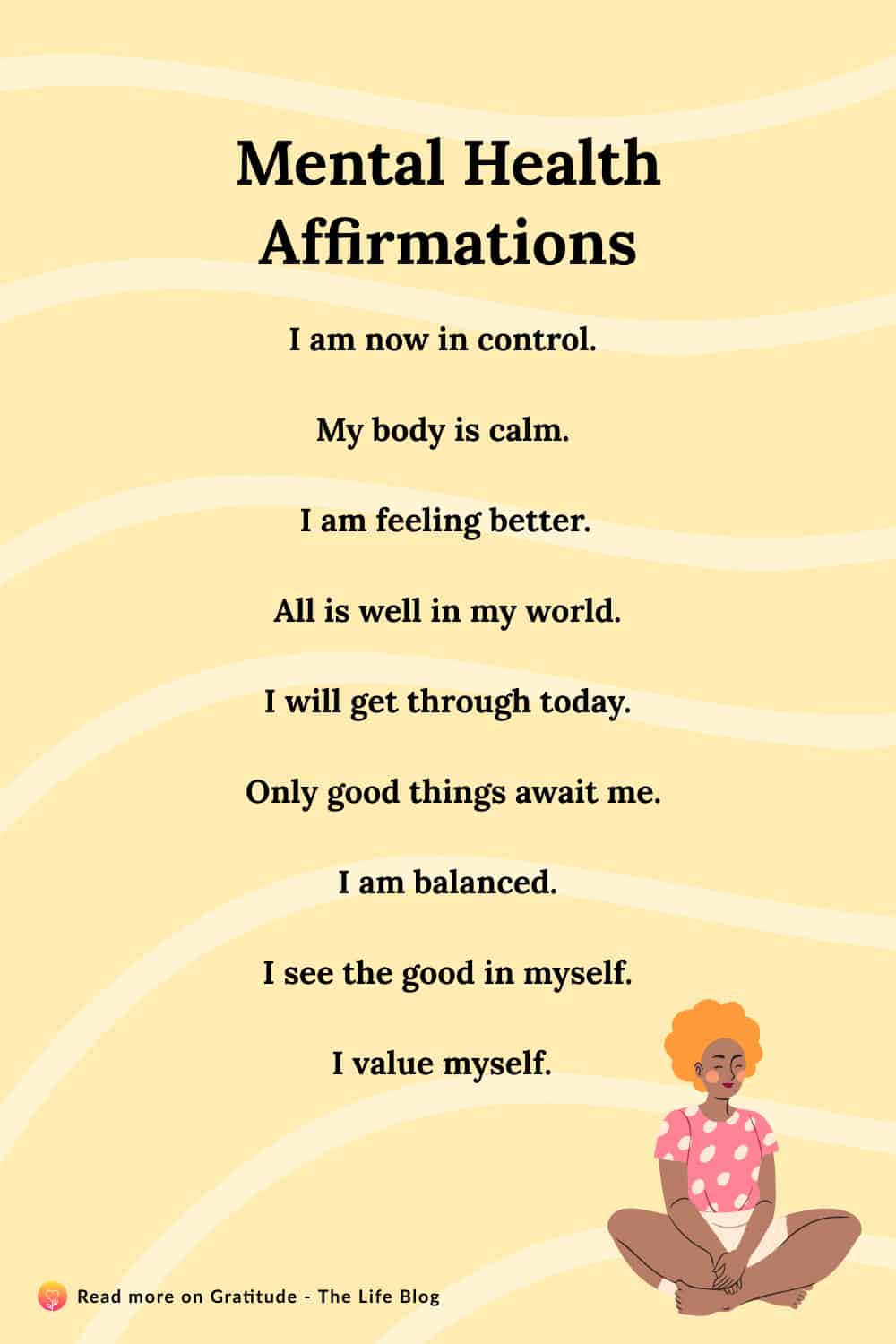
Yes. Mental health affirmations focus on calm, confidence, and peace. Physical health affirmations target strength, healing, and energy. You can use both, or combine them, depending on your goals.
Where Can I Find More Scientific Information About Affirmations?
You can read research on affirmations and health at Psychology Today. This site offers articles and studies on how affirmations support wellness.
Creating and using health affirmations is a powerful way to improve your mindset and well-being. The right affirmation can boost confidence, support healing, and help you build healthy habits. Choose statements that match your goals, repeat them daily, and combine them with action.
With time and patience, affirmations can become a valuable part of your health journey.
Credit: blog.gratefulness.me
