

What Do Morning Affirmations Do? Unlock Your Day’s Full Potential
What Do Morning Affirmations Do
Starting your day with purpose can change everything. Imagine waking up, feeling tired or stressed, and instead of letting those feelings take over, you take a moment to say something positive to yourself. This is what morning affirmations are about. They are simple statements you repeat each morning. But what do morning affirmations really do? How can a few words said in the morning make a difference to your day, or even your life? Many people use affirmations to boost confidence, focus, and happiness. Science and psychology also suggest that these short sentences can shape your thoughts, emotions, and actions. In this article, we will explore how morning affirmations work, why they matter, and how you can use them to create a better start every day.
What Are Morning Affirmations?
Morning affirmations are positive statements you say to yourself after waking up. They can be about anything—your goals, your abilities, your health, or even your mood. The main idea is to focus your mind on positive thoughts rather than negative ones. Some people write them down, others say them aloud, and some repeat them silently. For example, you might say, “I am confident,” or “Today will be a good day.” These phrases may seem simple, but they have a real effect on how you think and feel.
How Do Morning Affirmations Work?
When you repeat a positive statement, your brain starts to believe it, especially if you do this regularly. This is called self-affirmation theory. The theory suggests that when you affirm your values, you protect yourself from stress and negative thoughts. Morning affirmations help you start your day with a positive mindset. This can change how you respond to challenges and how you see yourself.
Examples Of Morning Affirmations
Here are some common morning affirmations:
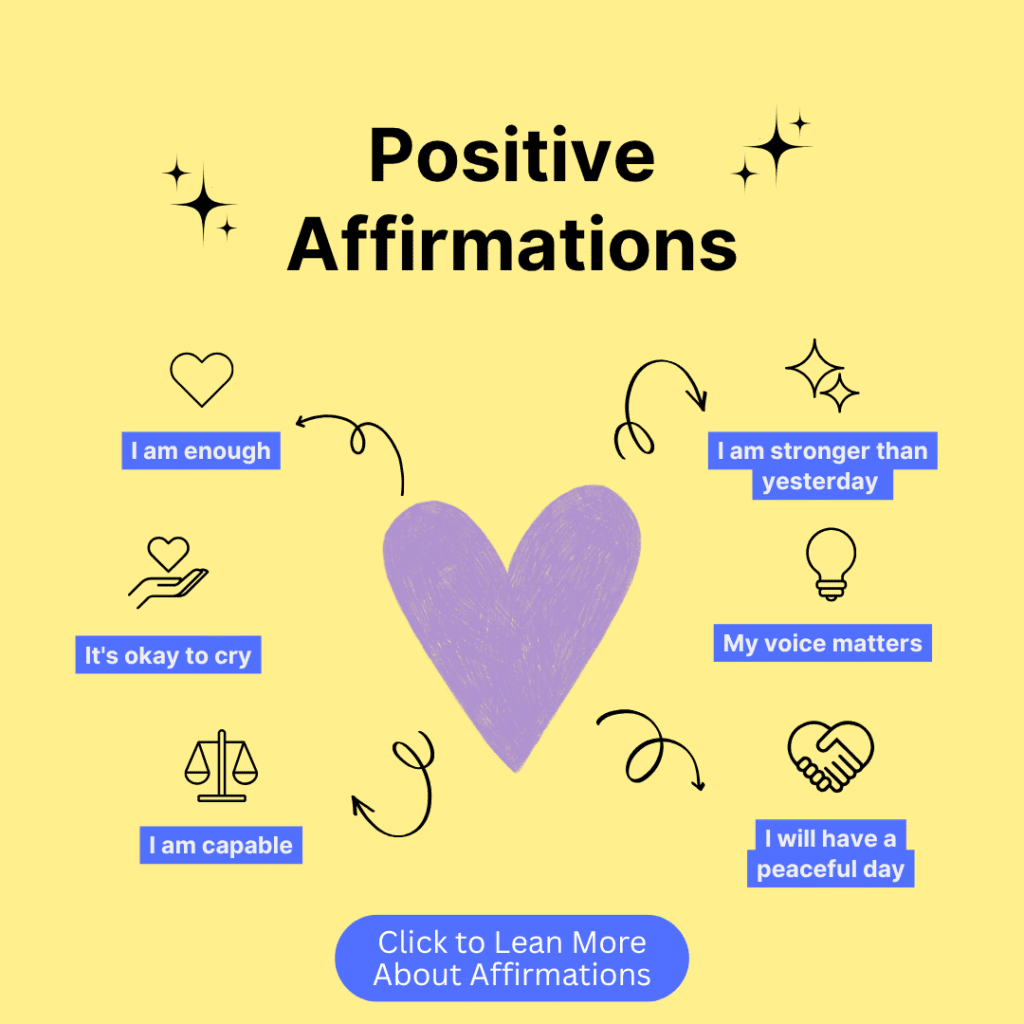
- “I am strong and capable.”
- “I deserve happiness.”
- “I will be productive today.”
- “I am grateful for this new day.”
- “I trust myself to make good decisions.”
You can create your own affirmations based on what you want to improve or how you want to feel.
The Science Behind Morning Affirmations
Many people believe in the power of affirmations, but is there real evidence behind their effect? Research in psychology shows that positive self-talk can change your mood, reduce stress, and even improve physical health.
Self-affirmation Theory
Self-affirmation theory explains why affirmations work. When you say something positive about yourself, you remind your brain of your strengths and values. This helps you face difficult situations with more confidence. Studies show that people who practice self-affirmation feel less stressed and more motivated.
Neuroplasticity And Thought Patterns
Your brain changes with experience. This is called neuroplasticity. When you repeat positive statements, you create new pathways in your brain. Over time, these pathways become stronger, making positive thinking more natural. Negative thought patterns can be replaced with positive ones. Regular morning affirmations help train your mind to focus on what’s good, not what’s bad.
Stress Reduction
Research has found that affirmations can lower stress levels. When you start your day with a positive mindset, you are less likely to feel overwhelmed. One study showed that people who used affirmations before stressful tasks had lower levels of the stress hormone cortisol.
Performance And Motivation
Affirmations can improve performance. Athletes, students, and professionals use them to increase motivation and stay focused. For example, a student who says, “I am prepared for this test,” feels more confident and performs better.
Real Data On Affirmations
Let’s compare the effect of affirmations on stress and motivation in a table:
| Group | Used Affirmations | Stress Level (Average) | Motivation Score |
|---|---|---|---|
| Control | No | 7.5 | 5.2 |
| Test | Yes | 5.1 | 8.4 |
The group using morning affirmations had lower stress and higher motivation scores, showing their real impact.
Benefits Of Morning Affirmations
Morning affirmations offer many benefits, both short-term and long-term. Let’s explore these effects in detail.
Improved Mood
Starting your day with positive words lifts your mood. You feel happier, more relaxed, and ready to face the day. Even if you wake up feeling low, affirmations can help you feel better quickly.
Increased Confidence
Repeating affirmations builds self-confidence. When you tell yourself, “I am capable,” your mind starts to believe it. This can help you take on new challenges and trust your abilities.
Better Focus And Productivity
Morning affirmations help you set your intention for the day. You can focus on what matters and avoid distractions. People who use affirmations often report higher productivity.
Reduced Anxiety
Affirmations calm your mind. When you start the day with positive thoughts, you worry less. You feel more in control, and less anxious about what could go wrong.
Enhanced Resilience
Resilience means bouncing back from difficulties. Morning affirmations remind you of your strengths. You become more resilient, facing challenges without giving up.
Healthier Relationships
When you feel good about yourself, you relate better to others. Affirmations like, “I am kind,” or “I am a good friend,” can improve your social interactions.
How Morning Affirmations Shape Your Day
Morning affirmations do more than just change your mood. They shape your thoughts, actions, and results throughout the day.
Setting Your Mindset
Your mindset is how you see the world. If you start your day with positive thoughts, your mindset becomes optimistic. You notice opportunities instead of problems.
Creating A Routine
Repeating affirmations every morning creates a routine. This routine gives structure to your day. You feel less rushed and more organized.
Guiding Your Actions
When you say, “I will be productive,” you are more likely to take actions that match this goal. Affirmations guide your choices and behaviors.
Example: A Day With Morning Affirmations
Let’s look at two different mornings.
| Without Affirmations | With Affirmations |
|---|---|
| Wakes up feeling tired | Wakes up, says “I am energized” |
| Focuses on worries | Focuses on possibilities |
| Feels stressed about work | Feels confident about tasks |
| Has low motivation | Feels motivated to start |
| Ends day feeling drained | Ends day feeling accomplished |
This example shows how affirmations can change your experience from start to finish.

Credit: aapsychiatry.com
How To Create Effective Morning Affirmations
Not all affirmations work the same way. To get the best results, you need to create affirmations that fit your goals and personality.
Tips For Creating Affirmations
- Use Positive Words: Avoid negative phrasing. Instead of “I won’t fail,” say, “I will succeed.”
- Keep It Short: Simple statements are easier to remember and repeat.
- Be Specific: Tailor affirmations to your needs. For example, “I am confident speaking in meetings.”
- Use Present Tense: Say “I am,” not “I will be.” This helps your brain believe it’s true now.
- Focus on What You Want: Choose words that match your goals and values.
Common Mistakes To Avoid
- Using vague statements like “I am happy” without meaning.
- Not believing in what you say. Your affirmations must feel true or possible.
- Changing affirmations too often. Consistency is important.
- Repeating them without emotion. Feel the words as you say them.
Personalized Affirmations
Your affirmations should reflect your personal goals. For example, if you want to be healthier, say, “I am taking care of my body. ” If you want to feel less anxious, say, “I am calm and relaxed. ”
How To Practice Morning Affirmations
To get the most out of morning affirmations, you need a simple routine. Here’s how you can practice them every day.
Step-by-step Routine
- Wake Up Early: Give yourself a few minutes before starting your day.
- Find a Quiet Place: Sit or stand where you can focus.
- Take Deep Breaths: This helps you relax and concentrate.
- Repeat Your Affirmations: Say them aloud or silently, 3–5 times.
- Visualize Success: Imagine yourself living your affirmation.
- Write Them Down: Keeping a journal can make affirmations stronger.
- Start Your Day: Carry the positive feelings into your activities.
Practical Example
Let’s say you want to feel more confident. Your routine might look like this:
- Sit by your window.
- Take three deep breaths.
- Say, “I am confident and ready for today.”
- Picture yourself doing well at work or school.
- Write the affirmation in your notebook.
- Begin your morning.
Using Technology
Apps and smart devices can help you remember your affirmations. Some apps send daily reminders, others let you record your voice. This can make your routine easier.
Credit: aapsychiatry.com
Morning Affirmations Vs Other Self-help Methods
Morning affirmations are one tool among many for improving your mindset. Let’s compare them to other common methods.
| Method | How It Works | Main Benefit | Best For |
|---|---|---|---|
| Morning Affirmations | Positive statements repeated daily | Boosts mood, confidence | Quick, easy start |
| Meditation | Focuses on breathing and awareness | Reduces stress | Calming the mind |
| Gratitude Journaling | Lists things you’re thankful for | Increases positivity | Building appreciation |
| Visualization | Imagines goals achieved | Improves motivation | Goal-setting |
| Exercise | Physical activity | Boosts energy | Health and mood |
Each method has its own strengths. Morning affirmations are easy to start, require no special tools, and can be combined with other practices.
Common Challenges And Solutions
Starting a new habit is never easy. Many people face challenges when using morning affirmations. Here’s how to overcome them.
Challenge: Not Believing The Words
If your affirmation feels fake, it won’t work. You need to choose statements that are believable or at least possible. For example, instead of “I am rich,” try “I am working towards financial stability. ”
Challenge: Forgetting To Practice
It’s easy to skip affirmations when you’re busy. Set reminders, use sticky notes, or ask a friend to help you stay consistent.
Challenge: Feeling No Change
Results may take time. Don’t expect instant transformation. Keep practicing for at least a few weeks. If you still feel no change, try new affirmations or combine with other self-help methods.
Challenge: Negative Self-talk
If you catch yourself thinking negative thoughts, pause and repeat your affirmation. This helps shift your mindset.

Credit: www.choosingtherapy.com
Non-obvious Insights About Morning Affirmations
Many people miss a few key points when starting with morning affirmations.
Insight 1: Affirmations Work Best When Linked To Action
Saying positive words is helpful, but results come when you act on them. If you say, “I am productive,” also plan your tasks and follow through. Linking your affirmation to real actions makes it more powerful.
Insight 2: Affirmations Can Help With Physical Health
Most people use affirmations for mental or emotional reasons. But research shows they can also help with physical health. Positive self-talk can lower blood pressure, improve sleep, and boost immune function.
Insight 3: Combining Affirmations With Gratitude
If you use affirmations and gratitude together, you get better results. For example, say, “I am grateful for my health,” and “I am becoming healthier every day. ” This combination makes your mindset stronger.
Insight 4: Morning Affirmations Impact Others Around You
When you start your day with positivity, you influence people near you. Your mood, behavior, and words can lift others. This is especially true for parents, teachers, or leaders.
Insight 5: Affirmations Can Change Over Time
Your needs change, so your affirmations should too. Review your statements every few months and update them to match your goals.
Real-life Examples Of Morning Affirmations
Morning affirmations are used by people from many backgrounds. Here are some real-life examples:
Example 1: Student Facing Exams
A student feels anxious about tests. She starts saying, “I am prepared and calm. ” After a few weeks, her stress drops, and her grades improve.
Example 2: Professional Wanting More Confidence
A manager feels nervous in meetings. He uses, “I speak clearly and confidently. ” Over time, he becomes more relaxed and effective.
Example 3: Person Recovering From Illness
A patient recovering from surgery says, “I am healing every day. ” The affirmation helps him stay hopeful and motivated during recovery.
Example 4: Parent Feeling Overwhelmed
A busy parent uses, “I handle challenges with patience. ” The affirmation helps her stay calm and positive with her children.
These examples show how morning affirmations fit different needs and situations.
Measuring The Impact Of Morning Affirmations
You may wonder if affirmations are really working for you. Here’s how to measure their impact:
Self-assessment
Keep a journal. Write how you feel before and after saying your affirmations. Look for changes in mood, confidence, and productivity.
Ask Others
Sometimes, others notice changes before you do. Ask friends or family if they see any difference in your behavior.
Track Your Goals
If your affirmation is about a goal, track your progress. For example, if you want to be more productive, measure how many tasks you finish each day.
Use Technology
Some apps let you track your mood and habits. Check your progress over weeks or months.
Frequently Asked Questions
What Is The Best Time To Say Morning Affirmations?
The best time is right after you wake up. Your mind is fresh, and you can set your intention for the day. You can also repeat them during your morning routine, like while brushing your teeth or eating breakfast.
How Many Affirmations Should I Use Each Morning?
Start with 1–3 affirmations. This keeps your routine simple and focused. Too many can feel overwhelming and lose impact.
Do I Need To Say Affirmations Aloud?
It’s helpful to say them aloud, but you can also repeat them silently or write them down. The key is to focus and believe in the words.
Can Morning Affirmations Help With Anxiety?
Yes, affirmations can reduce anxiety. Positive self-talk calms your mind and helps you feel more in control. Combine affirmations with breathing exercises for best results.
Are Morning Affirmations Based On Science?
Yes, research supports the idea that positive self-talk and affirmations can improve mood, reduce stress, and boost motivation. For more details, you can read studies on Psychology Today.
Starting your day with morning affirmations is a simple habit, but it can have a big impact. You shape your mindset, boost your mood, and prepare for challenges. Whether you want more confidence, less stress, or a better outlook, affirmations offer a practical tool.
Remember, the most important step is to believe in your words and link them to positive actions. Try adding morning affirmations to your routine and notice how your days—and your life—begin to change.
