

What are Morning Affirmations: Boost Your Day with Positive Energy
What Are Morning Affirmations
Starting your day can feel hard. Sometimes, you wake up tired, worried, or simply not ready to face the world. But what if you could change your mood and mindset in just a few minutes? This is where morning affirmations come in. These simple, positive statements can help you feel stronger, happier, and more focused. Many people use them to boost their confidence, reduce stress, and set the tone for a successful day. In this article, you’ll discover what morning affirmations are, how they work, practical ways to use them, and why they’re more than just words. Whether you’re new to affirmations or already curious, you’ll find clear answers and real-life examples to help you get started.
Understanding Morning Affirmations
Morning affirmations are positive phrases you say to yourself when you wake up. They are designed to help you change your thoughts, feelings, and actions. The main goal is to start your day with hope, confidence, and motivation.
For example:
- "I am ready for today."
- "I believe in myself."
- "I will handle challenges calmly."
These phrases are not magic spells. Instead, they help you focus on your strengths and goals. By repeating them, you train your mind to think positively.
Why Mornings Matter
Mornings are important because your first thoughts can affect your whole day. If you wake up feeling anxious, your mind may stay worried. If you start with positive affirmations, you set a strong foundation for your mood and decisions. Many experts say the first hour after waking is the best time to influence your mindset. This is when your brain is fresh and open to new ideas.
How Affirmations Work
Affirmations use the power of repetition. When you say something positive again and again, your brain starts to believe it. This process is called neuroplasticity—your brain changes and grows with new habits. Research shows that positive self-talk can improve your confidence, lower stress, and even help you reach your goals faster.
Common Misconceptions
Some people think affirmations are just wishful thinking. But studies show that positive statements can make real changes in your brain and behavior. The key is to use affirmations that feel true and believable, not just empty words. Also, affirmations work best when you combine them with action.
If you say, "I am healthy," you should also make healthy choices.
Benefits Of Morning Affirmations
Morning affirmations offer many benefits that can improve your life. Here’s how they help:
- Boost Confidence: Saying positive statements about yourself makes you feel stronger and more capable.
- Reduce Stress: Affirmations calm your mind and help you face problems with less worry.
- Increase Motivation: They inspire you to take action, try new things, and stay focused on your goals.
- Improve Mood: Positive self-talk lifts your spirits and helps you feel happier.
- Build Resilience: When you face difficulties, affirmations remind you of your strengths.
- Promote Self-Awareness: They help you notice your thoughts and feelings, so you can change negative patterns.
- Enhance Productivity: Starting with a positive mindset can make you more efficient and creative.
Real-life Examples
Imagine a student who feels nervous about exams. By saying, "I am prepared and confident," the student starts to feel calm and focused. Or think of someone dealing with work stress. Morning affirmations like, "I can handle challenges," help them stay positive and productive.
Data On Affirmation Benefits
Here’s a comparison of how morning affirmations affect different areas of life:
| Benefit | With Affirmations | Without Affirmations |
|---|---|---|
| Confidence | High | Low |
| Stress | Reduced | Increased |
| Motivation | Strong | Weak |
| Productivity | Improved | Unchanged |
Studies suggest that people who use affirmations regularly report better moods, less anxiety, and higher self-esteem. In one survey, nearly 70% of users said affirmations helped them feel more positive during the day.
How To Create Effective Morning Affirmations
Not all affirmations are equal. To get the most benefit, you need to make your affirmations personal and meaningful. Here’s how:
1. Keep It Simple And Clear
Use short, easy-to-understand phrases. Avoid complicated words or ideas.
- "I am calm."
- "I am capable."
- "Today is a new chance."
2. Make It Positive
Focus on what you want, not what you don’t want. For example, say "I am strong," instead of "I am not weak. "
3. Use Present Tense
Say your affirmations as if they are true right now. This helps your brain believe them.
- "I am confident," not "I will be confident."
4. Be Specific
Tailor your affirmations to your needs. If you want to improve your health, say, "I choose healthy foods today. "
5. Believe In Your Words
Your affirmations should feel honest. If you don’t believe them, adjust the wording until it feels right. For example, instead of "I am rich," you might say, "I am open to new opportunities. "
Sample Affirmations
Here are some examples for different situations:
- For confidence: "I trust myself."
- For stress: "I breathe deeply and relax."
- For motivation: "I am ready to achieve my goals."
- For relationships: "I show kindness to others."
- For health: "I take care of my body."
Common Mistakes
Beginners often make mistakes with affirmations. Here are some to avoid:
- Too Vague: "I am happy." Try, "I find joy in small things today."
- Negative Words: "I am not afraid." Try, "I am brave."
- Future Tense: "I will be successful." Try, "I am successful now."
- Unrealistic Claims: "I have everything I want." Try, "I am grateful for what I have."
How To Practice Morning Affirmations
Using morning affirmations is simple, but a few tips can help you make it a habit.
Step-by-step Guide
- Choose Your Affirmations: Write down 2–5 phrases that fit your needs.
- Find a Quiet Place: Stand or sit somewhere comfortable.
- Take Deep Breaths: Calm your mind before you start.
- Speak Clearly: Say your affirmations out loud. If you can’t, whisper or think them silently.
- Repeat: Say each phrase at least 3 times.
- Visualize: Imagine the words are true. Feel the emotion behind them.
- Start Your Day: Begin your morning tasks with a positive mindset.
How Long Should It Take?
Most people spend 2–5 minutes on morning affirmations. The key is consistency. Doing it every day is more important than spending lots of time.
Practical Examples
A teacher might say, "I inspire my students," before starting work. An athlete could use, "I am strong and focused," before training. Even busy parents can use affirmations like, "I am patient and loving," to set the tone for their day.
Using Technology
You can use apps, journals, or sticky notes to help remember your affirmations. Some people record their affirmations and play them while getting ready.

Credit: aapsychiatry.com
Comparing Morning Affirmations With Other Mindset Tools
Morning affirmations are just one way to improve your mindset. How do they compare with other tools, like meditation or visualization?
| Tool | Main Benefit | Time Needed | Skill Level |
|---|---|---|---|
| Morning Affirmations | Boost positivity | 2–5 minutes | Beginner |
| Meditation | Calm mind | 10–30 minutes | Intermediate |
| Visualization | Increase motivation | 5–15 minutes | Beginner |
| Journaling | Self-awareness | 10–20 minutes | Beginner |
Affirmations are easy to learn and require little time. Meditation and visualization also help, but may take longer and need more practice. You can combine these tools for even better results.
Scientific Evidence And Research
Many people want to know if affirmations really work. Science offers some answers.
Brain Changes
Researchers have found that positive self-talk can change brain activity. Areas linked to self-esteem and motivation become more active. This helps you believe in yourself and try new things.
Stress Reduction
Studies show that people who use affirmations have lower cortisol (stress hormone) levels. They feel calmer and handle problems better.
Performance Boost
In one experiment, people who used affirmations before a test performed better than those who didn’t. They felt less nervous and more confident.
Data Table: Affirmation Outcomes
Here’s a look at research findings:
| Outcome | With Affirmations | Without Affirmations |
|---|---|---|
| Self-Esteem | Improved | Unchanged |
| Stress Levels | Lower | Higher |
| Performance | Better | Poorer |
| Resilience | Strong | Weak |
If you want to explore more research, you can read studies from trusted sources like National Institutes of Health.
Choosing The Right Affirmations For Yourself
Everyone is different. The best affirmations are those that match your personality, goals, and challenges.
How To Personalize Your Affirmations
- Think About Your Needs: What do you want to improve? Confidence, health, relationships?
- Write Down Your Goals: Make a list of things you wish to change.
- Match Affirmations to Goals: For each goal, write a positive statement.
- Check Your Feelings: If an affirmation feels strange, adjust it. Make sure you believe what you say.
Examples For Different People
- Students: "I learn new things easily."
- Workers: "I am productive and focused."
- Parents: "I am patient and caring."
- Athletes: "I push myself to improve."
- Artists: "I am creative and inspired."
Adjusting Over Time
Your needs may change. Review your affirmations every few weeks. Update them as your goals or feelings change. This keeps your practice fresh and effective.
Morning Affirmations For Specific Challenges
Sometimes, you face tough situations. Morning affirmations can help you overcome these challenges.
For Anxiety
- "I am safe and calm."
- "I trust myself to handle today."
For Low Motivation
- "I am excited about new opportunities."
- "I move forward with energy."
For Difficult Relationships
- "I listen with kindness."
- "I respect myself and others."
For Health Issues
- "I take care of my body."
- "I am healing every day."
For Money Worries
- "I am open to abundance."
- "I make wise choices."
Affirmations give you hope and strength. Even when life is hard, you can use them to remind yourself of your abilities.
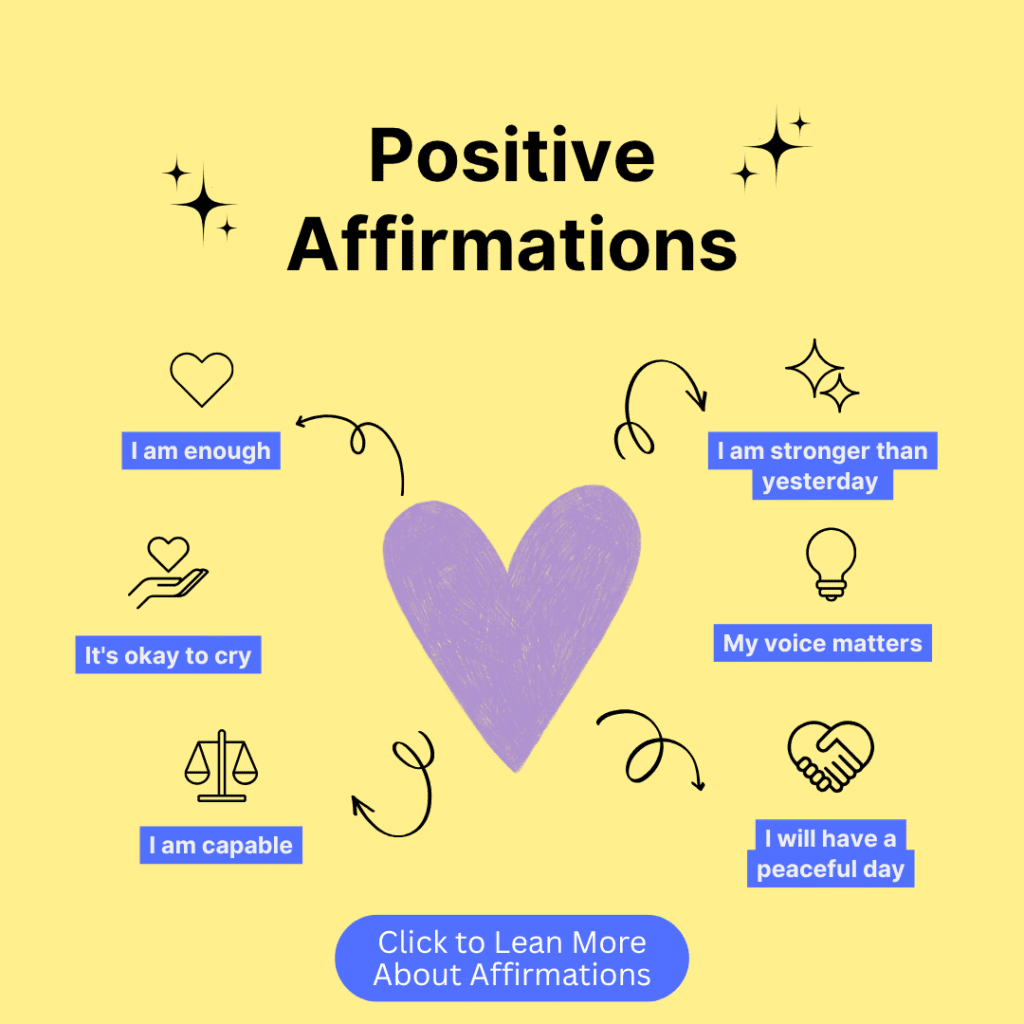
Credit: aapsychiatry.com
Mistakes To Avoid With Morning Affirmations
Affirmations work best when used correctly. Here are some common mistakes:
- Using Negative Words: Always focus on positive statements.
- Not Believing: If you don’t believe the words, change them.
- Skipping Days: Affirmations need daily practice.
- Choosing Too Many: Start with a few, not a long list.
- Ignoring Action: Pair affirmations with real steps.
Beginners often think affirmations alone will change their life. But you must also act. For example, saying "I am healthy" works best if you also eat well and exercise.
Adding Affirmations To Your Routine
Making morning affirmations a habit can take time, but simple strategies help.
Tips For Consistency
- Set a Reminder: Use your phone or calendar.
- Write in a Journal: Keep your affirmations visible.
- Pair with Another Habit: Say affirmations while brushing your teeth.
- Ask a Friend: Practice together for support.
- Reward Yourself: Celebrate small wins.
Real-life Insight
Many people give up after a few days. But research shows it takes about three weeks to build a habit. Be patient and keep going, even if you miss a day.
Using Affirmations For Children And Teens
Affirmations are not just for adults. Children and teens can benefit too.
How To Teach Kids
- Use simple words.
- Make it fun—use songs or games.
- Repeat daily.
- Encourage self-expression.
Examples For Kids
- "I am smart."
- "I am kind."
- "I can try new things."
Benefits For Young People
Kids who use affirmations feel more confident and less anxious. They learn to handle stress and make better choices.
Myths And Truths About Morning Affirmations
There are many myths about affirmations. Here’s what’s true and what’s not.
Myth 1: Affirmations Are Only For Positive People
Truth: Anyone can use affirmations, even if you feel negative.
Myth 2: You Must Believe 100% Right Away
Truth: Belief grows with practice. Start small.
Myth 3: Affirmations Are A Quick Fix
Truth: They help over time. Combine with action for best results.
Myth 4: Affirmations Don’t Work For Serious Problems
Truth: They support you during tough times, but may not solve everything.
Understanding these truths helps you use affirmations wisely.

Credit: janejacksoncoach.com
Combining Affirmations With Other Practices
For stronger results, you can mix morning affirmations with other habits.
Meditation
Start with deep breathing, then say your affirmations.
Journaling
Write your affirmations in a notebook each morning.
Visualization
Imagine the positive outcomes while saying your affirmations.
Exercise
Repeat your affirmations during a walk or workout.
Combining practices helps your brain and body work together.
Non-obvious Insights Beginners Miss
- Emotional Connection: Saying affirmations is more powerful when you feel the emotion behind the words. Don’t just repeat—try to really connect with the message.
- Small Changes Matter: You don’t need a huge life change. Even small shifts in thinking can improve your mood and actions.
- Timing Matters: The first few minutes after waking are ideal. Your brain is more open and less distracted.
- Affirmations Can Change Over Time: Adjust your phrases as you grow. What works now may not work later.
Most beginners overlook these points. Paying attention to them makes your affirmation practice more effective.
Frequently Asked Questions
What Are Morning Affirmations?
Morning affirmations are positive statements you say to yourself at the start of the day. They help you build confidence, reduce stress, and set a positive tone for your actions and thoughts.
How Do I Know If My Affirmations Are Working?
You’ll notice changes in your mood, confidence, and behavior. If you feel happier and more motivated, your affirmations are working. It may take a few weeks to see clear results.
Can I Use Morning Affirmations For Specific Goals?
Yes. You can create affirmations for health, success, relationships, or any goal. Just make sure your statements are clear, positive, and in the present tense.
Should I Say Affirmations Out Loud Or Silently?
Both ways work. Saying them out loud helps you focus, but silent repetition is also effective. Choose what feels comfortable for you.
How Many Affirmations Should I Use Each Morning?
Start with 2–5 affirmations. This keeps your practice simple and easy to remember. You can add more as you get comfortable.
Morning affirmations are a simple but powerful tool. They help you start your day with confidence, hope, and motivation. Whether you’re facing challenges or just want to feel better, affirmations can guide your thoughts and actions. By practicing daily and choosing words that fit your needs, you build a stronger, happier mindset.
Remember, real change happens with patience, belief, and action. Try morning affirmations for yourself and see how your days improve.
