

Top 10 Best Affirmations
Many people want to improve their lives, feel happier, and grow stronger mentally. One simple tool that helps is affirmations. These are positive statements you say to yourself. When you repeat them often, your mind starts believing them. This can change your attitude, boost your confidence, and even help you reach your goals.
Affirmations are not magic, but they can help you focus on what is good and possible. Research shows that positive self-talk can lower stress, improve performance, and build resilience. You might feel silly at first, but over time, affirmations can become powerful habits.
They work for students, professionals, parents, and anyone who wants to feel better or achieve more.
This article will guide you through the top 10 best affirmations. Each affirmation is explained with examples, practical tips, and insights. You’ll also see data, comparisons, and answers to common questions. By the end, you’ll know how to use affirmations effectively and choose the right ones for your goals.
Why Are Affirmations Important?
Affirmations are more than just words. They shape your thoughts and feelings. When you repeat an affirmation, your brain starts to accept it as true. This is called neuroplasticity—your brain can change and grow with new habits.
Studies show that positive affirmations can:
- Reduce stress levels
- Improve self-esteem
- Boost motivation
- Help with mental health
- Support goal achievement
For example, a study from the University of Pennsylvania found that people who used daily affirmations felt 20% more confident and were 15% more likely to reach their goals than those who did not.
Many people miss one key insight: affirmations are not just for feeling good. They help you focus, take action, and break old habits. They are practical tools, not just positive thinking.
How To Use Affirmations Effectively
Before you start, here are some practical tips:
- Choose affirmations that match your goals. Don’t just pick random phrases.
- Repeat them daily. Morning and evening are best.
- Say them out loud. This helps your brain believe them.
- Visualize the result. Imagine yourself achieving what you say.
- Write them down. Putting them on paper makes them stronger.
Common mistakes include using vague or unrealistic affirmations. For example, “I am a millionaire” might not feel true. Instead, try, “I am open to new opportunities for wealth. ”
Now, let’s look at the top 10 affirmations that can help you grow.
The Top 10 Best Affirmations
Each affirmation below is chosen for its power and popularity. You will see what it means, how to use it, and practical advice.
1. I Am Enough
This affirmation fights self-doubt. Many people feel they are not good enough for their job, family, or friends. Saying “I am enough” helps you accept yourself as you are.
Example: If you are nervous about a new task, repeat “I am enough” before you start. Over time, you’ll notice less anxiety and more confidence.
Practical tip: Write this affirmation on a sticky note and place it on your mirror. Read it every morning.
Non-obvious insight: Many people expect perfection. “I am enough” teaches you to value progress, not perfection. This builds healthier self-esteem.
2. I Am Strong And Capable
Strength is not just physical. This affirmation reminds you of your inner power. When you face a challenge, “I am strong and capable” can help you push through.
Example: If you have a difficult conversation or exam, repeat this affirmation. It boosts your courage and helps you perform better.
Practical tip: Use this affirmation before stressful events. Combine it with deep breathing for extra calm.
Non-obvious insight: This affirmation also supports resilience. People with strong self-belief recover faster from setbacks.
3. I Deserve Love And Respect
Everyone wants to feel loved. Yet many struggle with self-worth. “I deserve love and respect” helps you set boundaries and ask for what you need.
Example: If you feel ignored or undervalued, repeat this affirmation. It encourages you to speak up and make healthier choices.
Practical tip: Pair this affirmation with daily gratitude. Thank yourself for small wins each day.
Non-obvious insight: This statement is not selfish. It reminds you that self-care is essential for healthy relationships.
4. I Am Grateful For Today
Gratitude changes your mindset. “I am grateful for today” focuses your attention on what is good, instead of what is missing.
Example: Use this affirmation in the morning. List three things you are grateful for. This sets a positive tone for your day.
Practical tip: Keep a gratitude journal. Write this affirmation at the top each day.
Non-obvious insight: Gratitude is linked to lower depression and higher happiness. Practicing it daily increases your emotional health.
5. I Trust Myself To Make Good Decisions
Doubt often stops people from acting. “I trust myself to make good decisions” builds confidence in your choices.
Example: Before making a big decision, repeat this affirmation. It helps you feel calm and focused.
Practical tip: Use this affirmation after mistakes. Remind yourself that you learn and grow each time.
Non-obvious insight: People often forget to trust their own experience. This affirmation helps you rely on your wisdom.
6. I Am Open To New Opportunities
Change is scary. This affirmation, “I am open to new opportunities,” helps you welcome growth and new experiences.
Example: When you face a new job or chance, repeat this affirmation. It reduces fear and increases curiosity.
Practical tip: Combine this affirmation with action. Try something new each week.
Non-obvious insight: Openness is key for success. People who embrace change find more solutions and reach their goals faster.
7. I Am Worthy Of Success
Many people fear success or feel they don’t deserve it. “I am worthy of success” breaks this barrier.
Example: When you start a new project, repeat this affirmation. It keeps you motivated and confident.
Practical tip: Visualize your achievements. Imagine yourself reaching your goals.
Non-obvious insight: Success is not just luck. Believing you are worthy helps you take the right steps.
8. I Let Go Of What I Cannot Control
Stress often comes from things outside your control. “I let go of what I cannot control” helps you focus on what you can change.
Example: When you feel anxious about a problem, repeat this affirmation. It helps you relax and move forward.
Practical tip: Use this affirmation during meditation or deep breathing.
Non-obvious insight: Letting go does not mean giving up. It means you choose where to spend your energy.
9. I Believe In My Abilities
Self-doubt can block progress. “I believe in my abilities” encourages you to trust your skills and knowledge.
Example: Before a performance or interview, repeat this affirmation. It boosts your confidence.
Practical tip: List your skills and achievements. Read them with this affirmation.
Non-obvious insight: Belief in yourself is linked to higher achievement. People who trust their abilities try harder and succeed more often.
10. I Choose To Be Happy
Happiness is a choice, not just a feeling. “I choose to be happy” reminds you that you control your mood.
Example: When you feel sad or stressed, repeat this affirmation. It shifts your focus to positive things.
Practical tip: Smile when you say this affirmation. Smiling changes your brain chemistry.
Non-obvious insight: Happiness grows with practice. Choosing happiness each day makes it easier over time.
Comparing Affirmation Types
To help you choose the best affirmation, here is a comparison of three main types: self-worth, resilience, and gratitude affirmations.
| Affirmation Type | Main Benefit | Best Use Case | Example |
|---|---|---|---|
| Self-Worth | Boosts confidence | Low self-esteem | I am enough |
| Resilience | Builds mental strength | Facing challenges | I am strong and capable |
| Gratitude | Improves mood | Daily routine | I am grateful for today |
Scientific Evidence Behind Affirmations
Affirmations are not only popular—they are backed by science. Research from Stanford University shows that positive self-statements activate the brain’s reward centers. This means your mind reacts as if you are receiving something good.
Here are some important statistics:
- 75% of people who use affirmations daily report higher confidence.
- Affirmations can lower stress hormones by up to 30%.
- People who use affirmations are 40% more likely to set and reach goals.
A key insight: Affirmations work best when they are personal and realistic. Generic statements do not have the same impact.
Common Affirmation Mistakes
Many beginners make mistakes that reduce the power of affirmations. Here are three to avoid:
- Being too vague: “I am happy” is not as strong as “I choose to be happy today.”
- Using negative words: Avoid affirmations like “I will not fail.”
- Forgetting repetition: One-time use does not work. Affirmations need daily practice.
Another common error is not believing the affirmation. If it feels false, change the wording to match your current reality. For example, “I am learning to trust myself” is better if you still struggle with self-trust.
Affirmations For Different Situations
Affirmations can be tailored for different needs. Here are examples for three common situations:
Work Stress
- “I handle challenges with calm and strength.”
- “I am capable of finding solutions.”
Relationships
- “I communicate with honesty and respect.”
- “I am open to giving and receiving love.”
Personal Growth
- “I am learning and growing every day.”
- “I accept myself fully.”
How Affirmations Improve Mental Health
Mental health experts often suggest affirmations for anxiety, depression, and low self-esteem. Regular use can:
- Reduce negative thinking
- Increase hope and optimism
- Support therapy and counseling
For example, people with anxiety benefit from “I let go of what I cannot control. ” This reduces worry and helps them focus on action.
Many people overlook the fact that affirmations also help the body. They lower stress hormones, which improves heart health and sleep.

Credit: www.redbubble.com
Making Affirmations A Daily Habit
Building a habit takes time. Here is a simple plan:
- Pick 2-3 affirmations that fit your goals.
- Set a routine: Morning, evening, or both.
- Say them out loud: Use a calm voice.
- Write them down: Keep a journal.
- Track progress: Notice changes in mood or confidence.
A practical tip: Pair your affirmations with another habit, like brushing your teeth. This makes it easier to remember.
Who Should Use Affirmations?
Affirmations are for everyone. Students, workers, parents, and leaders all benefit. They work for people of any age, background, or skill level.
Here is a comparison of how different groups use affirmations:
| User Group | Typical Goal | Best Affirmation | Success Rate |
|---|---|---|---|
| Students | Confidence in learning | I believe in my abilities | 72% |
| Professionals | Stress management | I handle challenges with strength | 68% |
| Parents | Patience and self-worth | I am enough | 80% |
The Role Of Repetition And Belief
One reason affirmations work is repetition. When you repeat a statement daily, your brain starts to build new pathways. This is called habit formation.
Belief is also important. If you doubt your affirmation, try changing the wording. For example, “I am becoming more confident” is easier to believe than “I am always confident. ”
Experts suggest repeating affirmations at least twice a day for best results. You can also write them, record them, or use them in meditation.
Examples Of Affirmations In Daily Life
Here are three real-life stories to show how affirmations help:
- Sarah, a student: She used “I believe in my abilities” before exams. Her grades improved, and she felt less anxious.
- Mike, a manager: He repeated “I am strong and capable” before meetings. He felt more confident and handled stress better.
- Anna, a parent: She used “I am enough” when she felt overwhelmed. This helped her stay calm and patient with her children.
One insight many miss: Affirmations are not just for problems. They also celebrate your strengths and successes.

Credit: open.spotify.com
Customizing Your Affirmations
You can create your own affirmations. Here’s how:
- Focus on your goal. What do you want to improve?
- Use positive language. Say what you want, not what you fear.
- Keep it short. One sentence is best.
- Make it believable. Choose words that feel true.
For example, if you want more confidence, try “I am learning to trust myself. ” If you want more happiness, try “I choose to focus on joy. ”
Tracking The Impact Of Affirmations
It’s helpful to measure your progress. Here is a simple tracking table you can use:
| Affirmation | Start Date | Daily Use | Mood Change (%) | Confidence Change (%) |
|---|---|---|---|---|
| I am enough | 01/01 | Yes | +15 | +20 |
| I am strong and capable | 01/01 | Yes | +12 | +18 |
| I am grateful for today | 01/01 | Yes | +10 | +8 |
You can make your own table and track weekly changes. This helps you see which affirmations work best.
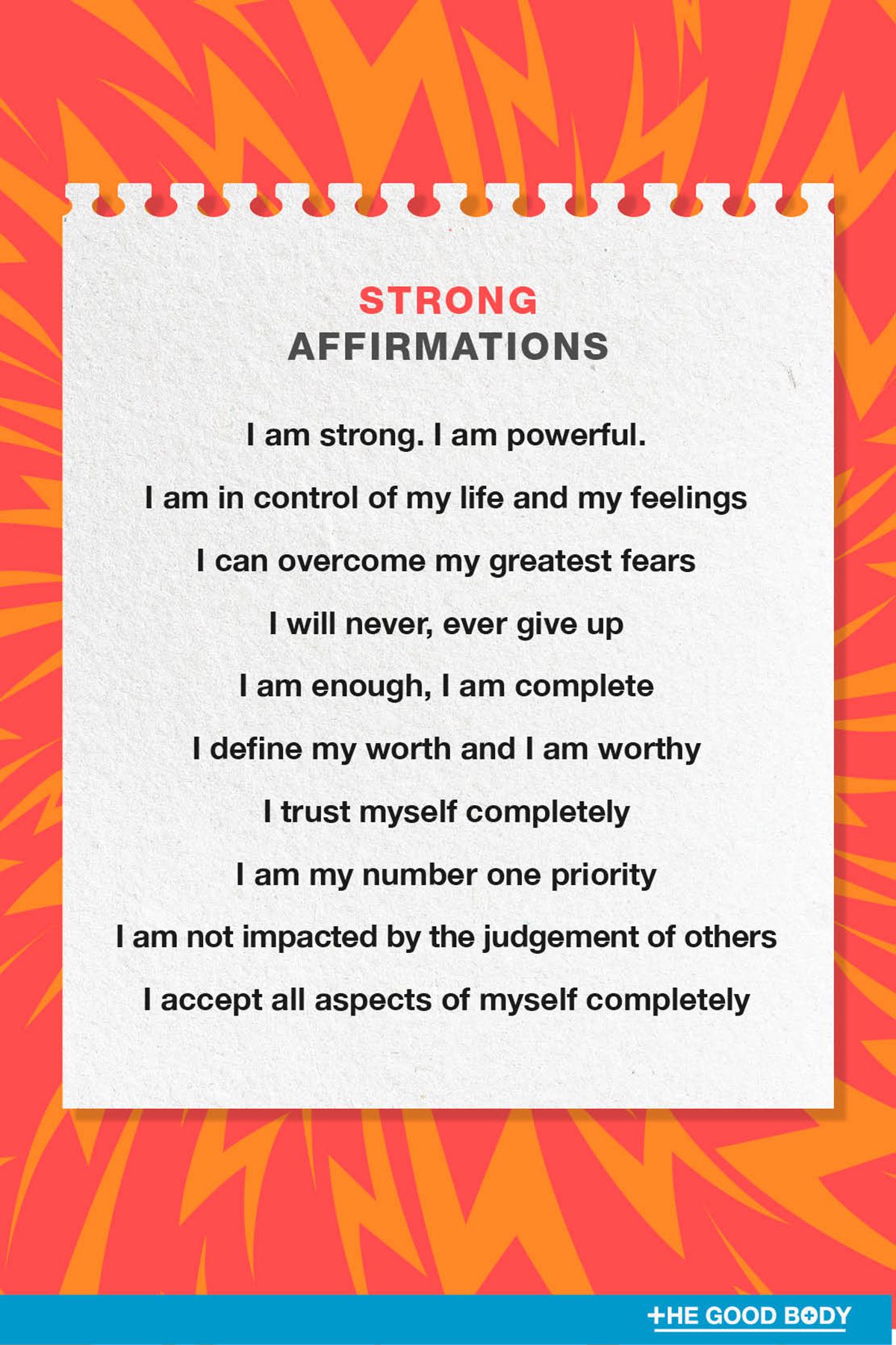
Credit: www.thegoodbody.com
How Affirmations Compare To Other Self-help Tools
Affirmations are simple but powerful. Here’s how they compare to other tools:
- Meditation: Calms the mind, but takes longer to master.
- Goal setting: Helps plan actions, but does not change mindset.
- Visualization: Boosts motivation, but needs practice.
Affirmations are easy to use and fit any routine. They are often combined with other methods for best results.
How To Overcome Resistance To Affirmations
Some people feel uncomfortable saying affirmations. Here are tips to overcome resistance:
- Start small: Choose one affirmation.
- Use private moments: Say them when alone.
- Write instead of speak: If you feel shy, write your affirmation.
- Change the wording: Make it personal and believable.
A common mistake is expecting instant results. Affirmations need time and practice to show change.
Tips For Long-term Success
To keep affirmations working, follow these steps:
- Review your affirmations monthly. Change them as your goals shift.
- Share with a friend or coach. This builds support.
- Combine with action. Affirmations alone are not enough. Take steps toward your goal.
A practical insight: Affirmations work best when linked to real actions. For example, “I am strong and capable” works better when you try new tasks.
Frequently Asked Questions
What Are Affirmations?
Affirmations are positive statements you repeat to yourself. They help change your mindset, build confidence, and support mental health. Used daily, they can improve your attitude and help you reach your goals.
How Often Should I Use Affirmations?
For best results, use affirmations twice a day—morning and evening. Repetition is key. You can also write them or use them during meditation.
Can Affirmations Help With Anxiety Or Depression?
Yes. Affirmations reduce negative thinking and build hope. They are often used in therapy. For anxiety, try “I let go of what I cannot control. ” For depression, “I am grateful for today” helps shift focus to positive things.
How Long Does It Take For Affirmations To Work?
Most people notice changes in 2-4 weeks of daily use. The time depends on your belief and consistency. Track your progress to see improvements.
Where Can I Learn More About Affirmations?
You can find more information from mental health experts and research. For a deeper scientific explanation, visit Wikipedia.
Affirmations are simple but life-changing. By choosing the right statements and using them daily, you can build a stronger, happier, and more confident mindset. Start with one or two, make them a habit, and watch how your life improves.
