

Positive Affirmations Ideas to Boost Confidence and Happiness
Positive Affirmations Ideas
Feeling good about yourself is not always easy. Sometimes, you wake up and your mind is filled with worries or doubts. You may question your skills, your future, or even your worth. Negative thoughts can feel heavy and hard to break. But there’s a simple tool that can help: positive affirmations.
Affirmations are short, powerful statements you repeat to yourself. They help change your thoughts, build your confidence, and guide your actions. With daily practice, you can shift your mindset toward positivity. This article will show you how affirmations work, why they matter, and give you a wide range of positive affirmations ideas to use in different parts of your life. Whether you are new to affirmations or looking for fresh inspiration, you’ll find practical advice and examples to help you start today.
What Are Positive Affirmations?
Positive affirmations are simple, uplifting phrases you say to yourself. Their goal is to encourage you, remind you of your strengths, and help you believe in yourself.
For example, saying “I am strong” or “I can handle challenges” can help you feel more confident. These phrases might seem small, but research shows they can improve your mood and even your health.
How Affirmations Work
Your brain listens to your words. When you repeat positive statements, your mind starts to believe them. This process is called self-talk. Positive self-talk can:
- Reduce stress
- Boost self-esteem
- Help you focus
- Improve motivation
Over time, affirmations change how you see yourself. You become kinder to yourself. You make decisions with more courage.
Science Behind Affirmations
Studies show that affirmations can activate parts of the brain linked to reward and self-worth. One research project found that people who used affirmations felt less stressed and made healthier choices. Another study showed that affirmations can help you recover faster from negative feedback.
But affirmations work best when you use them regularly and believe in their truth. If you only say them once, or you don’t really believe them, they may not help much. Consistency is key.
Benefits Of Positive Affirmations
Using positive affirmations daily can have many benefits. Here are some of the most important:
1. Improved Confidence
Repeating affirmations like “I am capable” helps build self-confidence. You start to trust your abilities more.
2. Reduced Anxiety
When you tell yourself “I am calm,” you can feel less anxious. Affirmations help you focus on the present instead of worrying about the future.
3. Better Relationships
Saying “I am a good friend” or “I am caring” can make you kinder to others. You become more patient and understanding.
4. Greater Motivation
Affirmations such as “I am motivated” or “I am ready to succeed” push you to take action and reach your goals.
5. Healthier Habits
Positive statements like “I care for my body” help you make healthier choices. You may eat better, sleep more, or exercise regularly.
Non-obvious insight: Many people think affirmations only help with emotions, but they can also improve your focus and productivity. If you repeat “I am organized” or “I manage my time well,” you may notice you work smarter.
How To Create Effective Positive Affirmations
Making your own affirmations is simple. But to get the best results, follow these tips:
Keep Them Short And Clear
Use simple language. One sentence is enough. For example: “I am creative.”
Use Present Tense
Say affirmations as if they are true right now. “I am confident,” not “I will be confident. ”
Be Positive
Focus on what you want, not what you don’t want. Say “I am healthy,” instead of “I am not sick. ”
Make Them Personal
Choose words that fit your life. If you are a student, use “I am a quick learner. ”
Add Emotion
Connect your feelings with your words. “I am grateful for today” adds warmth and meaning.
Examples Of Effective Affirmations
Here are some examples:
- “I am enough.”
- “I trust myself.”
- “I am strong.”
- “I welcome new challenges.”
- “I am at peace.”
Non-obvious insight: Beginners often forget to personalize affirmations. You get better results when you use your own name or mention specific goals. For example, “I, Maria, am confident in meetings.”
Positive Affirmations Ideas For Every Area Of Life
Affirmations can help you in many parts of your life. Below are ideas for different situations. You can use these as they are, or change them to fit your needs.
For Self-esteem
- “I am worthy of love.”
- “I value myself.”
- “I accept myself as I am.”
- “I celebrate my strengths.”
- “I forgive myself for past mistakes.”
For Stress Relief
- “I am calm and relaxed.”
- “I let go of worries.”
- “I breathe in peace.”
- “I trust the process.”
- “I choose serenity.”
For Motivation
- “I am driven.”
- “I take action every day.”
- “I move forward with purpose.”
- “I am persistent.”
- “I enjoy progress.”
For Health
- “I care for my body.”
- “I choose healthy habits.”
- “I am full of energy.”
- “I listen to my body.”
- “I am grateful for my health.”
For Relationships
- “I am a good listener.”
- “I show kindness.”
- “I respect others.”
- “I am open to love.”
- “I nurture my friendships.”
For Success
- “I am focused on my goals.”
- “I believe in my skills.”
- “I welcome success.”
- “I learn from every experience.”
- “I am resilient.”
For Work Or Study
- “I am productive.”
- “I manage my time well.”
- “I learn quickly.”
- “I solve problems with ease.”
- “I am creative at work.”
For Gratitude
- “I am thankful for today.”
- “I notice the good in my life.”
- “I appreciate small moments.”
- “I am grateful for challenges.”
- “I attract positive energy.”
For Overcoming Fear
- “I am brave.”
- “I trust myself to handle anything.”
- “I face my fears with courage.”
- “I am safe.”
- “I grow stronger every day.”
For Personal Growth
- “I am always learning.”
- “I embrace change.”
- “I am open to new ideas.”
- “I evolve with each day.”
- “I am becoming my best self.”
How To Use Positive Affirmations Daily
Repeating affirmations is important, but how you use them matters too. Here are practical ways to add affirmations to your day:
1. Morning Routine
Start your day with affirmations. Say them aloud or write them in a notebook.
2. Mirror Practice
Look at yourself in the mirror and repeat your affirmations. This builds self-acceptance.
3. During Stressful Moments
Use affirmations when you feel anxious or upset. Take a deep breath, say your phrase, and focus on the words.
4. Before Sleep
End your day with affirmations. This helps your mind relax and prepares you for restful sleep.
5. On The Go
Repeat affirmations while walking, driving, or waiting. Use your phone to set reminders.
Pro tip: Record your affirmations and listen to them during the day. Hearing your own voice can make the words feel more real.
Comparison: Positive Affirmations Vs Negative Self-talk
Some people wonder why affirmations matter. To understand, let’s compare positive affirmations with negative self-talk.
| Aspect | Positive Affirmations | Negative Self-Talk |
|---|---|---|
| Emotional Impact | Builds confidence, peace | Causes doubt, stress |
| Productivity | Motivates action | Blocks progress |
| Relationships | Improves empathy | Weakens connection |
| Physical Health | Supports healthy habits | Increases unhealthy behaviors |
This table shows that positive affirmations create better outcomes in many areas. Negative self-talk does the opposite. The choice is yours.

Credit: www.lenam.net
Common Mistakes Beginners Make
If you are new to affirmations, you may make some mistakes. Here are the most common:
1. Not Believing The Words
If you repeat phrases you don’t believe, they feel empty. Choose affirmations you can accept, even if they are small.
2. Being Too General
Vague affirmations like “I am good” may not connect with you. Be specific: “I am good at solving problems.”
3. Skipping Days
Affirmations work best with daily practice. If you skip days, progress is slow.
4. Using Negative Words
Avoid phrases like “I am not lazy.” Focus on what you want: “I am energetic.”
5. Expecting Instant Results
Change takes time. Be patient and consistent.
Practical tip: Start with affirmations you almost believe, then build up as your confidence grows.
Positive Affirmations For Kids And Teens
Children and teenagers also benefit from affirmations. These phrases help build their self-esteem, resilience, and happiness. Here are some ideas:
For Kids
- “I am smart.”
- “I am kind to others.”
- “I try my best.”
- “I make good choices.”
- “I am loved.”
For Teens
- “I am unique.”
- “I handle challenges well.”
- “I am proud of myself.”
- “I can achieve my goals.”
- “I am strong inside and out.”
Non-obvious insight: It helps if parents or teachers model affirmations. When adults say positive phrases, kids learn to do the same.
Positive Affirmations For Specific Challenges
Sometimes, you face special challenges. Affirmations can help you deal with them. Here are ideas for common struggles:
For Job Interviews
- “I am prepared.”
- “I am confident in my abilities.”
- “I connect well with others.”
- “I am calm during interviews.”
- “I am ready for new opportunities.”
For Exams Or Tests
- “I remember what I study.”
- “I stay focused during the test.”
- “I am calm under pressure.”
- “I trust my memory.”
- “I am proud of my effort.”
For Recovering From Failure
- “I learn from mistakes.”
- “I grow stronger after setbacks.”
- “I am resilient.”
- “I keep moving forward.”
- “I believe in second chances.”
For Public Speaking
- “I speak clearly.”
- “I connect with my audience.”
- “I am confident on stage.”
- “I express my ideas well.”
- “I enjoy sharing my message.”
Data: How Often Should You Use Affirmations?
Some people ask how many times to repeat affirmations. There is no single answer, but studies suggest that repeating affirmations at least 3–5 times per session works well. Daily repetition is ideal.
Here is a comparison of different routines:
| Routine | Frequency | Reported Effect |
|---|---|---|
| Morning Only | Once daily | Improved mood |
| Morning + Night | Twice daily | Better sleep, increased confidence |
| Throughout Day | 3–5 times daily | Strongest impact on mindset |
For best results, try to repeat your affirmations several times a day. Some people set phone reminders or use sticky notes.

Credit: mrmizrahi.blog
Affirmations In Different Cultures
Affirmations are not just a modern trend. Many cultures use positive statements in their traditions. For example:
- In yoga, people repeat mantras for peace and focus.
- In Buddhism, phrases like “I am compassionate” are part of daily practice.
- In Christian traditions, positive verses are spoken for strength and comfort.
No matter where you are from, positive words have power. You can use affirmations in your own language or mix them with traditions you know.
Choosing The Right Affirmations For You
With so many ideas, how do you pick the best affirmations? Here are some tips:
1. Identify Your Goals
What do you want to improve? Confidence, health, relationships? Choose affirmations that match your goals.
2. Test Different Phrases
Try several affirmations. Notice how you feel when you say them. Keep the ones that make you feel strong.
3. Change Over Time
Your needs may change. Update your affirmations as your life changes.
4. Write Your Own
Personal affirmations are powerful. Use your name, your goals, or your feelings.
5. Mix And Match
Use different affirmations for different times. For example, one for work, one for family, one for stress.
Practical tip: Keep a journal. Write your affirmations and track your progress.
Using Technology For Affirmations
Technology can help you practice affirmations. Here are some ways:
- Use apps for daily reminders
- Set phone alarms with your affirmation as the message
- Record audio of your affirmations and listen to them
- Create digital sticky notes for your computer screen
Some popular apps offer daily positive statements, tracking, and sharing features. Choose what works best for you.
Example: You can try an app like ThinkUp to create custom affirmations and listen to them with background music.
Positive Affirmations For Mental Health
Affirmations can support mental health. While they are not a cure for mental illness, they help with mood, anxiety, and motivation. Here are some ideas:
- “I am patient with myself.”
- “I deserve happiness.”
- “I am worthy of help.”
- “I am not alone.”
- “I am stronger than my struggles.”
Important note: If you have serious mental health problems, affirmations are helpful but not enough. It’s best to also seek support from a professional or trusted person.
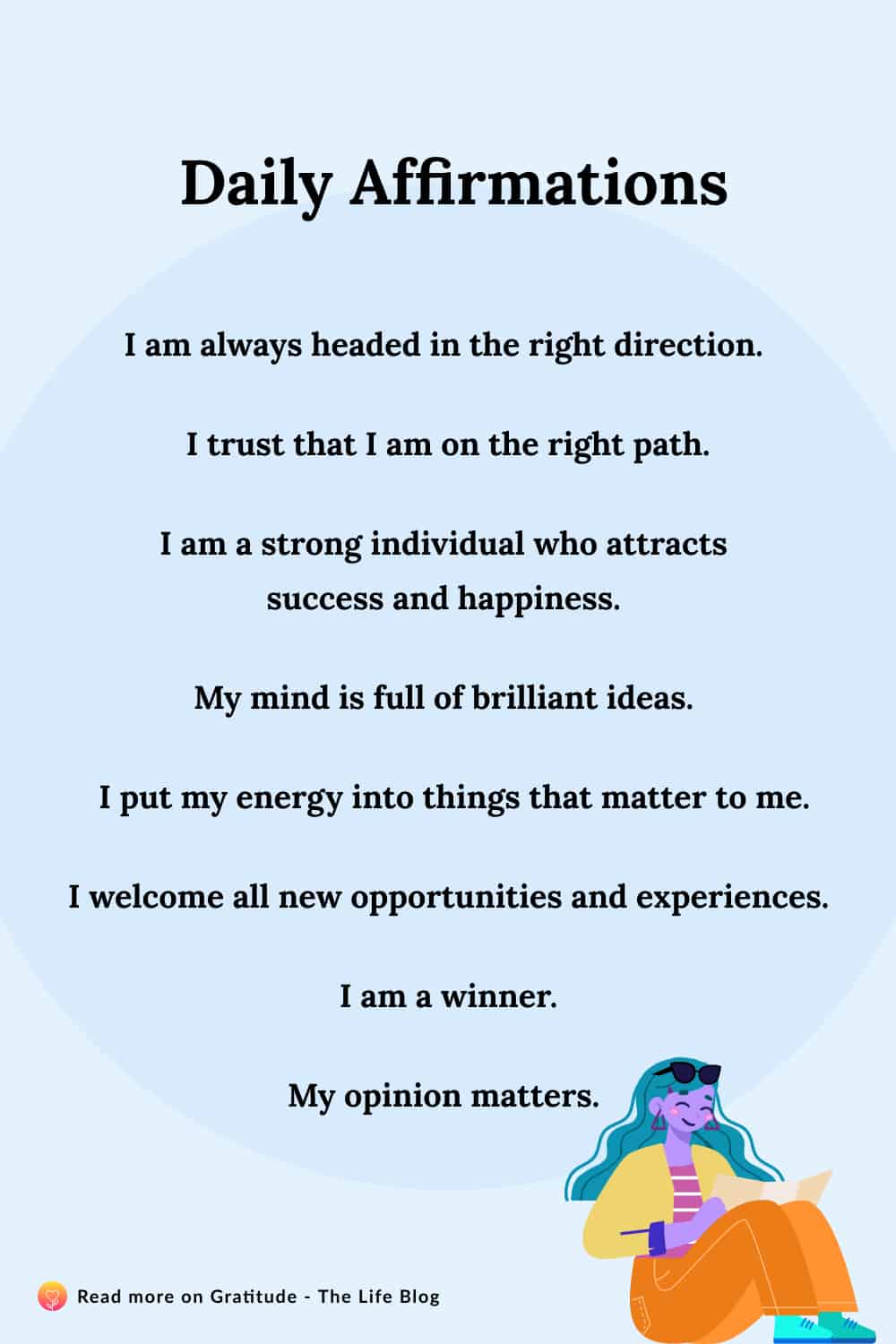
Credit: retailer.ru
Examples Of Famous Affirmations
Some affirmations are well-known and used by many people. Here are a few:
- “Every day, in every way, I am getting better and better.”
- “I am the master of my fate; I am the captain of my soul.”
- “I can and I will.”
These phrases are powerful because they are simple and direct. You can use them or create your own version.
Tracking Your Progress With Affirmations
To see how affirmations are helping, track your progress. Here are some ways:
1. Keep A Journal
Write your affirmations and note changes in your mood or actions.
2. Rate Your Feelings
After repeating your affirmations, score your confidence or stress from 1 to 10. Notice changes over time.
3. Celebrate Small Wins
Each time you notice improvement, celebrate it. This builds motivation.
Here is a simple tracking table:
| Date | Affirmation Used | Feeling After | Notes |
|---|---|---|---|
| Monday | I am confident | 7/10 | Felt motivated all day |
| Tuesday | I am calm | 6/10 | Handled stress better |
| Wednesday | I am grateful | 8/10 | Noticed more positives |
This helps you see which affirmations work best for you.
Real-life Examples: Success Stories
Many people have used affirmations to improve their lives. Here are some real examples:
- A teacher used “I am patient” before class. She noticed she handled challenges better and her students responded with more respect.
- An athlete repeated “I am strong” before competitions. He felt more confident and performed better.
- A student tried “I am focused” during exam season. Her grades improved and she felt less nervous.
Non-obvious insight: Success stories often involve pairing affirmations with action. For example, saying “I am healthy” and then making healthy choices.
Sources And Further Reading
If you want to learn more about affirmations and their benefits, read this article from Psychology Today. It explains the science and gives more examples.
Frequently Asked Questions
What Are Positive Affirmations?
Positive affirmations are short, uplifting statements you repeat to yourself. Their purpose is to encourage you, build confidence, and help you focus on your strengths. Examples include “I am strong” and “I am capable. ”
How Often Should I Use Positive Affirmations?
For best results, use affirmations daily. Repeat them at least 3–5 times per session, and try to use them during your morning routine, before sleep, and in stressful moments.
Can Positive Affirmations Help With Anxiety?
Yes, affirmations can help reduce anxiety. By repeating phrases like “I am calm” or “I trust myself,” you shift your focus from fear to confidence. However, for serious anxiety, it’s also important to seek professional help.
How Do I Know If My Affirmations Are Working?
You may notice changes in your mood, confidence, or actions. Keeping a journal and rating your feelings after using affirmations can help you track progress. Improvement often comes slowly and builds over time.
Can Children Use Positive Affirmations?
Yes, affirmations are great for kids and teens. They help build self-esteem, resilience, and happiness. Adults can model affirmations to encourage children to use them daily.
Feeling good about yourself starts with the words you say. Positive affirmations are a simple, powerful way to change your mindset and improve your life. Start small, be consistent, and choose phrases that truly matter to you. Over time, you’ll notice real benefits in your confidence, relationships, and health.
