

How to Stop Needing Affirmation: Build True Self-Confidence
How To Stop Needing Affirmation
Many people seek affirmation to feel good about themselves. This need can show up in many ways—checking social media likes, waiting for compliments at work, or asking friends for constant reassurance. While it’s normal to enjoy positive feedback, relying on it too much can hurt your confidence and independence.
If you often feel anxious or unhappy when you don’t get approval, it’s time to break this habit.
Learning how to stop needing affirmation is not about ignoring feedback or becoming cold. Instead, it means building a strong sense of self-worth from within. You learn to value your own opinions, trust your decisions, and feel secure even when others don’t notice or praise you.
This change can bring more peace, freedom, and real confidence into your life.
This article will show you why the need for affirmation develops, how it affects your daily life, and—most importantly—practical, proven ways to overcome it. You’ll find examples, actionable steps, and insights that many people miss. By the end, you’ll have a clear path to build lasting self-confidence and stop being controlled by the need for others’ approval.
Understanding The Need For Affirmation
Before you can change, you need to understand what drives your need for affirmation. Many people don’t realize how deep this habit can go, or how it shapes their choices and feelings.
What Is Affirmation And Why Do We Crave It?
Affirmation is any signal from others that tells us we are good, valued, or accepted. It can be a compliment, a like on social media, a nod of approval, or a simple “good job.” Humans are social, so wanting some affirmation is natural. It can motivate us and help us feel connected.
But when you depend on affirmation for your self-worth, problems begin. You may feel lost, anxious, or even depressed when you don’t get enough. You might start to change your behavior just to please others.
Early Roots: Where The Habit Begins
Most people start needing affirmation in childhood. Maybe you were praised only when you got good grades, or you felt loved only when you met others’ expectations. Over time, your brain links self-worth to outside approval. This link can grow stronger if:
- You grew up with critical parents or teachers
- You were compared to siblings or classmates
- You experienced bullying or rejection
- You lacked emotional support at home
How This Need Shows Up
The need for affirmation isn’t always obvious. Here are some signs:
- You often ask, “Was that okay?” or “Did I do a good job?”
- You feel anxious when someone doesn’t respond quickly
- You change your opinion to match others
- You check your phone often for likes or replies
- You avoid taking risks unless someone says it’s safe
The Hidden Costs
Depending on affirmation can drain your energy and lower your confidence. It can make you:
- Second-guess yourself and delay decisions
- Feel jealous or upset when others get more praise
- Burn out from trying to please everyone
- Miss out on your real interests and talents
Most people don’t notice how much time and emotion they spend chasing approval. This is a silent barrier to personal growth.
Why It’s Hard To Stop Needing Affirmation
Even if you want to change, it can be tough to break the habit. The need for affirmation works like a reward system in your brain. When you get praise, your brain releases “feel-good” chemicals like dopamine. This creates a cycle—seek praise, get a reward, want more.
Social Media And Modern Life
Technology has made the need for affirmation stronger. Social media is built to give instant feedback—likes, hearts, shares. Studies show that over 60% of people check their phones as soon as they wake up, often for social approval. This constant feedback can make it hard to feel good without it.
Fear Of Rejection
For many, the real issue is fear of rejection. You may worry that if you don’t get affirmation, you’ll be left out or unloved. This fear can run so deep you might not even realize it.
The “nice Person” Trap
Some people become “people pleasers” to gain affirmation. You might say yes when you want to say no, or hide your real feelings to avoid disapproval. Over time, this can lead to resentment and stress.
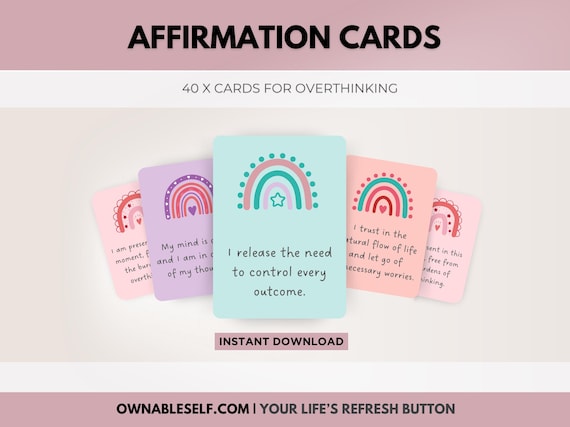
Credit: www.etsy.com
Building Self-worth From Within
The real solution is to build your self-worth from the inside. This takes time and practice, but the results are lasting. Here’s how you can start.
1. Recognize Your Triggers
Begin by noticing when and why you seek affirmation. Is it after you finish a project? When you post online? Do you feel anxious until someone responds? Keep a simple journal for a week. Write down:
- What you did
- How you felt before and after
- Who was involved
This helps you see patterns. For example, you may find you only need affirmation from certain people, or in certain situations.
2. Learn To Approve Of Yourself
This is the heart of real confidence. Start giving yourself credit for your efforts and choices. Each day, write down three things you did well, even if they’re small:
- “I made a healthy breakfast.”
- “I finished my work on time.”
- “I spoke up in a meeting.”
This is not about ignoring mistakes, but about seeing your own value without needing someone else to say it.
3. Set Your Own Standards
Often, we chase affirmation because we follow others’ standards. Take time to decide what success means for you. Ask yourself:
- What do I value most?
- What kind of person do I want to be?
- What goals matter to me—not to others?
Write your answers and review them often. This keeps you centered when you feel pulled to please others.
4. Practice Being Alone With Your Thoughts
Many people fear silence or being alone. But learning to be comfortable with your own thoughts is powerful. Try:
- Taking a walk without your phone
- Sitting quietly for five minutes each day
- Journaling your feelings without editing
At first, you may feel restless. With practice, you’ll learn that your thoughts and feelings are enough, even without outside approval.
5. Limit Social Media And Digital Triggers
Social media is designed to create a need for affirmation. To break the cycle:
- Turn off notifications for likes or comments
- Limit checking your phone to certain times of day
- Unfollow accounts that make you feel less than others
You can also take “digital detox” days, where you avoid social apps completely. This gives your brain time to reset.
6. Build Real Connections
It’s normal to want connection, but real relationships are deeper than likes or praise. Focus on quality over quantity:
- Spend time with friends who accept you as you are
- Share your real thoughts and feelings—not just what’s popular
- Listen deeply to others, and let them know you value their true self
When you build deeper bonds, you feel secure even without constant affirmation.
7. Learn To Handle Criticism
Fear of criticism often drives the need for affirmation. Practice seeing feedback as information, not as a judgment of your worth.
- Separate your actions from your identity: “I made a mistake,” not “I am a failure.”
- Thank people for helpful feedback, even when it’s hard to hear
- Ask yourself if the criticism is fair, and what you can learn
Sometimes, criticism is more about the other person than about you. Learn to take what helps and leave the rest.
8. Challenge Your Negative Thoughts
We all have an “inner critic”—a voice that says we’re not good enough. This voice can get louder when you don’t get affirmation. When you notice negative thoughts, try:
- Asking, “Is this really true?”
- Looking for evidence of your strengths
- Replacing harsh words with kinder ones: “I’m learning,” instead of “I always mess up”
Over time, you train your brain to support, not attack, your self-worth.
9. Set Healthy Boundaries
Without boundaries, you may say yes to everything just to get approval. Practice:
- Saying no when you need to
- Taking time for yourself, even if others don’t like it
- Protecting your energy by avoiding people who drain you
Boundaries are not selfish—they’re a sign of self-respect.
10. Take Risks And Accept Imperfection
Often, the need for affirmation comes from a fear of making mistakes. But growth comes from trying, failing, and learning.
- Try a new hobby without worrying about being the best
- Speak up even if you’re unsure
- Accept that you can’t please everyone
Each time you act without needing approval, you grow stronger inside.
Comparing External Vs. Internal Validation
It helps to see the difference between chasing affirmation from others and building your own self-worth. This simple comparison can clarify the path forward.
| External Validation | Internal Validation |
|---|---|
| Depends on others' praise or approval | Comes from your own values and self-respect |
| Temporary feeling of worth | Lasting sense of confidence |
| Can cause anxiety and people-pleasing | Leads to calm and independence |
| Changes with others’ opinions | Steady, even when others disagree |
This table shows that internal validation is more stable. It creates a solid base for your self-esteem, no matter what others say.
Daily Habits To Reduce The Need For Affirmation
Breaking the habit takes practice. Here are daily habits that help you build internal strength.
Morning Self-check
Start your day by asking yourself:
- What do I want today, for myself?
- How can I show kindness to myself today?
This keeps you focused on your own goals, not on others’ approval.
Celebrate Small Wins
Each evening, list three things you did well. They don’t have to be big—maybe you finished a tough task, helped someone, or took care of your health. This builds a habit of self-recognition.
Mindful Breathing
When you feel anxious about getting affirmation, pause and take a few deep breaths. Notice where you feel tension. Remind yourself that your worth is not at risk.
Practice Assertive Communication
Speak your mind calmly and clearly, even if others disagree. For example:
- “I see it differently, and that’s okay.”
- “I need some time to think about this.”
Assertive communication builds respect for yourself and from others.
Limit Comparing Yourself To Others
Social comparison is a trap. Remind yourself that everyone has strengths and weaknesses. If you catch yourself comparing, shift your focus to your own progress.
Focus On Process, Not Just Results
Instead of looking only for praise when you finish something, notice the effort you put in. Enjoy the learning and growth along the way.
Connect To A Purpose Bigger Than Approval
Find meaning in what you do—helping others, creating, learning. When you work for a purpose, you care less about what others think.
Practical Examples: Real-life Scenarios
It’s often easier to understand these ideas through real-life examples. Here are scenarios that show how to shift from seeking affirmation to building self-worth.
Workplace Scenario
Maria always waits for her boss to say “good job” before she feels proud. When she doesn’t hear it, she doubts her skills.
New approach: Maria starts keeping a private record of her achievements. She reviews it weekly, focusing on what she’s learned and the value she adds. Soon, she feels more confident—even when her boss is busy or silent.
Social Media Scenario
Ajay checks his posts every hour for likes. If a post gets little attention, he feels invisible.
New approach: Ajay decides to limit his social media time. He posts only what matters to him, and turns off notifications. After a few weeks, he notices he enjoys life offline more and feels less stressed about online reactions.
Friendship Scenario
Lina always agrees with her friends, afraid they won’t like her if she disagrees. She feels exhausted and fake.
New approach: Lina practices sharing her real opinions, starting with small things. She learns that true friends respect her honesty. The friendships that don’t survive weren’t real anyway.
Family Scenario
James tries hard to make his parents proud, even if it means choosing a job he hates.
New approach: James reflects on what he truly values and talks openly with his parents. It’s not easy, but he chooses a path that fits his strengths. In time, his happiness improves, and his family understands him better.
How Therapy And Support Can Help
Sometimes, the need for affirmation is deeply rooted. If you struggle to break the habit alone, therapy can help. A counselor can:
- Help you explore the origins of your need for approval
- Teach you tools to manage anxiety and self-doubt
- Support you in building healthier patterns
Group support or coaching can also provide encouragement. Remember, asking for help is a sign of strength, not weakness.
Non-obvious Insights Most People Miss
While the basic steps are helpful, here are two less obvious truths about affirmation:
- Not all affirmation is equal. Praise from people you respect (like a mentor) can mean more than from strangers. Focus on meaningful feedback, not quantity.
- You can give affirmation to others, too. When you lift others up without needing anything in return, you practice generosity and build real connection. This fills you up from the inside.
Measuring Your Progress
Change takes time. How do you know if you’re getting better at relying less on affirmation? Here’s a simple way to check:
| Sign | Old Habit | New Pattern |
|---|---|---|
| Decision-making | Waits for others’ approval | Trusts own judgment |
| Social media use | Checks for likes often | Posts without caring about reactions |
| Handling criticism | Takes it personally | Sees it as feedback |
| Emotional state | Upset when not praised | Calm regardless of others’ response |
Check in every month. Notice small changes—they add up.
The Science Behind Self-worth
Researchers have studied self-esteem and affirmation for decades. They find that people with high self-worth:
- Are less likely to suffer from anxiety and depression
- Have better relationships
- Perform better at work and school
One major study found that self-compassion—being kind to yourself, especially after mistakes—leads to more stable confidence than chasing praise. If you want to learn more about the psychology of self-worth, the Wikipedia page on self-esteem is a good starting point.

Credit: www.thecrimson.com
Frequently Asked Questions
What Is The Difference Between Affirmation And Validation?
Affirmation Is When Someone Tells You Something Positive About Yourself, Like “you Did Great!” Validation Is When Someone Recognizes Your Feelings Or Experience, Even If It’s Not Positive. Both Are Important, But Relying On Them Too Much For Self-worth Can Be Harmful.
Is It Bad To Want Affirmation From Others?
It’s Normal To Enjoy Affirmation. The Problem Comes When You Need It To Feel Good About Yourself. The Goal Is Balance—appreciate Affirmation, But Don’t Depend On It.
How Can I Tell If I’m Too Dependent On Affirmation?
Signs Include Feeling Anxious When You Don’t Get Praise, Changing Yourself To Please Others, Or Feeling Worthless After Criticism. If You Notice These Often, You May Be Relying Too Much On Affirmation.
Can Therapy Really Help With Needing Affirmation?
Yes. Therapy Can Help You Understand The Roots Of Your Need For Affirmation And Teach You Skills To Build Self-worth. Many People Find It Easier To Change With Professional Support.
How Long Does It Take To Stop Needing Affirmation?
It Depends On The Person And How Deep The Habit Goes. For Some, Changes Happen In A Few Months; For Others, It Takes Longer. The Key Is To Practice New Habits Daily And Be Patient With Yourself.
---
Learning how to stop needing affirmation is a journey worth taking. As you build self-worth from within, you’ll find more peace, confidence, and freedom to live as your true self. Remember, you have the power to decide your own value—no one else can do it for you.

Credit: www.amazon.com
