

How to Practice Positive Affirmations for Daily Success
How To Practice Positive Affirmations
Feeling stuck or doubtful is something everyone faces. But did you know the words you say to yourself every day can shape your mind, mood, and even your life? This is where positive affirmations come in. Many successful people use this simple but powerful tool to build confidence, improve their habits, and move closer to their goals. While the idea sounds easy—just repeat good things about yourself—the real magic happens when you practice affirmations the right way. If you want to learn how to use positive affirmations for real change, this guide will walk you through every step, from basics to advanced tips, so you can harness their full power.
What Are Positive Affirmations?
Positive affirmations are short, clear, and uplifting statements that you say or write to help shape your thoughts and beliefs. The main idea is to focus on what you want, not what you fear. Instead of telling yourself, “I’m not good enough,” you practice saying, “I am capable and strong.” Over time, these statements help rewire your brain, making it easier to stay positive and act with confidence.
Affirmations are not magic spells. They do not work instantly, but with steady practice, they can help change how you think and feel. Many studies in psychology show that positive self-talk can reduce stress, boost performance, and improve well-being. In fact, people who use affirmations regularly often report feeling less anxious and more focused on their goals.
Why Affirmations Work: The Science Behind Them
You might wonder, “How can saying a few words make any real difference?” The answer lies in how the brain works. Our minds are shaped by neural pathways—connections formed by repeated thoughts and actions. When you repeat a positive affirmation, you strengthen these pathways. Over time, your brain starts to believe what you tell it, making it easier to act in line with those beliefs.
For example, if you always say, “I can handle challenges,” you become more likely to face tough situations with courage. Research shows that positive affirmations can lower stress and even help people perform better at work or school. A study published in the journal Social Cognitive and Affective Neuroscience found that self-affirmations can boost activity in parts of the brain linked to self-worth and problem-solving.
Two non-obvious insights about affirmations:
- Timing Matters: Affirmations work better when you use them before difficult tasks, not just during relaxed moments. This helps your mind prepare for challenges.
- Personalization Is Key: Generic affirmations are less effective. When you create affirmations that match your real goals or struggles, your brain accepts them more easily.
How To Create Effective Positive Affirmations
Not all affirmations are created equal. To make them work for you, follow these simple rules:
1. Keep Them Short And Clear
A good affirmation is easy to remember and repeat. For example, “I am confident” is better than “I am feeling a little more sure of myself each day in most situations. ”
2. Use The Present Tense
Speak as if what you want is already true. Instead of saying, “I will be successful,” say, “I am successful. ”
3. Make Them Positive
Focus on what you want, not what you want to avoid. Say, “I am healthy,” rather than, “I am not sick. ”
4. Be Specific
Vague statements have less impact. Try, “I am a patient listener,” instead of “I am good. ”
5. Add Emotion
Use words that spark strong feelings. “I am excited and grateful for my progress” feels more powerful than just “I am progressing. ”
6. Make Them Believable
If your affirmation feels too far from reality, your mind may reject it. For example, if you struggle with self-worth, start with “I am learning to value myself more each day. ”
Step-by-step Guide To Practicing Positive Affirmations
Building a habit with affirmations takes more than just saying them once. Here’s a practical routine to get you started:
Step 1: Choose Your Affirmations
Pick 3–5 affirmations that match your current needs. These could be about confidence, health, work, or relationships.
Step 2: Set A Regular Time
Practice at the same time every day. Many people like to say affirmations in the morning or before bed.
Step 3: Find A Quiet Space
Distractions make it hard to focus. Find a calm spot where you can speak or think clearly.
Step 4: Say Them Out Loud
Speaking your affirmations out loud helps your mind register the message. Look in a mirror if you can—this makes the statement feel more personal.
Step 5: Repeat Several Times
Say each affirmation 5–10 times. The more you repeat, the stronger the effect.
Step 6: Visualize Success
As you say your affirmation, picture yourself living it. Imagine the feelings, sights, and sounds. This step boosts the power of your words.
Step 7: Write Them Down
Writing engages your brain in a different way. Keep a journal and write your affirmations daily. Some people use sticky notes on their mirror or computer.
Step 8: Use Affirmations During Stress
When you feel anxious or doubtful, repeat your affirmations. This helps shift your focus from fear to strength.
Step 9: Track Your Progress
Notice changes in your thoughts and mood. After a few weeks, write about your experiences. Adjust your affirmations if needed.
Real-life Examples Of Powerful Affirmations
Choosing the right words can make all the difference. Here are some popular affirmations for different areas of life:
- Confidence: “I trust myself to make good decisions.”
- Health: “My body is strong and full of energy.”
- Work: “I am creative and productive at my job.”
- Relationships: “I attract positive and loving people.”
- Calmness: “I am relaxed and at peace.”
Let’s look at two examples in action:
- Before a Job Interview: “I am prepared and confident. I welcome this opportunity.”
- During a Tough Day: “I have the strength to handle whatever comes my way.”
Remember, the best affirmation is the one that speaks to you personally.
Common Mistakes People Make With Affirmations
Affirmations are simple, but many people use them in ways that don’t work well. Watch out for these common mistakes:
- Saying Affirmations Without Belief: If you repeat words you don’t believe, they might feel empty. Start with small, believable changes.
- Being Inconsistent: Skipping days or only using affirmations when you feel bad does not build a habit. Practice daily.
- Using Negative Words: Even when trying to be positive, some people say, “I am not afraid.” The mind focuses on “afraid.” Always use positive terms.
- Expecting Quick Results: Change takes time. Don’t give up if you don’t see big changes right away.
- Ignoring Emotions: Just saying words is not enough. Feel the meaning behind your affirmation.
How To Personalize Affirmations For Maximum Impact
While you can use popular affirmations, tailoring them to your own life makes them much stronger. Here’s how:
Identify Your Main Challenges
Think about what holds you back. Is it self-doubt, fear of public speaking, or trouble staying motivated? Write down your biggest challenges.
Turn Challenges Into Goals
Change your negative thought into a positive goal. For example, “I always mess up in meetings” becomes “I speak clearly and confidently in meetings. ”
Add Details
Include specifics to make your affirmation more real. Instead of “I am successful,” try “I finish every project with focus and pride. ”
Example Transformations
| Negative Thought | Personalized Affirmation |
|---|---|
| I’m not smart enough | I am learning and growing every day |
| I always fail at new things | I try new things with courage and curiosity |
| No one listens to me | My words are important and people respect them |
Personalized affirmations connect to your real feelings, making them much more likely to work.
Advanced Techniques To Boost Affirmation Power
If you already practice affirmations but want even better results, try these advanced tips:
Pair With Deep Breathing
Take a deep breath before saying each affirmation. This calms your body and helps your mind focus.
Record And Listen
Record yourself saying your affirmations, then play them back during walks or while relaxing. Hearing your own voice makes the message stronger.
Use Visual Reminders
Place notes, pictures, or symbols around your home or workspace. These reminders help keep your affirmations fresh in your mind.
Combine With Action
Affirmations work best when you take action to support them. For example, if your affirmation is about health, try a short walk after repeating it.
Practice Before Stressful Events
Use affirmations right before situations you find difficult, like public speaking or exams. This can shift your mindset from fear to confidence.

Credit: nikkiyeltonrd.com
How To Track Progress And Measure Results
Many people stop using affirmations because they are not sure if they work. Tracking your progress helps you see small wins and stay motivated.
Keep An Affirmation Journal
Write your daily affirmations and reflect on changes in your mood or behavior. After a few weeks, review your notes to spot improvements.
Rate Your Feelings
Use a scale from 1 to 10 to rate how you feel before and after saying your affirmations. Over time, you should notice higher scores.
Look For Real-world Changes
Are you taking more risks? Do you handle stress better? Notice small shifts in your actions and reactions.
Adjust As Needed
If an affirmation is not working, change the wording or focus. Your needs will change as you grow.
Comparing Affirmation Methods
There are many ways to practice affirmations. Here’s a simple comparison to help you choose what might work best for you.
| Method | Main Benefit | Best For |
|---|---|---|
| Saying Out Loud | Boosts confidence and focus | People who are alone or need energy |
| Writing in Journal | Improves memory and commitment | Those who enjoy writing or need reflection |
| Listening to Recordings | Helps with relaxation and repetition | Busy people or those who like audio learning |
| Mirror Practice | Strengthens self-acceptance | People working on self-image |
Try different methods to see which one fits your style and needs.
When And Where To Practice Affirmations
There’s no single right way to practice affirmations, but some times and places make it easier to build a habit:
- Morning Routine: Start your day with positive thoughts to set the tone.
- Before Bed: Calm your mind and prepare for restful sleep.
- During Breaks: Take a few minutes at work or school to reset your mindset.
- Before Challenges: Use affirmations before meetings, tests, or tough conversations.
- While Exercising: Pairing movement with affirmations can make both habits stronger.
Choosing a regular time and place helps you remember to practice and makes affirmations part of your daily life.
Using Affirmations For Specific Goals
Affirmations can help with many different goals. Let’s look at how to use them in some common areas:
Building Self-confidence
If you struggle with self-doubt, use affirmations like:
- “I am proud of who I am.”
- “My ideas are valuable.”
Pair these with small actions, like sharing your opinion in a group.
Reducing Stress And Anxiety
When you feel overwhelmed, try:
- “I am calm and in control.”
- “I release what I cannot change.”
Repeat these while taking slow, deep breaths.
Improving Health Habits
To build better habits, say:
- “I treat my body with care.”
- “Every day, I make healthy choices.”
Use these before meals or workouts.
Enhancing Relationships
For better connections, use:
- “I listen with kindness.”
- “I attract loving and supportive people.”
Practice these before social events or difficult talks.

Credit: kyliejohnsonart.com
Group Vs. Individual Affirmation Practice
You can use affirmations alone or with others. Both have unique benefits.
| Practice Type | Benefits | Possible Challenges |
|---|---|---|
| Individual | Personalized, private, flexible | Can feel lonely, less accountability |
| Group | Support, shared energy, motivation | Less personal, may feel awkward at first |
If you’re shy about saying affirmations out loud, start alone. For extra motivation, join a group or practice with a friend.
Common Myths About Affirmations
Some people doubt affirmations because of popular myths. Let’s clear up a few:
- Myth: Affirmations are just wishful thinking.
- Truth: When used with action, affirmations help change real habits and beliefs.
- Myth: You must believe them fully for them to work.
- Truth: Even if you don’t believe them at first, repeating positive statements can shift your mindset over time.
- Myth: Affirmations only work for certain people.
- Truth: Anyone can benefit, no matter their age, background, or situation.
- Myth: You need to say affirmations for hours each day.
- Truth: Just a few focused minutes daily can make a big difference.
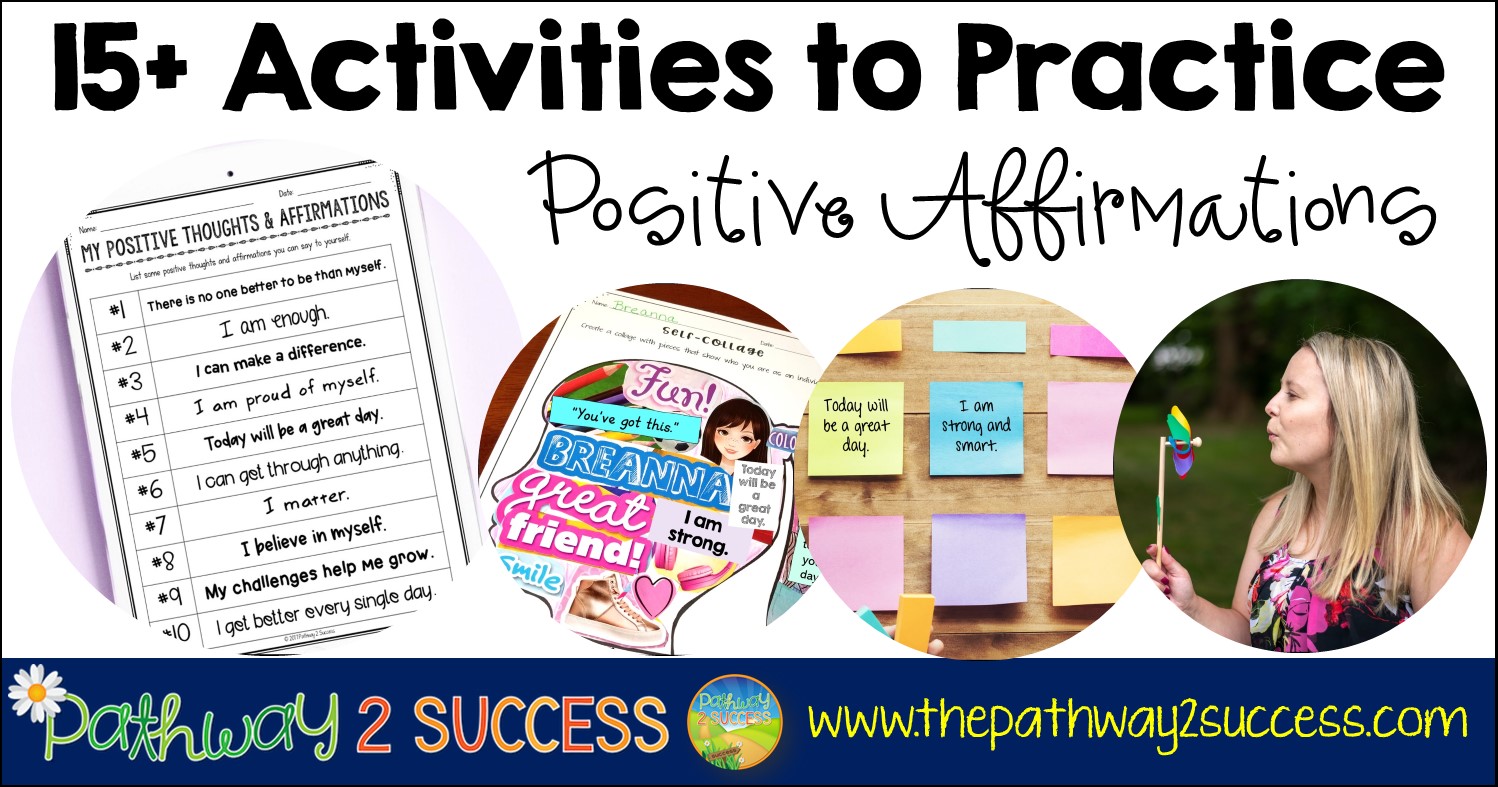
Credit: www.thepathway2success.com
Two Non-obvious Tips For Making Affirmations Stick
Most advice about affirmations misses these two helpful ideas:
- Link Affirmations to Existing Habits: Attach your practice to something you already do, like brushing your teeth or making coffee. This makes the new habit easier to remember.
- Change Affirmations As You Grow: As you reach your goals, update your affirmations to match your new challenges or dreams. Sticking to old statements can hold you back.
How Affirmations Fit With Other Self-improvement Tools
Affirmations work even better when you combine them with other tools. For example:
- Visualization: Picture your goal while saying your affirmation.
- Gratitude Practice: After affirmations, list things you’re thankful for.
- Mindfulness: Take a few moments to notice your breath and feelings before starting.
- Goal Setting: Write down a clear goal, then create affirmations that support it.
Used together, these tools create a strong support system for personal growth.
What To Do If You Feel Silly Or Uncomfortable
It’s normal to feel strange when you start practicing affirmations. Speaking positive words to yourself can feel awkward, especially if you’re used to self-criticism. Here are some tips to make it easier:
- Start quietly or in writing if saying them out loud feels too much.
- Remind yourself why you’re doing it—affirmations are for your well-being.
- Notice small positive changes, no matter how tiny.
- Remember, most people feel this way at first. The feeling fades as the habit grows.
Practical Tips To Get The Most From Affirmations
- Be patient: Change takes time, but steady practice leads to real progress.
- Mix things up: Try different times, places, or methods to keep things fresh.
- Share your goal: Tell a trusted friend about your affirmation journey for support.
- Celebrate small wins: Notice when you act or think differently, even in small ways.
Resources For Deeper Learning
If you want to learn more about how the brain responds to affirmations, or explore new techniques, check out this resource from the Positive Psychology website.
Frequently Asked Questions
What Should I Do If I Don’t Believe My Affirmations?
If your affirmation feels too far from your current reality, change it to something smaller and more believable. For example, instead of “I love myself completely,” try “I am learning to appreciate myself more each day. ” As your confidence grows, you can adjust your affirmation to be stronger.
How Long Does It Take To See Results From Affirmations?
Most people notice small changes in their thoughts or feelings after a few weeks of steady practice. Big life changes take longer. The key is to be consistent and patient.
Can I Practice Affirmations In My Native Language?
Absolutely. Affirmations are most effective when they feel natural and personal. Using your own language helps your brain connect more deeply with the message.
Should I Use The Same Affirmations Every Day?
It’s helpful to stick with the same affirmations for a few weeks, so your mind can absorb them. But as your goals or challenges change, feel free to update your affirmations.
What If I Miss A Day Of Practice?
Missing a day is not a problem. Just start again as soon as you can. What matters is building a steady habit over time, not being perfect every day.
Practicing positive affirmations is a simple but powerful way to shape your thoughts, build confidence, and reach your goals. With patience and the right approach, you can turn positive self-talk into a lifelong tool for growth and happiness. Start today, and watch how your words can create a better future for yourself.
