

How to Do a Daily Affirmations: Unlock Positive Mindset Today
How to Do Daily Affirmations: A Practical Guide for Real Results
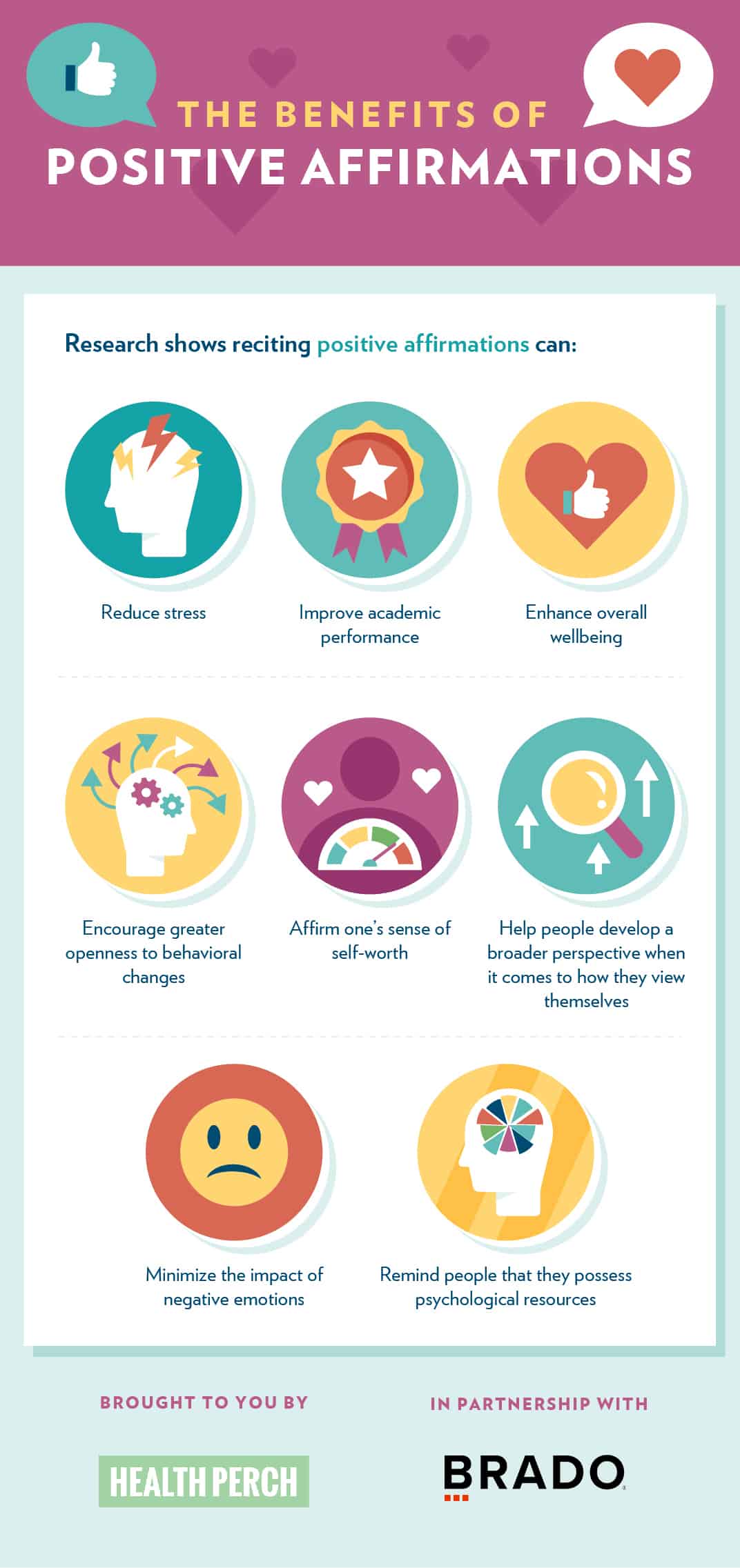
Many people feel stuck with negative thoughts or low confidence. If you want to change your mindset, daily affirmations can help. These simple, positive statements are not magic, but they can guide your mind to focus on what you want instead of what you fear.
With daily practice, affirmations can support real changes in how you feel and act. But many beginners try affirmations without seeing results, or give up quickly. This guide will show you how to do daily affirmations step by step, why they work, and how to avoid common mistakes.
You’ll learn practical examples, advanced tips, and ways to make affirmations fit your life.
What Are Daily Affirmations?
Daily affirmations are short, positive sentences you say to yourself. The goal is to encourage your mind to believe in your abilities, worth, or goals. For example, saying "I am confident" can help you feel more confident over time. Affirmations are often used to build self-esteem, reduce stress, or focus on goals.
How Affirmations Affect The Brain
When you repeat an affirmation, your brain starts to pay attention to that idea. This is due to a process called neuroplasticity—the brain's ability to change and adapt. Studies show that positive self-talk can help rewire the brain, leading to new patterns of thinking. For example, research from the National Institutes of Health found that self-affirmation can activate parts of the brain linked to self-processing and reward. This means your brain treats affirmations as real experiences, not just words.
Common Uses Of Daily Affirmations
People use daily affirmations for many reasons:
- Building confidence
- Reducing anxiety
- Improving focus
- Supporting health goals
- Changing habits
Some people write their affirmations. Others speak them out loud or silently. The most important part is repetition and belief.
Why Daily Affirmations Work (and Where They Fail)
Many experts agree that daily affirmations can be powerful. But they work best when used correctly and consistently.
The Science Behind Affirmations
A study published in the journal *Social Cognitive and Affective Neuroscience* showed that self-affirmation can improve performance and reduce stress. For example, participants who used affirmations before a stressful task showed lower levels of cortisol (a stress hormone).
Another study found that affirmations can help people with low self-esteem. But the effect is strongest when affirmations are realistic and match personal goals.
Common Problems With Affirmations
Some beginners make mistakes that stop affirmations from working:
- Too vague or unrealistic: Saying "I am rich" may not help if you don't believe it at all.
- Lack of repetition: Affirmations need to be practiced daily, not just once.
- Ignoring feelings: If you feel bad when saying an affirmation, you may need to adjust the words.
- No action: Affirmations should support real actions, not replace them.
How To Make Affirmations Work For You
- Choose statements you can believe, even if they feel new.
- Practice every day, at a set time.
- Combine affirmations with real steps toward your goal.
How To Create Effective Daily Affirmations
Not all affirmations are equal. The best ones are clear, personal, and positive. Here’s how to make your own.
1. Start With Your Goal
Decide what you want to change or improve. This could be confidence, stress, health, or anything you care about.
2. Use Positive Language
Affirmations should focus on what you want, not what you don’t want. For example:
- Good: "I am calm and focused."
- Bad: "I am not anxious."
3. Make It Personal
Use "I" or "My" to make the affirmation about you. Example: "I am strong."
4. Keep It Simple
Short, clear sentences work best. Avoid complex words.
5. Use The Present Tense
Affirmations are more powerful when stated as if they are true now. Example: "I am learning every day."
6. Add Emotion
Words that include feelings can make affirmations stronger: "I feel proud of my progress."
7. Check For Believability
If a statement feels too far from reality, adjust it. For example, instead of "I am the best," try "I am improving each day. "
8. Test And Adjust
Try your affirmation for a week. If it feels wrong, change it.
Examples Of Daily Affirmations For Different Goals
Here are practical examples you can use or adapt:
Confidence
- "I am confident in my abilities."
- "I trust myself to make good decisions."
- "I am proud of who I am."
Stress Reduction
- "I am calm and relaxed."
- "I breathe deeply and let go of tension."
- "Peace surrounds me."
Success
- "I am focused on my goals."
- "I welcome new opportunities."
- "I am capable of achieving my dreams."
Health
- "I treat my body with respect."
- "I make healthy choices every day."
- "I am full of energy."
Relationships
- "I communicate with kindness."
- "I am loved and valued."
- "I build strong connections."
Credit: www.northwestpharmacy.com
Step-by-step Guide: How To Do Daily Affirmations
Doing daily affirmations is simple, but small details matter. Here’s a step-by-step approach.
Step 1: Choose Your Affirmations
Pick one to three statements that fit your goal. Write them down on paper or in your phone.
Step 2: Set A Time
Find a regular time to practice—morning, evening, or before a task. Most people use mornings to set the tone for the day.
Step 3: Find A Quiet Place
Choose a spot where you can focus. It could be your bedroom, bathroom, or a quiet corner.
Step 4: Stand Or Sit Tall
Good posture helps your mind connect with the affirmation.
Step 5: Speak Out Loud
Say your affirmation clearly. Speaking aloud engages your brain more than silent repetition.
Step 6: Repeat Several Times
Repeat each affirmation at least three to five times. More is fine, but don’t rush.
Step 7: Visualize The Words
Picture yourself as the person in the affirmation. Imagine feeling confident, calm, or successful.
Step 8: Feel The Emotion
Let yourself feel the words, not just say them. This step helps your brain believe the affirmation.
Step 9: Write It Down
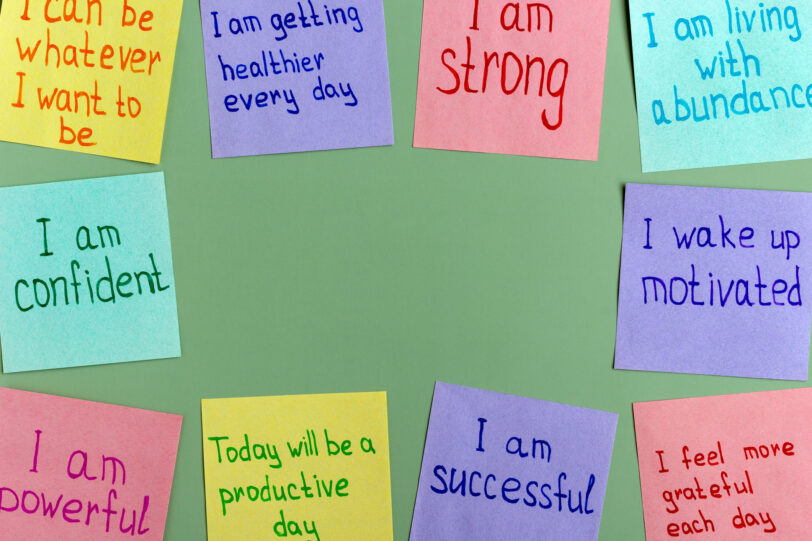
Writing your affirmation can reinforce the idea. Some people keep a journal or sticky notes.
Step 10: Take Action
Affirmations support real change. Try to act in ways that match your affirmation during the day.
Advanced Tips To Boost Your Affirmation Practice
Once you have the basics, you can make daily affirmations even more effective.
Combine With Meditation
Try repeating your affirmation during meditation. This helps calm your mind and deepen the effect.
Use Visual Cues
Place your affirmation where you see it often—on your mirror, desk, or phone wallpaper.
Record Your Affirmation
Make a voice recording of your affirmation and listen to it during the day.
Create A Ritual
Pair your affirmation with a daily habit, like brushing your teeth or morning coffee.
Track Your Progress
Keep a journal of your feelings and actions. This helps measure real changes.
Share With A Friend
Practicing affirmations with someone can boost motivation and accountability.
Adjust For Difficult Days
If you feel stuck or negative, switch your affirmation to something simpler: "I am open to learning," or "I am doing my best."
Use Affirmations For Specific Events
Before a big meeting, exam, or performance, use a targeted affirmation: "I am prepared and ready."
Credit: www.cheservices.com
Mistakes Beginners Make With Daily Affirmations
Even with good intentions, mistakes can block progress. Here are some traps to avoid:
1. Choosing Unrealistic Affirmations
If your affirmation feels fake, your mind may reject it. Start with believable statements.
2. Skipping Days
Affirmations need daily practice. Missing days slows progress.
3. Ignoring Emotions
If you feel upset or stressed while doing affirmations, pause and adjust your statement.
4. Doing Too Many At Once
Focus on one or two affirmations, not ten. Too many can feel overwhelming.
5. Expecting Instant Results
Change takes time. Most people see effects after several weeks of daily practice.
6. Not Taking Action
Affirmations are not magic. Support your words with real steps.
7. Comparing With Others
Your affirmation journey is unique. Avoid comparing your progress with someone else’s.
8. Using Negative Language
Never use “not” or negative words in your affirmation.
The Role Of Consistency And Environment
Consistency is the most important factor in success with daily affirmations. Your environment can also help or hurt your practice.
Why Consistency Matters
Repeating your affirmation daily builds new thinking patterns. Research shows habits take about two months to form. Missing days can slow your progress.
How Environment Shapes Your Practice
Your surroundings affect your mood and focus. If you practice in a noisy or stressful place, affirmations may feel harder.
- Choose a spot that feels safe and quiet.
- Use visual reminders to trigger your practice.
- Tell people around you about your goal, if you feel comfortable.
Comparing Affirmations To Other Self-help Tools
Affirmations are not the only way to change your mindset. Here is how they compare to other tools.
| Tool | How It Works | Best For |
|---|---|---|
| Affirmations | Positive self-talk, repetition | Changing mindset, confidence |
| Meditation | Focus, calm, awareness | Reducing stress, increasing focus |
| Journaling | Writing thoughts, reflection | Processing emotions, planning |
| Goal Setting | Defining targets, tracking progress | Achieving specific objectives |
| Cognitive Behavioral Therapy (CBT) | Changing thoughts and behaviors | Managing anxiety, depression |
Affirmations work well with other self-help tools. For example, pairing affirmations with meditation or journaling can deepen the effect.
Real-life Examples And Success Stories
Many people have seen real changes from daily affirmations. Here are some examples:
Example 1: Building Confidence
Sarah, a college student, used the affirmation "I am capable of learning new things" every morning. After several weeks, she felt more confident in class and started raising her hand more often. She noticed her grades improved as she believed in herself.
Example 2: Reducing Stress
David, a busy manager, struggled with anxiety. He used "I am calm and in control" before meetings. This helped him manage his stress and communicate better with his team.
Example 3: Achieving Goals
Maria wanted to start her own business. She used "I welcome new opportunities" daily. Over time, she became more open to risks and took action to launch her business.
Data: How Many People Use Affirmations?
A survey by the American Psychological Association found that over 30% of adults use positive self-talk or affirmations to manage stress. While not everyone sees the same results, those who practice daily report higher satisfaction and confidence.
How To Measure The Impact Of Daily Affirmations
It’s important to know if your affirmations are working. Here’s how to measure progress.
1. Keep A Journal
Write your affirmation and note your feelings each day. After a month, look for changes in mood or behavior.
2. Track Actions
Notice if you act differently. For example, are you more confident, calm, or focused?
3. Ask For Feedback
Talk to friends or family about changes they notice in you.
4. Use Self-assessment
Rate yourself on a scale of 1 to 10 for your goal (confidence, calm, etc. ) Before and after starting affirmations.
5. Compare Over Time
Set a reminder to check your progress every month.
How Affirmations Fit Into A Healthy Routine
Daily affirmations are just one part of a healthy routine. Here’s how to combine them with other habits.
| Habit | How to Combine | Benefit |
|---|---|---|
| Exercise | Repeat affirmation before or after workout | Boost motivation |
| Healthy Eating | Use affirmation before meals | Support mindful choices |
| Sleep | Repeat affirmation before bed | Reduce anxiety, improve rest |
| Meditation | Integrate affirmation during practice | Deepen relaxation and focus |
| Gratitude | Pair affirmation with gratitude journaling | Increase positive feelings |
Combining habits can make your routine feel natural and sustainable.
Choosing The Right Affirmation For Your Personality
Different people respond to different types of affirmations. Here’s how to choose:
Analytical Thinkers
Prefer affirmations based on facts or progress: "I am learning new skills."
Creative Types
Like Affirmations With Imagination: "i Create Beauty In My Life."
Sensitive Personalities
Benefit From Gentle, Supportive Statements: "i Am Worthy Of Kindness."
Action-oriented People
Respond to affirmations about achievement: "I am moving forward every day."
Practical Examples
Try several types of affirmations and see which feels best. Adjust as needed.
Non-obvious Insights For Stronger Affirmations
Most guides stop at basics. Here are deeper insights many beginners miss:
1. Pair Affirmations With Questions
Instead of only saying "I am confident," ask, "How can I show confidence today? " This triggers your brain to look for answers and actions.
2. Use Environmental Triggers
Link your affirmation to a daily event, like seeing a red light or hearing your phone ring. This builds repetition without extra effort.
3. Adjust For Mood
If you feel negative, start with a gentle affirmation: "I am open to change." Once your mood improves, use stronger statements.
4. Record Your Progress With Data
Create a simple chart of your mood or actions. This helps spot patterns and growth.
5. Find Your Affirmation Voice
Some people respond better to silent repetition, while others need to speak loudly. Experiment with volume and tone.
How To Handle Skepticism And Doubt
Many people feel skeptical about affirmations, especially at first. Here’s how to manage doubt.
- Start small. Use affirmations you can believe.
- Focus on repetition, not instant results.
- Pair affirmations with real actions.
- If you feel silly, remember that positive self-talk is proven to help mental health.
- Talk to others who use affirmations for support.
Digital Tools And Apps For Affirmation Practice
Technology can help you build a daily affirmation habit. Here are some options:
- Mobile apps: Many apps let you set reminders, record affirmations, or track progress.
- Voice assistants: Use your phone or smart speaker to repeat affirmations.
- Online communities: Join groups for support and inspiration.
- Journaling platforms: Digital journals can store your affirmations and notes.

Credit: sproutingzen.com
Affirmations For Children And Teens
Daily affirmations are not only for adults. Children and teens can benefit, too.
Examples For Kids
- "I am smart and kind."
- "I can learn new things."
- "I am loved."
Examples For Teens
- "I am proud of who I am."
- "I can handle challenges."
- "I am strong."
Parents can help children use affirmations by practicing together.
Cultural And Social Differences In Affirmation Practice
Affirmations are used worldwide, but culture can affect how they’re practiced. For example, some cultures prefer group affirmations, while others use private self-talk.
- In some parts of Asia, affirmations are paired with meditation or mindfulness.
- In Western countries, affirmations are often used for personal growth.
Understanding your cultural background can help you choose affirmations that feel natural.
How To Make Affirmations Last Long-term
Many people start strong but stop after a few weeks. Here’s how to stay motivated:
- Set reminders on your phone or calendar.
- Change your affirmation every month to match your growth.
- Celebrate small wins.
- Share your journey with a friend or group.
- Pair affirmations with a reward, like a favorite activity.
Popular Myths About Daily Affirmations
Some myths can confuse beginners. Let’s clear them up.
Myth 1: Affirmations Are Magic
Truth: Affirmations help your mindset, but you need action.
Myth 2: Only Positive People Use Affirmations
Truth: Anyone can benefit, even if you feel negative.
Myth 3: Affirmations Must Be Perfect
Truth: Simple, honest statements work best.
Myth 4: You Need To Believe Immediately
Truth: Belief grows with practice.
Frequently Asked Questions
Can Daily Affirmations Help With Anxiety?
Yes. Daily affirmations can help reduce anxiety by focusing your mind on positive thoughts. For best results, use statements that feel believable and combine them with calming activities like deep breathing.
How Long Does It Take To See Results From Daily Affirmations?
Most people notice changes after several weeks of consistent practice. Results depend on your commitment and the realism of your affirmations. It’s helpful to track your progress in a journal.
Can I Write My Own Affirmations?
Absolutely. Personal affirmations are often more effective because they match your goals and feelings. Use positive language, keep it simple, and adjust as needed.
Should I Say Affirmations Out Loud Or Silently?
Saying affirmations out loud can engage your brain more strongly, but silent repetition also works. Try both methods and see which feels better for you.
Are There Scientific Studies Supporting Daily Affirmations?
Yes, research shows that affirmations can improve mood, reduce stress, and support self-esteem. For more details, see this NIH study on self-affirmation and stress reduction.
Final Thoughts
Daily affirmations are a simple but powerful way to shift your mindset and support your goals. With clear statements, daily repetition, and honest belief, you can build confidence, reduce stress, and take real steps toward change. Remember, affirmations are not magic—they work when paired with action and patience.
Choose affirmations that fit your personality, track your progress, and adjust as you grow. With practice, you’ll notice real changes in how you feel and act. Start today and make daily affirmations a part of your routine for lasting results.
