

How Long Do Positive Affirmations Take to Work? Results Explained
How Long Do Positive Affirmations Take To Work
Positive affirmations are simple, powerful statements you repeat to yourself to change your mindset and boost confidence. Many people use affirmations to help with stress, self-esteem, motivation, and even performance at work or school. But one big question remains: how long do positive affirmations take to work? The answer is not the same for everyone. It depends on your beliefs, the method you use, and how consistent you are.
Understanding the timing and effectiveness of affirmations can help you stay motivated and avoid disappointment. Sometimes, people give up too soon, thinking affirmations are not working. Others expect instant results and feel frustrated. In this article, you’ll discover what influences the speed of results, practical ways to use affirmations, common mistakes, and real examples.
By the end, you’ll know how to set realistic expectations—and how to make affirmations work for you.
What Are Positive Affirmations?
Positive affirmations are short statements that focus on strengths, goals, or desired feelings. You repeat these phrases to yourself, often daily, to help change your thoughts and behaviors. For example, saying “I am confident” every morning can help you feel more confident over time.
Affirmations are used in many areas:
- Self-esteem: “I am worthy of respect.”
- Motivation: “I can achieve my goals.”
- Stress reduction: “I am calm and in control.”
- Career growth: “I am skilled and successful.”
The idea is simple: your brain responds to repeated messages. If you keep telling yourself something positive, your mind starts to believe it, and your actions follow.
Some people use affirmations for physical health, such as “My body is strong and healthy.” Others focus on relationships: “I am surrounded by love and support.” The flexibility of affirmations is a big advantage. You can create your own, or use popular ones from books or online resources.
Beginners often miss that affirmations should be personal and relevant. If you use a statement that doesn’t connect with your life, it feels empty. It’s better to create affirmations that match your current needs and feelings.
How Do Positive Affirmations Work?
Affirmations are based on the self-affirmation theory. This theory says that when you repeat positive statements, you strengthen your self-image and reduce negative thoughts. Your mind is shaped by your beliefs. If you believe you can succeed, you are more likely to take actions that help you succeed.
Here’s how affirmations affect you:
- Repetition builds belief: Saying the same statement often makes it feel true.
- Focus changes mindset: Affirmations help you pay attention to positive ideas.
- Actions follow thoughts: When you believe something, you act in ways that support it.
For example, if you repeat “I am calm in stressful situations,” you start to notice moments when you feel calm. This creates a feedback loop. Your mind looks for evidence that matches your affirmation, making it easier to accept.
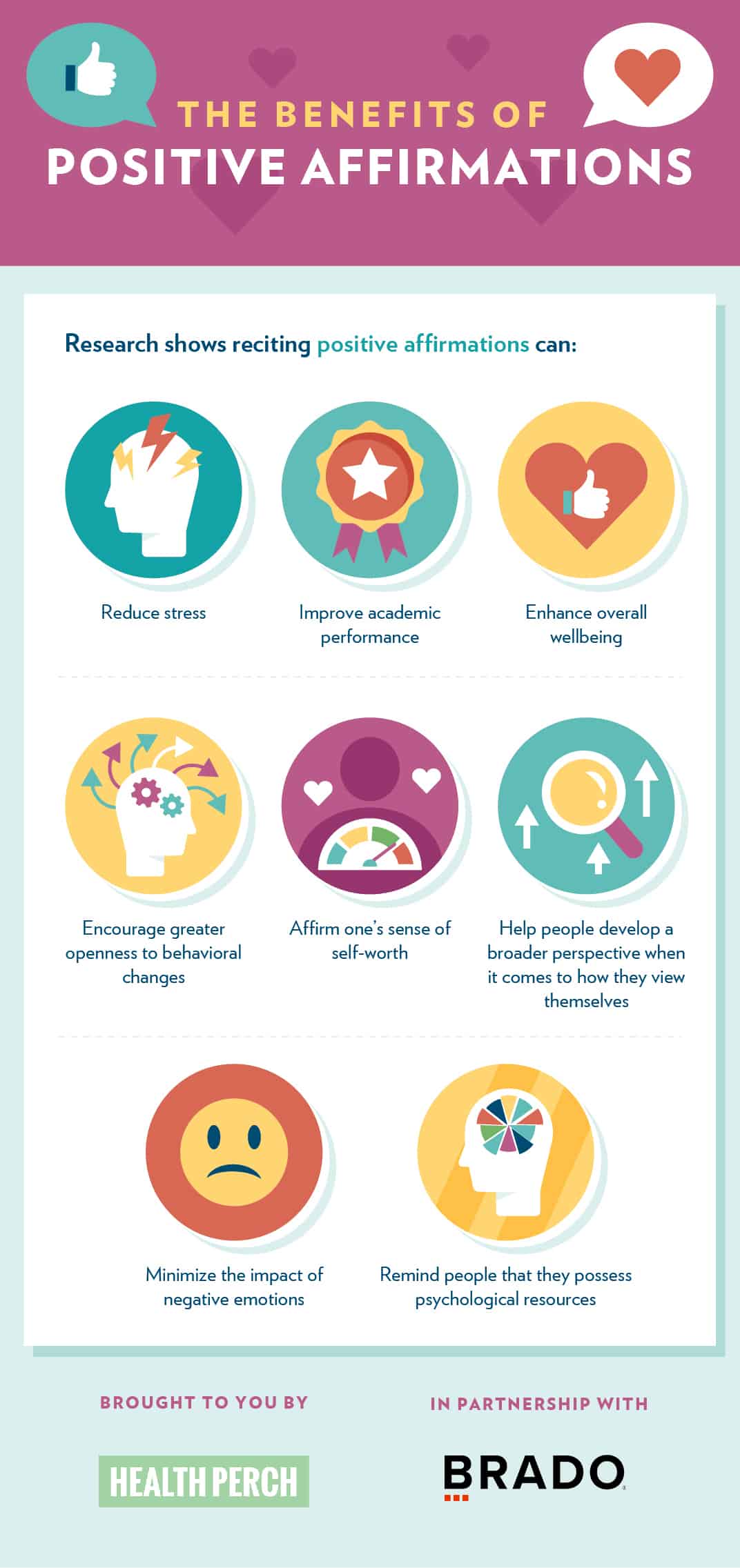
Research shows that affirmations can improve well-being, reduce stress, and even help people perform better in school and work. However, they are not magic. You must use them correctly, and results take time.
A non-obvious insight: affirmations can help you notice small wins. For instance, after a week of saying “I am confident,” you might speak up in a meeting. These small wins build momentum and make the affirmation feel more real.
Factors That Influence How Long Affirmations Take To Work
Many people wonder why some see results quickly, while others wait weeks or months. There are several factors that affect the speed and effectiveness of affirmations.
1. Consistency
If you use affirmations every day, you are more likely to see results sooner. Inconsistent use—like saying affirmations only once a week—slows down progress. Consistency creates new habits in your mind, and habits are the foundation of lasting change. Imagine planting a seed: you must water it regularly to see growth.
2. Emotional Connection
Affirmations work best when you feel strong emotions while repeating them. If you don’t believe the words, or if you say them without feeling, the effect is weaker. Feeling hope, excitement, or gratitude strengthens the impact. For example, saying “I am grateful for my abilities” while feeling thankful makes the affirmation stick.
3. Personal Belief
If your affirmation feels believable and close to your current reality, it works faster. If the affirmation feels too far from your truth, it takes longer to see change. For example, “I am learning to be confident” may work faster than “I am the most confident person in the world.
”
4. Existing Mindset
People with a positive mindset may see changes faster than those who struggle with deep negativity. If you have many negative thoughts, it takes more time to shift your mindset. Think of it like changing the direction of a river—it takes effort, but small changes add up.
5. Method Of Practice
How you use affirmations matters. Writing, speaking, listening, or visualizing can all make a difference. Combining methods can increase speed. For example, writing your affirmation and then reading it aloud is more powerful than only doing one.
6. Environment
If your environment supports your affirmation (for example, you’re in a positive workplace), you’ll see results faster. Negative environments slow progress. If you’re surrounded by people who criticize or doubt you, it is harder to believe in your affirmations.
7. Complexity Of Goal
Simple goals (“I am calm”) may show results in days or weeks. Complex goals (“I am a successful business owner”) require more time. A simple affirmation can change your mood quickly, while bigger goals need patience.
Beginners often miss that tracking progress helps speed up results. If you write down changes, even small ones, you see your improvement and feel motivated to continue.
Typical Timeframes For Affirmation Results
There is no fixed time for affirmations to work. But based on research, real-world examples, and expert advice, we can outline some common timeframes.
| Type of Affirmation | Average Time to Notice Change | Common Signs of Progress |
|---|---|---|
| Self-Esteem | 2–4 weeks | Feeling more confident, making eye contact |
| Stress Reduction | 1–3 weeks | Less anxiety, calmer reactions |
| Motivation | 2–6 weeks | Increased focus, taking action |
| Career/Performance | 4–8 weeks | Improved performance, more ambition |
| Deep Emotional Healing | 2–6 months | Less self-doubt, healthier relationships |
These timeframes are average estimates. Some people notice changes faster, while others take longer. The key is patience and consistency.
For example, someone working on stress reduction may notice calmer reactions after just a week of daily practice, while building self-esteem can take several weeks. If you aim for career improvement, you may need to combine affirmations with skill-building and networking, which naturally takes longer.

Credit: www.sciencealert.com
Real-life Examples Of Affirmation Results
Let’s look at some real stories to see how affirmations work for different people.
Example 1: Building Confidence
Sarah, a student, started saying “I am confident and prepared” every day before class. At first, she felt silly, but after three weeks, she noticed she was less nervous during presentations. By six weeks, she volunteered to speak in front of her class.
Sarah’s secret was adding a visualization step. Before saying her affirmation, she pictured herself standing tall and speaking clearly. This extra step helped her brain accept the affirmation faster.
Example 2: Reducing Stress
David, a busy manager, used “I am calm and in control” when feeling overwhelmed at work. After two weeks, he felt less anxious and handled difficult situations better. His coworkers noticed he was more relaxed.
David also kept a journal of his daily stress levels. By tracking his progress, he could see small improvements, which motivated him to continue.
Example 3: Achieving Career Goals
Maria wanted a promotion. She used “I am skilled and ready for new challenges” each morning. It took about two months, but she began to take more initiative and got noticed by her boss. She was promoted after four months.
Maria combined her affirmations with goal-setting. She wrote action steps, like volunteering for new projects, which helped her affirmations turn into real progress.
Example 4: Healing Self-doubt
Alex struggled with self-worth. He repeated “I am worthy of love and respect” daily. It took several months for him to feel a real change, but slowly, he started to believe the words and improved his relationships.
Alex found that sharing his affirmations with a close friend helped. When someone else encouraged him, his belief grew stronger. Support from others can make affirmations work faster.
Scientific Evidence On Affirmation Effectiveness
Research backs up the power of positive affirmations, but also shows that timing varies.
- A study from Carnegie Mellon found that affirmations can reduce stress and improve performance under pressure. However, participants needed to use affirmations for several weeks to see noticeable changes.
- Another study in the journal Self and Identity showed that self-affirmation improved problem-solving skills after regular practice for about one month.
- Experts agree that daily repetition is essential, and skipping days can delay results.
You can find more scientific information at Psychology Today.
Some studies also suggest that affirmations work best when paired with supportive actions. For example, if you affirm “I am healthy,” you should also eat well and exercise. The combination creates stronger results.
How To Make Affirmations Work Faster
If you want affirmations to work more quickly, follow these practical tips.
1. Be Consistent
Practice every day, ideally at the same time. Morning or evening routines work well. Consistency builds habit and speeds up results.
2. Use Emotion
Say your affirmation with feeling. Imagine the positive outcome as you speak the words. This strengthens your connection to the statement.
3. Make Affirmations Believable
Choose affirmations that feel true or close to your reality. If “I am a millionaire” feels impossible, try “I am becoming more financially secure. ”
4. Visualize Success
Picture yourself achieving your affirmation. Visualization makes the words more powerful and real.
5. Write Them Down
Writing your affirmations in a journal or on sticky notes helps reinforce the message. Read them aloud as you write.
6. Combine Methods
Use speaking, writing, listening, and visualization together. This multiplies the effect.
7. Remove Negative Influences
Avoid negative people, media, or situations that contradict your affirmation. Surround yourself with positivity.
8. Track Your Progress
Keep a simple journal of your feelings and actions. Notice small changes—they are signs that your affirmation is working.
9. Change Your Environment
If possible, spend more time in places that support your goals. For example, join a positive group or community. This can speed up your progress.
10. Pair Affirmations With Action
Take real steps that match your affirmation. If you affirm “I am confident,” start practicing small actions like speaking up or making eye contact.
Many people miss the importance of pairing affirmations with actions and environment. These steps often make the difference between slow and fast progress.
Common Mistakes That Delay Affirmation Results
Even with the best intentions, many people make errors that slow down their progress.
| Mistake | Effect on Results | How to Fix |
|---|---|---|
| Inconsistent Practice | Delays or stops progress | Set a daily routine |
| Choosing Unrealistic Affirmations | Reduces belief and effectiveness | Pick statements you can believe |
| Ignoring Emotions | Weakens impact | Connect emotionally with the words |
| Negative Environment | Makes affirmations harder to work | Seek positive surroundings |
| Expecting Instant Results | Leads to disappointment | Be patient and track progress |
Avoiding these mistakes helps you get faster and more reliable results.
Another mistake is forgetting to update affirmations. As you progress, you should change your statements to match your new level. For example, after improving self-esteem, you might shift from “I am worthy” to “I am confident in my abilities.”

Credit: www.cheservices.com
Comparing Affirmation Methods: Which Works Best?
People use affirmations in different ways. Some speak them aloud, others write, listen, or visualize. Which method is most effective for quick results?
| Method | Average Effectiveness | Speed of Results | Best for |
|---|---|---|---|
| Speaking Aloud | High | Fast | Confidence, motivation |
| Writing | Medium | Medium | Self-reflection, clarity |
| Listening (audio) | Medium | Medium | Relaxation, stress relief |
| Visualization | High | Fast | Achieving goals, performance |
| Combining Methods | Very High | Fastest | All types of goals |
Combining methods—such as speaking and visualizing together—offers the best results for most people.
As an extra tip, recording your own affirmations and listening to them can increase effectiveness. Hearing your own voice helps your mind believe the words.
How To Know If Affirmations Are Working
Sometimes, results are subtle. Here’s how to recognize progress:
- Mood improvement: You feel happier or more positive.
- Behavior changes: You act with more confidence or calm.
- Less negative self-talk: You notice fewer critical thoughts.
- New opportunities: You start seeing chances to grow or succeed.
- Feedback from others: Friends or coworkers notice changes.
Tracking these signs helps you stay motivated and patient.
You may also notice physical changes, such as less stress in your body or improved sleep. These are signs your mindset is shifting.
Setting Realistic Expectations
It’s important to set realistic expectations when using affirmations. Not every change will happen quickly. Some goals need weeks or months of practice. Here are tips for staying realistic:
- Start with small, believable affirmations.
- Expect gradual, not instant, change.
- Celebrate small wins along the way.
- Understand that setbacks are normal.
- Stay consistent, even if you don’t see results right away.
Remember, affirmations are a tool—not a cure-all. They help your mind shift, but you must also take action and stay patient.
Advanced Tips For Faster Results
If you want to go beyond the basics, try these advanced strategies:
- Pair affirmations with action: Take steps that match your affirmation. If you say “I am healthy,” start eating better and exercising.
- Use affirmations during meditation: Relax your mind, then repeat your statements. This strengthens belief.
- Record your affirmations: Listen to your own voice saying them. This adds personal power.
- Join a group or community: Share affirmations with others. Group support speeds up progress.
- Change affirmations as you grow: Update your statements to match your new reality.
Many beginners miss these advanced strategies, but they can make a big difference.
Another advanced tip: add gratitude to your affirmation routine. For example, after repeating “I am confident,” say, “I am grateful for my growth.” Gratitude helps your mind accept positive change.
Credit: www.northwestpharmacy.com
Why Some People Don’t See Results
A common question: Why do affirmations fail for some people? Usually, it’s because of:
- Lack of belief: If you don’t believe the words, your mind resists.
- Negative self-talk: Old habits are hard to break.
- Impatience: Expecting too much, too soon.
- Poor technique: Using affirmations without emotion or consistency.
If you’re not seeing results, review your practice and adjust. Try smaller, believable affirmations, and add emotion.
Another reason is external negativity. If people around you constantly criticize or doubt you, it’s harder to make affirmations work. Try to spend more time in supportive environments.
Non-obvious Insights About Affirmations
Many beginners miss these key points:
- Affirmations can trigger resistance: Sometimes, saying positive statements brings up negative feelings. This is normal. It means your mind is confronting old beliefs. Don’t quit—keep going.
- Changing environment speeds up change: If you move to a more positive place, or spend time with supportive people, affirmations work faster.
- Combining affirmations with gratitude: Saying what you’re thankful for makes affirmations stronger. For example, “I am grateful for my courage.”
- Small wins matter: Notice and celebrate small changes. They are signs your affirmation is working, even if your big goal is not reached yet.
- Update affirmations as you grow: Don’t stick with the same statement forever. Change your affirmation to match your progress.
Understanding these insights helps you use affirmations more effectively.
Frequently Asked Questions
How Many Times A Day Should I Repeat Affirmations?
Most experts suggest repeating your affirmations at least two times a day—morning and evening. Some people repeat them more often, like before important events. Consistency matters more than frequency.
What Is The Best Time Of Day To Use Affirmations?
The best time is when your mind is calm and open. Early morning, just after waking up, or at night before sleeping works well. Choose a time that fits your routine and feels comfortable.
Can Affirmations Work For Everyone?
Affirmations can help most people, but results vary. Some people need extra support, like therapy, if they have deep negative beliefs. If you use affirmations with patience and belief, you are likely to see improvement.
How Do I Know If My Affirmations Are Too Ambitious?
If your affirmation feels impossible, or you feel resistance, it may be too ambitious. Try using a smaller step, like “I am improving every day” instead of “I am perfect. ” As your belief grows, you can use bigger statements.
Should I Change My Affirmations Once I See Results?
Yes, updating your affirmations is a good idea. When you achieve a goal, create a new affirmation for your next goal. This keeps your practice fresh and helps you keep growing.
Positive affirmations can be a powerful tool for changing your mindset and achieving goals. The time it takes to see results depends on your consistency, belief, method, and environment. Most people notice changes in a few weeks, but some goals require months.
The key is to stay patient, use affirmations daily, and celebrate progress—no matter how small. With the right approach, affirmations can transform your life.
