

Gender Affirmation Benefits Canada: What You Need to Know
The topic of gender affirmation benefits in Canada is both important and complex. Across the country, many people seek support for their gender identity. For transgender, non-binary, and gender-diverse individuals, these benefits can make a big difference in daily life. Understanding what is available, how to access it, and the impact on health and well-being is key.
Canada is known for its inclusive approach, but the details can be confusing. Different provinces offer different services and coverage. Some benefits are funded by the government, while others require private insurance or special programs. This article gives you a clear guide to what gender affirmation benefits mean in Canada, who can access them, and how they affect people’s lives.
It covers medical, social, and financial support, as well as practical advice for navigating the system.
What Are Gender Affirmation Benefits?
Gender affirmation benefits are supports and services that help people live as their true gender. These can include medical treatments, legal assistance, psychological care, and more. The goal is to reduce barriers and improve quality of life for transgender and gender-diverse Canadians.
Some examples of gender affirmation benefits are:
- Hormone therapy
- Gender-affirming surgeries
- Mental health support
- Legal name and gender changes
- Voice therapy
- Peer support groups
- Coverage for medical supplies
- Inclusive health care policies
Each benefit plays a unique role. For many, access to these services means feeling seen and respected. It helps with self-confidence, mental health, and daily functioning. For instance, someone who can change their legal name and gender marker may feel safer and more comfortable in daily tasks like visiting the doctor or opening a bank account.
Others may find that access to hormone therapy or mental health care helps them be more productive at work or school.
Another aspect to note is that gender affirmation benefits are not only for those who are transitioning. Many non-binary people, for example, may not want medical treatments but still need legal or social support. These benefits are about respecting every person’s chosen path and helping them feel at home in their own skin.
Medical Gender Affirmation Benefits
Medical support is often the most visible part of gender affirmation. It includes treatments and procedures that help a person’s body match their gender identity. These medical benefits can have a profound effect on physical health, emotional well-being, and even a person’s sense of safety in public spaces.
Hormone Therapy
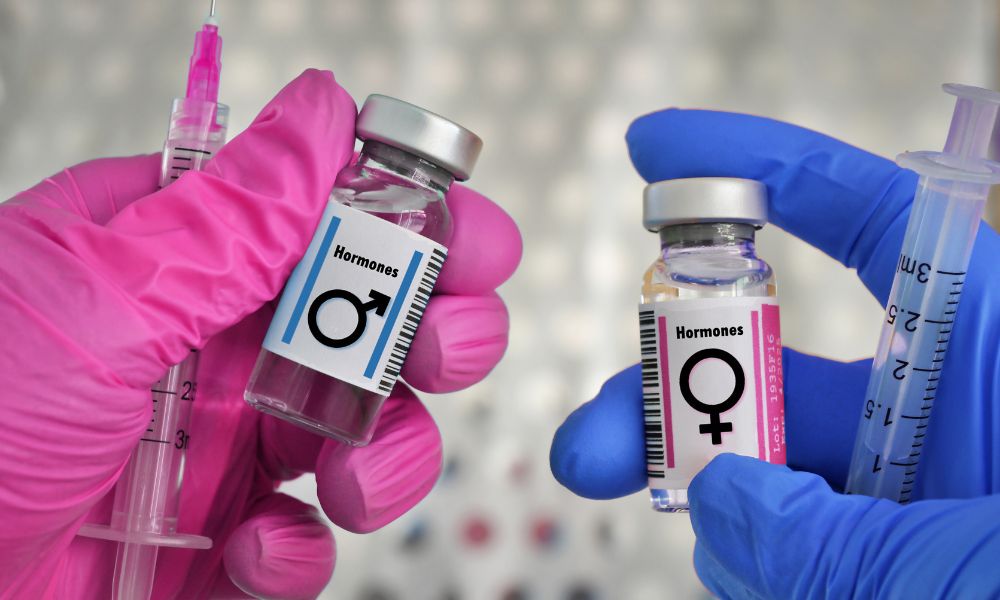
Hormone therapy is a common medical benefit. It involves taking hormones to develop physical traits that match a person’s gender. For example, transgender men may take testosterone, while transgender women may take estrogen and anti-androgens.
In Canada, hormone therapy can be accessed through:
- Primary care doctors
- Specialized clinics
- Endocrinologists
Most provinces cover the cost of hormone therapy under public health care. Some require a prescription and regular monitoring. Private insurance may also help with costs. Getting started usually involves an assessment by a doctor to talk about goals, risks, and possible side effects.
After starting hormones, people often have regular check-ups to ensure their health is stable.
Non-obvious insight: Some people think hormone therapy is only for adults. In reality, youth can also access hormones with proper medical guidance. This helps reduce distress and supports mental health early. It’s also important to know that stopping hormone therapy is possible—people are not “locked in” if they change their mind or need to pause for health reasons.
Many people do not realize that there are different types of hormone therapy protocols. For example, some people use patches or gels instead of injections, and the choice can depend on lifestyle, medical history, or comfort level. Your doctor can help you choose the best option for you.
Gender-affirming Surgeries
Surgical procedures are another important benefit. These can include:
- Chest (top) surgery: For transgender men and non-binary people, this involves removing breast tissue.
- Breast augmentation: For transgender women, this means adding breast implants.
- Genital surgery: This includes procedures like vaginoplasty or phalloplasty.
- Facial surgery: Some people seek changes to facial features to match their gender.
Coverage for surgeries varies by province. Some surgeries are fully funded by the public system; others require out-of-pocket payment or private insurance. The process can be lengthy, often involving waitlists, multiple assessments, and follow-up care. Most provinces require a letter of readiness from a qualified health professional before surgery is approved.
Here is a comparison of surgical coverage in three provinces:
| Province | Chest Surgery | Genital Surgery | Facial Surgery |
|---|---|---|---|
| Ontario | Yes | Yes | No |
| British Columbia | Yes | Yes | No |
| Quebec | Yes | Yes | Partial |
Non-obvious insight: Many people do not realize that travel costs for surgery may be covered, especially when the procedure is only available in another city or province. This reduces financial stress and makes access easier. In some cases, government programs will pay for a support person to travel with you, which can be vital during recovery.
It’s also worth noting that aftercare (like nursing support, follow-up appointments, or physical therapy) may be covered or partially subsidized, depending on your province. Always ask about what is included so there are no surprises.
Medical Supplies
Some gender affirmation benefits include coverage for medical supplies. These can be:
- Binders: Used by transgender men and non-binary people to flatten chest.
- Gaffs: Used to tuck genitals for a smoother appearance.
- Hair removal treatments: Laser or electrolysis for facial and body hair.
- Hormone injection equipment: Needles and syringes.
While public coverage is limited for these items, some private insurance plans help. Community groups may also provide free or discounted supplies. There are also programs that loan binders to youth or those in financial need, helping to reduce costs.
A less obvious point is that some provinces will cover hair removal as part of preparation for surgery (for example, before certain genital surgeries). If you need this treatment, ask your surgeon or health team about possible funding.
Voice Therapy
Voice therapy helps people match their voice to their gender. This is important for safety and comfort. Speech-language pathologists offer training and exercises.
Coverage depends on the province. Some public health plans include voice therapy; others require private insurance or out-of-pocket payment. In some cases, therapy is offered in group settings, which can make it more affordable and provide peer support.
For those without coverage, some universities or clinics offer lower-cost services through student programs. Practicing at home with online resources is also common, but professional help can make a big difference in results and safety.

Credit: www.abilities.ca
Mental Health And Social Support
Mental health is a big part of gender affirmation. Transgender and gender-diverse people often face challenges like anxiety, depression, and discrimination. Access to care can make a huge difference.
Counselling And Psychological Care
Many provinces offer mental health support through public programs. Services may include:
- Individual therapy
- Group counselling
- Family therapy
- Crisis intervention
Some clinics specialize in transgender care. Private insurance also covers therapy in many cases. For those without insurance, some organizations offer sliding-scale fees or free drop-in counselling.
Practical tip: Finding a therapist with experience in transgender issues is important. Ask about their training and approach before starting sessions. A therapist who respects your identity can help you feel more comfortable and get better results.
Some people benefit from trauma-informed care, especially if they have faced discrimination or violence. Look for therapists who mention this in their background.
Peer Support Groups
Peer support connects people with similar experiences. Groups may be in-person or online. They offer a safe space for sharing, learning, and building confidence.
Some support groups are run by hospitals, clinics, or community organizations. Others are independent. Peer support can reduce feelings of isolation and help with practical advice. Many people find it comforting to speak with others who understand what they are going through.
Online forums and social media groups can be useful, especially for those in remote areas. However, privacy and safety are important—choose groups that have moderators and clear rules.
Youth Support
Young people may need special help. Schools and youth centers offer programs for transgender and non-binary students. These may include:
- Safe spaces
- Counselling
- Educational workshops
- Support for families
Youth support helps build resilience and encourages acceptance. Some provinces have guidelines for supporting transgender students at school, including allowing name and pronoun changes and access to appropriate washrooms.
Family support is also crucial. Some organizations offer counselling and education for parents and siblings, helping families understand and support their loved one’s journey.
Social Services
Social services help with housing, employment, and legal issues. Some agencies focus on transgender clients, offering:
- Job placement help
- Housing assistance
- Legal aid
- Emergency support
These services are important for stability and independence. For example, some shelters have specific policies to support transgender people, and some job programs connect participants with inclusive employers.
A non-obvious benefit is that some cities have “navigator” programs—staff who help people access multiple services and solve problems as they come up.
Legal Gender Affirmation Benefits
Legal support is a key part of gender affirmation. It helps people change official documents to match their true gender.
Name And Gender Marker Changes
Most provinces allow people to change their name and gender marker on documents like:
- Birth certificates
- Driver’s licenses
- Health cards
- Passports
The process varies by province. Some require medical letters; others are more flexible. The process often involves filling out forms, providing proof of residence, and paying a fee. In some places, you can change your name and gender marker at the same time, saving time and paperwork.
Here is a comparison of requirements in three provinces:
| Province | Medical Letter Needed? | Age Restrictions | Cost |
|---|---|---|---|
| Ontario | No | Yes (under 16 needs parent) | Moderate |
| Alberta | Yes | Yes (under 18 needs parent) | Low |
| Nova Scotia | No | Yes (under 16 needs parent) | Low |
Non-obvious insight: Some provinces allow a third gender option (“X” or “unspecified”) on documents. This helps non-binary people feel respected and included. Also, some provinces will waive the fee for low-income applicants or youth, so it’s worth asking if cost is a barrier.
Changing your legal documents can also help with safety and privacy. For example, matching ID reduces the risk of being “outed” in public or at work.
Legal Aid And Advocacy
Legal aid helps with document changes, discrimination cases, and workplace issues. Many provinces have free or low-cost legal clinics for transgender people. Non-profit organizations also offer support.
Advocacy groups work to improve laws and policies. They push for better access, more funding, and stronger protections. They may also help you if you encounter problems with a government office or employer who does not respect your rights.
Some groups will help you file complaints or appeal decisions if you are denied benefits. Keep copies of all your documents and notes from conversations to make these processes easier.
Financial Gender Affirmation Benefits
Financial support helps cover costs that are not paid by public health care or insurance. This includes surgeries, travel, supplies, and legal fees.
Government Funding
Some provinces offer special programs for gender affirmation. These may include:
- Grants for surgery and travel
- Coverage for medical supplies
- Support for youth and families
Eligibility depends on income, age, and residency. Application processes can require proof of need, so gather documents like tax returns or letters from health professionals.
There are also national organizations that offer small grants to help with urgent needs, like transportation or emergency housing.
Private Insurance
Private insurance can fill gaps left by public programs. Plans vary, but may cover:
- Hormone therapy
- Surgery
- Mental health care
- Medical supplies
It is important to check your policy and ask about transgender benefits. Sometimes, these benefits are not listed clearly, so speaking with your insurer directly can help.
If you have workplace insurance, ask your human resources department about what is included. Some unions have successfully negotiated better coverage for gender affirmation care.
Community Funding
Many community groups raise money for gender affirmation needs. They offer:
- Crowdfunding campaigns
- Direct grants
- Donated supplies
These supports are especially helpful for people with limited income. Some groups also provide help with fundraising or writing grant applications.
Practical tip: Applying for multiple sources of funding increases your chances. Keep records and follow up with organizations. Don’t be afraid to ask for help—many people and organizations want to support your journey.
Accessing Gender Affirmation Benefits
Getting gender affirmation benefits can be challenging. Here are steps to help:
- Research what is available: Check government websites, clinics, and community groups. Ask about new programs or pilot projects.
- Get a referral: Some services need a doctor’s referral or medical letter. Build a relationship with a supportive doctor if possible.
- Apply for coverage: Fill out forms and provide documents as needed. Keep copies for your records.
- Follow up: Check your application status and ask questions. If you hit a barrier, ask for help from a community group or advocate.
- Connect with support groups: They can help with advice and encouragement. Peer networks often know the latest updates and can share tips.
Common mistake: Waiting too long to start the process. Many benefits take time to access, so begin early. Also, some programs have deadlines or limited spots.
It’s also wise to ask about appeals if your application is denied—sometimes a small error can be corrected.
Provincial Differences In Gender Affirmation Benefits
Canada’s provinces and territories offer different levels of support. Understanding these differences is important for planning.
Coverage Variations
While most provinces cover hormone therapy and some surgeries, coverage for other services is uneven. For example, facial surgery and voice therapy are rarely funded by public programs.
Some provinces are more flexible with legal changes and offer better mental health support. Others have stricter requirements. Moving to another province may offer better access, but this is not possible for everyone.
Geographic Access
Urban areas have more clinics and specialists. Rural and remote regions may have fewer resources. Telehealth and online support are growing, but in-person care can be limited. In the territories, people often travel long distances for care.
Practical tip: If you live outside a major city, ask about travel funding or online options.
Waiting Times
Demand for gender affirmation services is high. Waiting times for surgery, therapy, and legal changes can be long. Some provinces have waitlists of a year or more. Planning ahead and getting on lists early is crucial.
Practical tip: Ask about waitlists when you start the process. Look for clinics with shorter wait times or alternative services. Some people also check for cancellations or ask to be put on a standby list.
Impact On Health And Well-being
Gender affirmation benefits have a big impact on health. Research shows that access to care improves:
- Mental health
- Physical health
- Self-confidence
- Social participation
Transgender and gender-diverse people with access to affirmation services report lower rates of anxiety and depression. They are more likely to stay in school, find work, and build strong relationships.
Here is data from a Canadian study:
| Benefit Access | Depression Rate | Employment Rate | School Retention |
|---|---|---|---|
| Full Access | Low | High | High |
| Partial Access | Moderate | Moderate | Moderate |
| No Access | High | Low | Low |
Non-obvious insight: Even small steps, like changing a name or starting hormone therapy, can have a big positive effect on mental health and daily life. Simple acts of respect—using the correct name and pronouns—also make a significant difference.
Having access to gender affirmation benefits can also reduce the risk of self-harm and suicide, which remain serious concerns for transgender youth and adults. Feeling supported by family, friends, and community increases the positive effects of these services.
Credit: www.hrreporter.com
Challenges And Barriers
While Canada offers strong gender affirmation benefits, there are still challenges.
System Navigation
Understanding what is covered, how to apply, and what documents are needed can be confusing. Some people give up because the process is too hard. There may be a lack of clear information or staff who do not understand transgender needs.
Financial Gaps
Not all costs are covered. Many people pay out of pocket for supplies, travel, or surgery. This can be a big burden, especially for youth and low-income families. Even small expenses, like passport photos or travel for appointments, add up over time.
Stigma And Discrimination
Transgender and gender-diverse people still face stigma and discrimination. This affects health, employment, and access to services. Education and advocacy help, but change is slow. Discrimination can happen at work, in schools, or even in health care settings.
Some people fear being “outed” when applying for benefits, which can make them avoid care. Confidentiality is important—know your rights and ask about privacy policies.
Rural And Remote Access
People outside major cities have fewer resources. Telehealth helps, but not all services are available remotely. Travel may be needed for surgery or specialist care. This is especially hard for those with limited mobility or low income.
Practical tip: Use online resources and telehealth to fill gaps. Connect with advocacy groups for help. Some organizations can help with transportation or finding closer options.
Practical Advice For Navigating Gender Affirmation Benefits
Navigating the system can be tricky. Here is practical advice:
- Start with your family doctor: They can refer you to specialists and help with paperwork.
- Keep documents organized: Save medical letters, forms, and receipts. Consider making digital copies as backups.
- Ask about coverage: Check public and private insurance for details.
- Connect with community groups: They offer advice and emotional support.
- Be patient: The process can be slow, but persistence pays off.
- Advocate for yourself: Ask questions and push for your needs.
- Use online tools: Many provinces have online portals for applications and information.
Common mistake: Not checking for updates. Policies and coverage change over time. Stay informed to get the best support.
If you ever feel overwhelmed, ask a trusted friend or peer to help with paperwork or phone calls. Many community organizations offer free workshops on navigating benefits.

Credit: www.benefitscanada.com
Where To Find More Information
For more detailed guidance, visit official sources like:
canadian Centre For Gender And Sexual Diversity
This site provides up-to-date information, resources, and support. Many provincial health websites and local LGBTQ+ organizations also have helpful guides and contact numbers.
Frequently Asked Questions
What Are Gender Affirmation Benefits In Canada?
Gender affirmation benefits are services and supports that help transgender, non-binary, and gender-diverse people live as their true gender. These include medical treatments, legal changes, mental health support, and financial aid.
How Do I Access Gender Affirmation Benefits?
Start with your family doctor or local clinic. They can refer you to specialists and help with paperwork. Check government and community websites for details about coverage and eligibility.
Are Surgeries Fully Covered By Canadian Health Care?
Most provinces cover some gender-affirming surgeries like chest or genital surgery. Other procedures, like facial surgery, may not be fully funded. Coverage depends on where you live and your health plan.
Can Youth Access Gender Affirmation Benefits?
Yes. Youth can get hormone therapy, counselling, and legal changes with proper guidance. Some services require parental consent or medical letters.
What Should I Do If I Face Barriers Or Discrimination?
Reach out to legal aid or advocacy groups. They can help with discrimination cases, document changes, and workplace issues. Peer support groups also offer advice and emotional support.
Final Thoughts
Gender affirmation benefits in Canada are broad and growing. They cover medical, legal, mental health, and financial needs. While there are challenges, support is stronger than ever. Knowing your options, connecting with the right resources, and asking for help can make the journey easier.
With persistence and community support, transgender and gender-diverse Canadians can access the affirmation they deserve.
The landscape is changing, and every year brings new programs, legal updates, and more understanding in society. Staying informed and connected can help you make the most of the resources available. Remember, you are not alone—many people and organizations are ready to help you along the way.
