

Best Positive Affirmations for Self Improvement: Unlock Your Potential
Best Positive Affirmations For Self Improvement
Everyone wants to grow and feel better about themselves. But sometimes, negative thoughts can make this difficult. Positive affirmations are simple, powerful statements that help you change the way you think. When you repeat these phrases, you start to believe them.
This can lead to more confidence, better habits, and a happier life.
Many people use positive affirmations to improve their mood, boost their motivation, and reach their goals. Science shows that affirmations can help reduce stress and increase self-esteem. They are not magic words, but they can guide your mind to focus on what is good and possible.
If you want to become your best self, learning to use affirmations is a smart first step.
In this article, you will find the best positive affirmations for self improvement. You will learn how to use them, why they work, and which ones fit your needs. You will also see real examples, practical tips, and common mistakes to avoid.
Let’s explore how these simple phrases can make a big difference in your daily life.
What Are Positive Affirmations?
Positive affirmations are short statements that you say to yourself, usually out loud or in your mind. They focus on your strengths, goals, and values. For example: “I am strong,” or “I can learn new things.” These phrases help you replace negative thoughts with positive ones.
Affirmations work because they change the way you think. Your brain listens to what you say and starts to believe it. This is called self-talk. If you often tell yourself good things, your mind becomes more positive. This can help you make better choices, stay motivated, and feel happier.
Many people use affirmations every day. They may write them on sticky notes, repeat them in the morning, or use them as reminders. The goal is to make positive thinking a habit.
How Positive Affirmations Help Self Improvement
Self improvement means making yourself better in different ways—emotionally, mentally, physically, or spiritually. Positive affirmations are tools that help you reach your goals and build good habits.
Here’s how they help:
- Boost Confidence: When you repeat affirmations, you start to believe in your abilities. This helps you try new things and face challenges.
- Reduce Stress: Positive statements calm your mind and help you feel more relaxed.
- Motivate Action: Affirmations remind you of your goals. This pushes you to take steps toward them.
- Change Habits: By focusing on good behaviors, you slowly build better habits.
- Overcome Negative Thinking: Affirmations fight negative self-talk and help you stay positive.
Real-life Example
Imagine someone who often thinks, “I am not good enough. ” If they start saying, “I am capable and worthy,” every day, their confidence grows. They begin to try new things and see better results. This is the power of positive affirmations.
Data On Affirmations
Research shows that positive self-talk can improve performance and mental health. For example, a study from the University of Pennsylvania found that people who used affirmations felt more confident and less stressed. Another report showed that students who practiced positive affirmations before exams had higher test scores.

Credit: biglifejournal.com
How To Use Positive Affirmations
Using affirmations is simple, but there are best practices that can make them more effective. Here’s how you can use them in your daily routine:
- Choose the Right Statements: Pick affirmations that fit your goals and values.
- Repeat Them Daily: Say your affirmations in the morning, at night, or whenever you need a boost.
- Say Them Out Loud: Speaking them can make them feel more real.
- Write Them Down: Keep a notebook or use sticky notes to remind yourself.
- Believe in Them: Try to feel the meaning of the words. Don’t just say them; believe them.
Common Mistakes
Many beginners make mistakes with affirmations. Here are some to avoid:
- Using vague statements: “I want to be happy.” Instead, use clear phrases: “I am happy and grateful.”
- Ignoring feelings: If you don’t believe what you say, it may not work. Start with simple affirmations you can accept.
- Forgetting to repeat: One-time use is not enough. Make it a habit.
Example Routine
You can create a morning ritual with affirmations. Stand in front of a mirror, look at yourself, and say three positive statements. Repeat each one three times. This takes only five minutes but can set the tone for your day.
The Best Positive Affirmations For Self Improvement
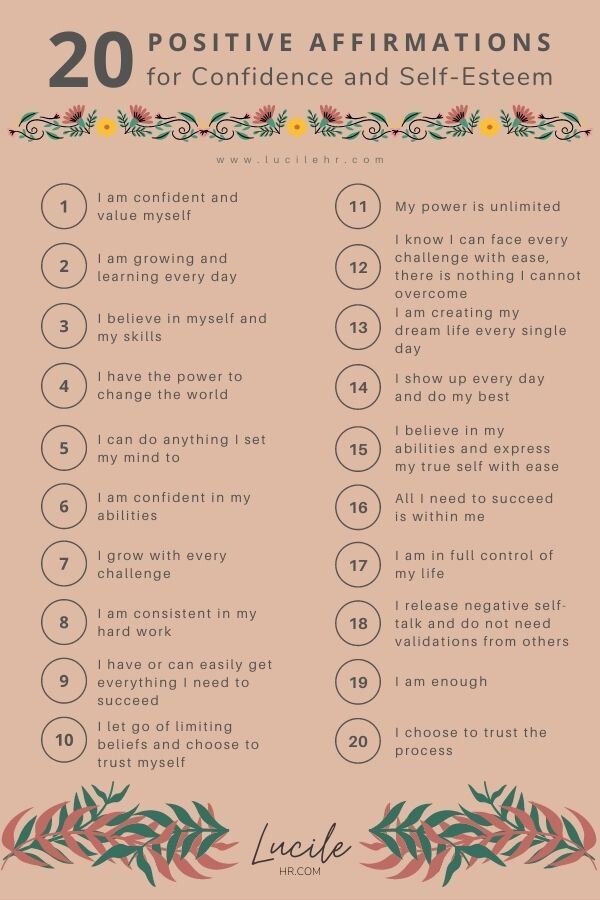
There are hundreds of affirmations, but some are more powerful for self improvement. Here are 30 of the best, divided by focus area:
Confidence & Self-esteem
- I am worthy of love and respect.
- I believe in my abilities.
- I accept myself as I am.
- I am proud of who I am becoming.
- I am confident in my decisions.
These affirmations help you feel good about yourself and trust your choices.
Motivation & Goal Setting
- I am focused on my goals.
- I can achieve anything I set my mind to.
- I am committed to success.
- I take action every day toward my dreams.
- I learn from my mistakes and keep moving forward.
Use these to stay motivated and remind yourself of your purpose.
Stress Reduction & Calmness
- I am calm and relaxed.
- I handle challenges with grace.
- I let go of what I cannot control.
- I breathe deeply and feel peace.
- I trust myself to overcome stress.
These phrases help you stay calm in tough situations.
Positive Thinking & Gratitude
- I am grateful for today.
- I focus on the good in my life.
- I choose happiness every day.
- I welcome new opportunities.
- I see beauty in every moment.
Affirmations about gratitude and positivity help you notice what is good in your life.
Growth & Learning
- I am always learning and growing.
- I am open to new ideas.
- I embrace change.
- I trust the process of self improvement.
- I am patient with myself as I grow.
These statements encourage you to keep learning and changing.
Self-care & Kindness
- I take care of my mind and body.
- I am gentle with myself.
- I deserve rest and relaxation.
- I forgive myself for past mistakes.
- I honor my needs and feelings.
Use these to remind yourself to practice self-care and kindness.
Creating Your Own Affirmations
While ready-made affirmations are helpful, creating your own can make them even more powerful. Personalized affirmations speak to your unique goals and challenges.
How To Create Personal Affirmations
- Think About Your Goals: What do you want to improve? Write it down.
- Use Positive Language: Avoid negative words. Say what you want, not what you don’t want.
- Keep It Simple: Short phrases are easier to remember.
- Make It Present Tense: Say “I am,” not “I will be.”
- Believe in Your Words: Choose statements you can accept and feel.
Example: If you want to become more organized, you might say, “I am organized and efficient.”
Two Insights Beginners Often Miss
- Small Changes Matter: You don’t have to use big or complex affirmations. Sometimes, simple statements like “I am okay” can make a big impact, especially if you feel overwhelmed.
- Consistency Beats Intensity: Using affirmations daily is more important than saying them perfectly. Many people try to use affirmations only when they feel bad, but regular practice builds lasting confidence.
Using Affirmations For Different Life Areas
Positive affirmations can be used in many parts of life. Here are some examples:
Work & Career
- “I am skilled and successful at my job.”
- “I attract new opportunities.”
- “I handle challenges with confidence.”
Relationships
- “I communicate clearly and kindly.”
- “I am surrounded by loving people.”
- “I build strong, healthy connections.”
Health
- “I respect my body and mind.”
- “I make healthy choices every day.”
- “I am strong and full of energy.”
Table: Affirmations By Life Area
Here’s a comparison of affirmations for different life areas.
| Life Area | Sample Affirmation | Purpose |
|---|---|---|
| Work | I am skilled and successful | Boost confidence and performance |
| Relationships | I communicate clearly and kindly | Improve connection and trust |
| Health | I make healthy choices every day | Encourage good habits |
Credit: www.lucilehr.com
Evidence And Statistics: Do Affirmations Really Work?
Some people wonder if affirmations actually help. The answer is yes, but only if you use them consistently and with belief.
Research Findings
- A report from the American Psychological Association shows that positive self-talk can lower stress and increase motivation.
- According to a survey, 76% of people who used daily affirmations noticed improved mood and confidence within one month.
- Experts found that affirmations can help with anxiety, especially when combined with other healthy habits.
Table: Effects Of Daily Affirmations
See the difference between people who use affirmations and those who don’t.
| Group | Confidence | Stress Level | Motivation |
|---|---|---|---|
| Daily Affirmation Users | Higher | Lower | Higher |
| Non-Users | Lower | Higher | Lower |
Practical Example
A manager who uses affirmations before meetings feels more confident and communicates better. Over time, their team notices the positive change. This is a simple but real result.
How To Make Affirmations A Daily Habit
Making affirmations part of your routine is key to self improvement. Here are practical steps:
- Set a Reminder: Use your phone or calendar to remind yourself.
- Link to Another Habit: Say your affirmations after brushing your teeth or before breakfast.
- Keep It Visible: Write them on your mirror or desk.
- Track Progress: Make a checklist and mark each day you use affirmations.
Example Table: Affirmation Habit Tracker
Use a tracker to stay consistent.
| Day | Used Affirmations? | Feeling After |
|---|---|---|
| Monday | Yes | Motivated |
| Tuesday | Yes | Calm |
| Wednesday | No | Stressed |
| Thursday | Yes | Confident |
This helps you see the effect of affirmations on your mood and progress.
Tips For Beginners
If you are new to affirmations, start small. Here are some tips:
- Use simple phrases that feel true.
- Repeat them every day, even if you don’t feel positive.
- Try different times—morning, night, or during breaks.
- Combine with deep breathing or meditation.
- Don’t worry if it feels strange at first. It gets easier.
Insight: Start With What Feels Good
Many beginners try to use big affirmations like “I am rich and successful.” If this feels false, it can be discouraging. Instead, start with what feels true: “I am learning and improving every day.” This builds trust and confidence over time.
Common Challenges And Solutions
Using affirmations is simple, but you may face challenges. Here’s how to solve them:
Challenge: Not Believing The Affirmation
Solution: Use softer statements like “I am open to change” instead of “I am perfect.” As you grow, move to stronger affirmations.
Challenge: Forgetting To Repeat
Solution: Set reminders or use visual cues, like sticky notes.
Challenge: Feeling Awkward
Solution: Practice alone or write them down. Over time, speaking them will feel natural.
Combining Affirmations With Other Self Improvement Tools
Affirmations work best when paired with other habits. Here are some combinations:
- Journaling: Write your affirmations and reflect on your progress.
- Meditation: Repeat affirmations during meditation for deeper impact.
- Visualization: Picture yourself achieving your goals as you say your affirmations.
Example
If your goal is to be more confident, write “I am confident,” then picture yourself speaking in public. This strengthens the effect.
When Affirmations May Not Work
Affirmations are powerful, but they are not a cure for everything. If you struggle with deep emotional issues, you may need more support. In these cases, consider talking to a counselor or therapist.
Also, affirmations do not replace action. Saying “I am healthy” must be followed by healthy choices. Use affirmations as motivation, but always take real steps.
Why Affirmations Work: The Science
Affirmations use a process called neuroplasticity, which means your brain can change and grow. When you repeat positive statements, your brain creates new pathways. This makes it easier to think good thoughts and take positive actions.
According to Psychology Today, self-talk shapes your beliefs and behavior. If you focus on positive words, you build a strong mindset. Over time, this leads to real self improvement.
Frequently Asked Questions
What Is The Best Time To Use Positive Affirmations?
The best time is when you wake up or before you go to sleep. These moments set your mood for the day or help you relax. You can also use affirmations before important events, like meetings or exams.
How Many Affirmations Should I Use Each Day?
Start with 3-5 affirmations. Repeat each one at least three times. This keeps your routine simple and easy to follow. You can add more as you get comfortable.
Can Affirmations Help With Anxiety?
Yes. Positive affirmations can calm your mind and reduce anxious thoughts. For best results, combine them with other habits like breathing exercises or meditation.
Do Affirmations Have To Be Spoken Out Loud?
No. You can speak them, write them, or think them silently. Speaking out loud can make them stronger, but writing or thinking is also effective.
How Long Does It Take To See Results From Affirmations?
Most people notice changes within a few weeks. Consistency is key. Use affirmations daily and track your progress. Results may vary, but regular practice leads to better mood and confidence.
Positive affirmations are simple tools, but their impact is powerful. They help you build confidence, reduce stress, and reach your goals. By choosing the right statements and using them daily, you can start to change the way you think and act.
Remember, small steps lead to big results. Start today and see how positive affirmations transform your life.

Credit: www.affirmations.online
