

Good Glute Workout: Top Exercises for Stronger, Rounder Glutes
A strong, well-shaped glute is more than just a fitness trend. It’s the engine behind your most powerful movements—running, jumping, lifting, and even walking. For athletes, glutes mean explosive performance. For everyday people, they protect the lower back, support posture, and make daily activities easier. Yet, many people struggle to see real glute growth or strength, even after hours at the gym. That’s often because their routines miss critical elements: the right exercises, intensity, and progression. Whether your goal is a firmer look, more strength, or better athletic power, a good glute workout can transform your results. This guide will show you what really works, why it works, and how to build a routine you’ll feel proud of every time you train.
Why Glute Training Matters
The gluteal muscles—gluteus maximus, gluteus medius, and gluteus minimus—are the largest and most powerful muscles in your body. They’re responsible for hip extension, abduction, and rotation. When these muscles are weak, other parts of your body must work harder. This can lead to back pain, knee injuries, and poor posture.
Many people have “glute amnesia” because of long hours sitting. This means their glutes are underactive. When you focus on glute training, you don’t just improve how you look. You also:
- Boost overall strength and stability
- Reduce risk of injury
- Improve sports performance
- Support healthy movement in daily life
If you’ve hit a plateau or struggle with lower back pain, weak glutes may be the hidden reason. Strengthening them is a smart long-term investment in your health and fitness.
Anatomy Of The Glutes: More Than Just One Muscle
Understanding the structure of your glutes helps you train them better. Here’s a quick breakdown:
- Gluteus Maximus: The largest muscle in your buttocks. It gives your glutes their shape and is key for hip extension (moving your thigh backward) and explosive movements like sprinting or jumping.
- Gluteus Medius: Located on the side of your hip. It stabilizes your pelvis, especially during single-leg movements.
- Gluteus Minimus: The smallest, deepest glute muscle. It helps with hip abduction and keeps your pelvis stable.
Many workouts focus only on the gluteus maximus. But for balanced, strong, and healthy hips, you must target all three.
What Makes A Good Glute Workout?
Many people think squats alone will build great glutes. While squats help, a good glute workout is more balanced and intentional. Here are the key elements to look for:
- Compound and Isolation Movements: Compound exercises work multiple muscle groups, while isolation moves target the glutes directly. Both are necessary for maximum results.
- Hip Extension, Abduction, and Rotation: Your routine should include exercises that hit all glute functions, not just hip extension.
- Progressive Overload: To grow and strengthen, your glutes need increasing challenge—more weight, more reps, or harder exercises over time.
- Mind-Muscle Connection: Actively focusing on squeezing your glutes during each rep increases activation and results.
- Variety and Volume: Changing exercises, angles, and rep ranges prevents adaptation and keeps your progress moving.
A routine built on these principles will work for beginners and advanced lifters alike.
The Best Glute Exercises For Real Results
Not all exercises are equal when it comes to glute activation. Research shows that some moves recruit the glutes much more than others. Below are top exercises, grouped by movement type, that should appear in any good glute workout.
Hip Extension Movements
Hip extension is the main function of the gluteus maximus. These exercises are heavy hitters for strength and growth.
- Barbell Hip Thrust
- Sit on the ground with your upper back against a bench, barbell over your hips.
- Drive through your heels, lift hips up, and squeeze glutes at the top.
- Lower with control.
- Why it works: Offers high glute activation and is easy to add weight to over time.
- Glute Bridge
- Lie on your back, feet flat on the floor, knees bent.
- Push hips up while squeezing glutes, then lower.
- Can be loaded with a barbell or performed single-leg for more challenge.
- Romanian Deadlift (RDL)
- Hold a barbell or dumbbells, stand tall.
- Hinge at hips, push butt back, keep a slight knee bend.
- Return to standing by driving hips forward.
- Focus on stretching and contracting glutes.
Hip Abduction Movements
These target the side glutes and help with hip stability.
- Cable or Band Side Steps
- Place a resistance band around your knees or ankles.
- Step sideways, keeping tension on the band.
- Keep your core tight and glutes engaged.
- Seated or Standing Hip Abduction Machine
- Sit and press knees out against resistance.
- Or stand and move leg out to the side, keeping hips level.
- Side-Lying Clamshells
- Lie on your side, knees bent, feet together.
- Open top knee while keeping feet together, then close.
- Add a mini-band for more resistance.
Glute Isolation And Burnout Moves
These exercises maximize the pump and finish your workout strong.
- Cable Kickbacks
- Attach ankle strap to a low cable.
- Kick your leg straight back, squeezing glutes at the top.
- Frog Pumps
- Lie on your back, soles of feet together, knees out.
- Drive hips up, focusing on glute squeeze.
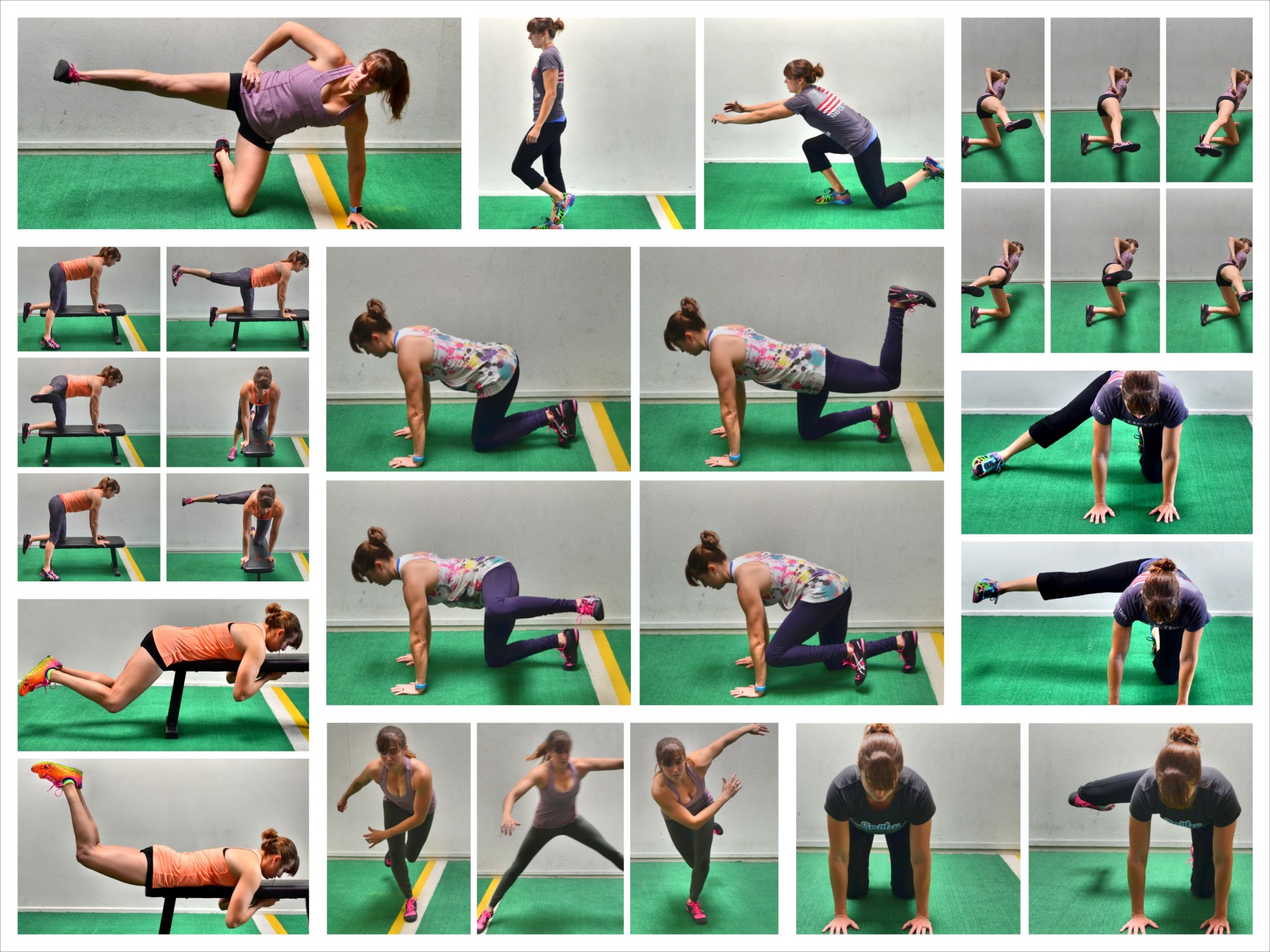
- Quadruped Donkey Kicks
- Start on all fours.
- Kick one heel toward the ceiling, keeping knee bent.
Squat And Lunge Variations
These compound moves also hit the glutes, especially when you use full range and focus on the muscle.
- Bulgarian Split Squat
- Stand with one foot behind on a bench.
- Lower your back knee toward the ground, then push up with your front heel.
- Leaning slightly forward increases glute activation.
- Sumo Squat
- Wider stance, toes pointed out.
- Squat down, keeping chest up, and push through heels.
- Reverse Lunge
- Step backward into a lunge, then return to start.
- Focus on driving through the front heel.
Comparison: Glute Activation In Popular Exercises
Some exercises provide much higher glute activation than others. This table compares average glute activation levels (as a percentage of maximum voluntary contraction) from EMG studies:
| Exercise | Glute Activation (%) |
|---|---|
| Barbell Hip Thrust | 80-100 |
| Bulgarian Split Squat | 60-85 |
| Romanian Deadlift | 60-80 |
| Back Squat | 50-70 |
| Glute Bridge | 70-90 |
The takeaway: for pure glute growth, hip thrusts and bridges are kings.

Credit: www.fondation-enovos.lu
Building Your Good Glute Workout Routine
You don’t need to spend hours in the gym. Instead, focus on quality, progression, and smart exercise selection. Here’s how to put it all together.
How Many Days Per Week?
Most people see great results with 2–3 glute-focused workouts per week. This gives enough stimulation for growth and enough rest to recover.
Sample Weekly Plan
A balanced plan could look like this:
- Day 1: Heavy Glute Focus
- Barbell Hip Thrusts
- Romanian Deadlifts
- Bulgarian Split Squats
- Cable Kickbacks
- Day 2: Glute & Lower Body
- Sumo Squats
- Reverse Lunges
- Side Lying Clamshells
- Frog Pumps
- Day 3: Glute Burnout & Stability
- Glute Bridges (high reps)
- Band Side Steps
- Seated Hip Abduction Machine
- Donkey Kicks
Adjust sets and reps to your level (see the next section).
Sets, Reps, And Rest: How Much Is Enough?
For muscle growth and strength, use a mix of rep ranges:
- Heavy Sets (4–6 reps): Build strength and power.
- Moderate Sets (8–12 reps): Best for muscle size (hypertrophy).
- High Rep Sets (15–25 reps): Boost endurance and the “pump.”
Most people do well with 3–4 sets per exercise. Rest 60–120 seconds between sets for heavy lifts, and 30–60 seconds for isolation/burnout moves.
Sample Workout Structure
A typical glute workout might look like this:
- Barbell Hip Thrusts – 4 sets x 8–10 reps
- Romanian Deadlifts – 3 sets x 8–12 reps
- Bulgarian Split Squats – 3 sets x 10–12 reps per leg
- Cable Kickbacks – 2 sets x 15 reps per leg
- Frog Pumps – 2 sets x 20 reps
Always start with compound/heavy moves when you’re fresh, then finish with isolation or high-rep exercises.
Example: Glute-focused Vs. Traditional Lower Body Workouts
See how a good glute workout differs from a regular leg day:
| Traditional Leg Workout | Glute-Focused Workout |
|---|---|
| Back Squat | Barbell Hip Thrust |
| Leg Press | Bulgarian Split Squat |
| Leg Extension | Romanian Deadlift |
| Hamstring Curl | Glute Bridge |
| Calf Raise | Side-Lying Clamshell |
The glute-focused plan puts hip extension and abduction at the center, rather than just squats and presses.
Progression: Making Your Glute Workouts More Effective
Progression is the secret sauce for growth. Here’s how to keep improving:
Add Weight Gradually
If you can easily finish your reps, add a small amount of weight next time. Even 2. 5–5 lbs makes a difference over months.
Increase Reps Or Sets
If you’re limited on equipment, add more reps or extra sets to increase the workload.
Change Exercise Angles
Try elevating your feet, changing stance width, or using different equipment (dumbbells, bands, cables) to challenge your glutes from new angles.
Slow Down The Tempo
Pausing at the top of hip thrusts or slowing down the lowering phase increases muscle tension and growth.
Mind-muscle Connection
Actively focus on your glutes during every rep. This small mental shift can boost activation by 10–20%.

Credit: www.fondation-enovos.lu
Common Mistakes In Glute Training
Even with the best plan, these mistakes can stall your progress:
- Letting Other Muscles Take Over: If you feel squats mainly in your quads or deadlifts in your lower back, you may need to adjust your form.
- Not Using Full Range of Motion: Partial reps limit glute activation. Go deep (while staying safe).
- Neglecting Single-Leg Work: Single-leg exercises fix muscle imbalances and improve hip stability.
- Skipping Warm-Ups: Cold muscles don’t fire well. Take 5–10 minutes to activate your glutes before heavy work.
- Ignoring Recovery: Muscles grow when you rest, not when you train.
One non-obvious mistake: Many people don’t train glutes with enough intensity. You should finish your sets feeling like you could only do 1–2 more reps with good form.
Glute Activation: Waking Up “sleeping” Muscles
If you sit a lot or your glutes feel inactive, try glute activation drills before your main workout. These “wake up” your muscles, so you get more out of every set.
Great options include:
- Mini-band lateral walks
- Glute bridges (bodyweight)
- Quadruped fire hydrants
Spend just 5–7 minutes on these. You’ll notice better muscle engagement during your main lifts.
Home Vs. Gym: Can You Build Glutes Anywhere?
You don’t need a gym to get strong glutes, but access to weights makes progression easier. Here’s a quick comparison:
| Home Workouts | Gym Workouts |
|---|---|
| Bodyweight or bands | Barbells, machines |
| High reps, slow tempo | Easy to add heavy weight |
| Creative exercise variations | More exercise options |
| Good for beginners/intermediates | Ideal for advanced lifters |
If you train at home, use bands, single-leg moves, and high reps. At the gym, take advantage of heavy lifts and machines.
Nutrition And Recovery: Fueling Glute Growth
No matter how good your workout, your glutes won’t grow without the right nutrition and recovery.
Protein: Building Blocks Of Muscle
Aim for 0.7–1 gram of protein per pound of body weight per day. Sources like chicken, eggs, Greek yogurt, tofu, beans, and protein shakes are excellent.
Calories: Eat For Your Goals
To grow muscle, you need a slight calorie surplus. If you want to lose fat but keep your glutes, eat at a slight deficit but keep protein high and continue strength training.
Rest And Sleep
Muscles need time to rebuild. Aim for 7–9 hours of sleep per night. Avoid training glutes hard on back-to-back days.
Hydration
Even mild dehydration hurts performance and recovery. Drink water throughout the day.
Two Non-obvious Insights For Better Glute Results
- Exercise Order Matters More Than You Think: Starting with hip thrusts or bridges, when your glutes are freshest, leads to higher activation. If you do squats or deadlifts first, your glutes can get “lost” behind stronger muscles like quads or hamstrings.
- Strong Glutes Improve Upper Body Training: Stable, powerful glutes give you a stronger foundation for pressing and pulling exercises. This is why athletes in every sport prioritize glute strength—it impacts the whole body, not just the lower half.
Glute Workouts For Different Goals
The ideal glute routine changes based on your specific target.
For Size And Shape
- Focus on moderate to heavy weights, 8–12 reps per set.
- Use exercises like hip thrusts, split squats, and abductions.
- Include both compound and isolation moves.
For Athletic Power
- Include explosive exercises like jump squats and kettlebell swings.
- Use lower reps (4–6) and focus on speed and force.
- Don’t skip single-leg work for stability.
For Injury Prevention And Stability
- Emphasize abduction and rotation exercises (side steps, clamshells).
- Focus on perfect form, slow tempo, and balance.
- Use lighter weights and higher reps.
For Beginners
- Start with bodyweight movements: Glute bridges, squats, donkey kicks.
- Learn correct form before adding weight.
- Consistency matters more than intensity at first.
Credit: redefiningstrength.com
Tracking Progress: How To Know Your Glutes Are Growing
Measuring progress is about more than just looking in the mirror. Here’s how to know your routine is working:
- Strength Gains: Are you lifting more weight or doing more reps than last month?
- Better Performance: Do you feel stronger in sports or daily life?
- Muscle Soreness: Occasional soreness after workouts can mean you’re targeting the right muscles (but it’s not required).
- Visual Changes: Take progress photos every 4–6 weeks. Small changes add up over time.
- Hip and Core Stability: Less back or knee pain, better posture.
Remember, muscle growth is slow—often just 1–2 pounds of new muscle per month is excellent progress.
Advanced Tips For Glute Enthusiasts
Once you’ve mastered the basics, try these advanced strategies:
- Paused Reps: Hold the top of your hip thrust for 2–3 seconds for extra tension.
- Drop Sets: After your last set, reduce weight and continue repping to failure.
- Giant Sets: Combine 3–4 glute exercises with little rest for maximum pump.
- Unilateral Loading: Use single-leg movements to challenge stability and prevent imbalances.
- Range of Motion Tricks: Elevate your feet or shoulders to increase stretch and activation.
Don’t try all at once—add one new technique every few weeks to keep your body adapting.
Safety And Injury Prevention
Glute training is safe for most people, but keep these guidelines in mind:
- Warm up before heavy lifts.
- Use proper form—don’t let your back arch or knees cave in.
- Start with light weights to learn technique.
- If you feel sharp pain (not muscle burn), stop the exercise.
- Listen to your body and rest if you’re fatigued or sore.
If you have a previous injury or medical issue, check with a qualified professional before starting a new program.
Frequently Asked Questions
How Often Should I Train My Glutes?
For most people, training glutes 2–3 times per week is ideal. This frequency gives enough stimulation for growth but also allows for proper recovery. Beginners might start with twice a week, while advanced athletes can handle more frequent sessions if they manage volume and intensity carefully.
Do I Need To Lift Heavy Weights To Grow My Glutes?
Heavy weights help with strength and muscle growth, but they’re not the only option. You can build glutes with bodyweight, resistance bands, or lighter weights by increasing reps, slowing down the tempo, or using single-leg variations. The key is progressive overload—keep challenging your muscles over time.
Can I Train Glutes At Home Without Equipment?
Yes, you can get a great glute workout at home using bodyweight and resistance bands. Moves like glute bridges, donkey kicks, frog pumps, and banded side steps are effective. Focus on higher reps, slow movement, and good form. If possible, add a backpack with books or use household items for extra resistance.
Why Don’t I Feel My Glutes Working During Squats Or Lunges?
If you don’t feel your glutes, it could be a form issue or weak mind-muscle connection. Try leaning slightly forward in squats or split squats, pushing through your heels, and actively squeezing your glutes at the top of each rep.
Glute activation exercises before your main workout can also help.
Are Glute Workouts Safe For People With Back Pain?
Glute training can actually help with certain types of back pain by improving hip and core stability. However, it’s important to use correct form and avoid exercises that cause discomfort. Start with bodyweight glute bridges and focus on gentle, controlled movements.
Consult a physical therapist if you have ongoing pain.
Final Thoughts: Your Path To Stronger, Healthier Glutes
A good glute workout is more than a checklist of exercises—it’s a thoughtful mix of movement patterns, intensity, and progression. By focusing on compound lifts, isolation work, and proper form, anyone can build glutes that are strong, stable, and functional. Don’t be afraid to change up your routine, try new moves, and listen to your body. Progress comes from consistent effort and smart adjustments, not just from doing more.
If you want deeper insights into exercise science and glute training, check out this guide from the National Strength and Conditioning Association.
Your glutes are built for power—give them the attention they deserve, and you’ll feel the difference in every step, jump, and lift.
