

Glute Workout for Women: Sculpt, Lift, and Strengthen Fast
Glute Workout For Women
Strong glutes are much more than just a trend. For many women, building the glute muscles means better posture, improved athletic performance, and greater confidence. But glute workouts are often misunderstood. Some believe only squats matter, while others try random exercises without seeing results. If you want firmer, rounder, and more powerful glutes, you need the right plan. This guide will help you understand glute anatomy, effective exercises, workout routines, common mistakes, nutrition tips, and practical advice. Whether you are new or experienced, you’ll learn how to shape your glutes safely and efficiently.
Understanding Glute Muscles
The glutes are made up of three main muscles:
- Gluteus maximus: The largest muscle, giving your butt its shape. It powers movements like standing up, climbing, and jumping.
- Gluteus medius: Located on the side, it stabilizes your hips during walking, running, and single-leg exercises.
- Gluteus minimus: Smaller and deeper, it helps rotate and support your hip.
These muscles work together for daily activities and athletic movements. Weak glutes can cause back pain, poor balance, and limited power. Strong glutes protect your body and boost your performance in sports and workouts.
Why Glute Strength Matters
Women often face extra challenges with glute activation due to sitting for long periods and hormonal factors. Strong glutes can:
- Reduce risk of knee and back injuries
- Improve running, jumping, and lifting ability
- Support better posture and core stability
Many women also want toned glutes for aesthetic reasons. But the benefits go much deeper than looks.
How Glute Training Works
Building glutes requires a mix of compound movements and isolation exercises. Compound movements use several muscle groups, while isolation exercises target the glutes directly.
Compound Exercises
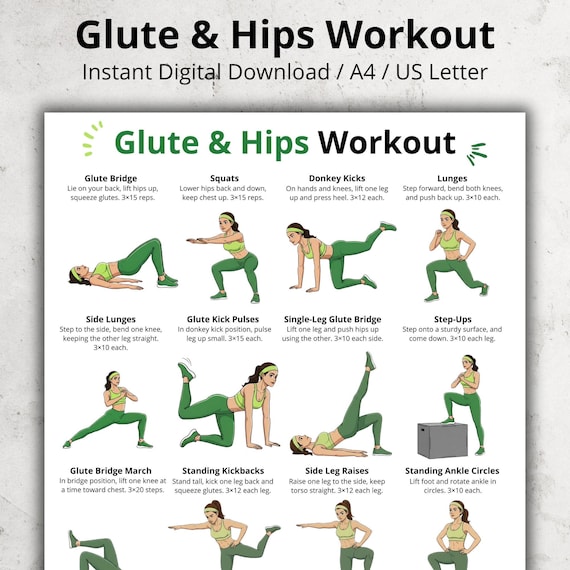
- Squats: Work glutes, quads, and hamstrings. Variations like sumo squats and Bulgarian split squats can increase glute activation.
- Deadlifts: Especially Romanian deadlifts, focus on glutes and hamstrings.
- Lunges: Forward, reverse, and lateral lunges target the glutes and legs.
Isolation Exercises
- Hip thrusts: One of the best for glute growth.
- Glute bridges: Similar to hip thrusts but done on the floor.
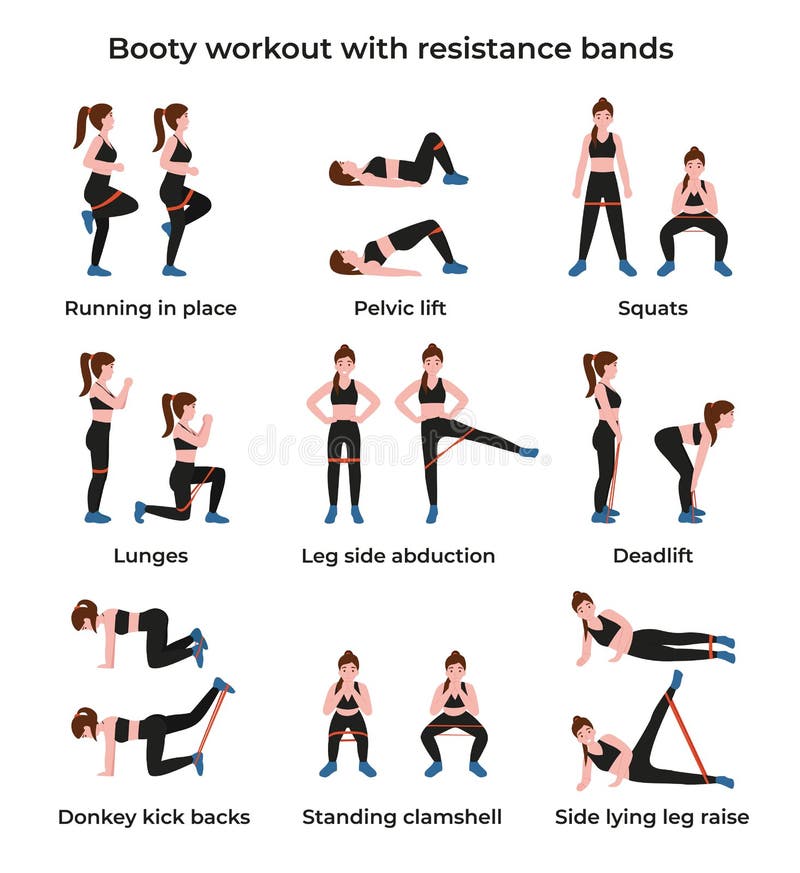
- Kickbacks: Use cables or bands to focus on glute contraction.
- Abduction movements: Like side-lying leg raises and band walks.
To build glute size and strength, you need to:
- Use challenging resistance (weights, bands, or body weight)
- Train 2–3 times per week, allowing rest between sessions
- Include both compound and isolation exercises in your routine
Credit: www.etsy.com
Best Glute Exercises For Women
Not all glute exercises are equal. Some activate the muscle more, while others are better for endurance or stability. Here are the most effective glute exercises for women, with details on how to perform them and what muscles they target.
| Exercise | Primary Glute Activation | Equipment Needed |
|---|---|---|
| Hip Thrust | Very High | Barbell/Bench |
| Glute Bridge | High | Bodyweight/Barbell |
| Bulgarian Split Squat | Moderate to High | Dumbbells/Bench |
| Romanian Deadlift | High | Barbell/Dumbbells |
| Sumo Squat | Moderate | Dumbbell/Barbell |
| Cable Kickback | High | Cable Machine |
| Band Walk | Moderate | Resistance Band |
| Side-Lying Leg Raise | Moderate | Bodyweight/Band |
Hip Thrust
This exercise is famous for glute activation. Sit on the ground with your upper back on a bench. Roll a barbell over your hips (or use bodyweight). Push your hips up, squeeze your glutes, then lower slowly.
- Tip: Keep your chin tucked and core tight. Avoid arching your back.
Glute Bridge
Lie on your back with knees bent and feet flat. Lift your hips by squeezing your glutes. Lower slowly. You can add weight for more challenge.
Bulgarian Split Squat
Stand with one foot behind you on a bench. Lower your body until your front thigh is parallel to the ground, then push back up. This works the glutes, quads, and improves balance.
Romanian Deadlift
Hold a barbell or dumbbells in front. Keep your knees soft and back straight. Lower the weights by bending at the hips, then stand up by squeezing your glutes.
Sumo Squat
Stand with feet wider than shoulder-width, toes slightly out. Lower into a squat, keeping knees in line with toes. Push back up. This variation targets the inner thighs and glutes.
Cable Kickback
Attach a cable to your ankle. Stand and kick your leg back while keeping your knee slightly bent. Focus on the glute squeeze.
Band Walk
Place a resistance band above your knees. Step side-to-side, keeping tension on the band. This strengthens the glute medius and minimus.
Side-lying Leg Raise
Lie on your side, lift your top leg up, and lower it slowly. Add a band for extra resistance. This isolates the side glutes.
Glute Workout Plans For Women
A balanced glute workout plan should include a mix of strength, endurance, and activation exercises. Here are two sample routines: one for beginners, one for intermediate/advanced women.
Beginner Glute Workout (2x Per Week)
- Glute Bridge – 3 sets x 12 reps
- Bodyweight Squat – 3 sets x 15 reps
- Reverse Lunge – 3 sets x 10 reps each leg
- Side-Lying Leg Raise – 3 sets x 12 reps each side
- Band Walk – 2 sets x 20 steps
Rest 60–90 seconds between sets. Focus on form and slow movement.
Intermediate/advanced Glute Workout (3x Per Week)
- Hip Thrust (barbell) – 4 sets x 10 reps
- Bulgarian Split Squat – 3 sets x 12 reps each leg
- Romanian Deadlift – 4 sets x 8 reps
- Sumo Squat – 3 sets x 15 reps
- Cable Kickback – 3 sets x 12 reps each leg
- Band Walk – 3 sets x 20 steps
Rest 90–120 seconds between sets. Increase weight as you progress.
Weekly Glute Training Schedule Example
| Day | Workout | Focus |
|---|---|---|
| Monday | Strength (Hip Thrust, Split Squat, Deadlift) | Heavy weights, low reps |
| Wednesday | Activation (Band Walk, Kickbacks, Bridges) | Light weights, higher reps |
| Friday | Combination (Squats, Lunges, Sumo Squat) | Mixed intensity |
This schedule allows for recovery and varied stimulus, which helps glute development.
Common Glute Workout Mistakes
Many women struggle to see results because of mistakes in their glute workouts. Here are the most common errors:
- Poor form: Using bad technique can shift the work to other muscles and cause injuries. Always focus on controlled movement and glute squeeze.
- Not enough resistance: Bodyweight is good for beginners, but you need to add weights or bands for growth.
- Overusing squats: Squats are great, but only relying on them misses other glute muscles.
- Skipping warm-up: Cold muscles work less efficiently and get injured easily. Always warm up with simple glute activation moves.
- Neglecting recovery: Glutes need rest to rebuild and grow. Training every day can stall progress.
- Not tracking progress: Without logging weights or reps, it’s hard to know if you’re improving.
- Inconsistent workouts: Skipping sessions or changing routines too often prevents results.
- Ignoring nutrition: Muscles need protein and calories to grow.
Two Insights Beginners Often Miss
- Glute activation: Many women don’t realize their glutes might not “fire” properly because of sitting too much. Using activation drills (like band walks or glute bridges) before heavy exercises can boost results.
- Mind-muscle connection: Simply moving through exercises isn’t enough. You need to consciously squeeze the glutes during each rep. This increases muscle recruitment and growth.
Glute Activation Techniques
If you have trouble feeling your glutes working, try these activation drills before your workout:
- Clamshells: Lie on your side with knees bent, open and close your top knee while keeping feet together.
- Single-leg glute bridge: Lift one leg and perform a bridge. This forces the working glute to activate.
- Banded hip abduction: Sit with a band around your thighs, open your knees against resistance.
Perform 2 sets of 15–20 reps for each drill. You’ll notice your glutes engage more during main exercises.
How To Progress Your Glute Workout
Progression is key for glute growth. Here’s how to keep improving:
- Increase resistance: Add weight to exercises like hip thrusts or squats.
- Add reps or sets: Gradually increase the volume.
- Try harder variations: Move from bodyweight to single-leg versions or use bands.
- Track your workouts: Write down weights and reps to see your progress.
Example Progression Table
| Exercise | Week 1 | Week 4 | Week 8 |
|---|---|---|---|
| Hip Thrust | 50 lbs x 10 reps | 65 lbs x 10 reps | 80 lbs x 10 reps |
| Bulgarian Split Squat | Bodyweight x 12 reps | 15 lbs x 12 reps | 25 lbs x 12 reps |
| Cable Kickback | 10 lbs x 12 reps | 15 lbs x 12 reps | 20 lbs x 12 reps |
Small, steady increases add up over time.
Glute Workout Modifications For Different Goals
Women have different reasons for glute training. Here’s how to adjust your workout:
For Size And Shape
- Focus on heavy compound lifts (hip thrust, deadlift)
- Use 8–12 reps per set
- Train glutes 2–3 times weekly
For Strength
- Use lower reps (4–8) with higher weight
- Include explosive moves like jump squats
For Endurance And Tone
- Increase reps (15–20) with lighter weight
- Add circuits or supersets
For Athletic Performance
- Mix strength and power exercises
- Include sprinting, plyometrics, and agility drills
Glute-friendly Nutrition Tips
Training is only part of the equation. Nutrition plays a big role in muscle growth and recovery.
- Protein: Aim for 1.2–1.6 grams per kilogram of body weight daily. Good sources are chicken, fish, eggs, beans, and Greek yogurt.
- Healthy carbs: Fuel your workouts with whole grains, potatoes, fruit.
- Healthy fats: Avocado, olive oil, nuts help hormone balance.
- Hydration: Drink enough water to support energy and recovery.
Example Glute-building Meal Plan
- Breakfast: Scrambled eggs, whole wheat toast, berries
- Lunch: Grilled chicken, quinoa, steamed broccoli
- Snack: Greek yogurt, almonds
- Dinner: Salmon, sweet potato, green salad
Eat within 2 hours after your workout for best muscle repair.
Glute Workout At Home Vs Gym
You don’t need a fancy gym for glute training. Both home and gym workouts can be effective, but each has pros and cons.
Home Workout
- Use bodyweight, bands, small dumbbells
- Great for beginners or busy schedules
- Limited resistance may slow progress after a few months
Gym Workout
- Access to barbells, machines, heavier weights
- Easier to progress and try new exercises
- May require travel and gym membership
Choose what fits your lifestyle. The most important thing is consistency.
Glute Workout Safety Tips
Training glutes safely prevents injuries and keeps you progressing.
- Warm up: Spend 5–10 minutes on activation and light cardio
- Use proper form: Avoid rounding your back or letting knees cave in
- Start light: Increase weight gradually
- Listen to your body: Stop if you feel sharp pain
- Rest: Allow at least one day between hard glute sessions
How To Measure Glute Progress
Tracking progress helps you stay motivated and see results.
- Take photos: Every 4 weeks from different angles
- Measure hip and waist circumference: Use a tape measure
- Log weights and reps: Keep a workout journal
- Watch for performance gains: Can you lift heavier? Jump higher?
Progress may be slow at first, but consistent effort brings results.
Glute Training For Different Ages
Women of all ages can benefit from glute workouts. However, adjustments may be needed.
- Teenagers: Focus on bodyweight and learning correct form
- Adults: Mix weights and bodyweight, push intensity safely
- Older women: Use lighter resistance, more reps, and prioritize balance
Consult your doctor if you have injuries or health issues before starting a new routine.
Combining Glute Workouts With Other Training
Glute training fits well with other fitness goals. Here’s how to combine them:
- Cardio: Add short cardio sessions after glute workouts for fat loss
- Upper body training: Alternate days, or combine in full-body workouts
- Flexibility: Stretch hamstrings, hips, and lower back after training
Balance your routine so you don’t overwork any muscle group.
Credit: thedbmethod.com
Glute Training For Different Body Types
Your body type affects how you build glutes.
- Ectomorphs (thin): May need more calories and focus on strength
- Mesomorphs (athletic): Respond well to both weights and high reps
- Endomorphs (curvy): Benefit from circuit training and moderate weights
Personalize your plan for best results.
Glute Workout Motivation Tips
Staying motivated can be tough, especially when results take time. Try these ideas:
- Set short-term goals (e.g., add 10 lbs to hip thrust in 6 weeks)
- Join a fitness group or find a workout partner
- Track progress with photos or measurements
- Reward yourself for consistency (not just results)
- Change up your routine every few months
Sample Glute Workout Circuit
If you’re short on time, try this circuit:
- Bodyweight Hip Thrust – 12 reps
- Bulgarian Split Squat – 10 reps each leg
- Band Walk – 20 steps
- Romanian Deadlift (dumbbells) – 12 reps
- Side-Lying Leg Raise – 15 reps each side
Repeat for 3 rounds with 60 seconds rest between rounds.
Glute Workout Equipment Guide
Different equipment can help you target glutes better. Here’s a quick overview.
| Equipment | Benefit | Recommended Exercises |
|---|---|---|
| Barbell | Heavy resistance for growth | Hip thrust, deadlift, squat |
| Dumbbells | Versatile, easy to use | Split squat, lunge, Romanian deadlift |
| Resistance bands | Activation and light resistance | Band walk, kickback, abduction |
| Cable machine | Constant tension | Cable kickback, abduction |
| Bench | Support for split squat, hip thrust | Hip thrust, split squat |
Start with what you have and add equipment as you progress.
Glute Workout And Hormones
Hormones can impact glute growth, especially for women. Estrogen, for example, affects fat storage and muscle development. It’s common for women to build glutes more slowly than men. But regular strength training helps overcome these challenges.
- Tip: If you notice slow progress, check your protein intake and overall calorie balance.
Glute Workout Research And Science
Studies show hip thrusts and glute bridges have higher glute activation compared to squats and lunges. For example, EMG (electromyography) studies found hip thrusts activate the gluteus maximus more than traditional squats.
One study published on PubMed Central showed that using both hip thrusts and squats in a routine leads to better glute development. Mixing exercises is more effective than sticking to one.
Credit: www.dreamstime.com
Frequently Asked Questions
How Often Should Women Train Glutes For Best Results?
Aim for 2–3 sessions per week. This allows enough stimulus and recovery for growth. Beginners can start with 2, advanced women may benefit from 3. More than 3 can reduce progress due to lack of rest.
Can I Build Glutes Without Weights?
Yes, you can start with bodyweight and resistance bands. However, adding weights helps build shape and strength faster. For long-term progress, try to increase resistance gradually.
Why Don’t I Feel My Glutes Working During Exercises?
This is often due to poor activation or relying on other muscles. Use warm-up drills (band walks, bridges) and focus on the mind-muscle connection. Slow down your reps and squeeze the glutes at the top.
What’s The Best Exercise For Glutes?
Hip thrusts are considered the most effective for glute growth. They allow heavy resistance and maximum muscle activation. Squats, deadlifts, and split squats are also excellent.
How Long Does It Take To See Results From Glute Workouts?
Most women notice changes in 4–8 weeks with consistent training and nutrition. Visible growth and shape can take longer, depending on genetics, diet, and workout intensity.
Building strong glutes takes patience and dedication. You don’t need to follow trends or copy others. Use the exercises, routines, and tips in this guide to create your own path. Track your progress, focus on form, and enjoy the journey.
With the right plan, strong and shapely glutes are within your reach.
