

Glute Workout for Men: Build Stronger, Bigger Glutes Fast
Glute Workout For Men: Build Strength, Power, And Balance
Strong glutes are about much more than looks. For men, well-developed glute muscles mean better athletic performance, more power for sports, and protection against injury. If you want to jump higher, run faster, or simply feel stronger and more stable, training your glutes should be a top priority.
Many men focus on chest, arms, or abs but ignore this key muscle group. The result? Weak glutes that limit progress and can even cause pain in the lower back or knees.
This guide breaks down everything men need to know about glute workouts: how the muscles work, the best exercises, advanced training strategies, and common mistakes to avoid. You’ll also find sample routines, tips for faster results, and answers to frequently asked questions. Whether you’re a beginner or have trained for years, you’ll discover practical advice and expert insights to help you build glutes that are strong, athletic, and balanced.
Why Glute Training Matters For Men
The gluteal muscles are the largest and most powerful muscles in your body. They include three main parts: the gluteus maximus, gluteus medius, and gluteus minimus. These muscles help you move your legs, stabilize your hips, and support your lower back.
For men, strong glutes have big benefits:
- Power and Speed: The glutes drive explosive movements like sprinting, jumping, and lifting.
- Injury Prevention: Weak glutes can lead to knee pain, lower back problems, and poor posture.
- Athletic Performance: Sports like football, soccer, and basketball all demand strong glutes.
- Aesthetics: Well-developed glutes create a balanced, athletic look.
Most men don’t realize that glute strength also helps with daily tasks like climbing stairs, carrying heavy objects, or even standing up from a chair. If you sit a lot or have a desk job, your glutes may become weak or inactive, leading to “dead butt syndrome.
” Regular training is the best way to keep these muscles firing and healthy.
Understanding The Glute Muscles
Before you start a glute workout, it helps to know what you’re training. The glutes are made up of three muscles:
- Gluteus Maximus: The largest muscle in your body. It creates the shape of your butt and is responsible for hip extension (moving your thigh backward), hip rotation, and standing up from a squat.
- Gluteus Medius: Located on the side of your hip. It helps with hip abduction (lifting your leg out to the side) and stabilizes your pelvis during walking and running.
- Gluteus Minimus: The smallest glute muscle, sitting under the gluteus medius. It assists with hip abduction and rotation.
Training all three muscles is important for strength, power, and injury prevention. Many glute workouts only target the gluteus maximus, but you’ll get better results by including exercises for the medius and minimus.
How Glute Training Improves Performance
Strong glutes are key for almost every athletic movement. Here’s how they boost your performance:
- Sprint Faster: Powerful glutes push your body forward with each stride.
- Jump Higher: The gluteus maximus generates force for vertical jumps.
- Lift Heavier: Proper glute activation increases your strength in squats, deadlifts, and Olympic lifts.
- Stabilize Hips: The gluteus medius and minimus prevent your knees from caving in and support your lower back.
A study published in the *Journal of Strength and Conditioning Research* found that athletes who did targeted glute training improved their sprint times and jump heights more than those who did not. If you play sports or compete in any activity that requires power, strong glutes are non-negotiable.
Common Mistakes Men Make With Glute Training
Many men train hard but don’t see much progress in their glutes. Here’s why:
- Neglecting Glutes: Focusing only on squats or deadlifts, assuming these are enough.
- Bad Form: Letting your lower back take over instead of activating your glutes.
- Too Much Sitting: Hours of sitting each day “turn off” your glutes, making them hard to activate.
- No Variety: Sticking to the same exercises or rep ranges every week.
- Ignoring Mind-Muscle Connection: Not feeling the glutes working during exercises.
A key insight: Your glutes may be strong enough to support your daily life, but they’re often not strong enough for athletic goals. Training with intention and correcting these mistakes will help you see results much faster.
Top Glute Exercises For Men
To build strong, powerful glutes, focus on compound movements (that work multiple muscles) and isolation exercises (that target the glutes directly). Here’s a look at the most effective exercises:
1. Barbell Hip Thrust
The barbell hip thrust is the king of glute exercises. It targets the gluteus maximus and allows you to lift heavy weights safely.
How to do it:
- Sit on the floor with your upper back against a bench.
- Roll a loaded barbell over your hips.
- Plant your feet flat, shoulder-width apart.
- Drive through your heels, lifting your hips until your thighs and torso are in line.
- Pause, squeeze your glutes, and lower back down.
Tip: Use a barbell pad to protect your hips.
2. Romanian Deadlift
This exercise hits the glutes and hamstrings. It’s great for building the “tie-in” area where your glutes meet your hamstrings.
How to do it:
- Stand with feet hip-width apart, holding a barbell or dumbbells.
- Keep your knees slightly bent.
- Hinge at your hips, pushing your butt back.
- Lower the weight until you feel a stretch in your hamstrings.
- Drive your hips forward to stand back up.
Tip: Keep your back flat, not rounded.
3. Bulgarian Split Squat
This single-leg movement challenges your balance and hits the gluteus maximus and medius.
How to do it:
- Stand a few feet from a bench.
- Place one foot on the bench behind you.
- Lower your back knee toward the floor, keeping your chest up.
- Push through your front heel to rise.
Tip: Lean slightly forward to target the glutes more than the quads.
4. Glute Bridge
Similar to the hip thrust but with your upper back on the floor. It’s a good choice for beginners or for high-rep sets.
How to do it:
- Lie on your back, knees bent, feet flat.
- Drive through your heels to lift your hips.
- Squeeze your glutes at the top, then lower down.
Tip: Add weight on your hips as you get stronger.
5. Step-up
This move trains each leg separately and boosts glute activation.
How to do it:
- Stand in front of a box or bench.
- Step up with one leg, driving through your heel.
- Bring your other leg up, then step down.
Tip: Use dumbbells for added resistance.
6. Cable Kickback
Great for isolating the glutes, especially the upper and outer portions.
How to do it:
- Attach an ankle strap to a low cable.
- Stand facing the machine, hold onto it for support.
- Kick your leg straight back, keeping your knee slightly bent.
- Squeeze at the top, then lower slowly.
Tip: Focus on slow, controlled reps.
7. Lateral Band Walk
This exercise targets the gluteus medius and minimus, which help stabilize your hips and knees.
How to do it:
- Place a resistance band above your knees or around your ankles.
- Stand with feet hip-width apart, knees slightly bent.
- Step sideways, keeping tension on the band.
Tip: Don’t let your knees collapse inward.
8. Sumo Deadlift
The wide stance shifts more work to your glutes than a conventional deadlift.
How to do it:
- Stand with feet wide, toes pointed out.
- Grip the barbell with hands inside your knees.
- Drive through your heels to lift the bar, squeezing your glutes at the top.
Tip: Keep your chest up and back straight.
Comparing Glute Exercises: Which Builds Muscle Best?
Some exercises target the glutes better than others. Here’s a comparison of three popular movements using muscle activation data (EMG studies):
| Exercise | Glute Activation (Maximus) | Glute Activation (Medius/Minimus) | Core Stability Required |
|---|---|---|---|
| Barbell Hip Thrust | Very High | Moderate | Moderate |
| Back Squat | High | Low | High |
| Bulgarian Split Squat | High | High | Very High |
Key Insight: Hip thrusts are the best for pure glute growth, but split squats and squats build functional strength and stability. For best results, include all three in your routine.
Sample Glute Workouts For Men
Your glute workout should match your experience and goals. Here are two routines: one for beginners, one for advanced lifters.
Beginner Glute Workout
Do this routine 2x per week, with at least 2 days between sessions.
- Bodyweight Glute Bridge – 3 sets x 12 reps
- Dumbbell Romanian Deadlift – 3 sets x 10 reps
- Step-Up (bodyweight) – 2 sets x 12 reps per leg
- Lateral Band Walk – 2 sets x 15 steps per direction
Rest: 60–90 seconds between sets.
Tip: Focus on form, not weight. Learn to feel your glutes working.
Advanced Glute Workout
For those with more experience and strength. Do 2x per week.
- Barbell Hip Thrust – 4 sets x 8 reps
- Bulgarian Split Squat – 3 sets x 8 reps per leg
- Romanian Deadlift – 3 sets x 10 reps
- Cable Kickback – 3 sets x 15 reps per leg
- Lateral Band Walk – 2 sets x 20 steps per direction
Rest: 90 seconds between sets.
Tip: Use progressive overload. Add weight or reps each week.
How To Progress
Progress is key for muscle growth. Here are ways to keep improving:
- Add weight to your lifts.
- Increase reps or sets.
- Slow down the lowering phase for more tension.
- Shorten rest times (for advanced lifters).
- Switch up exercises every 6–8 weeks.
Tracking your workouts helps spot plateaus and gives you targets to beat.
Glute Training Techniques For Maximum Growth
Building glutes is more than just picking the right exercises. How you train matters. Here’s how to get the most from your sessions:
Mind-muscle Connection
Focus on feeling your glutes working during each rep. Before heavy sets, do a few slow, unweighted reps to “wake up” your glutes. This helps you activate the right muscles and avoid letting your back or legs take over.
Full Range Of Motion
Lower the weight all the way down and squeeze hard at the top. Partial reps or cutting range of motion leads to less growth.
Control The Tempo
Don’t rush. Take 2 seconds to lower the weight, 1 second to lift, and pause for a second at peak contraction. This increases time under tension, a key driver of muscle growth.
Try Different Rep Ranges
Heavy weights (5–8 reps) build strength, while moderate (8–12 reps) and high (15–20 reps) build size and endurance. Use all three for complete development.
Add Isolation Moves
Big lifts like squats are great, but single-joint moves (like cable kickbacks or band walks) isolate the glutes and hit weak spots.
Glute Activation: Why It Matters
Many men have “sleeping glutes” from years of sitting or training with poor form. If your glutes don’t “fire” during squats or deadlifts, other muscles compensate — increasing your injury risk.
Signs your glutes may be underactive:
- You feel squats in your quads or lower back, not glutes.
- Your knees cave in when you squat or jump.
- You have recurring hamstring pulls or lower back pain.
Solution: Add glute activation drills to your warm-up. Examples:
- Bodyweight glute bridges
- Clamshells with a resistance band
- Single-leg hip thrusts
Do 2–3 sets of 10–15 reps before your main workout.
Advanced Training: Unilateral Glute Exercises
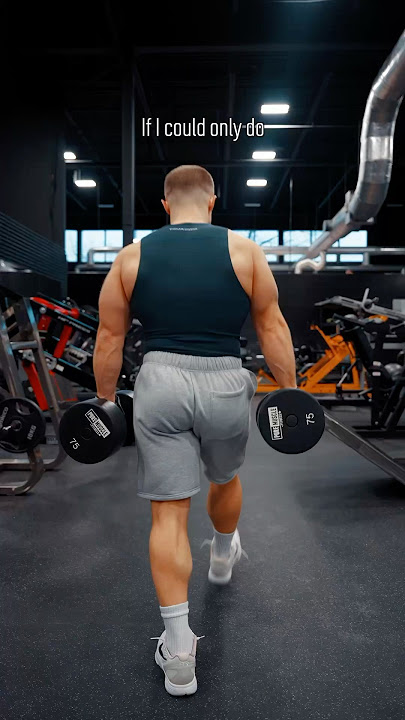
Most men are stronger on one side of their body. Single-leg (unilateral) exercises fix imbalances and build better coordination. They also work your glutes harder, since each side must stabilize your body.
Best unilateral moves:
- Bulgarian split squat
- Single-leg Romanian deadlift
- Single-leg glute bridge
- Step-up
Add these to your workouts at least once a week.
Credit: www.youtube.com
Glute Training And Lower Back Pain
Many men struggle with lower back pain. Weak or inactive glutes are often to blame. When your glutes don’t do their job, your lower back muscles take over, leading to tightness, strain, or injury.
Building strong glutes supports your spine, improves your posture, and can help reduce pain. However, if you have ongoing back pain, work with a physical therapist or doctor before starting a new routine.
How Often Should Men Train Glutes?
For best results, hit your glutes 2–3 times per week. Muscles need time to recover, but they also respond well to frequent activation. You can train glutes with their own workout, or pair them with legs, back, or full body routines.
Key Insight: Many men see faster progress with 2–3 shorter, focused sessions per week instead of one long “leg day.”
Nutrition Tips For Glute Growth
Training is only half the battle. Muscles need fuel to grow. Here’s what matters most:
- Protein: Aim for at least 0.7–1 gram per pound of bodyweight daily.
- Calories: Eat slightly above maintenance if you want to build size.
- Carbs: Fuel your workouts and recovery.
- Hydration: Muscles work better when you’re hydrated.
Don’t skip meals after training. Eat protein and carbs within 1–2 hours of your workout for best recovery.
Comparing Glute Vs. Leg Training
Some men wonder if they should focus only on glutes or do full-leg workouts. Here’s a comparison:
| Training Focus | Glute Development | Thigh Development | Injury Prevention |
|---|---|---|---|
| Glute-Only | Maximum | Minimal | Good (for hips) |
| Leg (Squats, Lunges) | High | High | Excellent (whole lower body) |
| Combined | Maximum | High | Best |
Best Strategy: Combine glute-specific and leg exercises for full development and balance.
Cardio And Glute Training: What Works
Some cardio activities train the glutes better than others. Running, especially uphill or sprinting, is good for the glutes, while cycling works them moderately. Walking on a steep incline also activates the glutes.
However, long, slow cardio (like steady treadmill jogging) does less for glute growth. If you want to combine cardio and glute training, try:
- Sprint intervals (30–60 seconds at high speed)
- Hill sprints or stair running
- Walking lunges for distance
Keep cardio sessions short (15–30 minutes) if your main goal is muscle growth.
Common Glute Training Myths
Let’s clear up a few misunderstandings:
- Squats are enough for glutes: Squats work the glutes, but they also hit the quads and lower back. Hip thrusts and bridges target the glutes more directly.
- Glute training is just for women: Men need strong glutes for power, athleticism, and injury prevention.
- You can’t grow glutes without genetics: Anyone can build stronger, bigger glutes with smart training and nutrition.
- Machines are best: Free weights and bodyweight moves activate more muscle and improve coordination.
Recovery: Letting Your Glutes Grow
Muscles grow when you rest, not just during workouts. Here’s how to speed recovery:
- Get 7–9 hours of sleep per night.
- Stretch your hips and glutes after training.
- Use a foam roller to release tight spots.
- Take at least one full rest day per week.
If you feel sore, light activity (like walking or cycling) helps blood flow and recovery.
Glute Training At Home: No Equipment Needed
No gym? You can still build strong glutes with bodyweight moves and simple bands. Here’s a sample routine:
- Single-Leg Glute Bridge – 3 sets x 12 reps per leg
- Bulgarian Split Squat (bodyweight) – 3 sets x 10 reps per leg
- Reverse Lunge – 2 sets x 12 reps per leg
- Lateral Band Walk – 2 sets x 15 steps per direction
Tip: Slow down each rep, squeeze your glutes hard, and do more sets if you need a challenge.
Tracking Progress: How To Know Your Glutes Are Growing
Building glutes takes time. Here’s how to measure your progress:
- Take photos every 4 weeks.
- Measure your hips and thighs.
- Track your strength (weight or reps) in glute exercises.
- Notice changes in how your pants fit.
If you’re not progressing, adjust your workout or nutrition.
Supplements: Do You Need Them?
Supplements aren’t required, but some can help:
- Whey protein: Easy way to hit daily protein goals.
- Creatine: Boosts strength and muscle growth.
- Fish oil: Reduces inflammation and supports recovery.
- Vitamin D: Important for hormone health, especially if you get little sun.
Always focus on whole foods first. Supplements are just a bonus.

Credit: www.menshealth.com
Injury Prevention: Glute Training Done Right
Training hard is good, but training smart prevents injuries. Here’s how:
- Warm up with activation drills and dynamic stretches.
- Use good form — don’t chase heavy weights if your technique suffers.
- Listen to your body. If you feel sharp pain, stop and reassess.
- Balance glute work with core, hamstring, and quad training.
If you have a history of hip, knee, or back injuries, talk to a coach or physical therapist before starting new exercises.
Advanced Tactics: Glute Training For Athletes
Competitive athletes often use advanced techniques to maximize glute growth and power:
- Contrast Training: Pair a heavy lift (like hip thrust) with a plyometric move (like a jump). This boosts explosive power.
- Paused Reps: Hold the top of a hip thrust or bridge for 2–3 seconds to increase time under tension.
- Bands and Chains: Adding bands or chains to lifts changes resistance through the range of motion and challenges your glutes in new ways.
These methods are best for experienced lifters who have mastered basic form.
Glute Training For Different Body Types
Not everyone responds to training the same way. If you have a flat or “hard gainer” body type, focus on:
- Higher training volume (more sets and reps)
- Slower tempos and longer contractions
- Eating enough calories to support growth
If you tend to add muscle easily, pay attention to recovery and avoid overtraining.
Comparing Free Weights, Machines, And Bands
Which equipment builds glutes best? Here’s a quick overview:
| Equipment | Strength Gains | Glute Isolation | Versatility |
|---|---|---|---|
| Free Weights | Excellent | Good | High |
| Machines | Good | Excellent | Medium |
| Bands | Moderate | Good | Very High |
Best approach: Use free weights for big lifts, machines for isolation, and bands for warm-ups and at-home workouts.
Motivational Tips: Stay Consistent With Glute Training
Building strong glutes takes time and effort. Here’s how to keep going:
- Set clear, realistic goals (strength, size, or athletic performance)
- Track your progress with a workout log or photos
- Train with a friend for accountability
- Celebrate small wins (like hitting a new PR)
- Change up your routine every 2 months to stay excited
Remember, most men see the biggest changes after 3–6 months of consistent training.
Frequently Asked Questions
How Long Does It Take To See Results From Glute Workouts?
Most men notice better strength and firmness in 4–6 weeks. Visible muscle growth usually takes 2–3 months, depending on your training, nutrition, and genetics. Consistency is key.
Should I Train Glutes With Legs Or On A Separate Day?
You can do either. Pairing glutes with legs works well for most men, but if glutes are a weak point, adding a dedicated glute day helps. Just allow at least 48 hours between hard sessions for recovery.
Do I Need Heavy Weights To Build Glutes?
Heavy weights build strength, but you can grow glutes with bodyweight and bands, especially if you focus on high reps and slow, controlled movements. The most important thing is training close to failure and using good form.
Why Don’t I Feel My Glutes Working During Squats?
This is common. Try activation drills before squatting, adjust your stance (wider, toes out), and focus on pushing through your heels. Sometimes, lowering the weight and improving technique makes a big difference.
What’s The Best Glute Exercise For Men?
The barbell hip thrust is often called the top glute builder for men. It targets the gluteus maximus with heavy loads. For complete development, combine hip thrusts with squats, deadlifts, and single-leg moves.
Building strong, powerful glutes is one of the smartest things men can do for athletic performance, health, and appearance. With the right exercises, smart programming, and consistent effort, you’ll see real results — and feel stronger in every part of life. For more information on muscle anatomy and training, check out this Wikipedia article on the gluteus maximus.

Credit: toneopfit.com
