

Core And Glute Workout: Transform Your Body With These Expert Moves
A strong, balanced body starts with the center: your core and glutes. These two muscle groups are often called your “powerhouse” for good reason. They support almost every movement, from standing up straight to sprinting, lifting, and even sitting. Yet, many people focus only on visible muscles like biceps or abs, missing the deeper benefits of training the core and glutes together.
If you want to improve your posture, reduce back pain, boost athletic performance, or simply feel stronger in daily life, a dedicated core and glute workout is essential. This guide will show you why these muscles matter, how they work together, and how to train them effectively—whether you’re a beginner or an experienced athlete.
Why The Core And Glutes Matter
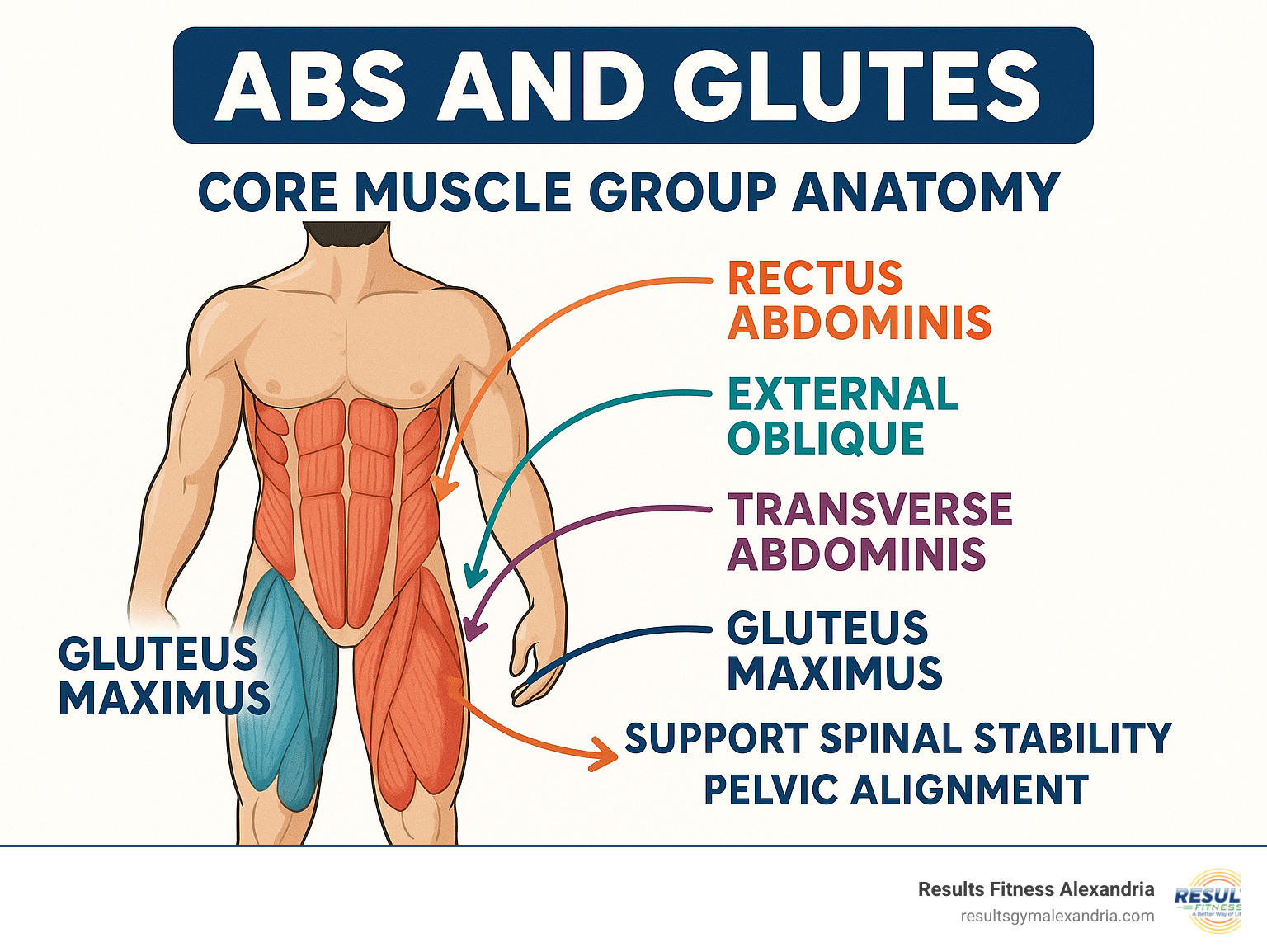
Your core isn’t just your abs. It includes all the muscles in your torso—front, sides, and back—like the rectus abdominis, obliques, transverse abdominis, erector spinae, and even your pelvic floor. Together, these muscles stabilize your spine and pelvis.
Your glutes—the gluteus maximus, medius, and minimus—are the largest muscles in your body. They play a big role in moving your hips, supporting your lower back, and powering your legs.
When your core and glutes are strong and work well together, you get:
- Better posture (standing and sitting straighter)
- Reduced risk of back, hip, and knee pain
- Greater athletic power (running, jumping, lifting)
- Increased balance and stability
- Improved daily movement (from picking up groceries to climbing stairs)
Weak core or glutes can lead to imbalances. For example, if your glutes are inactive (“glute amnesia”), your lower back and hamstrings work too hard, raising your risk of injury.
How The Core And Glutes Work Together
These muscle groups are more connected than many people realize. When you walk, run, or stand on one leg, your core keeps your spine stable while your glutes move your hips. During a squat, your core braces your trunk and your glutes drive you upward.
If one group is weak, the other has to compensate. For example, weak glutes make your core work overtime to keep your pelvis steady. Over time, this can cause pain or poor movement patterns.
A smart workout trains both muscle groups at the same time. This not only saves time but also teaches your body to move as a unit—leading to faster progress and fewer injuries.
Key Benefits Of A Core And Glute Workout
- Functional strength: You’ll build muscles that help in real-life activities, not just in the gym.
- Injury prevention: A stronger core and glutes support your joints and spine, protecting you from strains.
- Better sports performance: These muscles are crucial for power, speed, and agility in almost every sport.
- Aesthetic improvements: Toned glutes and a defined midsection are confidence boosters.
- Balance and stability: A stable core and strong glutes keep you steady, especially as you age.
Anatomy Basics: Understanding The Muscles
Let’s take a closer look at the main muscles involved.
Core Muscles
- Rectus Abdominis: The “six-pack” muscle on the front of your abdomen.
- Obliques: On the sides of your torso; help with twisting and side bending.
- Transverse Abdominis: Deepest core muscle, wraps around your trunk like a belt.
- Erector Spinae: Muscles along your spine; keep you upright.
- Pelvic Floor: Supports your pelvic organs, important for stability and core control.
Glute Muscles
- Gluteus Maximus: The largest muscle; responsible for hip extension (moving your leg backward).
- Gluteus Medius: On the side of your hip; helps with hip abduction (moving leg to the side) and stability.
- Gluteus Minimus: Under the medius; also helps with abduction and stability.
How To Structure A Core And Glute Workout
A balanced program should include:
- Activation exercises: Wake up sleepy muscles, especially the glutes.
- Strength movements: Build muscle and power.
- Stability and balance work: Improve control and prevent injury.
- Progression: Make exercises harder over time.
Aim to train these muscles at least 2-3 times per week, with a mix of exercises. Always warm up first to prevent injury.
Here’s a sample workout structure:
| Exercise Type | Purpose | Examples |
|---|---|---|
| Activation | Muscle wake-up | Glute bridges, bird dogs |
| Strength | Build muscle | Squats, deadlifts, planks |
| Stability | Improve control | Single-leg deadlifts, side planks |
| Progression | Challenge muscles | Weighted hip thrusts, hanging leg raises |
Essential Core And Glute Exercises
Below are some of the most effective moves. You don’t need fancy equipment—many can be done with just your bodyweight.
Core Exercises
- Plank: Hold a push-up position, keeping your body straight from head to heels. Squeeze your glutes and brace your abs. Start with 20-30 seconds and build up.
- Dead Bug: Lie on your back, arms up, knees bent. Slowly lower one arm and the opposite leg, keeping your back flat on the floor. Return and repeat on the other side.
- Side Plank: Lie on your side, support your body with your forearm and the side of your foot. Lift your hips and hold.
- Russian Twist: Sit on the floor, lean back slightly, and twist your torso side to side, touching the floor beside your hips.
- Mountain Climber: From a plank position, bring your knees toward your chest quickly, alternating sides.
Glute Exercises
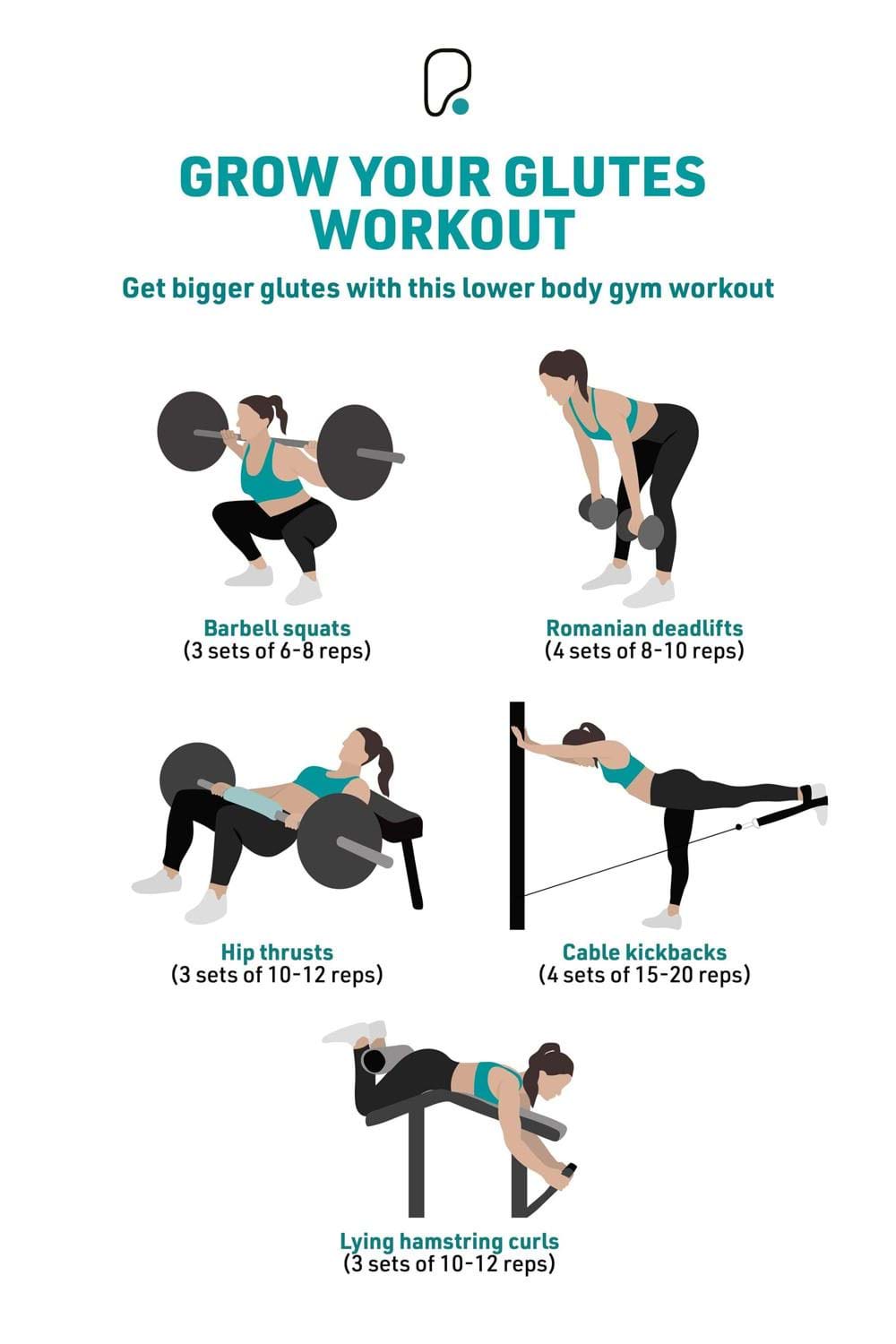
- Glute Bridge: Lie on your back, feet flat, knees bent. Squeeze your glutes to lift your hips up, hold, then lower.
- Hip Thrust: Sit with your upper back against a bench, feet flat. Push through your heels to lift your hips, squeezing glutes at the top.
- Squat: Stand with feet shoulder-width apart. Lower your hips back and down, then push through your heels to stand.
- Lunge: Step forward with one leg, lowering your hips until both knees are bent at 90 degrees. Push back to start.
- Donkey Kick: On all fours, kick one leg up and back, keeping your knee bent. Squeeze your glute at the top.
Combo Moves (core + Glutes)
Some exercises work both at once, making your workout more efficient:
- Single-Leg Glute Bridge: Like the glute bridge, but with one leg in the air. This challenges your core to keep you stable.
- Bird Dog: On hands and knees, extend one arm and the opposite leg. Hold, then switch sides.
- Bulgarian Split Squat: One foot on a bench behind you, squat down on the front leg. Your glutes and core have to stabilize your body.
- Kettlebell Swing: Hinge at your hips and swing a kettlebell with both hands. Your glutes drive the movement, while your core keeps you upright.
Credit: www.villamagia.com.br
Sample Core And Glute Workout Routine
Here is a balanced, full-body routine you can do 2-3 times per week. Rest for 30-60 seconds between sets.
Warm-Up (5 minutes)
- March in place or jog lightly (1 minute)
- Hip circles (30 seconds each direction)
- Glute activation: Glute bridges (2 sets of 12 reps)
Main Workout
- Squat: 3 sets of 12 reps
- Glute Bridge: 3 sets of 15 reps
- Plank: 3 sets of 30 seconds
- Dead Bug: 3 sets of 10 reps per side
- Lunge: 3 sets of 10 reps per leg
- Side Plank: 2 sets of 20 seconds per side
- Donkey Kick: 3 sets of 12 reps per leg
Finisher (Optional)
- Mountain climbers: 2 sets of 30 seconds
Cool-down
- Stretch glutes, hamstrings, and lower back
Progressions: How To Keep Getting Stronger
Doing the same exercises forever will eventually stop working. To keep making gains, you need to progress—making exercises harder over time.
Here are some ways to progress:
- Increase reps or sets: Do more each week.
- Add weight: Hold a dumbbell or use a resistance band.
- Slow down: Move more slowly to increase time under tension.
- Try harder variations: For example, single-leg versions or unstable surfaces.
A sample progression plan for the glute bridge:
| Week | Variation | Reps | Notes |
|---|---|---|---|
| 1-2 | Bodyweight bridge | 15 | Focus on form |
| 3-4 | Single-leg bridge | 10/leg | Pause at top |
| 5-6 | Weighted bridge | 12 | Hold dumbbell on hips |
| 7-8 | Hip thrust | 10 | Use bench for full range |
Common Mistakes And How To Fix Them
Even simple exercises can be done incorrectly. Here are some pitfalls to watch for:
- Letting your back arch: In planks or bridges, keep your spine neutral. If your back sags, your core isn’t working.
- Using momentum: Slow, controlled movements engage more muscle.
- Not squeezing your glutes: Actively contract at the top of bridges or squats.
- Shallow range of motion: Go low enough in squats and lunges to engage your glutes fully.
- Ignoring pain: Discomfort is normal, but sharp pain means you should stop and check your form.
Many beginners think more reps are always better. But quality beats quantity. Ten perfect reps are worth more than 30 sloppy ones.
Equipment: What You Need (and Don’t Need)
You can train your core and glutes with no equipment at all. But adding simple tools can help:
- Resistance bands: Great for glute activation, add challenge without heavy weights.
- Dumbbells or kettlebells: For added resistance in bridges, squats, lunges.
- Bench or sturdy chair: Useful for hip thrusts or Bulgarian split squats.
- Exercise mat: For comfort during floor exercises.
For most people, a resistance band and a pair of dumbbells are enough to get strong.

Credit: www.youtube.com
How Core And Glute Training Supports Daily Life
Strong core and glutes don’t just look good—they help you move better every day. Here’s how:
- Picking up objects: Squat and hinge movements protect your back.
- Standing or sitting for long periods: Good posture reduces fatigue and pain.
- Walking and climbing stairs: Glutes power your steps, core keeps you balanced.
- Preventing falls: A stable core and strong glutes improve balance.
Studies show that adults with strong glutes and core have a lower risk of back pain and falls. In fact, research published in the *Journal of Strength and Conditioning Research* found that a 6-week program focusing on these muscles improved balance and reduced pain for participants.
Myths About Core And Glute Training
Let’s clear up some common misunderstandings.
- Myth 1: Crunches are the best core exercise.
- Truth: Crunches only work the surface abs and can hurt your neck or back if done wrong. Planks and dead bugs are safer and more effective.
- Myth 2: Squats make your legs bulky, not your glutes.
- Truth: The depth and form of your squat matter. Going low and pushing through your heels targets the glutes more.
- Myth 3: You can “spot reduce” fat from your belly or butt.
- Truth: Fat loss happens all over your body, not just where you train. Strengthening muscles can shape your body, but diet and overall activity matter for fat loss.
- Myth 4: Only athletes need to train these muscles.
- Truth: Everyone benefits—from office workers to seniors. Core and glute strength supports daily life for all.
Tailoring Your Workout: Beginner, Intermediate, And Advanced
No matter your fitness level, you can adjust your routine. Here’s how to adapt:
Beginners
- Focus on bodyweight exercises.
- Master form before adding weight.
- Start with 1-2 sets per exercise.
- Rest longer between sets (up to 90 seconds).
Intermediate
- Add resistance bands or light weights.
- Increase sets to 2-3 per exercise.
- Try single-leg variations for more challenge.
Advanced
- Use heavier weights or more challenging variations (e.g., pistol squats, weighted planks).
- Add explosive moves like jump squats or kettlebell swings.
- Shorten rest periods for intensity.
A quick comparison of sample exercises for each level:
| Level | Core Move | Glute Move |
|---|---|---|
| Beginner | Plank | Glute Bridge |
| Intermediate | Dead Bug | Hip Thrust with Band |
| Advanced | Hanging Leg Raise | Bulgarian Split Squat |
Programming Tips: Making Progress Safely
To see results without injury, remember:
- Consistency is key: Train 2-3 times per week.
- Rest is important: Muscles grow when you rest. Allow at least one day between hard workouts.
- Mix it up: Change exercises every 4-6 weeks to avoid plateaus.
- Listen to your body: Soreness is normal, pain is not.
Many people skip the warm-up and cool-down—don’t. These steps increase blood flow, prepare your muscles, and help prevent injuries.
Non-obvious Tips For Maximizing Results
Some details make a big difference but are easy to miss:
- Focus on mind-muscle connection: Instead of just moving, think about squeezing the muscle you want to work. For example, during glute bridges, imagine pushing the floor away and clenching your glutes at the top.
- Don’t neglect your breathing: Exhale during the hard part of each movement (like lifting or pushing), and inhale as you return. Proper breathing stabilizes your core and helps you lift more safely.
- Include unilateral exercises: Moves that work one side at a time (like single-leg squats) help fix imbalances that can lead to injury.
- Train barefoot or with minimal shoes sometimes: This helps your body learn to stabilize naturally, especially during glute and core work.
- Record your workouts: Keeping a log helps you see progress and spot areas that need more work.
When To Expect Results
How fast will you see or feel changes? It depends on your starting point and how consistent you are. Most people feel stronger and more stable in daily life within 2-4 weeks. Visible muscle changes take longer—often 8-12 weeks with regular training and healthy eating.
Remember, progress isn’t just about appearance. Notice improvements in posture, balance, and how easy daily activities feel.
Nutrition For Core And Glute Development
Training is only part of the equation. Your muscles need the right fuel to grow and recover.
- Protein: Essential for muscle repair. Aim for about 0.7-1 gram per pound of body weight.
- Complex carbs: Fuel your workouts (whole grains, vegetables).
- Healthy fats: Support hormone balance and joint health (nuts, olive oil, fatty fish).
- Hydration: Muscles work best when you’re well-hydrated.
Skipping meals or eating too little can actually slow your progress. Focus on balanced meals, not just protein shakes.
How To Stay Motivated
Building a strong core and glutes takes time. Here are some ways to keep going:
- Set small goals: For example, hold a plank 10 seconds longer, or add 5 pounds to your squat.
- Track your progress: Write down your workouts and celebrate when you improve.
- Find a workout buddy: Exercising with someone else boosts motivation and accountability.
- Change it up: Try new exercises or join a class to stay interested.
If you ever feel stuck, remember why you started. Stronger core and glutes mean a healthier, more active life.
Credit: resultsgymalexandria.com
Resources For Deeper Learning
Want more guidance? There are many expert resources online. For a deep dive into exercise science, visit the American Council on Exercise library, which offers trusted exercise demos and tips.
Frequently Asked Questions
What Is The Best Exercise For Both Core And Glutes?
Bird dog and single-leg glute bridges are great because they challenge both muscle groups together. For advanced trainees, the Bulgarian split squat with a twist adds even more core demand.
How Often Should I Do Core And Glute Workouts?
For most people, 2-3 times per week is ideal. This gives your muscles enough work to grow but also time to recover. Avoid training the same muscles hard on back-to-back days.
Can I Get Results Without Equipment?
Absolutely. Bodyweight exercises like planks, squats, and glute bridges are very effective when done with good form. As you get stronger, try single-leg or more challenging versions to keep progressing.
Why Do I Feel My Lower Back During Glute Exercises?
This usually means your glutes aren’t activating fully or your form is off. Focus on squeezing your glutes and keeping your core tight. If pain continues, check your technique or ask a coach for feedback.
Do I Need To Do Cardio As Well?
Cardio is great for heart health and overall fitness, but it’s not required for building core and glute strength. However, mixing strength and cardio can help with fat loss and overall conditioning. Consider combining short bursts of cardio (like mountain climbers) into your routine.
Strong core and glutes are the foundation for a healthy, active, and pain-free life. With a smart, consistent workout plan, you’ll feel the difference in everything you do—from sports to daily tasks. Start today, focus on quality movement, and enjoy the journey to a more powerful you.
